EN
EN

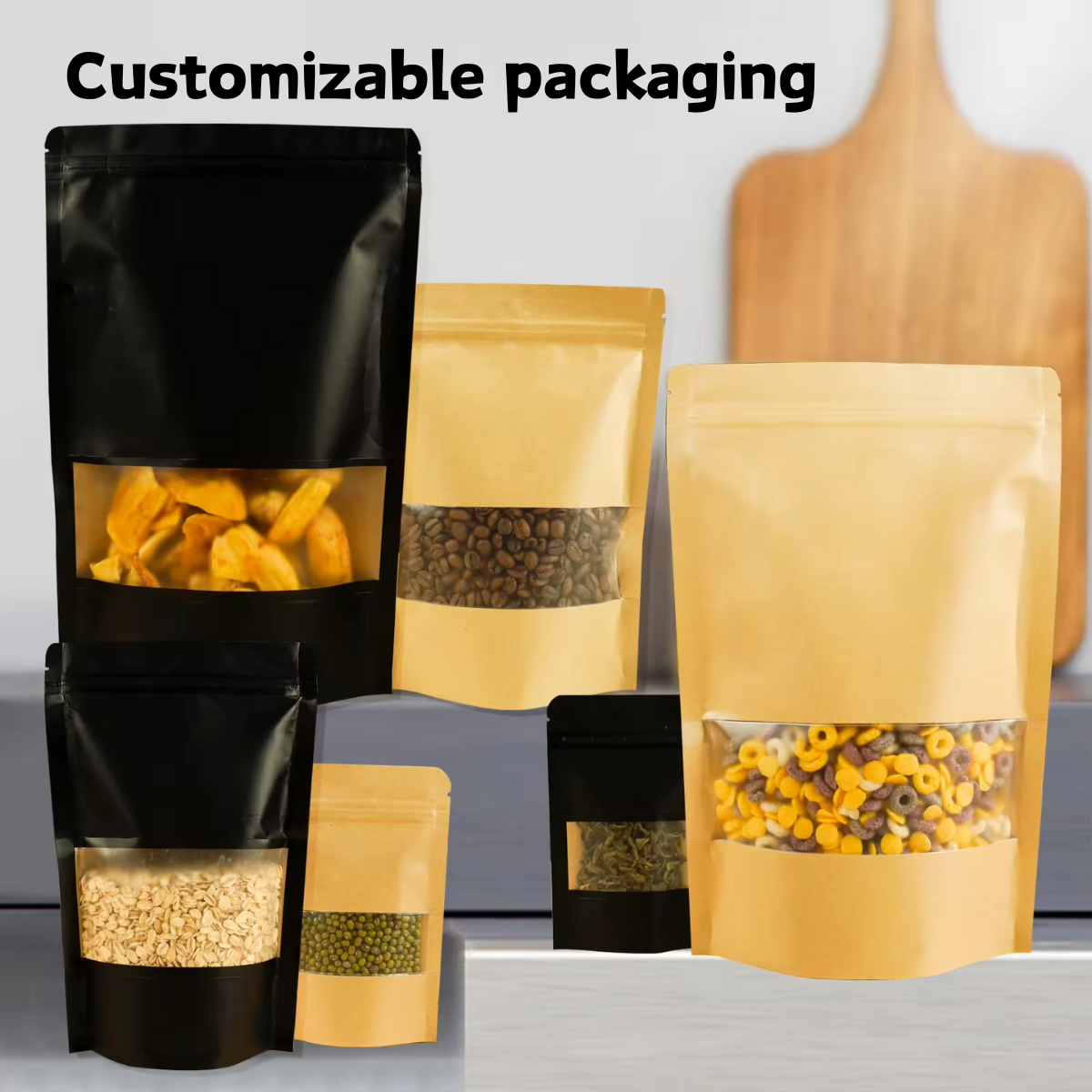
When businesses invest in packaging solutions, one of the most critical considerations is ensuring optimal packing bag durability for their products. The longevity and strength of packaging materials directly impact product protection, customer satisfaction, and overall operational costs. Understanding the fundamental factors that influence packing bag durability enables manufacturers and businesses to make informed decisions that enhance their packaging performance while maintaining cost-effectiveness.
The complexity of modern packaging requirements demands a comprehensive understanding of material science, manufacturing processes, and environmental factors. From food preservation to industrial applications, packing bag durability serves as the foundation for successful product delivery and storage. This detailed analysis explores the essential elements that determine how well packaging materials withstand various stresses and environmental conditions throughout their lifecycle.
Material Composition and Properties
Polymer Selection and Structure
The foundation of packing bag durability lies in the careful selection of polymer materials that form the backbone of packaging structures. Different polymer types offer varying degrees of strength, flexibility, and resistance to environmental factors. Polyethylene, polypropylene, and polyester represent the most commonly used materials, each bringing unique characteristics that influence overall durability performance.
High-density polyethylene provides excellent chemical resistance and puncture strength, making it ideal for applications requiring robust barrier properties. Low-density polyethylene offers superior flexibility and seal integrity, which contributes significantly to packing bag durability in applications involving frequent handling. The molecular structure of these polymers determines their ability to resist stress cracking, tear propagation, and environmental degradation.
Advanced polymer blends and copolymers have revolutionized packaging durability by combining the beneficial properties of multiple materials. These engineered compositions allow manufacturers to optimize specific characteristics such as impact resistance, temperature stability, and barrier performance without compromising overall structural integrity.
Additive Systems and Enhancement
Modern packaging relies heavily on sophisticated additive systems to enhance packing bag durability beyond what base polymers alone can provide. Antioxidants prevent polymer degradation caused by oxidative processes, while UV stabilizers protect against harmful radiation that can weaken material structure over time. These additives work synergistically to extend the functional lifespan of packaging materials.
Impact modifiers and processing aids contribute to improved mechanical properties and manufacturing consistency. Slip agents and anti-block additives ensure proper bag handling characteristics while maintaining structural integrity. The precise balance of these additives requires extensive testing and optimization to achieve optimal packing bag durability for specific applications.
Barrier enhancement additives such as oxygen scavengers and moisture control agents provide additional protection layers that indirectly support overall durability by maintaining product integrity. These specialized compounds help prevent internal degradation that could compromise packaging performance from within.
Manufacturing Process Variables
Extrusion Parameters and Control
The extrusion process represents a critical phase where raw materials transform into functional packaging films that determine final packing bag durability characteristics. Temperature profiles throughout the extrusion system must be precisely controlled to ensure proper polymer melting, mixing, and molecular orientation. Excessive temperatures can cause thermal degradation, while insufficient heat leads to poor material homogeneity.
Screw design and rotation speed significantly influence material residence time and shear history, both of which affect molecular structure and resulting mechanical properties. Advanced extrusion systems incorporate real-time monitoring and feedback control systems that maintain consistent processing conditions essential for repeatable durability performance.
Die design and gap uniformity directly impact film thickness consistency and surface quality. Variations in thickness create weak points that compromise packing bag durability under stress conditions. Modern manufacturing facilities employ sophisticated measuring systems and automatic thickness control to maintain tight tolerances across the entire film width.
Converting and Fabrication Quality
The converting process, where films are transformed into finished bags, introduces additional variables that significantly affect packing bag durability outcomes. Heat sealing parameters including temperature, pressure, and dwell time must be optimized for each specific material combination to achieve strong, consistent seals that resist failure under normal use conditions.
Cutting blade sharpness and maintenance directly influence edge quality and potential stress concentration points. Dull blades create rough edges and micro-tears that can propagate under stress, significantly reducing overall bag durability. Regular blade maintenance and replacement schedules are essential for maintaining consistent quality standards.
Printing and laminating processes introduce additional thermal and mechanical stresses that can affect final packing bag durability characteristics. Proper process control ensures that decorative and functional features enhance rather than compromise structural integrity. Adhesive selection and curing conditions play crucial roles in laminated structure performance.
Environmental Stress Factors
Temperature Extremes and Cycling
Temperature variations represent one of the most significant challenges to maintaining packing bag durability across diverse storage and transportation environments. Extreme cold conditions can make packaging materials brittle and prone to cracking, while excessive heat accelerates polymer degradation and softens seals. Understanding the glass transition temperatures and melting points of packaging materials helps predict performance limitations.
Thermal cycling, where packages experience repeated temperature fluctuations, creates expansion and contraction stresses that can fatigue materials over time. This phenomenon is particularly problematic for multi-layer structures where different materials have varying coefficients of thermal expansion. Proper material selection and structure design minimize these thermal stresses.
Cold storage applications require special consideration of low-temperature embrittlement, where normally flexible materials become rigid and crack-prone. Advanced polymer formulations incorporate cold-temperature modifiers that maintain flexibility and impact resistance even at sub-zero temperatures, ensuring consistent packing bag durability performance.
Humidity and Moisture Exposure
Moisture exposure affects packing bag durability through multiple mechanisms including hydrolysis of polymer chains, plasticization effects, and dimensional changes that create internal stresses. Some packaging materials are inherently moisture-sensitive and require protective measures or special formulations to maintain performance in humid environments.
Relative humidity levels during storage and handling can cause swelling or shrinkage in hygroscopic materials, leading to seal failure or structural deformation. Advanced barrier coatings and moisture-resistant formulations help maintain dimensional stability and mechanical properties under varying humidity conditions.
Condensation formation during temperature transitions can create localized stress concentrations and facilitate chemical degradation processes. Proper packaging design incorporates features that minimize condensation effects while maintaining overall structural integrity and packing bag durability characteristics.
Mechanical Stress Considerations
Impact and Puncture Resistance
The ability to withstand sudden impact forces and resist puncture damage represents a fundamental aspect of packing bag durability that directly affects product protection during handling and transportation. Impact resistance depends on material toughness, thickness distribution, and structural design features that help distribute stress loads across larger areas.
Puncture resistance involves both the initial penetration force required to create a hole and the subsequent tear propagation characteristics. Multi-layer structures often incorporate puncture-resistant films or coatings that provide enhanced protection without significantly increasing overall package weight or cost.
Drop testing and abuse simulation provide valuable insights into real-world performance expectations and help identify potential failure modes before products reach the market. These testing protocols enable manufacturers to optimize packing bag durability for specific distribution environments and handling requirements.
Tensile Strength and Elongation Properties
Tensile strength characteristics determine how packaging materials respond to pulling forces that occur during filling, handling, and transportation operations. The balance between strength and elongation properties affects overall packing bag durability by influencing failure modes and stress distribution patterns under load conditions.
Machine direction and cross-direction properties often differ significantly due to polymer orientation during manufacturing processes. Understanding these directional differences helps optimize bag design and orientation for specific loading conditions that may occur during use.
Yield strength and ultimate tensile strength values provide important benchmarks for predicting performance under sustained loading conditions. Materials that exhibit high yield strength resist permanent deformation, while high ultimate strength prevents catastrophic failure under extreme conditions that could compromise packing bag durability.
Chemical Compatibility and Resistance
Product Interaction Effects
Chemical compatibility between packaging materials and contained products plays a crucial role in maintaining long-term packing bag durability and product integrity. Aggressive chemicals, oils, and solvents can cause polymer swelling, stress cracking, or chemical degradation that weakens packaging structure over time.
Migration phenomena, where chemicals move between the product and packaging material, can affect both product quality and packaging performance. Understanding solubility parameters and diffusion rates helps predict potential interactions and select appropriate barrier materials or chemical-resistant formulations.
pH levels and ionic strength of liquid products can significantly influence polymer stability and mechanical properties. Acidic or basic conditions may accelerate hydrolysis reactions, while high salt concentrations can affect polymer chain mobility and stress-crack resistance characteristics that impact overall durability.
Environmental Chemical Exposure
External chemical exposure during storage and transportation can compromise packing bag durability through various degradation mechanisms. Industrial environments often contain vapors, dust, or other contaminants that may interact with packaging materials over extended periods.
Cleaning agents and sanitizers used in food processing and pharmaceutical applications must be compatible with packaging materials to prevent weakening or degradation. Some chemicals can cause stress cracking or surface deterioration that reduces overall structural integrity and performance.
Ozone exposure, particularly in high-altitude storage or transport conditions, can cause rapid degradation of certain polymer types. Advanced formulations incorporate ozone-resistant additives that maintain packing bag durability even under challenging atmospheric conditions.
Quality Control and Testing Methods
Standardized Testing Protocols
Comprehensive quality control programs rely on standardized testing methods to evaluate and verify packing bag durability characteristics across multiple performance criteria. ASTM, ISO, and industry-specific standards provide consistent frameworks for measuring mechanical properties, barrier performance, and environmental resistance.
Tensile testing machines equipped with specialized grips and fixtures enable precise measurement of strength and elongation properties under controlled conditions. Environmental chambers allow testing under extreme temperature and humidity conditions that simulate real-world storage and transportation environments.
Impact testing devices measure the energy required to cause failure under sudden loading conditions, providing valuable data for predicting performance during handling operations. These tests help establish minimum performance criteria that ensure adequate packing bag durability for specific applications.
Accelerated Aging and Simulation
Accelerated aging tests provide insights into long-term packing bag durability performance without requiring extended real-time studies. Elevated temperature and humidity conditions accelerate degradation processes, allowing prediction of material behavior over extended storage periods.
UV exposure chambers simulate years of sunlight exposure in condensed timeframes, revealing potential weaknesses in stabilization systems and polymer degradation resistance. These tests are particularly important for packages that may be exposed to outdoor conditions during distribution or storage.
Cyclic testing protocols subject packaging materials to repeated stress cycles that simulate fatigue conditions encountered during normal use. These tests help identify potential failure modes that may not be apparent in static testing conditions but could affect long-term durability performance.
FAQ
How does film thickness affect packing bag durability performance
Film thickness directly correlates with mechanical strength and barrier properties, but the relationship is not always linear. While thicker films generally provide better puncture resistance and structural integrity, optimal packing bag durability often requires balanced thickness distribution rather than simply increasing overall gauge. Multi-layer structures can achieve superior performance with strategic thickness allocation across different functional layers.
What role does polymer orientation play in determining bag strength
Polymer orientation during manufacturing significantly influences mechanical properties and directional strength characteristics. Biaxially oriented films exhibit more balanced strength properties, while uniaxially oriented materials show pronounced directional differences. Understanding orientation effects helps optimize packing bag durability for specific loading conditions and stress patterns expected during use.
How do storage conditions impact long-term packaging durability
Storage conditions including temperature, humidity, light exposure, and chemical environment can significantly affect packing bag durability over time. Controlled storage environments that minimize temperature fluctuations and protect from UV radiation help maintain material properties and extend functional lifespan. Proper storage practices are essential for preserving the investment in quality packaging materials.
Can recycled content compromise packaging bag durability
Recycled content can affect packing bag durability depending on the quality of recycled materials and processing methods used. High-quality recycled resins processed under controlled conditions can maintain excellent performance characteristics, while contaminated or degraded recycled content may compromise strength and barrier properties. Proper quality control and material characterization ensure that recycled content contributes positively to overall packaging performance.