EN
EN

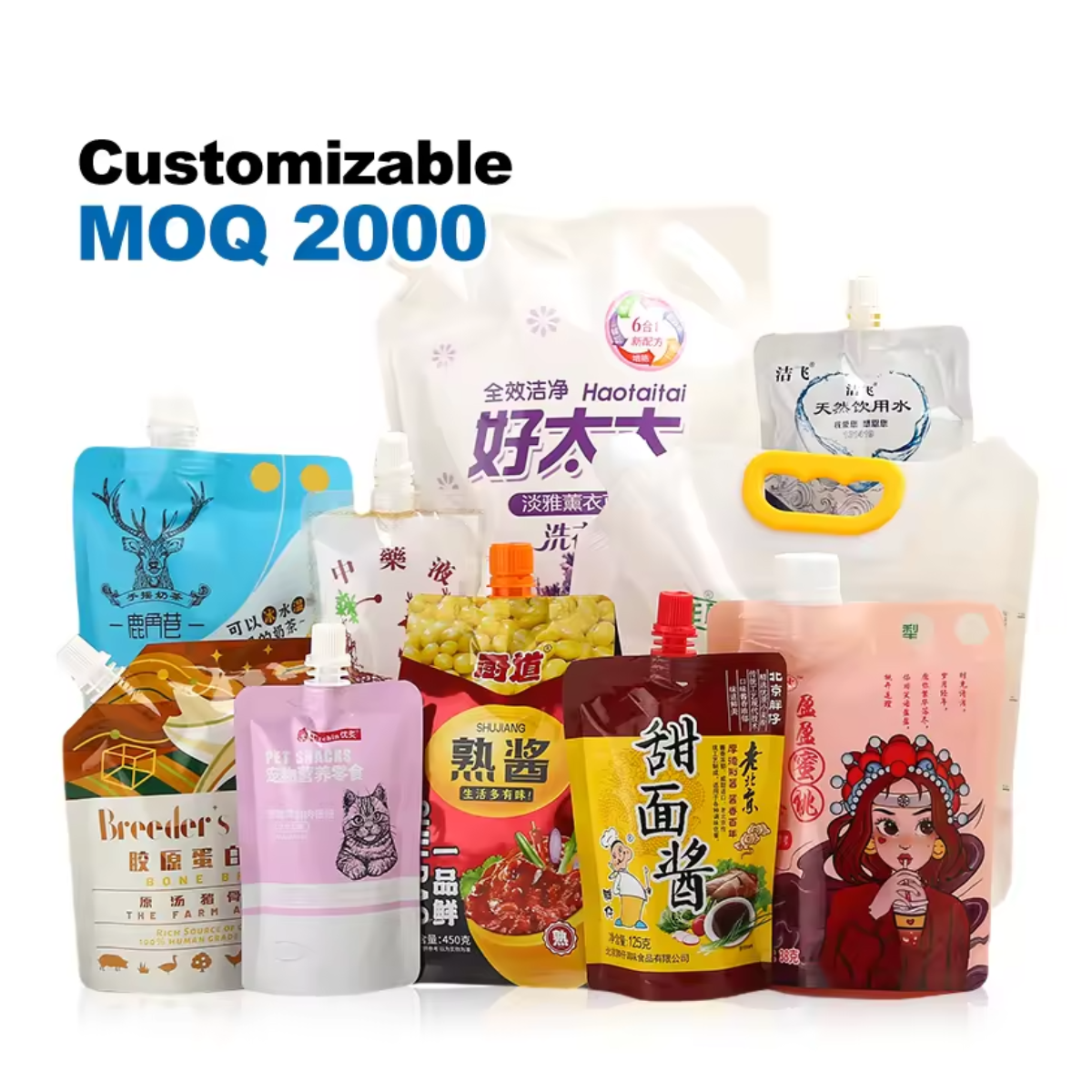
Food safety compliance represents a critical foundation for any successful snack packaging operation, and selecting the right snack bags requires careful consideration of multiple regulatory standards, material properties, and industry best practices. Modern consumers demand transparency about packaging safety, making it essential for manufacturers to understand the complex landscape of food-grade materials, barrier properties, and contamination prevention measures that define quality snack bags in today's competitive marketplace.
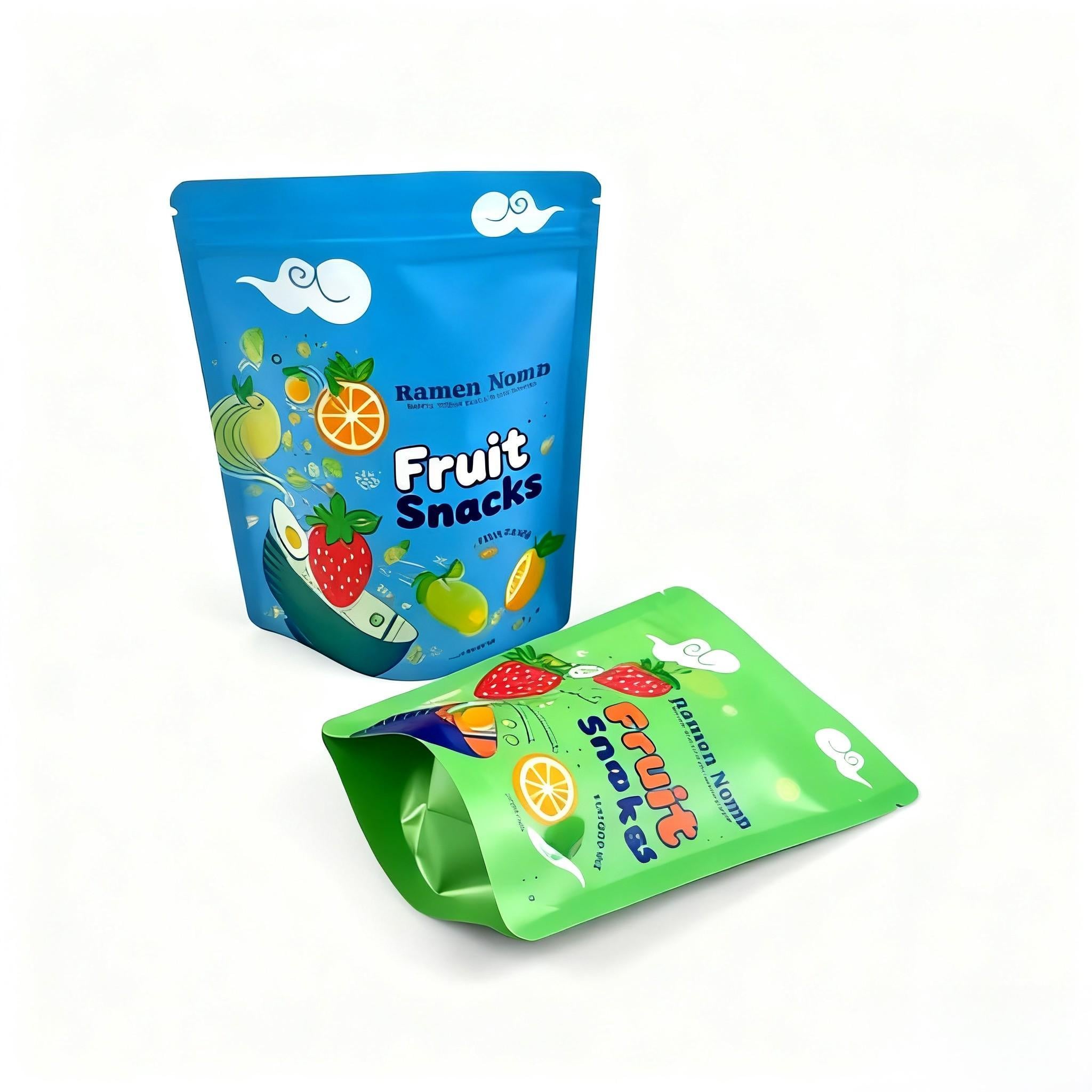
Understanding Food Safety Regulations for Packaging
FDA Compliance Requirements
The Food and Drug Administration establishes comprehensive guidelines for food contact materials, requiring all snack bags to meet specific migration limits and safety thresholds. These regulations cover direct food contact surfaces, ensuring that packaging materials do not transfer harmful substances into food products during storage, transportation, or consumer handling. Manufacturers must verify that their snack bags comply with Title 21 of the Code of Federal Regulations, particularly sections addressing food additives and indirect food contact substances.
Testing protocols mandated by FDA standards require extensive documentation of material composition, including detailed analysis of polymers, adhesives, inks, and barrier coatings used in snack bags construction. Companies must maintain certificates of compliance demonstrating that their packaging materials have undergone rigorous evaluation for potential contaminant migration under various temperature and contact time scenarios typically encountered in commercial food distribution networks.
International Standards Integration
Global markets demand adherence to multiple international food safety frameworks, including European Union regulations, HACCP principles, and ISO 22000 standards that govern food packaging safety management systems. These comprehensive guidelines establish performance criteria for snack bags across different regional markets, requiring manufacturers to demonstrate consistent quality control measures and traceability protocols throughout their supply chains.
Harmonized testing methods enable manufacturers to produce snack bags that simultaneously meet diverse regulatory requirements, streamlining international distribution while maintaining the highest safety standards. This integrated approach reduces compliance costs and accelerates market entry for companies seeking to expand their geographical reach with standardized packaging solutions.
Material Selection and Safety Properties
Food-Grade Polymer Technologies
Advanced polymer formulations in modern snack bags incorporate multiple barrier layers designed to prevent moisture migration, oxygen transmission, and volatile compound transfer while maintaining structural integrity under various storage conditions. Polyethylene terephthalate, polyethylene, and polypropylene represent the most commonly utilized base materials, each offering distinct advantages for specific snack product categories and shelf life requirements.
Multi-layer constructions enable manufacturers to optimize barrier properties while minimizing material costs, creating snack bags that effectively preserve product freshness without compromising safety performance. These engineered solutions incorporate specialized tie layers, sealant films, and functional coatings that work synergistically to create comprehensive protection against external contaminants and internal product degradation.
Additive Safety Considerations
Chemical additives used in snack bags production, including antioxidants, slip agents, anti-block compounds, and colorants, must undergo extensive safety evaluation to ensure compliance with food contact regulations. Migration testing protocols verify that these substances remain within acceptable limits during typical product contact scenarios, preventing potential health risks while maintaining desired packaging performance characteristics.
Manufacturers increasingly utilize naturally-derived additives and low-migration formulations to address consumer preferences for clean-label packaging solutions. These innovative approaches maintain the functional benefits of traditional chemical additives while reducing regulatory complexity and enhancing brand positioning in health-conscious market segments where snack bags safety represents a key purchasing criterion.
Quality Control and Testing Protocols
Microbiological Safety Assessment
Comprehensive microbiological testing ensures that snack bags maintain sterility throughout manufacturing, storage, and distribution processes, preventing bacterial contamination that could compromise food safety. Standard test methods evaluate packaging materials for total aerobic plate counts, yeast and mold levels, and specific pathogen presence using validated laboratory procedures recognized by regulatory authorities worldwide.
Environmental monitoring programs track potential contamination sources within manufacturing facilities, establishing critical control points that prevent microbiological hazards from affecting finished snack bags. These systematic approaches include air quality assessment, surface sanitization verification, and personnel hygiene protocols that collectively ensure consistent production of safe packaging materials.
Physical Performance Validation
Mechanical testing protocols evaluate seal strength, puncture resistance, tear propagation, and flex crack resistance to ensure that snack bags maintain their protective barrier properties under real-world handling conditions. These assessments simulate transportation stresses, consumer handling patterns, and storage environment fluctuations that packaging materials encounter throughout their lifecycle.
Accelerated aging studies predict long-term performance characteristics of snack bags under various temperature and humidity conditions, enabling manufacturers to establish appropriate shelf life recommendations and storage guidelines. This proactive approach prevents field failures and ensures consistent product protection throughout the intended usage period.
Barrier Properties and Contamination Prevention
Oxygen and Moisture Control
Effective barrier properties in snack bags prevent oxidative degradation and moisture absorption that can compromise product quality, flavor integrity, and nutritional value during extended storage periods. Advanced measurement techniques quantify oxygen transmission rates, water vapor permeability, and aroma barrier effectiveness under standardized testing conditions that reflect typical distribution and retail environments.
Customized barrier formulations address specific product requirements, with high-fat snacks requiring enhanced oxygen barriers while moisture-sensitive products benefit from superior water vapor resistance. These tailored solutions optimize packaging performance while minimizing material costs and environmental impact through efficient barrier layer design.
Chemical Migration Prevention
Sophisticated analytical methods detect and quantify potential chemical migration from snack bags into food products, ensuring compliance with established safety limits for various contact scenarios. Gas chromatography-mass spectrometry and liquid chromatography techniques provide sensitive detection of organic compounds that could potentially migrate from packaging materials under different temperature and contact time conditions.
Predictive modeling approaches enable manufacturers to estimate migration potential without extensive physical testing, accelerating product development cycles while maintaining rigorous safety standards. These computational tools integrate material properties, processing conditions, and intended use patterns to provide reliable safety assessments for new snack bags formulations.
Supplier Verification and Supply Chain Management
Vendor Qualification Programs
Comprehensive supplier assessment protocols ensure that all materials used in snack bags production originate from qualified vendors who maintain consistent quality standards and regulatory compliance. These evaluation programs include facility audits, documentation reviews, and ongoing performance monitoring that verify adherence to established food safety management systems.
Traceability systems enable rapid identification and isolation of potentially problematic materials, minimizing the impact of supply chain disruptions while maintaining product safety integrity. Digital tracking platforms provide real-time visibility into material origins, processing histories, and compliance status throughout the entire manufacturing network supporting snack bags production.
Continuous Monitoring Systems
Advanced monitoring technologies track critical quality parameters throughout snack bags manufacturing processes, providing immediate feedback on potential deviations from established safety specifications. Statistical process control methods identify trends and variations that could indicate emerging quality issues before they affect finished product safety performance.
Automated alert systems notify quality assurance personnel when process parameters exceed predetermined limits, enabling rapid corrective actions that prevent production of non-conforming materials. These real-time monitoring capabilities enhance overall system reliability while reducing the risk of safety-related product recalls or regulatory non-compliance issues.
Innovation in Safe Packaging Technologies
Sustainable Safety Solutions
Emerging technologies in snack bags development focus on combining environmental sustainability with enhanced safety performance, utilizing bio-based materials and recyclable constructions that maintain full regulatory compliance. These innovative approaches address growing consumer demand for environmentally responsible packaging while preserving the protective properties essential for food safety.
Life cycle assessment methodologies evaluate the environmental impact of different snack bags formulations, enabling manufacturers to optimize material selection for both safety performance and ecological responsibility. These comprehensive analyses consider raw material sourcing, manufacturing energy consumption, transportation requirements, and end-of-life disposal options to identify optimal packaging solutions.
Smart Packaging Integration
Intelligent packaging technologies incorporate sensors and indicators that provide real-time information about product condition and package integrity throughout the distribution chain. These advanced systems enhance traditional barrier properties of snack bags by enabling active monitoring of temperature exposure, package seal integrity, and potential contamination events that could compromise food safety.
Digital connectivity features allow consumers and supply chain partners to access detailed information about packaging provenance, safety testing results, and handling recommendations through smartphone applications or QR code scanning. This transparency builds consumer confidence while providing valuable data for continuous improvement of snack bags safety performance.
FAQ
What certifications should I look for when selecting snack bags for commercial use
Look for FDA compliance documentation, BRC or SQF facility certifications, and materials that meet ASTM testing standards for food contact applications. Suppliers should provide certificates of compliance confirming that their snack bags meet all relevant food safety regulations and have undergone appropriate migration testing protocols.
How can I verify that snack bags will maintain barrier properties throughout their intended shelf life
Request accelerated aging test data and barrier property specifications from your supplier, including oxygen transmission rates and water vapor permeability measurements. Reputable manufacturers provide comprehensive technical documentation demonstrating long-term performance under various storage conditions typical for snack products.
What testing should be performed on incoming snack bags to ensure safety compliance
Implement incoming inspection procedures that verify physical properties, seal integrity, and microbiological cleanliness of snack bags shipments. Consider periodic third-party testing for migration analysis and barrier property confirmation to validate supplier claims and maintain consistent quality standards.
How do international regulations affect snack bags selection for global distribution
Different regions have varying requirements for food contact materials, with Europe typically having more stringent migration limits than US standards. Work with suppliers who can provide documentation demonstrating compliance with multiple international frameworks to ensure smooth global distribution of your snack products.
Table of Contents
- Understanding Food Safety Regulations for Packaging
- Material Selection and Safety Properties
- Quality Control and Testing Protocols
- Barrier Properties and Contamination Prevention
- Supplier Verification and Supply Chain Management
- Innovation in Safe Packaging Technologies
-
FAQ
- What certifications should I look for when selecting snack bags for commercial use
- How can I verify that snack bags will maintain barrier properties throughout their intended shelf life
- What testing should be performed on incoming snack bags to ensure safety compliance
- How do international regulations affect snack bags selection for global distribution