With the rapid development of society and the continuous improvement of people's living standards, pet ownership has become increasingly prevalent. Pets are regarded as emotional companions by people, satisfying people’s essential emotional nee...
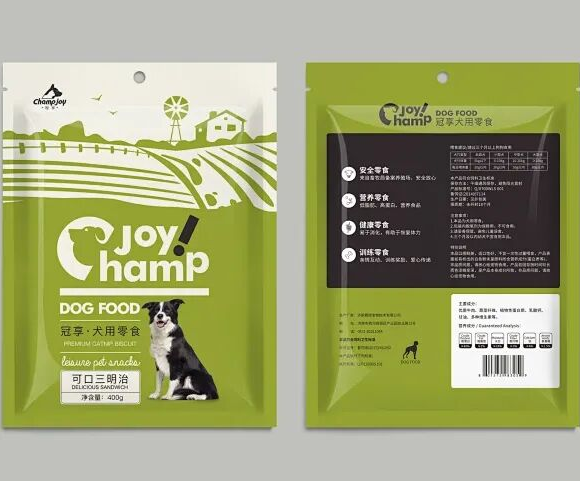
With the rapid development of society and the continuous improvement of people's living standards, pet ownership has become increasingly prevalent. Pets are regarded as emotional companions by people, satisfying people’s essential emotional needs. Driven by this trend, the pet food market has expanded steadily, and market competition has become increasingly fierce, which has also made the importance of pet food packaging stand out significantly.
I. Core Materials for Pet Food Packaging
Plastic materials are the primary choice for pet food packaging, thanks to their excellent barrier properties, heat resistance and hermetic sealing performance. These properties can effectively prevent pet food deterioration, especially the oxidation of vitamins in the food, thus extending the shelf life of products.
Multi-layer plastic composite films are the mainstream option for pet food packaging, with common composite structures including PET/AL/PE, PET/NY/PE, PET/MPET/PE, PET/AL/PET/PE, PET/NY/AL/PE and PET/NY/AL/RCPP. Such structures are also widely applied in high-temperature retort pouches for wet pet food and flexible can packaging.
Aluminum foil is a key composite layer in most plastic co-extrusion films for pet food packaging, featuring outstanding comprehensive performance:
1.Superior barrier property: It can block air, sunlight, grease and moisture effectively, with almost no substance able to penetrate it
2.Excellent airtightness: It can maintain the internal environment of the packaging and prevent food from being contaminated by external factors
3.Good light-shielding performance: It avoids food deterioration caused by long-term exposure to sunlight, which is crucial for the preservation of cat food, dog food and other pet food
4.Fine oil resistance and flexibility: It adapts to the packaging needs of different types of pet food and is easy for processing and forming
II. Common Bag Types for Pet Food Packaging
1. Three-side sealed bag
It is the simplest and most common bag type for pet food packaging, with excellent airtightness, moisture retention and sealing performance. It also has high barrier levels and extremely low oxygen and moisture transmission rates, which can prevent food from dampness and mildew effectively. With simple bag-making process and high cost performance, it is mainly used for small-specification cat food and dog food packaging.
2. Four-side sealed bag
This bag type has strong adaptability and stability, and presents a cubic shape after packaging products, with a good packaging effect. It is suitable for food fresh-keeping and multiple recycling use; adopting advanced printing technology, it can highlight the packaging patterns and trademarks with an outstanding visual effect. It is resistant to cooking, moisture-proof and has an excellent vacuum-pumping effect, and compared with eight-side sealed bags, it has a lower price and higher cost performance.
3. Eight-side sealed bag
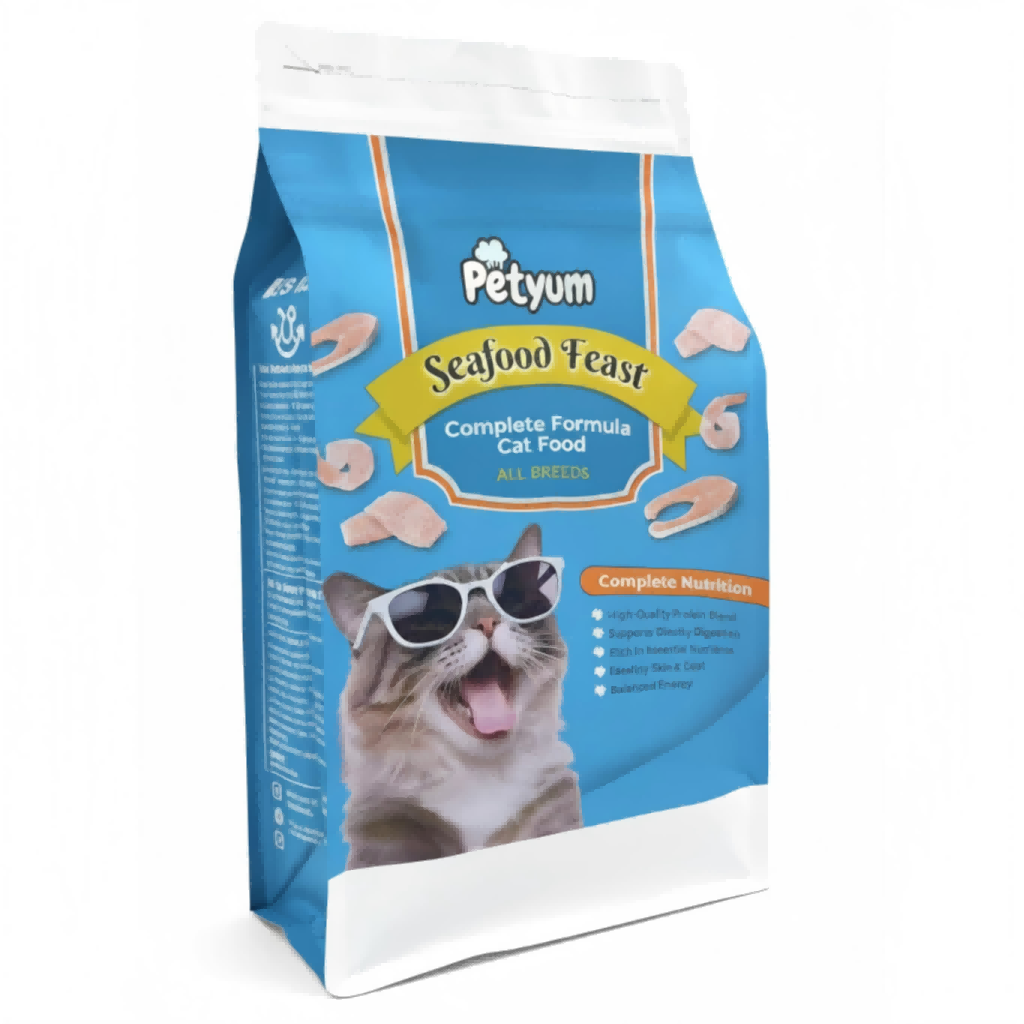
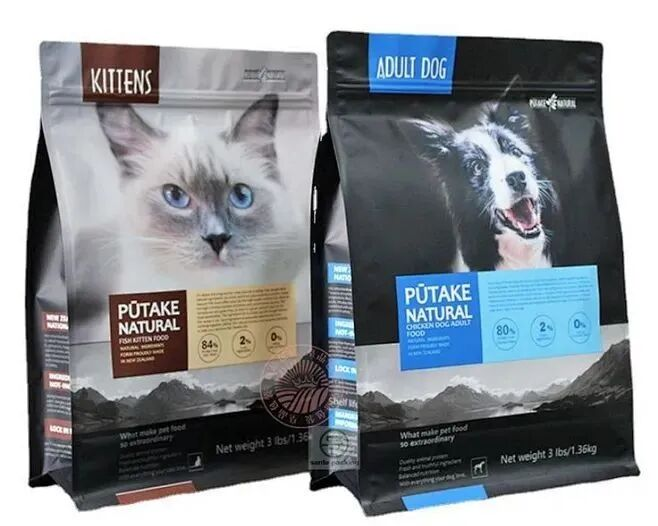
As the most common bag type for pet snacks, it can stand stably, which is conducive to shelf display. Equipped with eight printing panels, it can display product information more comprehensively and help customers understand products at a glance. With a unique appearance, it is not easy to be counterfeited, easy for consumers to identify and helpful for brand building. The flat-bottom eight-side sealed bag has a large capacity and strong load-bearing capacity, suitable for packaging large-weight and large-volume products, and is usually used for large-volume pet snacks.
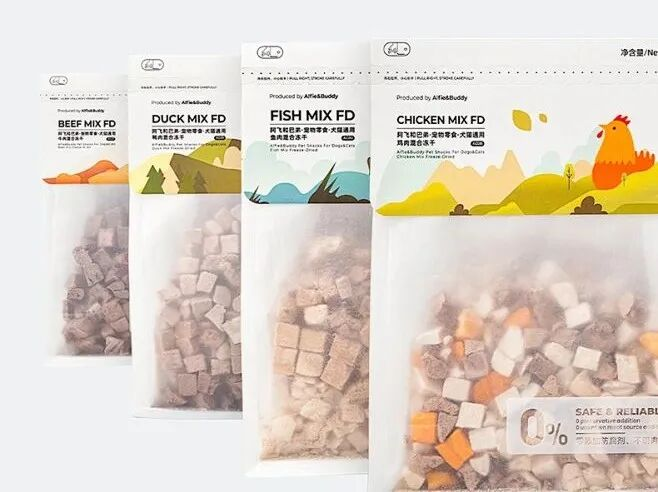
4. Stand-up pouch
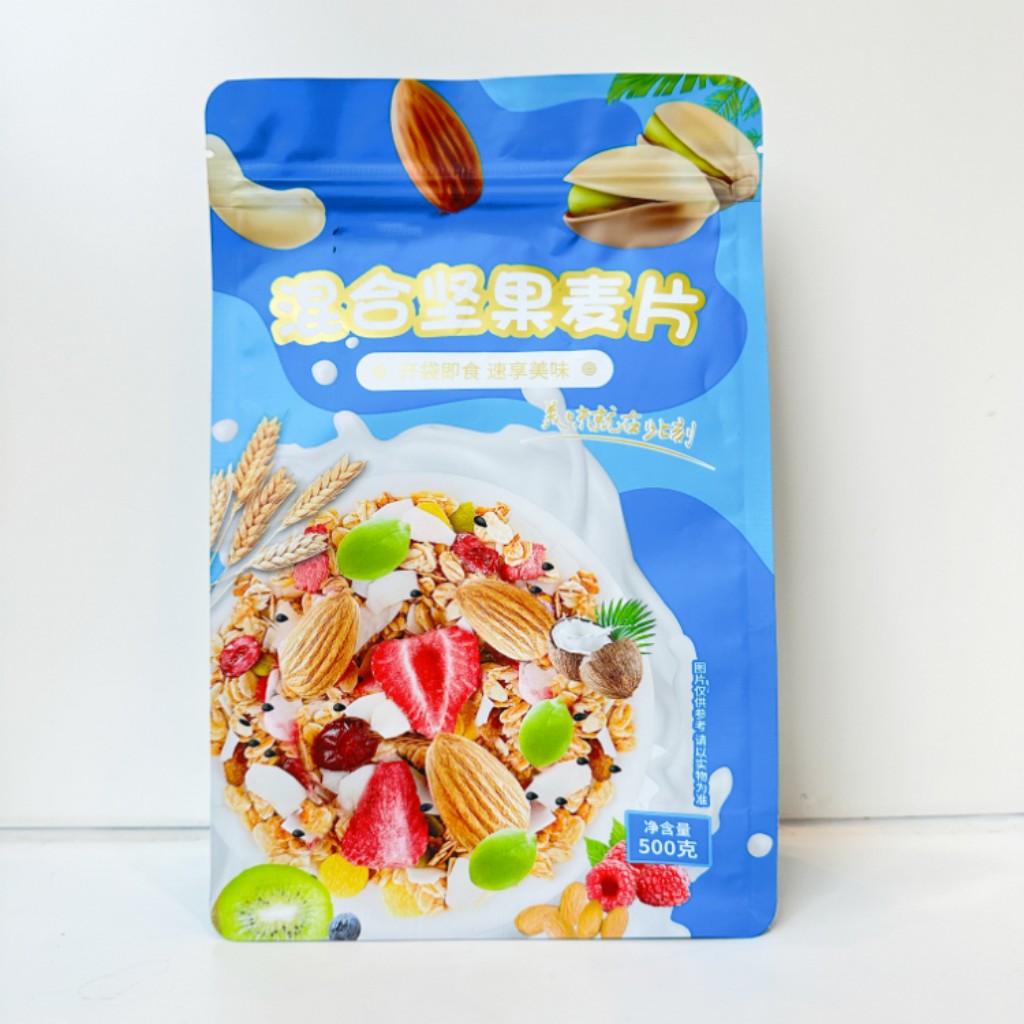
It has excellent sealing performance and the high strength of composite materials, with the advantages of being not easy to break and leak, light in weight, low in material consumption and convenient for transportation. The application of stand-up pouches in pet snack packaging can facilitate shelf display and enhance the attractiveness of products to consumers.
5. Special-shaped bag
Pet snacks are mainly for cats, dogs and other lovely small animals, so the food packaging bags can be designed into cartoon shapes of pets to add fun. This design can arouse consumers' association with their own pets and establish an emotional connection between brands and consumers.
III. Common Specifications & Humanized Design of Pet Food Packaging
1. Main product specifications
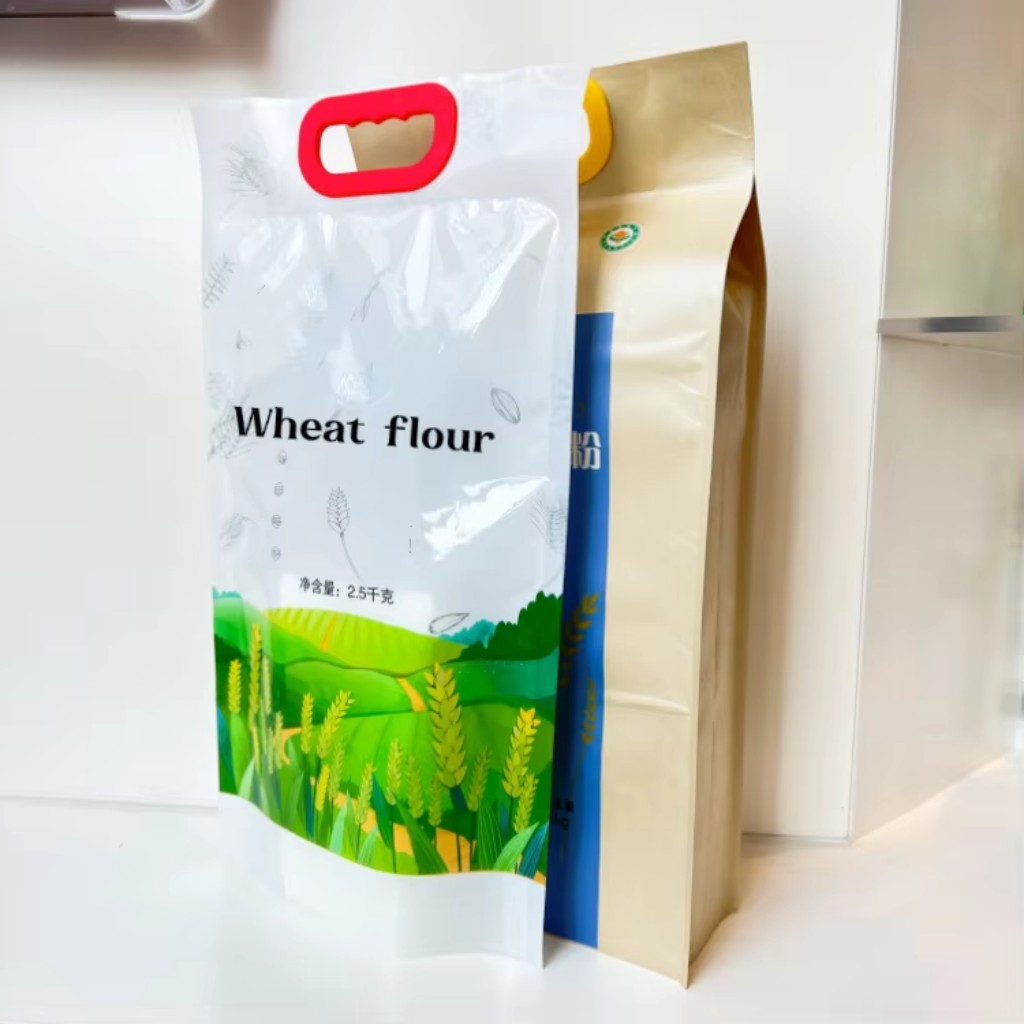
The common specifications of pet food packaging are 500g, 1.5kg, 2.5kg, 5kg, 10kg and other specifications. Small-specification packaging supports immediate consumption after opening, which is safer and healthier, but has a relatively high unit price. Currently, large-specification pet food is more popular in the market due to its higher cost performance.
2. Humanized storage design
A common problem of large-pack cat food is that it is difficult to finish using it in a short time after opening. Improper storage of cat food will easily lead to nutrient loss, deterioration, dampness and other problems. To solve this problem, most pet food packaging bags are equipped with zippers, which support repeated opening and sealing, making the storage of pet food more convenient and hygienic, and effectively extending the fresh-keeping period of food after opening.

Farview International Trade Co., Ltd. Beijing upholds a spirit of continuous improvement and perseverance, integrating traditional packaging technologies with modern green packaging concepts.

 EN
EN