Recently, the National Technical Committee for Standardization of Companion Animals released the 2026 White Paper on China's Pet Industry (Consumption Report). With comprehensive and multi-dimensional data, the report systematically reviews the chang...
Recently, the National Technical Committee for Standardization of Companion Animals released the 2026 White Paper on China's Pet Industry (Consumption Report). With comprehensive and multi-dimensional data, the report systematically reviews the changes in China's pet consumption market in 2025 and provides in-depth insights into the industry's development trends. It reveals that the pet consumption track is showing vigorous potential amid the lifestyle shifts of young people in China.
Data strongly validates this trend: the consumption market scale of urban pets (dogs and cats) hit 312.6 billion RMB in 2025, a 4.1% year-on-year increase from 2024. Among this, the dog consumption market reached 160.6 billion RMB (up 3.2% YoY), and the cat consumption market stood at 152 billion RMB (up 5.2% YoY). It is projected that by 2028, the urban pet (dog and cat) consumption market will further expand to 405 billion RMB, with the dog and cat consumption markets reaching 192.3 billion RMB and 218.4 billion RMB respectively.
Beyond the continuous market expansion, the moves of terminal brands also reflect the unprecedented attention on pet consumption. Recently, leading dairy giants including Yili, Bright Dairy and Mengniu have adjusted their strategic directions, launching a fierce cross-border layout from human dairy products to pet food. This collective cross-border shift is not blind follow-up, but driven by the slowing growth of China's dairy market. The huge market potential of the pet food track has naturally become a new battleground for major brands to compete for layout.
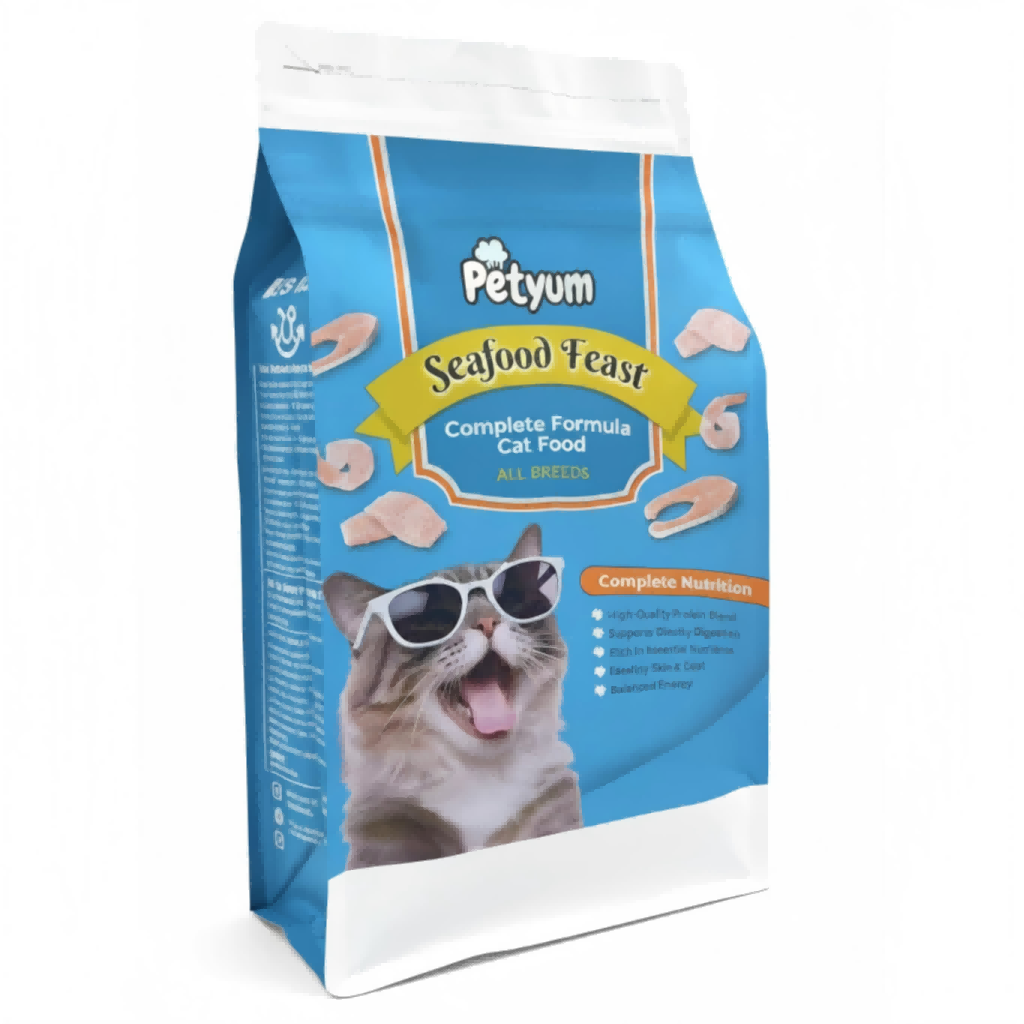
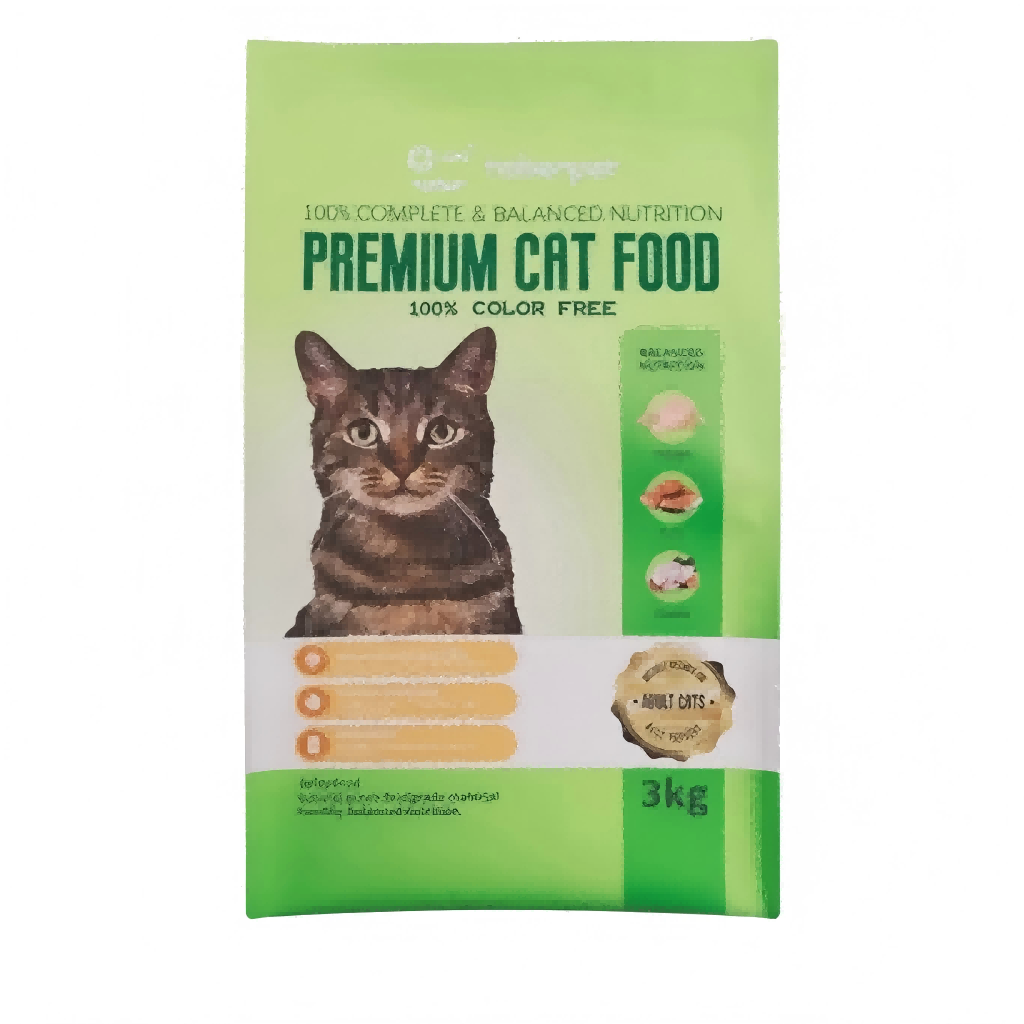
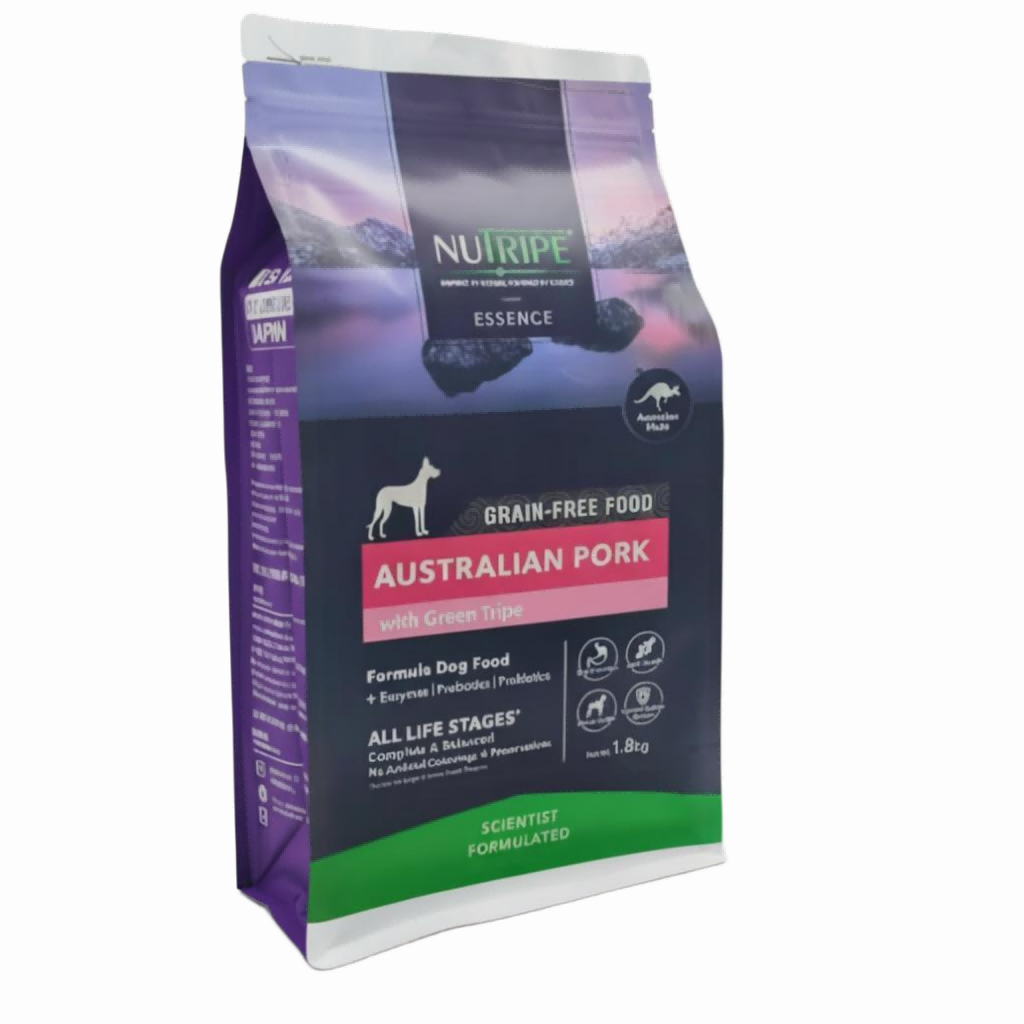
While the track boasts enormous potential, competition is bound to intensify gradually. Moreover, as pet owners pay increasing attention to their pets, brands must further enhance product strength and build differentiated advantages. In this process, packaging is playing an increasingly important role: it is no longer just a simple container, but a vital bridge for communication between brands and consumers. Packaging innovation has gradually become a key variable for the industry to break the bottleneck, especially focusing on three core elements: protective performance, environmental performance and personalization.
Protective Performance: Fresh-keeping & Safety to Build Consumer Trust
Safety is always the top priority of pet food packaging. Pet owners attach great importance to food safety, especially for the mainstream fresh pet food products at present, which are extremely sensitive to the fresh-keeping and sealing performance of packaging. This is directly related to food safety, freshness and nutrient retention, and also a core factor influencing purchasing decisions.
To address this, Freshpet, the leading US fresh pet food brand, has entered into a strategic packaging cooperation with a Chinese packaging enterprise and launched the Supamid® EHA Fresh-keeping Film. This film stands out for its excellent barrier performance: its oxygen transmission rate is less than 2%, far superior to conventional BOPP and BOPET films, and more than 10 times higher than general BOPA films. Its ultra-high oxygen barrier property firmly locks in the original freshness of food, greatly restores the natural flavor, and is thus more popular among pets.
Environmental Performance: Green Recycling to Respond to Sustainable Trends
Against the backdrop of the successive implementation of mandatory global environmental policies, brands must upgrade their packaging to meet regulatory requirements and align with consumers' preference for eco-friendly packaging. Mars provides an industry benchmark with its latest initiative: it has developed recyclable pet food packaging bags for its Whiskas brand. Adopting a new single-material design, this solution is compatible with the existing recycling system, and the carbon footprint has been reduced by 46% after switching to recyclable materials. Traditional mixed-material packaging, which usually contains plastic and aluminum, is difficult to separate and recycle. In contrast, the new single polypropylene material is not only heat-resistant and suitable for high-temperature sterilization, but also easier to recycle, truly realizing a green recycling loop.
Personalized Packaging: Telling the "Family" Story with Design Language
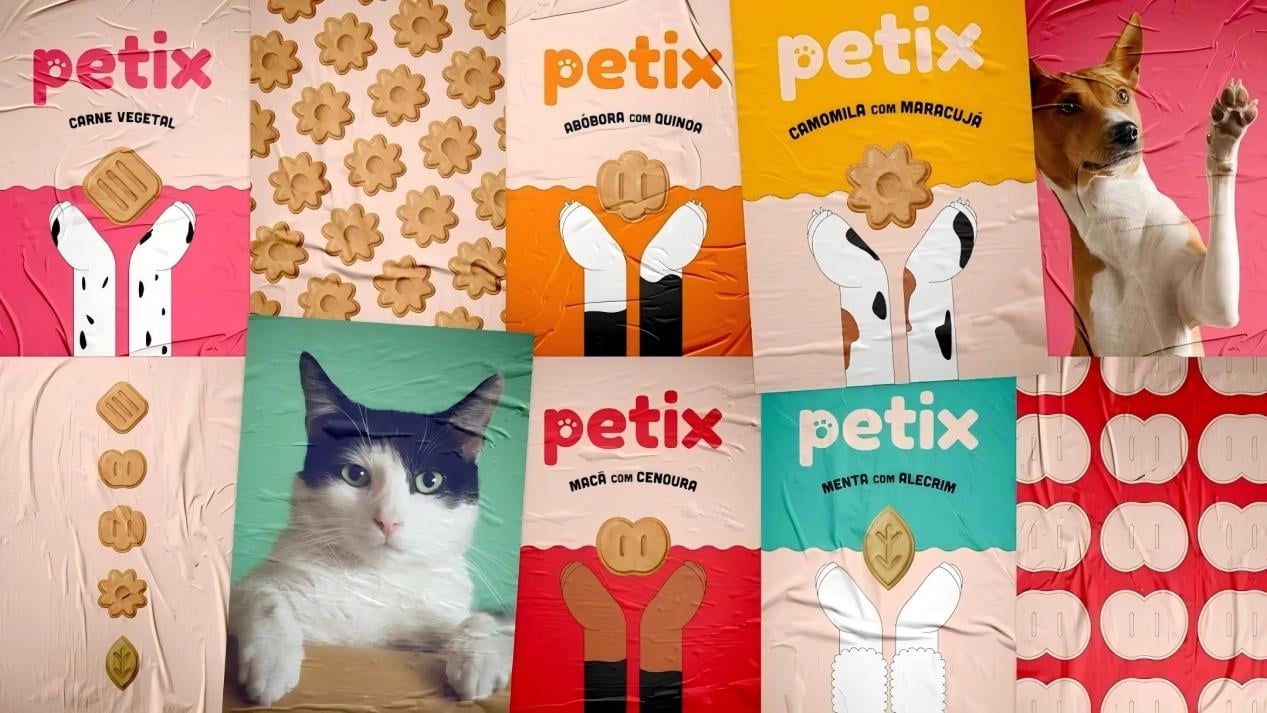
Pets, known as "fur kids" in China, have officially become new members of families. Pet owners now spoil their pets like family members—planning elaborate birthday parties, choosing exclusive toys and recording growth moments. This emotional upgrade has spawned a revolution in packaging design: the traditional one-size-fits-all pet product packaging is being endowed with more human touch.
The Movable Dog Head Box of MOMO Pet Snacks is a textbook case of interactive packaging. This "performative" box contains three surprises: pulling the drawer-type "tongue" mechanism ejects snacks instantly; closing the cover makes the three-dimensional ears fold automatically, changing the dog's expression from the excitement of "dinner time" to the laziness of "bedtime". This design that dramatizes the feeding process brings joy to both pet owners and their pets.
Meanwhile, customized labels are becoming a new bond for emotional connection. From Yili Pet Food's Birthday Exclusive Can to the Physique Customized Bag of emerging brands, consumers can upload their pet's information through mini-programs to obtain exclusive packaging printed with the pet's name, birthday and health suggestions. This personalized service of "one owner, one pet, one packaging" turns each product into a souvenir recording the pet's growth.

Farview International Trade Co., Ltd. Beijing upholds a spirit of continuous improvement and perseverance, integrating traditional packaging technologies with modern green packaging concepts.

 EN
EN