Comprehensive Packaging Needs Solutions: Advanced Protection, Sustainability & Smart Technology

Get a Free Quote

Our representative will contact you soon.
Email
Phone
Name
Company Name
Message
0/1000

packaging needs

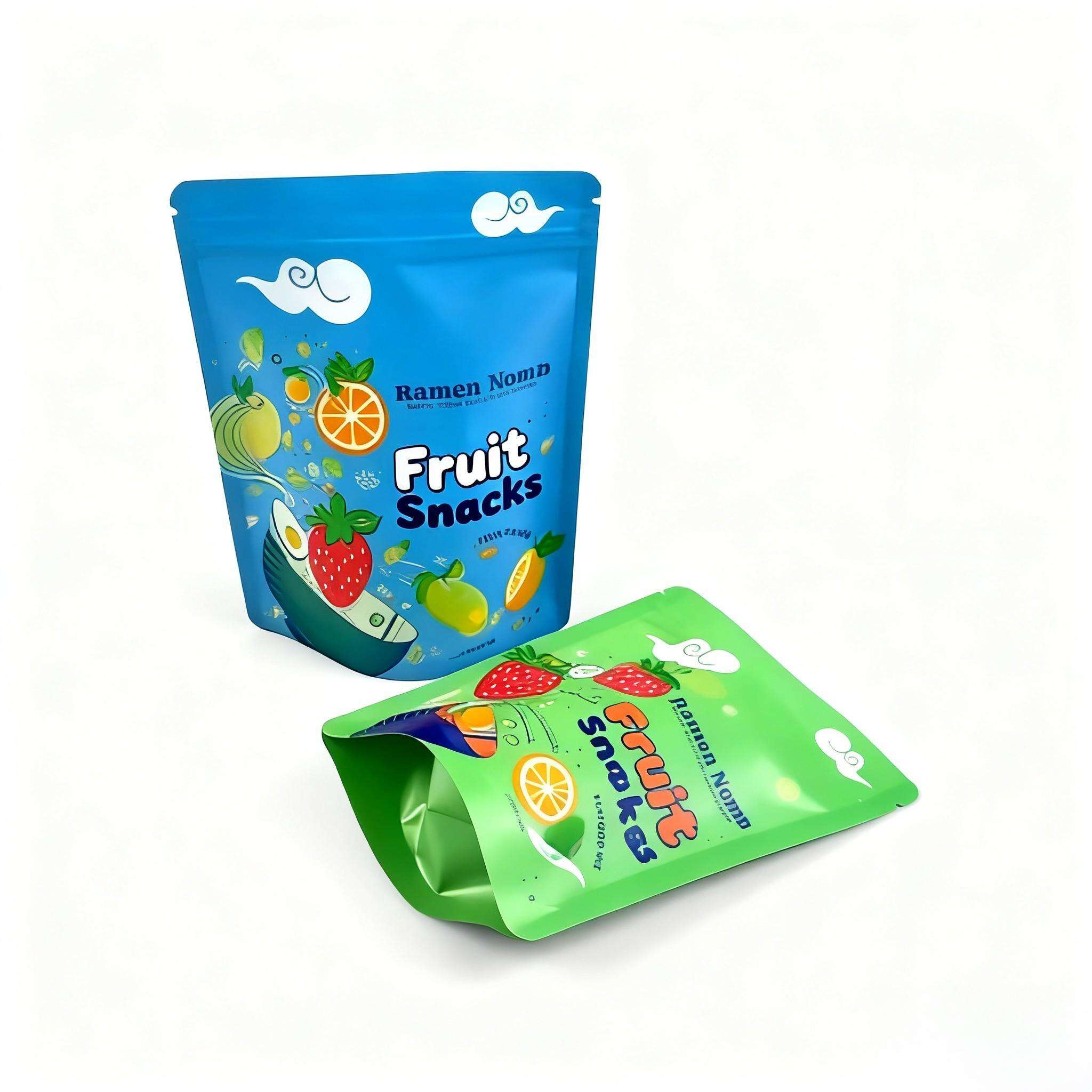
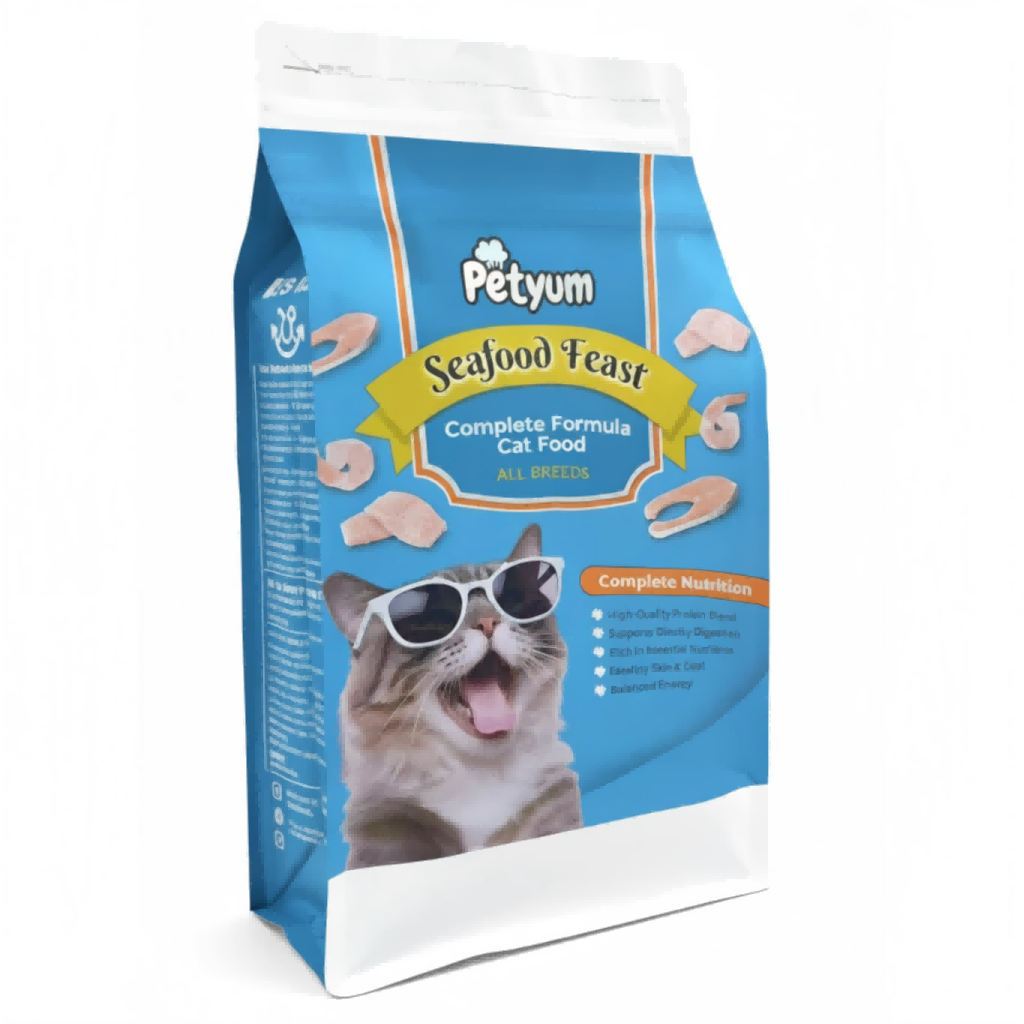
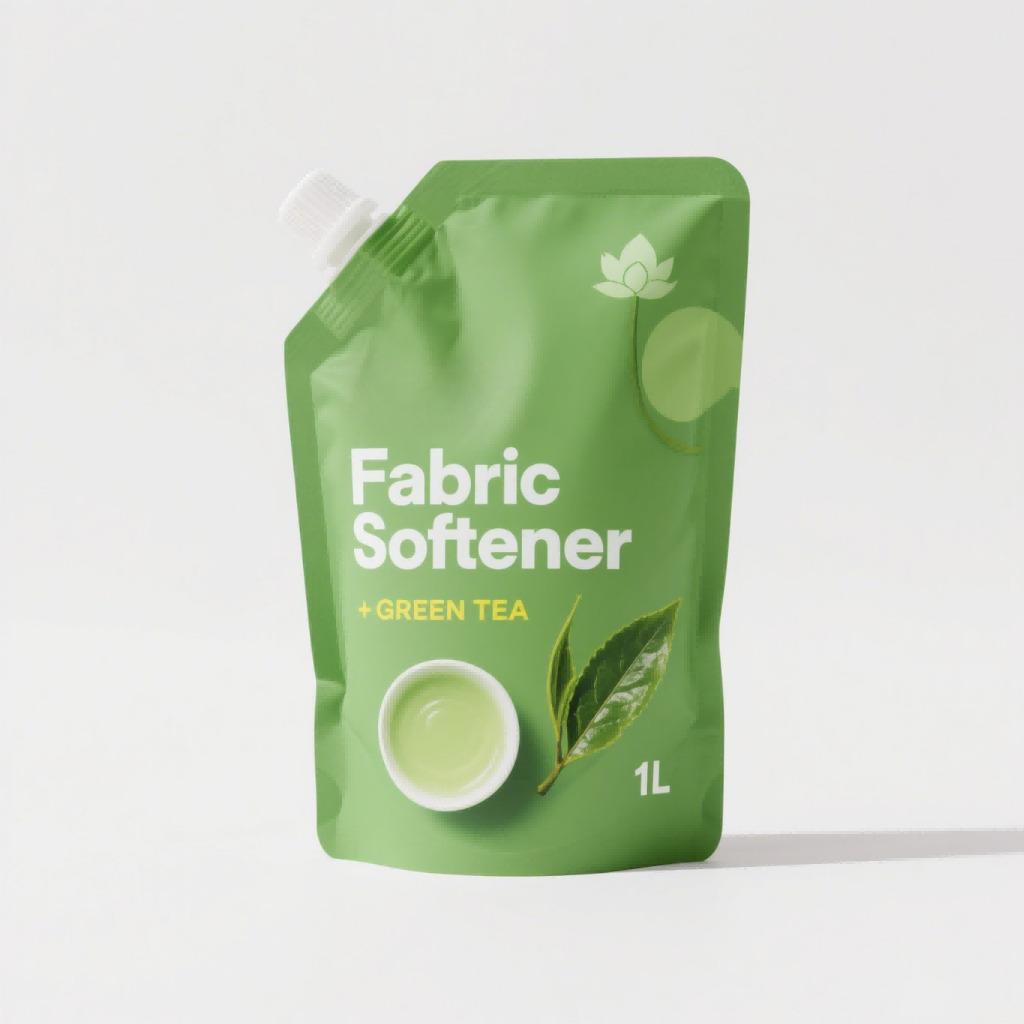
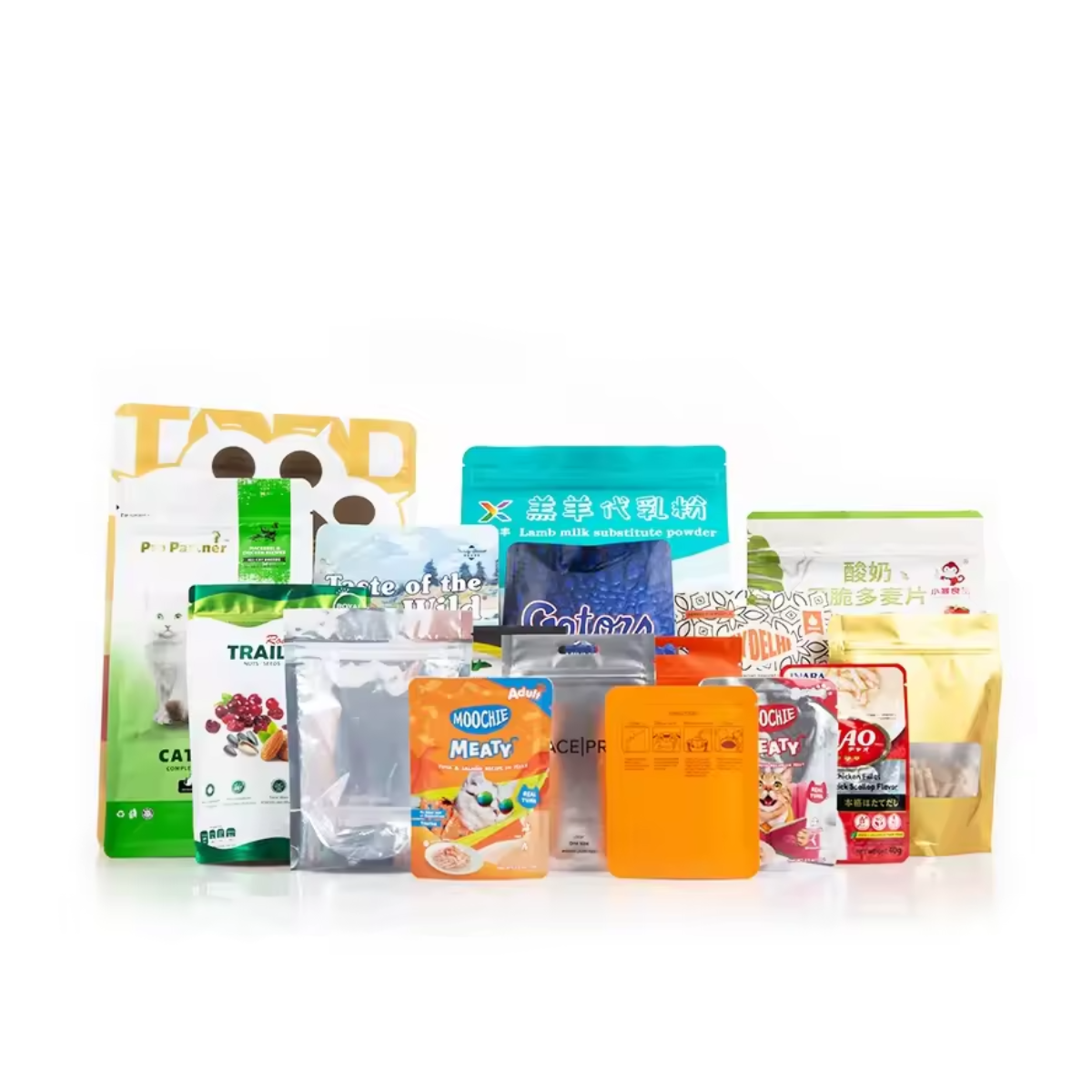
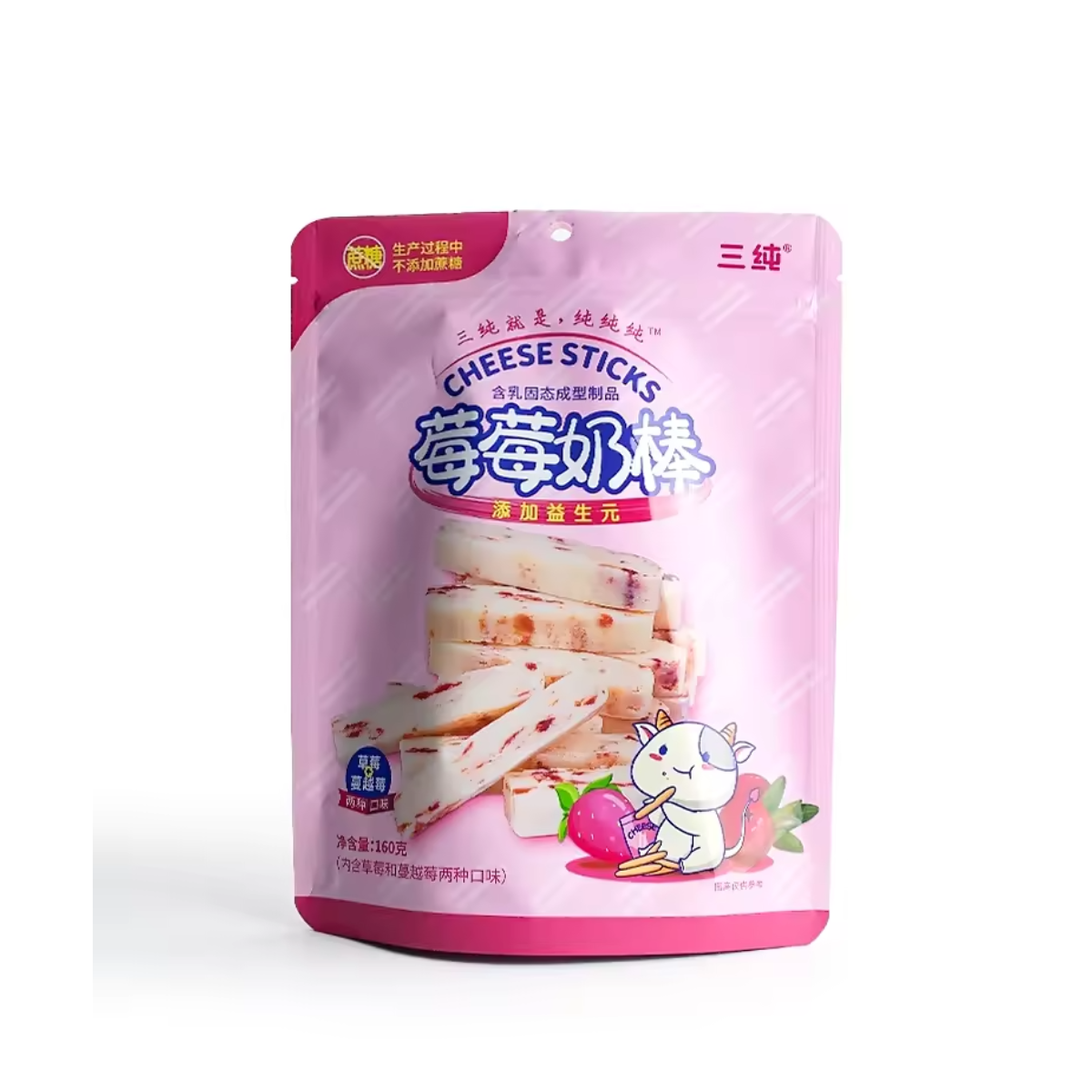
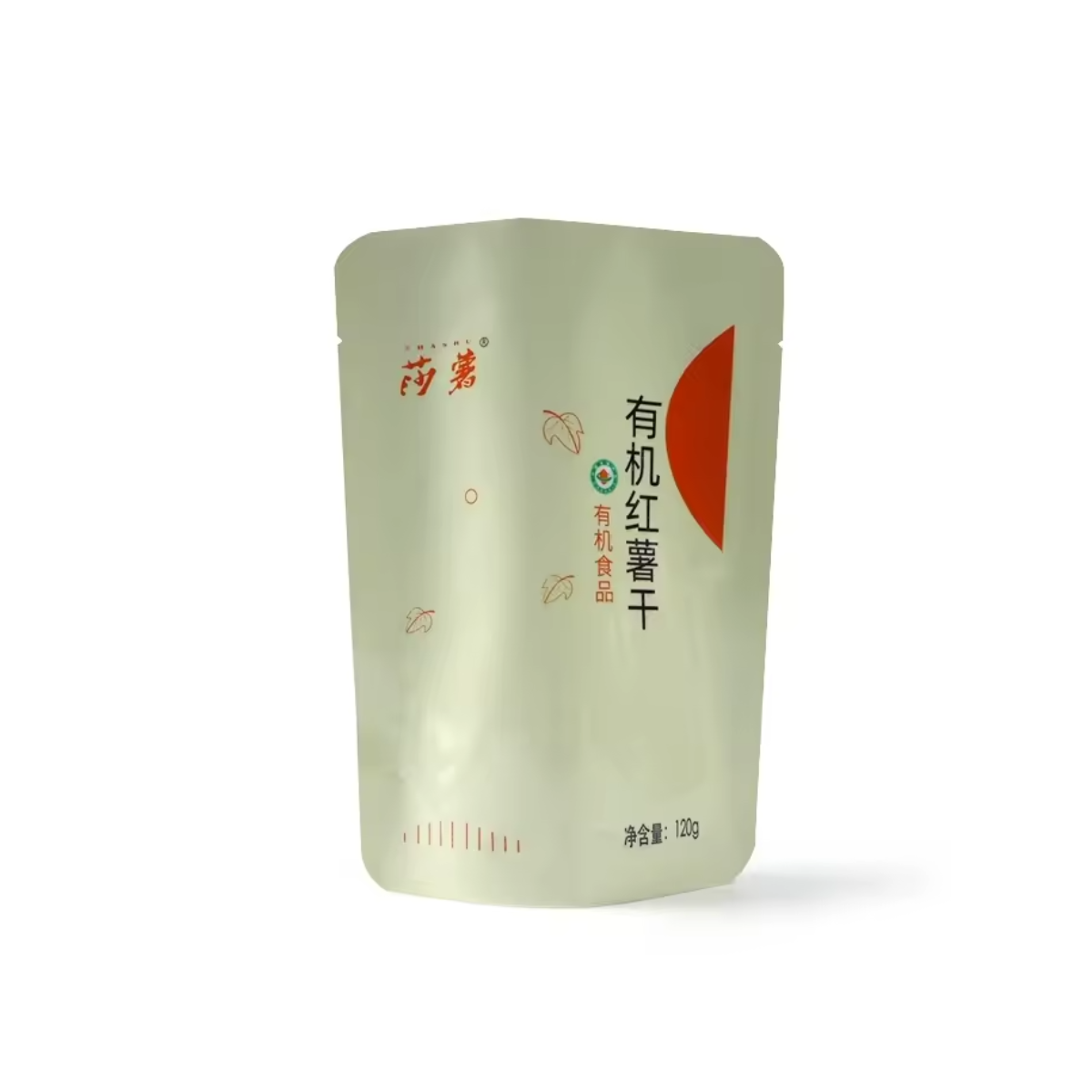
Packaging needs encompass a comprehensive range of requirements essential for protecting, preserving, and presenting products throughout their entire lifecycle. These needs extend far beyond simple containment, serving as the critical bridge between manufacturers and consumers while ensuring product integrity from production facilities to end-user destinations. Modern packaging needs address multiple dimensions including protection against physical damage, contamination prevention, shelf-life extension, regulatory compliance, and brand communication. The technological features of contemporary packaging solutions incorporate advanced materials science, incorporating barrier technologies that shield contents from moisture, oxygen, light, and temperature fluctuations. Smart packaging technologies now integrate sensors, RFID tags, and QR codes to provide real-time monitoring and traceability throughout supply chains. These innovations enable temperature-sensitive products to maintain quality standards while providing valuable data for inventory management and consumer engagement. Packaging needs also encompass sustainability requirements, driving the adoption of recyclable materials, biodegradable options, and reduced material usage without compromising protective functions. Applications span across diverse industries including food and beverage, pharmaceuticals, cosmetics, electronics, automotive components, and consumer goods. Each sector presents unique packaging needs based on product characteristics, regulatory standards, distribution channels, and consumer expectations. Food packaging needs focus on maintaining freshness, preventing spoilage, and ensuring food safety through appropriate barrier properties and tamper-evident features. Pharmaceutical packaging needs prioritize child-resistant closures, moisture protection, and compliance with stringent regulatory requirements. Electronics packaging needs emphasize static protection, shock absorption, and precise dimensional control. The evolution of e-commerce has created new packaging needs centered on shipping durability, unboxing experiences, and return-friendly designs. Modern packaging needs also integrate marketing objectives, utilizing visual appeal, information communication, and brand differentiation to influence purchasing decisions while meeting functional requirements.

Popular Products

The advantages of addressing comprehensive packaging needs deliver substantial value across multiple business dimensions, creating competitive advantages that directly impact profitability and customer satisfaction. Organizations that properly assess and fulfill their packaging needs experience reduced product damage rates, resulting in lower return costs and improved customer retention. Effective packaging solutions minimize waste throughout the supply chain, reducing material costs and disposal expenses while supporting environmental sustainability goals. Companies benefit from enhanced brand recognition when packaging needs align with marketing strategies, creating memorable unboxing experiences that generate positive customer reviews and social media engagement. Proper packaging needs assessment leads to optimized shipping costs through improved space utilization and weight reduction, directly impacting logistics expenses and carbon footprint. Businesses gain regulatory compliance advantages when packaging needs include appropriate labeling, safety features, and material specifications required by governing bodies. This compliance prevents costly recalls, legal issues, and market access restrictions that could severely damage business operations. Technology integration within packaging needs provides valuable data collection opportunities, enabling businesses to track product movement, monitor storage conditions, and gather consumer behavior insights. These analytics drive informed decision-making for inventory management, quality control, and marketing strategies. Addressing packaging needs proactively reduces emergency redesign costs and production delays that often occur when inadequate packaging solutions fail in real-world conditions. Companies experience improved supplier relationships when packaging needs specifications enable better planning, reduced customization requirements, and streamlined procurement processes. Enhanced product preservation through appropriate packaging needs extends shelf life, reduces inventory turnover pressure, and minimizes spoilage-related losses. Businesses achieve greater market expansion opportunities when packaging needs include considerations for different climates, transportation methods, and cultural preferences across diverse geographic regions. Effective packaging needs implementation supports premium positioning strategies, allowing companies to justify higher price points through perceived quality improvements and enhanced customer experiences. The long-term advantages include building customer loyalty, reducing operational costs, improving supply chain efficiency, and creating sustainable competitive advantages that protect market share against competitors who neglect proper packaging needs assessment.

Practical Tips

What Factors Should Businesses Consider When Choosing Plastic Packaging Bags

13

Nov

What Factors Should Businesses Consider When Choosing Plastic Packaging Bags

Essential Considerations for Selecting Industrial Packaging Solutions The selection of plastic packaging bags represents a critical business decision that impacts everything from product protection to brand perception and environmental responsibility...
View More
How to Source High-Quality Plastic Packaging Bags for Food Manufacturing

13

Nov

How to Source High-Quality Plastic Packaging Bags for Food Manufacturing

Mastering Food-Grade Packaging Solutions for Manufacturers In today's competitive food manufacturing landscape, selecting the right plastic packaging bags can make or break your product's success. These essential components not only preserve food qua...
View More
How Does PE Film Contribute to Food Safety and Preservation

13

Nov

How Does PE Film Contribute to Food Safety and Preservation

Understanding the Revolutionary Impact of Polyethylene Films in Food Protection In today's global food industry, ensuring the safety and longevity of food products has become more crucial than ever. PE film has emerged as a groundbreaking solution th...
View More
What Industries Benefit Most from Custom Printed Mylar Bags

13

Nov

What Industries Benefit Most from Custom Printed Mylar Bags

The packaging industry has witnessed a significant transformation in recent years, with businesses across various sectors recognizing the importance of premium, functional packaging solutions. Among the most versatile and effective options available ...
View More

Get a Free Quote

Our representative will contact you soon.
Email
Phone
Name
Company Name
Message
0/1000

packaging needs

Advanced Barrier Protection Technology

Advanced Barrier Protection Technology

Advanced barrier protection technology represents a revolutionary approach to addressing critical packaging needs through sophisticated material engineering and multi-layer construction techniques. This technology creates impermeable barriers that protect products from environmental factors that could compromise quality, safety, and shelf life. The barrier properties are achieved through specialized polymer combinations, metallized films, and ceramic coatings that provide exceptional resistance to moisture transmission, oxygen permeation, and light degradation. These packaging needs solutions utilize nanotechnology to create molecular-level barriers that maintain product integrity while allowing for thinner, more sustainable packaging designs. The technology incorporates selective permeability features that allow desired gas exchange for fresh produce while blocking harmful contaminants and odors. Advanced barrier protection addresses packaging needs across temperature ranges, maintaining effectiveness from frozen storage conditions to high-heat sterilization processes. The multi-functional approach combines barrier properties with mechanical strength, ensuring packages withstand distribution stresses while protecting contents. Smart barrier technologies now include color-changing indicators that signal when barrier integrity has been compromised, addressing packaging needs for quality assurance and consumer safety. These innovations reduce food waste by extending freshness periods, supporting sustainability goals while meeting commercial packaging needs. The technology enables portion control packaging that maintains product quality in smaller quantities, addressing changing consumer preferences and reducing household waste. Pharmaceutical applications benefit from moisture-sensitive barrier properties that protect active ingredients from degradation, ensuring medication efficacy throughout shelf life. Electronics packaging utilizes conductive barrier layers that provide static protection while maintaining product visibility for retail display. The versatility of advanced barrier protection technology allows customization for specific packaging needs, from flexible pouches to rigid containers, without compromising protective performance. Cost-effectiveness emerges through reduced product losses, extended distribution capabilities, and enhanced brand reputation resulting from consistent product quality delivery.
Sustainable Material Innovation

Sustainable Material Innovation

Sustainable material innovation revolutionizes traditional packaging needs by developing environmentally responsible solutions that maintain superior protective performance while minimizing ecological impact. These innovations address growing consumer demands for sustainable practices and corporate environmental responsibility commitments. Bio-based materials derived from renewable resources such as plant starches, cellulose fibers, and agricultural waste create packaging solutions that biodegrade naturally without leaving harmful residues. Advanced recycling technologies enable post-consumer materials to be transformed into high-quality packaging that meets stringent performance standards for various applications. Compostable packaging materials break down in commercial composting facilities, addressing packaging needs while supporting circular economy principles. Ocean plastic recovery programs convert marine waste into functional packaging materials, simultaneously addressing environmental cleanup and packaging needs. Reduced material usage innovations maintain protective capabilities while using significantly less raw material, reducing transportation costs and environmental footprint. Water-based coatings replace solvent-based alternatives, eliminating volatile organic compound emissions while providing necessary barrier properties for sensitive products. Mono-material designs enable complete recyclability by eliminating mixed-material constructions that complicate waste processing. Plant-based inks and adhesives complete the sustainability profile, ensuring every component addresses environmental packaging needs. Cradle-to-cradle design principles guide material selection to ensure packaging components become nutrients for biological or technical cycles after use. Life cycle assessments quantify environmental benefits, providing transparent data for sustainability reporting and consumer communication. Sustainable material innovation reduces carbon footprint through local sourcing opportunities and renewable energy integration in manufacturing processes. The economic advantages include regulatory compliance benefits, consumer preference alignment, and potential cost savings through efficient material usage. Supply chain partners increasingly prioritize sustainable packaging needs, making innovation essential for maintaining competitive relationships. These materials often provide enhanced functionality such as improved compostability timelines, better barrier properties, and superior printability compared to traditional alternatives.
Smart Integration and Connectivity Features

Smart Integration and Connectivity Features

Smart integration and connectivity features transform traditional packaging needs into intelligent systems that provide real-time monitoring, consumer engagement, and supply chain optimization capabilities. These technological advancements embed sensors, processors, and communication devices directly into packaging structures, creating connected products that deliver valuable data throughout their lifecycle. Temperature monitoring systems continuously track thermal conditions, automatically alerting stakeholders when products experience temperature excursions that could compromise quality or safety. RFID technology enables automated inventory tracking, reducing manual labor costs while providing accurate stock level information for efficient supply chain management. Near Field Communication chips allow consumers to access detailed product information, authenticity verification, and interactive content through smartphone applications. QR code integration provides dynamic linking capabilities, enabling manufacturers to update product information, recall notices, and promotional content without reprinting packaging materials. Freshness indicators utilize color-changing chemistry to visually communicate product quality status, helping consumers make informed purchasing decisions while reducing food waste. Tamper-evident smart seals detect unauthorized access attempts, providing security for high-value products and pharmaceuticals while maintaining consumer confidence. GPS tracking capabilities enable precise location monitoring throughout distribution networks, supporting cold chain compliance and theft prevention efforts. Blockchain integration creates immutable product history records, supporting traceability requirements and authenticity verification for premium products. Machine learning algorithms analyze sensor data to predict optimal consumption timing, shelf life remaining, and storage recommendations personalized for individual products. Interactive packaging experiences engage consumers through augmented reality features, gamification elements, and personalized content delivery that strengthens brand relationships. Predictive analytics utilize aggregated data from smart packaging to optimize production planning, distribution routes, and inventory management strategies. Energy harvesting technologies power smart features through ambient light, temperature differentials, or mechanical energy from handling, eliminating battery requirements and extending operational life. Integration with Internet of Things platforms enables comprehensive data collection and analysis, supporting continuous improvement initiatives and predictive maintenance programs for packaging needs optimization.
Comprehensive Packaging Needs Solutions: Advanced Protection, Sustainability & Smart Technology

Get a Free Quote

Our representative will contact you soon.
Email
Phone
Name
Company Name
Message
0/1000