EN
EN

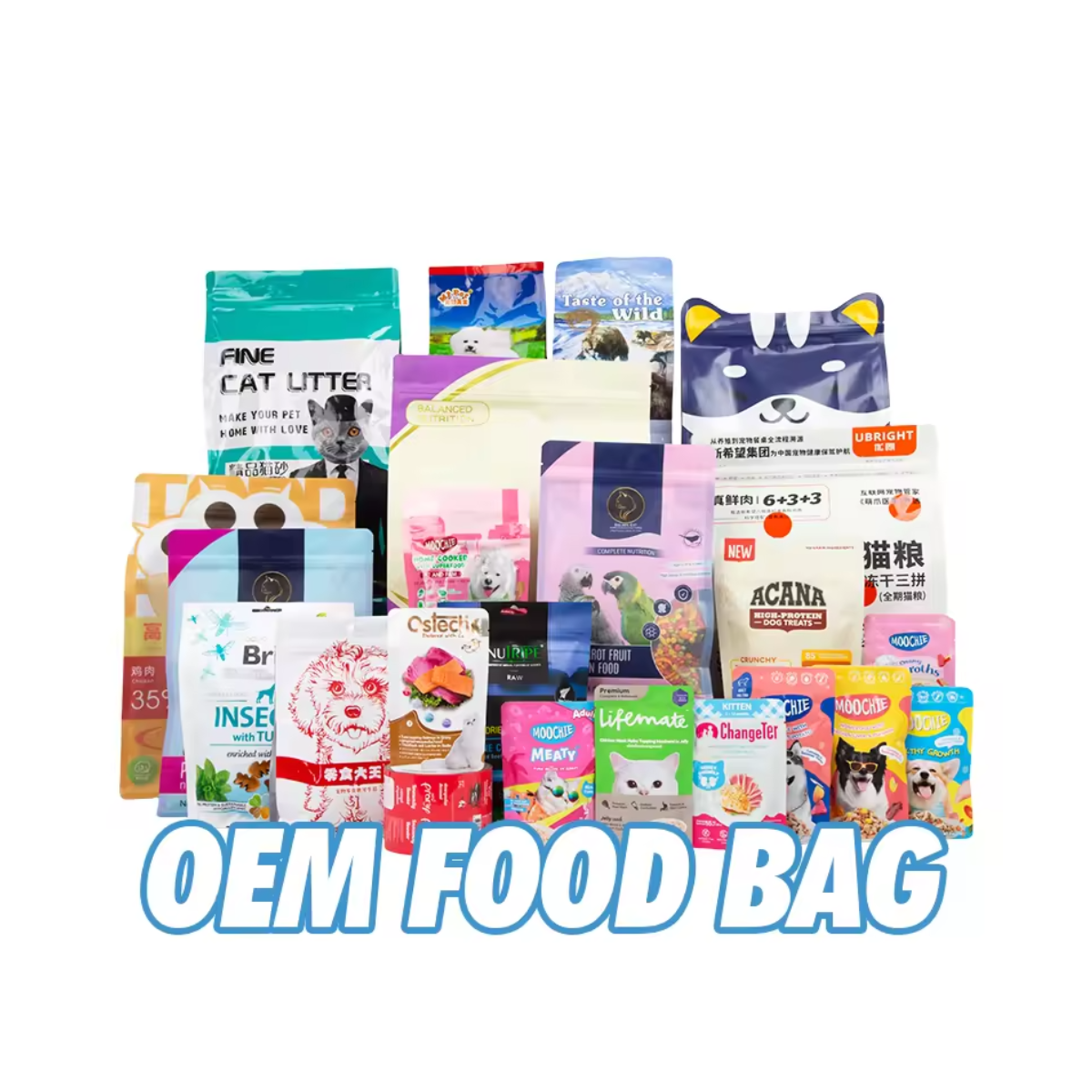
Large-scale manufacturing and distribution operations face critical packaging decisions that directly impact product quality, operational efficiency, and bottom-line profitability. When handling thousands or millions of units daily, the choice of aluminum foil packaging bags becomes a strategic business decision rather than a simple procurement task. The wrong packaging selection can lead to product spoilage, increased waste, compliance issues, and ultimately compromised customer satisfaction across entire supply chains.
The complexity of selecting appropriate aluminum foil packaging bags intensifies at scale because factors like material consistency, supplier reliability, automation compatibility, and cost optimization become magnified across massive production volumes. Understanding the specific requirements of large-scale operations enables procurement teams to make informed decisions that support both immediate operational needs and long-term business growth objectives.
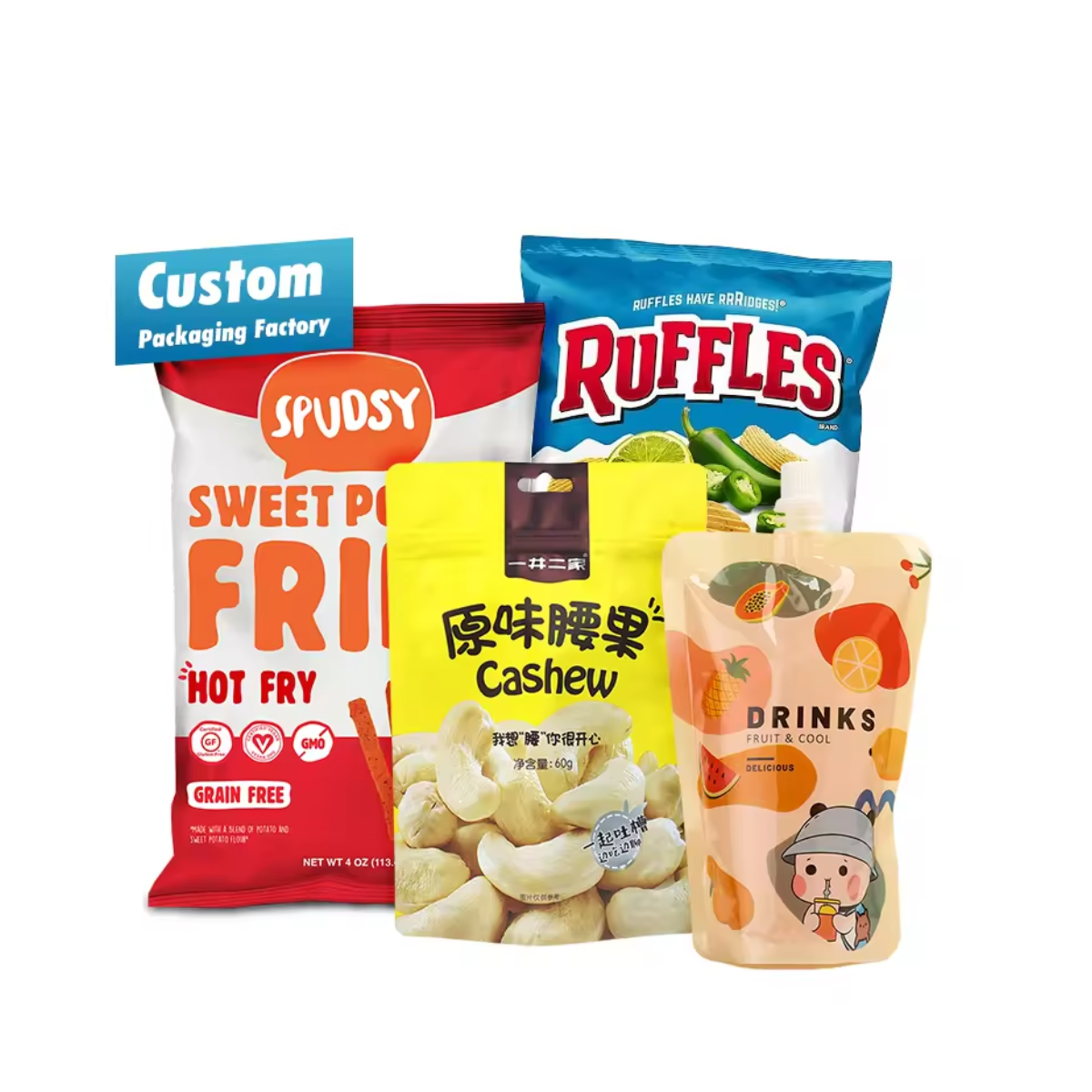
Understanding Large-Scale Packaging Requirements
Volume Consistency and Quality Standards
Large-scale operations require aluminum foil packaging bags that maintain consistent quality across every production batch. Manufacturing facilities processing thousands of units per hour cannot afford variations in bag thickness, seal strength, or barrier properties that could compromise product integrity. Quality consistency becomes particularly crucial when packaging sensitive products like pharmaceuticals, electronics, or specialty foods that require precise environmental protection.
The challenge extends beyond individual bag performance to encompass batch-to-batch reliability. When sourcing aluminum foil packaging bags for large-scale operations, procurement teams must establish quality control protocols that ensure each delivery meets identical specifications. This includes standardized thickness measurements, consistent lamination quality, and uniform barrier performance that protects products throughout extended supply chain journeys.
Automation Integration Requirements
Modern large-scale operations rely heavily on automated packaging systems that demand specific bag characteristics for optimal performance. Aluminum foil packaging bags must demonstrate consistent opening force, precise dimensional tolerance, and reliable feeding properties through high-speed packaging equipment. Bags that exhibit even minor variations in these characteristics can cause production line slowdowns, jamming, or rejection rates that significantly impact operational efficiency.
The integration requirements extend to heat sealing compatibility with automated systems. Large-scale operations typically use continuous sealing equipment that requires aluminum foil packaging bags with consistent heat seal initiation temperatures and reliable seal strength development. Inconsistent sealing performance can result in package failures during transportation or storage, creating costly product recalls and customer satisfaction issues.
Supply Chain Scalability Factors
Large-scale operations must consider supply chain scalability when selecting aluminum foil packaging bags suppliers. The chosen supplier must demonstrate capacity to handle substantial order volumes, maintain consistent delivery schedules, and provide reliable inventory management support. Supply chain disruptions that might be manageable for smaller operations can create severe operational challenges when multiplied across large-scale production requirements.
Geographic distribution capabilities become particularly important for multi-location operations. Suppliers of aluminum foil packaging bags must possess logistics networks capable of delivering consistent products to multiple facilities while maintaining quality standards and delivery schedules. This requires robust quality control systems and distribution infrastructure that can support complex operational requirements.
Material Selection Criteria for High-Volume Applications
Barrier Performance Specifications
The barrier properties of aluminum foil packaging bags directly determine product shelf life and quality maintenance in large-scale distribution networks. High-volume operations must evaluate oxygen transmission rates, water vapor transmission rates, and light barrier effectiveness based on specific product requirements and expected storage conditions. Products with extended distribution timelines require aluminum foil packaging bags with superior barrier performance to maintain quality throughout the supply chain.
Temperature stability represents another critical barrier performance factor for large-scale operations. Aluminum foil packaging bags must maintain their protective properties across varying storage and transportation conditions, from warehouse environments to retail displays. The laminate structure and adhesive systems used in bag construction must demonstrate consistent performance across temperature ranges typical of industrial supply chains.
Mechanical Strength and Durability
Large-scale operations subject packaging to more rigorous handling conditions than smaller operations, requiring aluminum foil packaging bags with enhanced mechanical strength. Bags must withstand automated filling processes, conveyor transportation, stacking forces, and distribution handling without compromising seal integrity or barrier performance. Puncture resistance becomes particularly important when packaging products with sharp edges or irregular shapes.
Fatigue resistance represents a unique consideration for aluminum foil packaging bags used in high-volume applications. Repeated flexing during automated handling and transportation can cause fatigue failures in laminate structures, leading to barrier property degradation or seal failures. Selecting bags with appropriate fatigue resistance ensures consistent performance throughout extended supply chains.
Chemical Compatibility Considerations
Product-packaging interactions become magnified in large-scale operations where extended storage periods and varying environmental conditions can accelerate chemical reactions. Aluminum foil packaging bags must demonstrate compatibility with specific product chemistries to prevent migration, flavor transfer, or material degradation over time. This requirement becomes particularly critical for food products, pharmaceuticals, and chemical applications.
Regulatory compliance adds another layer of complexity to chemical compatibility requirements. Large-scale operations often serve multiple markets with different regulatory standards, requiring aluminum foil packaging bags that meet the most stringent applicable requirements. This includes compliance with food contact regulations, pharmaceutical packaging standards, and environmental regulations across different jurisdictions.
Operational Efficiency Optimization
Production Line Integration
Successful integration of aluminum foil packaging bags into large-scale production lines requires careful consideration of equipment compatibility and operational workflow. Bag design features such as perforation quality, opening force consistency, and dimensional accuracy directly impact production line efficiency. Poorly designed bags can create bottlenecks that reduce overall throughput and increase labor requirements for troubleshooting and maintenance.
The timing of packaging operations becomes critical in high-volume environments where production schedules operate with minimal buffer time. Aluminum foil packaging bags must demonstrate consistent performance characteristics that support predictable packaging cycle times. Variations in sealing requirements, filling characteristics, or handling properties can disrupt carefully orchestrated production schedules.
Quality Control Integration
Large-scale operations require quality control systems that can efficiently monitor aluminum foil packaging bags performance without disrupting production flow. This includes establishing testing protocols for incoming material inspection, in-process quality monitoring, and finished package verification. The selected bags must support automated quality control methods such as leak detection, seal strength testing, and barrier property verification.
Traceability requirements become increasingly complex in large-scale operations where product recalls or quality issues can affect massive quantities of finished goods. Aluminum foil packaging bags suppliers must provide robust lot tracking systems that enable rapid identification and isolation of potentially affected products. This requires comprehensive documentation systems and clear batch identification protocols.
Waste Management and Sustainability
Large-scale operations generate substantial quantities of packaging waste that require effective management strategies. The selection of aluminum foil packaging bags should consider disposal characteristics, recycling compatibility, and overall environmental impact across the product lifecycle. Operations with sustainability commitments must evaluate packaging options that support waste reduction goals while maintaining product protection requirements.
Material efficiency becomes particularly important at scale where small improvements in packaging material usage can generate significant cost savings and environmental benefits. Aluminum foil packaging bags that optimize material thickness while maintaining performance requirements can reduce both raw material costs and waste generation across large production volumes.
Cost Management and Supplier Relationships
Total Cost of Ownership Analysis
Large-scale operations must evaluate aluminum foil packaging bags based on total cost of ownership rather than simple unit pricing. This includes considering factors such as yield rates, quality-related losses, storage requirements, and handling efficiency impacts. Bags that appear cost-effective based on unit pricing may generate higher total costs when quality issues or operational inefficiencies are considered.
The analysis should include evaluation of indirect costs such as quality control requirements, inventory carrying costs, and potential recall expenses. Premium aluminum foil packaging bags that reduce quality-related risks may justify higher unit costs through reduced total cost of ownership. This analysis becomes particularly important for products with high value or strict quality requirements.
Supplier Relationship Management
Long-term supplier relationships become crucial for large-scale operations requiring consistent supply of aluminum foil packaging bags. Suppliers must demonstrate capacity for continuous improvement, technical support, and collaborative problem-solving capabilities. The relationship should extend beyond basic procurement to include joint development of packaging solutions that support operational optimization.
Risk management requires diversification strategies that balance supply security with relationship depth. Large-scale operations must consider backup supplier capabilities while maintaining primary supplier relationships that support innovation and continuous improvement. This includes evaluating supplier financial stability, production capacity, and geographic distribution capabilities.
Contract Negotiation Strategies
Contract structures for aluminum foil packaging bags in large-scale operations should address volume commitments, quality standards, and performance guarantees. Long-term agreements can provide cost stability and supply security while enabling suppliers to invest in capacity and capability improvements. Contract terms should include provisions for technology upgrades, performance monitoring, and continuous improvement initiatives.
Quality assurance clauses become particularly important in large-scale contracts where quality issues can have substantial financial impacts. Contracts should clearly define quality standards, testing protocols, and remediation procedures for quality-related issues. This includes establishing clear responsibility for quality-related costs and product recall expenses.
FAQ
What are the key differences between aluminum foil packaging bags for large-scale versus small-scale operations?
Large-scale operations require aluminum foil packaging bags with superior consistency, automation compatibility, and supply chain scalability. While small operations can tolerate minor variations in bag performance, large-scale operations need consistent quality across every batch, reliable automation integration, and suppliers capable of handling substantial volume requirements with consistent delivery schedules.
How do I evaluate supplier reliability for large-volume aluminum foil packaging bags procurement?
Evaluate suppliers based on production capacity, quality management systems, financial stability, and geographic distribution capabilities. Request detailed information about their largest customers, quality control processes, and capacity utilization. Conduct facility audits to assess their ability to handle your volume requirements while maintaining quality standards and delivery commitments.
What quality control measures are essential for large-scale aluminum foil packaging bags operations?
Implement incoming material inspection protocols, in-process quality monitoring, and finished package verification systems. Establish testing procedures for barrier properties, seal strength, and dimensional accuracy. Develop traceability systems that enable rapid identification of quality issues and implement corrective action procedures that minimize disruption to production operations.
How can large-scale operations optimize costs while maintaining aluminum foil packaging bags quality?
Focus on total cost of ownership analysis rather than unit pricing alone. Consider factors such as yield rates, quality-related losses, and operational efficiency impacts. Develop long-term supplier relationships that enable collaborative cost reduction initiatives while maintaining quality standards. Implement continuous improvement programs that identify opportunities for material optimization and process enhancement.
Table of Contents
- Understanding Large-Scale Packaging Requirements
- Material Selection Criteria for High-Volume Applications
- Operational Efficiency Optimization
- Cost Management and Supplier Relationships
-
FAQ
- What are the key differences between aluminum foil packaging bags for large-scale versus small-scale operations?
- How do I evaluate supplier reliability for large-volume aluminum foil packaging bags procurement?
- What quality control measures are essential for large-scale aluminum foil packaging bags operations?
- How can large-scale operations optimize costs while maintaining aluminum foil packaging bags quality?