EN
EN

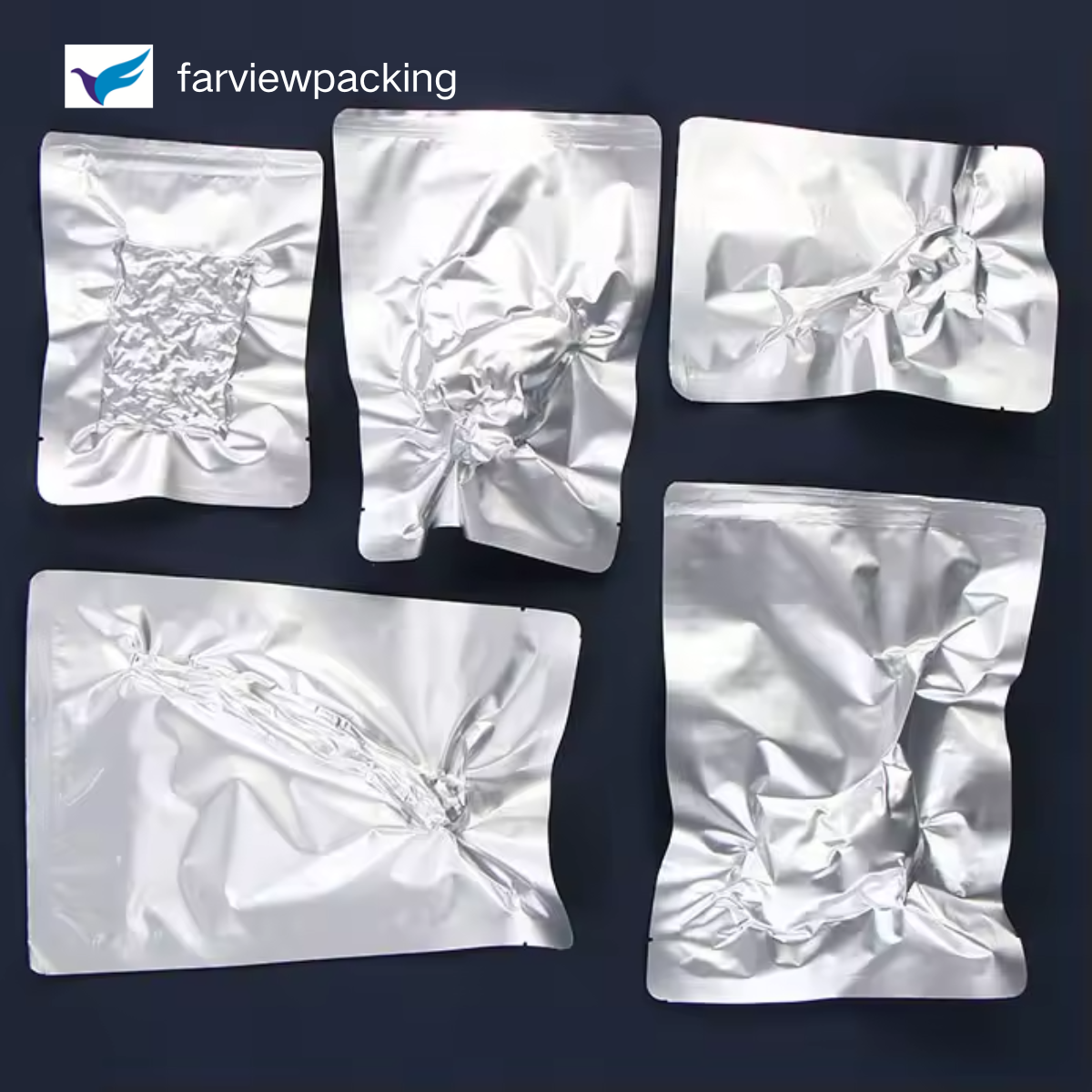
For food manufacturers, wholesalers, catering companies, and food distributors, packaging quality directly affects product protection, storage efficiency, and customer satisfaction. When food is purchased, processed, and stored in bulk, ordinary plastic bags may not provide enough protection against air exposure, moisture, leakage, or handling damage. Vacuum packaging bags offer a practical solution for many food applications, but choosing the right product requires careful evaluation.
A reliable vacuum packaging bag should match the food type, storage temperature, packing equipment, transportation conditions, and market requirements. The cheapest option is not always the most cost-effective choice. A bag that fails during sealing, freezing, or transportation can create product waste and increase operating costs.
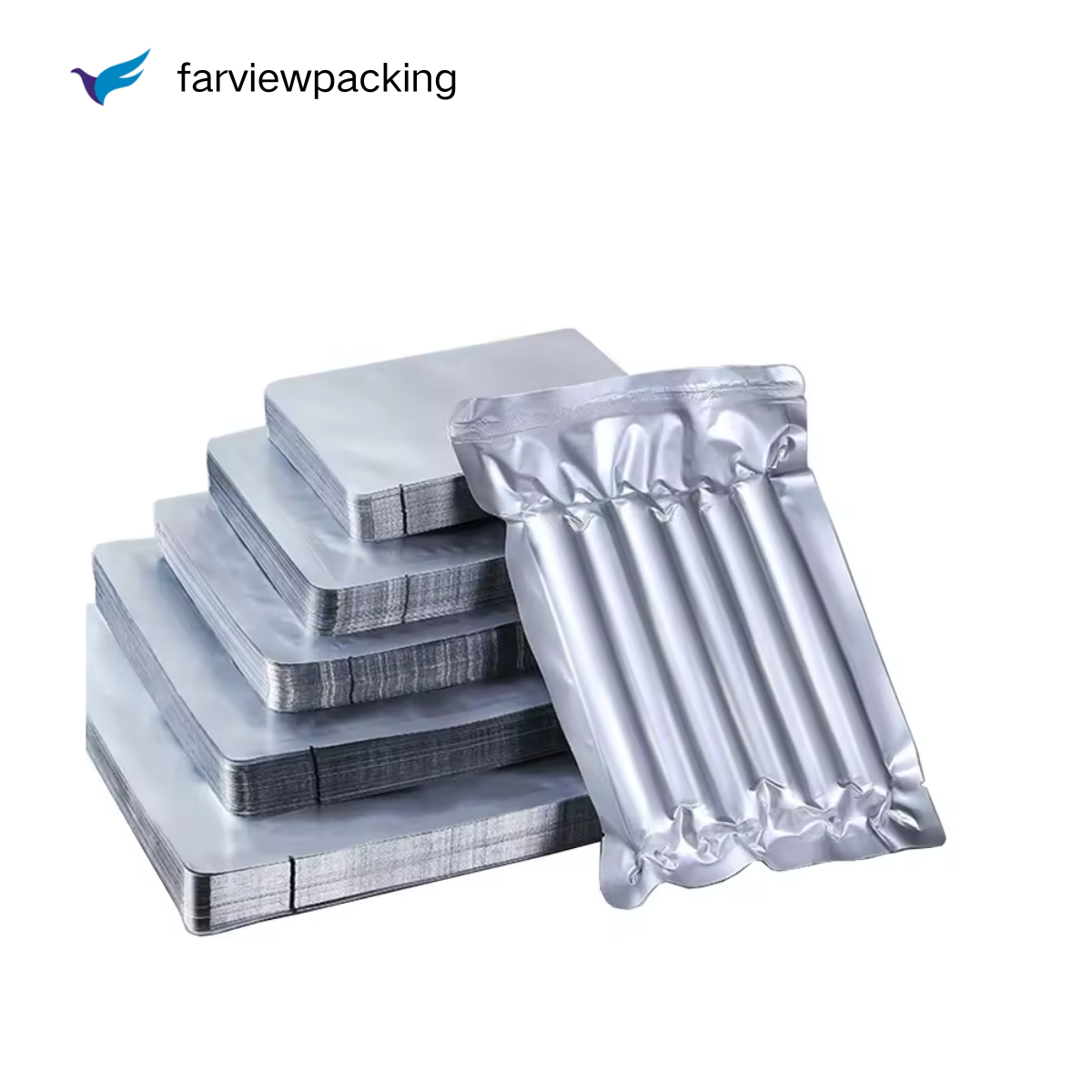
1. Identify Your Food Storage Requirements
Before selecting a vacuum packaging bag, businesses should first understand the characteristics of the food being packed. Different products require different levels of strength, flexibility, and barrier protection.
Fresh Meat
Fresh meat may contain bones, sharp edges, or liquid. Packaging must therefore provide strong puncture resistance and reliable sealing performance. For large meat cuts, the bag should be flexible enough to fit closely around the product while maintaining a secure seal.
Seafood
Seafood often contains moisture and may be stored or transported under frozen conditions. The packaging should resist leakage and remain flexible at low temperatures. For products such as fish, shrimp, crab, or shellfish, buyers should pay particular attention to puncture resistance.
Cheese and Processed Food
Cheese, cooked meat, and processed food may be sensitive to oxygen and odor transfer. A suitable vacuum bag can help protect product quality and maintain a clean appearance during storage.
Coffee, Nuts, and Dry Foods
Dry foods may require protection against oxygen, moisture, and aroma loss. Depending on the product and storage period, a higher-barrier structure may be necessary.
The supplier should always be informed about the food type, moisture level, storage temperature, and expected shelf-life target before recommending a material structure.
2. Select the Correct Film Structure
Vacuum packaging bags are commonly made from multilayer films. Each layer contributes different performance characteristics, such as strength, flexibility, sealing ability, or barrier protection.
Common structures may include combinations of polyamide, polyethylene, polyester, and other food-contact materials. Polyamide can contribute to puncture resistance and mechanical strength, while polyethylene is frequently used as the heat-sealing layer.
The correct structure depends on the application. For example:
- Soft food products may require flexibility and clarity.
- Bone-in meat may require stronger puncture resistance.
- Frozen food may require low-temperature flexibility.
- Aroma-sensitive food may require improved barrier properties.
- High-speed packing lines may require stable sealing performance.
When evaluating a supplier, buyers should request the complete film structure instead of accepting a general description such as “high-quality plastic.” The specification should identify the material layers, total thickness, sealing layer, and recommended application.
3. Choose the Appropriate Bag Thickness
Thickness is an important factor in vacuum packaging, but the thickest bag is not always the best option. Excessive thickness may increase material costs and reduce flexibility, while insufficient thickness may lead to puncture or leakage.
The correct thickness should be selected according to:
- Food weight
- Product shape
- Sharp edges or bones
- Packing method
- Storage temperature
- Transportation distance
- Stacking pressure
- Handling frequency
For soft products with smooth surfaces, a relatively flexible film may be suitable. For products with hard or sharp edges, a stronger structure may be required.
Businesses should test the bag with the actual product rather than relying only on a specification sheet. A bag that performs well with a smooth product may fail when used with bone-in meat or frozen seafood.
4. Consider Bag Size and Product Loading
Bag dimensions influence material waste, packing speed, product appearance, and sealing quality.
A bag that is too small may cause difficult loading and poor sealing. A bag that is too large may increase material consumption and create unnecessary space inside the package.
When selecting dimensions, consider:
- Product length and width
- Product thickness
- Product weight
- Loading method
- Required sealing area
- Vacuum machine dimensions
- Storage and stacking requirements
For bulk operations, custom-sized bags can improve packing efficiency. Standard sizes may be suitable for common food portions, while custom sizes are often more useful for irregular products or large food cuts.
The bag should allow sufficient space for loading without leaving excessive material around the product. The sealing area must remain clean and flat to achieve a reliable seal.
5. Confirm Compatibility With Your Equipment
Not all vacuum packaging bags perform equally well on every machine. Equipment compatibility should be confirmed before placing a large order.
Important factors include:
- Chamber vacuum machine or external vacuum machine
- Automatic or semi-automatic packing line
- Vacuum pressure
- Sealing bar length
- Sealing temperature
- Sealing time
- Film thickness
- Production speed
The supplier should provide recommended sealing parameters and sample bags for testing. During the trial, the buyer should check whether the bag can be evacuated smoothly and sealed consistently.
The packaging should also be tested at the actual production speed. A bag that works well during manual packing may not perform efficiently on a high-speed line.
6. Evaluate Seal Strength and Leakage Resistance
A strong vacuum bag must maintain its seal throughout storage and transportation. Leakage can result from weak film, contamination, unsuitable sealing settings, or inconsistent bag production.
Common causes of sealing problems include:
- Food liquid or oil inside the seal area
- Incorrect sealing temperature
- Insufficient sealing time
- Excessive sealing pressure
- Incompatible film layers
- Uneven bag dimensions
- Poor machine maintenance
Businesses should test seal strength after vacuuming and sealing. Additional tests may be necessary after freezing, thawing, stacking, and transportation.
For liquid-rich foods, the sealing area deserves special attention. Even a small amount of liquid trapped in the seal may reduce sealing performance.
A reliable supplier should maintain strict control over sealing quality and provide consistent production results across different batches.
7. Consider Frozen and Refrigerated Storage
Storage temperature is one of the most important factors in vacuum packaging selection.
For refrigerated food, the bag should maintain flexibility and sealing performance under chilled conditions. For frozen food, the material must remain resistant to brittleness and cracking at low temperatures.
Businesses should consider:
- Initial storage temperature
- Freezing temperature
- Freezing duration
- Thawing process
- Temperature fluctuations
- Cold-chain transportation
- Final customer storage conditions
Repeated freezing and thawing may place additional stress on the film and seal. Therefore, packaging should be tested under the same conditions expected in the real supply chain.
A supplier should not recommend a bag based only on room-temperature performance when the product will be frozen or transported over long distances.
8. Review Barrier Performance
Vacuum packaging reduces the air inside the bag, but the film itself also influences how well the product is protected during storage.
Depending on the food, buyers may need to evaluate:
- Oxygen transmission rate
- Moisture vapor transmission rate
- Aroma retention
- Light protection
- Odor resistance
- Overall barrier performance
Products such as coffee, nuts, processed meat, and cheese may benefit from stronger oxygen or aroma protection. Foods with high moisture content may require additional resistance to water vapor and leakage.
The appropriate barrier level should be determined according to the food’s sensitivity and the expected storage period. Over-specifying the material may increase costs, while under-specifying it may reduce product quality.
9. Confirm Food-Contact Compliance
Food packaging materials must be suitable for their intended use. Before approving a supplier, businesses should request documentation covering the materials and packaging structure.
Depending on the target market, relevant documentation may include:
U.S. Market
For the United States, packaging components that contact food must meet applicable food-contact requirements. This may include plastic films, adhesives, inks, coatings, and other components used in the packaging.
Buyers should request appropriate compliance statements and supporting test reports based on the intended food type and conditions of use.
European Market
For the European market, food-contact materials may need to comply with Regulation EC 1935/2004 and Good Manufacturing Practice Regulation EC 2023/2006. Plastic materials may also be subject to Regulation EU 10/2011.
Depending on the packaging structure, suppliers may need to provide migration testing, a Declaration of Compliance, and traceability information.
Additional Quality Documents
Commercial buyers may also request:
- ISO 9001 certification
- BRCGS Packaging Materials certification
- ISO 22000 certification
- HACCP documentation
- Migration test reports
- Seal strength test reports
- Thickness inspection records
- Batch traceability records
- Factory audit reports
Certification requirements vary by market and customer. Buyers should verify the certificate scope, issuing organization, validity period, and covered manufacturing site.
10. Avoid Common Vacuum Packaging Problems
Businesses can reduce packaging risks by identifying common problems before mass production.
Puncture During Handling
Sharp bones, shells, or hard food particles may damage the bag. Stronger film or a different multilayer structure may be required.
Air Remaining Inside the Bag
Incomplete vacuum may result from unsuitable equipment settings, excessive liquid, incorrect bag size, or machine problems.
Seal Failure
Seal failure may occur because of contamination, incorrect temperature, insufficient sealing time, or unsuitable material compatibility.
Film Shrinkage or Distortion
Some bags may change shape under heat or pressure. This can affect appearance and sealing performance.
Inconsistent Dimensions
Variations in length, width, or sealing position can slow down automatic packing lines and increase material waste.
Freezer Cracking
A material that performs well at room temperature may become brittle when frozen. Low-temperature testing is essential for frozen food applications.
11. Compare Suppliers Beyond Unit Price
For bulk food storage, purchasing decisions should be based on total value rather than price alone.
A supplier evaluation should include:
- Material quality
- Product consistency
- Puncture resistance
- Seal performance
- Equipment compatibility
- Food-contact documentation
- Production capacity
- Delivery reliability
- Sample support
- Quality inspection procedures
- After-sales service
A low-priced bag may create additional costs if it causes leakage, product damage, machine downtime, or customer complaints.
By contrast, a reliable bag may reduce total operating costs through better packing efficiency, fewer defects, and improved product protection.
12. Conduct a Trial Order Before Bulk Purchasing
A sample test is an important step before confirming a long-term supply agreement.
The trial should evaluate the bag under real conditions, including:
- Product loading
- Vacuum removal
- Heat sealing
- Refrigerated or frozen storage
- Stacking
- Transportation
- Product inspection after storage
The buyer should record the results and compare them with the supplier’s specifications.
For large-volume procurement, it is also important to evaluate batch consistency. The first sample may perform well, but the supplier must maintain the same material structure, dimensions, sealing performance, and appearance in future production.
Conclusion
Selecting reliable vacuum packaging bags for commercial food storage requires a complete evaluation of the product, film structure, thickness, size, equipment, storage temperature, barrier performance, and compliance documentation.
The right bag should provide strong protection without creating unnecessary material costs. It should maintain reliable vacuum and sealing performance throughout handling, storage, and transportation. It should also meet the food-contact requirements of the target market.
For food manufacturers, wholesalers, and distributors, working with an experienced packaging supplier can help reduce leakage, improve packing efficiency, protect product quality, and create a more stable long-term supply chain.
Table of Contents
- 1. Identify Your Food Storage Requirements
- 2. Select the Correct Film Structure
- 3. Choose the Appropriate Bag Thickness
- 4. Consider Bag Size and Product Loading
- 5. Confirm Compatibility With Your Equipment
- 6. Evaluate Seal Strength and Leakage Resistance
- 7. Consider Frozen and Refrigerated Storage
- 8. Review Barrier Performance
- 9. Confirm Food-Contact Compliance
- 10. Avoid Common Vacuum Packaging Problems
- 11. Compare Suppliers Beyond Unit Price
- 12. Conduct a Trial Order Before Bulk Purchasing
- Conclusion