Teknoloji Yesilawo Esikhulu Sezibalo
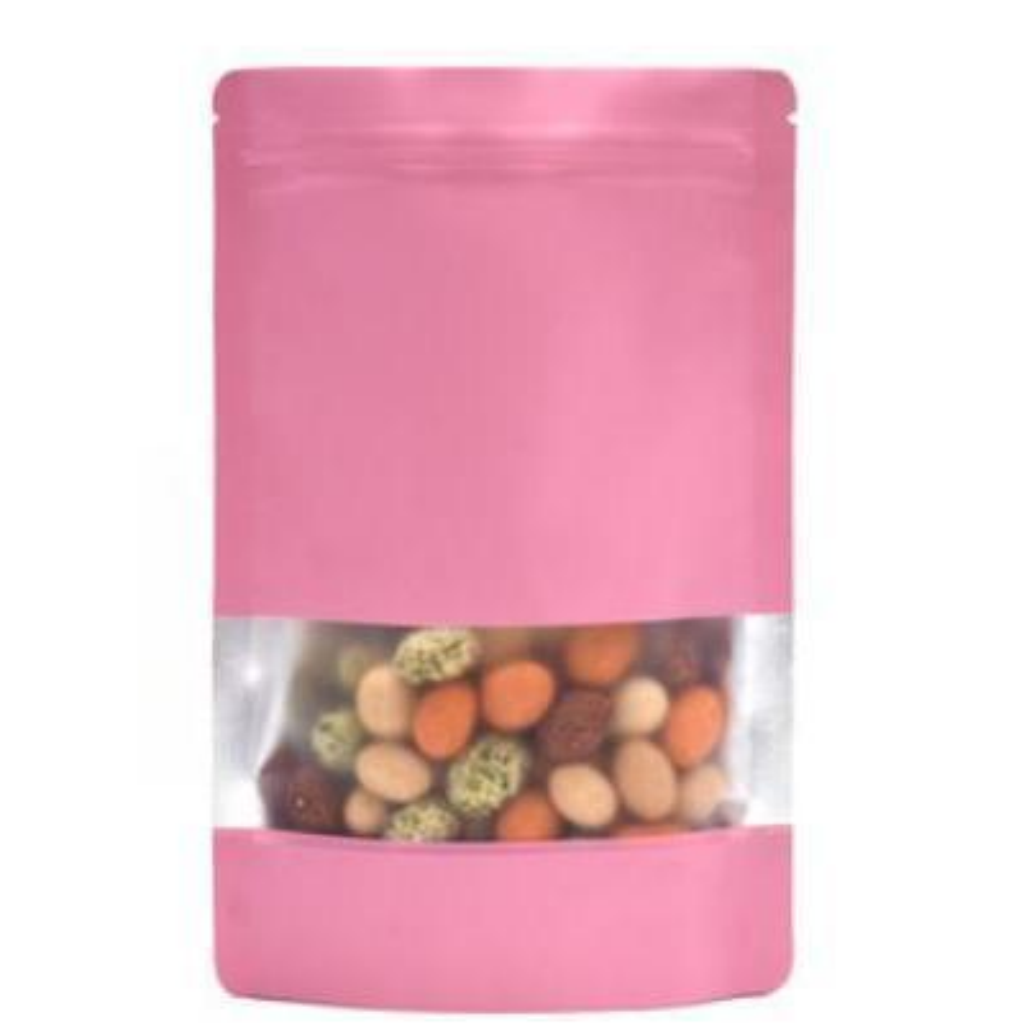
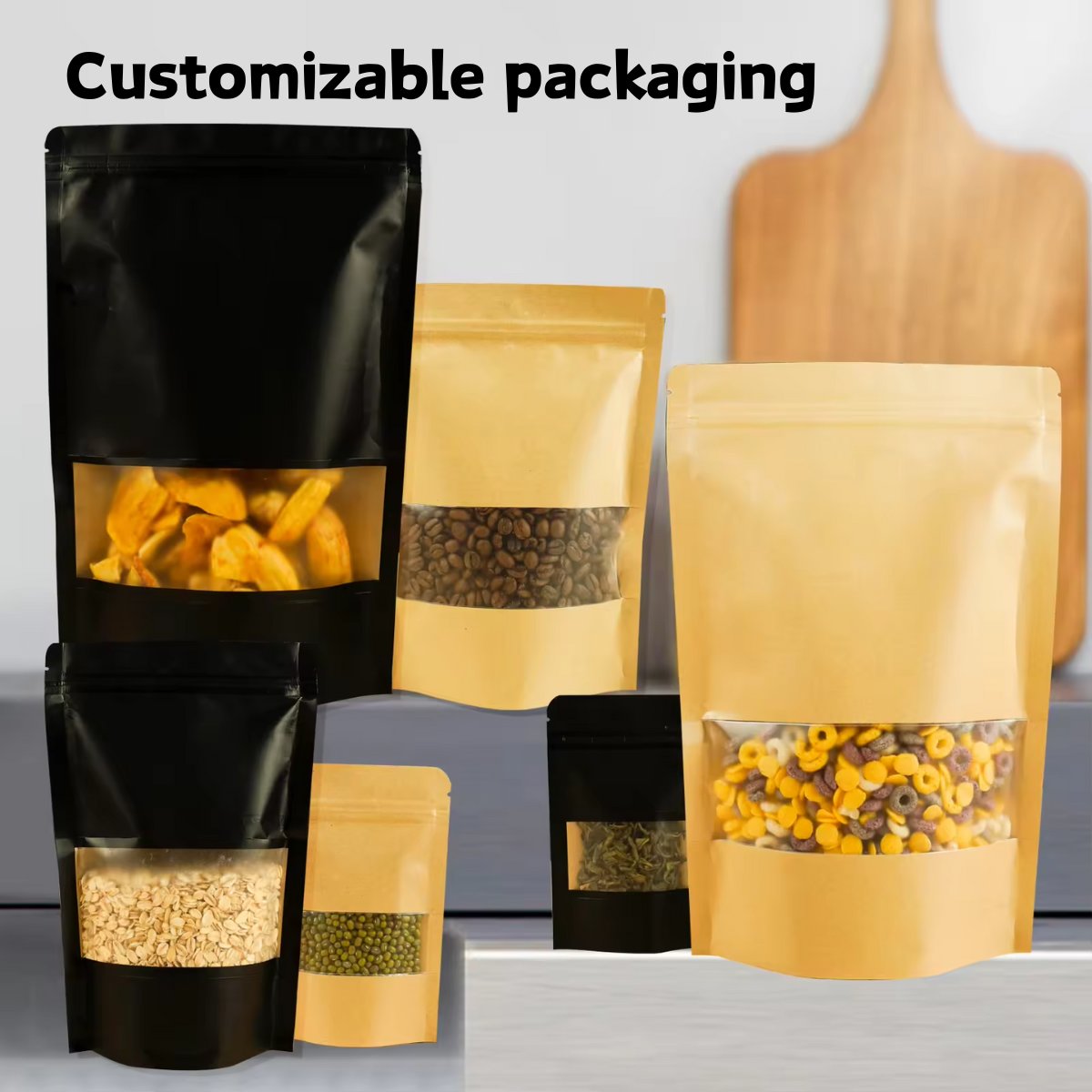
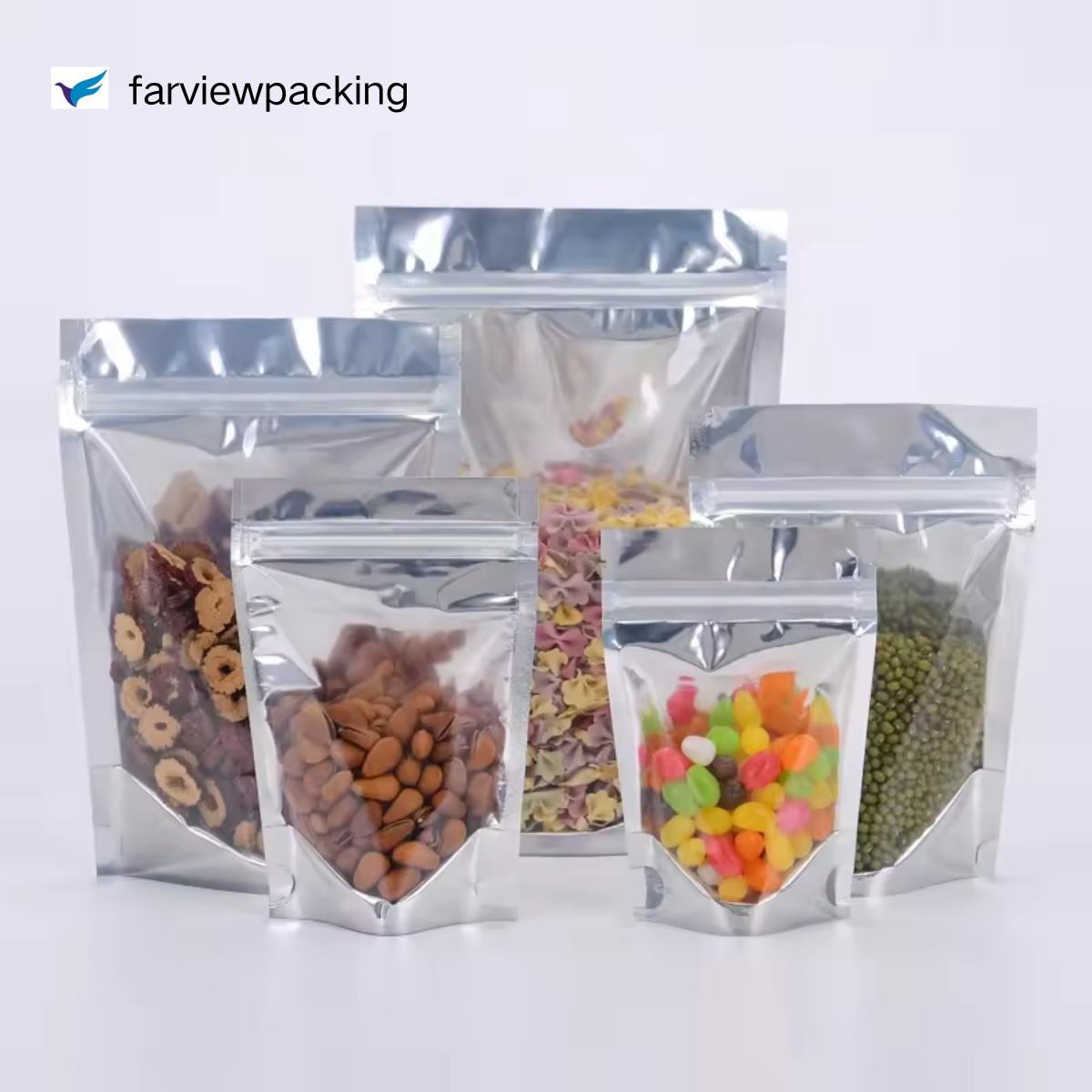
Ukuthintana kwezindawo ezikhulu zokuvimbela okugxilwe emabag e-vacuum yokupakisha izinkimba kuyisibonelo esisheshayo kwesayensi yokuvimbela izinkimba, esisebenzisa izikombi zesipolimha esihlukene ukuze zenze izindawo ezingavumelekiyo kuzo okuqondwa, umsindo, nokubhakasha. Lezi ziqembu eziningi zezifilm ziyasebenzisa izinyathelo ezintathu kuze nezisixhenxe, ngalokho kunezinyathelo ezihlukene ezinamaphuzu amahlanu okusebenza okwenzeka ngokuhlanganisa ukuze kwenziwe ukuvimbela kahle kakhulu. Inyathelo yokuqala libeka ubukhulu bokuphatha nokuvimbela kokuphatha, libhambisana nokuvimbela kwe-vacuum ngezindlela zokuphatha, ukugcina, nokuthumela. Amaphuzu okwesibili ayisebenzisa izinto ezihlukene njenge-ethylene vinyl alcohol noma izikombi zesipolimha esizimele esinezimali ezincane kakhulu yokudlula okuqondwa, kusobala ukuthi kuvimbela amakhemikali okuqondwa ukudlula kwi-intshi yepakethi. Inyathelo yokuqala yekhontakti isebenzisa izinto ezihlukene zokupakisha izinkimba ezinamaphuzu okuchaza ukuthi kungasiphatha kakhulu ngezinkimba zonke, kusobala ukuthi akukho mthetho wokuguqula umlando noma ukuthi kufika kwezinto ezihlukene kwi-intshi yepakethi ngeminyaka eyadlulayo yokugcina. Lokhu kucatshangelwa ngokuthi i-bags yepakethi yevacuum ziyakwakha ukuvimbela kwe-vacuum ngeminyaka engafihliki, kusobala ukuthi kuvimbela ubukhulu bokupakisha kakhulu kunezindlela zokugcina zezinye. Ukuvimbela kwezindawo zokuvimbela kwezibag ezinhle kubonisa ukuthi ukudlula kwe-oxygen kungaphezu kwe-0.5 cubic centimeters per square meter per day, kusobala ukuthi kuyisibonelo sokuthuthukiswa kwezindawo zokuvimbela. Lokhu kuvimbela kakhulu kuvimbela ukuthi izinkimba ezinamafatheyi zizovimba, ukuthi izinkimba zokusha zizovimba ukuthi kubuyekeke, nokuthi izinkimba zokuphatha zizovimba ukuthi kubuyekeke. Ukutha kwezizigaba zokuvimbela kuyakwakha ukuthi lezi zibag zokupakisha izinkimba ziyakwakha ukutha kwezinkimba zokufuna ngaphandle kokuthi kubuyekeke, futhi kuyakwakha ukuthi kuvimbela ukutha kwezinkimba zokugcina. Ukutha kwezizigaba zokuvimbela kuyakwakha ukuthi kuyakwakha ukutha kwezinkimba zokuphatha, kusobala ukuthi kuyakwakha ukutha kwezinkimba zokuphatha, kusobala ukuthi kuyakwakha ukutha kwezinkimba zokuphatha. Ukutha kwezizigaba zokuvimbela kuyakwakha ukuthi kuyakwakha ukutha kwezinkimba zokuphatha, kusobala ukuthi kuyakwakha ukutha kwezinkimba zokuphatha, kusobala ukuthi kuyakwakha ukutha kwezinkimba zokuphatha. Ukutha kwezizigaba zokuvimbela kuyakwakha ukuthi kuyakwakha ukutha kwezinkimba zokuphatha, kusobala ukuthi kuyakwakha ukutha kwezinkimba zokuphatha, kusobala ukuthi kuyakwakha ukutha kwezinkimba zokuphatha. Ukutha kwezizigaba zokuvimbela kuyakwakha ukuthi kuyakwakha ukutha kwezinkimba zokuphatha, kusobala ukuthi kuyakwakha ukutha kwezinkimba zokuphatha, kusobala ukuthi kuyakwakha ukutha kwezinkimba zokuphatha. Ukutha kwezizigaba zokuvimbela kuyakwakha ukuthi kuyakwakha ukutha kwezinkimba zokuphatha, kusobala ukuthi kuyakwakha ukutha kwezinkimba zokuphatha, kusobala ukuthi kuyakwakha ukutha kwezinkimba zokuphatha. Ukutha kwezizigaba zokuvimbela kuyakwakha ukuthi kuyakwakha ukutha kwezinkimba zokuphatha, kusobala ukuthi kuyakwakha ukutha kwezinkimba zokuphatha, kusobala ukuthi kuyakwakha ukutha kwezinkimba zokuphatha.......
 EN
EN