Premium Food Service Packaging Solutions - Temperature Control, Sustainability & Safety

Get a Free Quote

Our representative will contact you soon.
Email
Phone
Name
Company Name
Message
0/1000

food service packaging

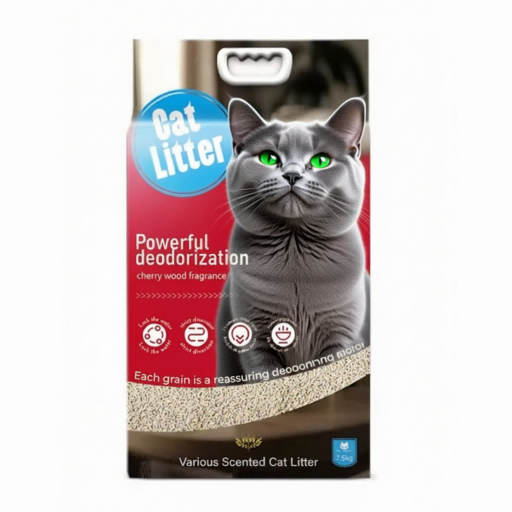
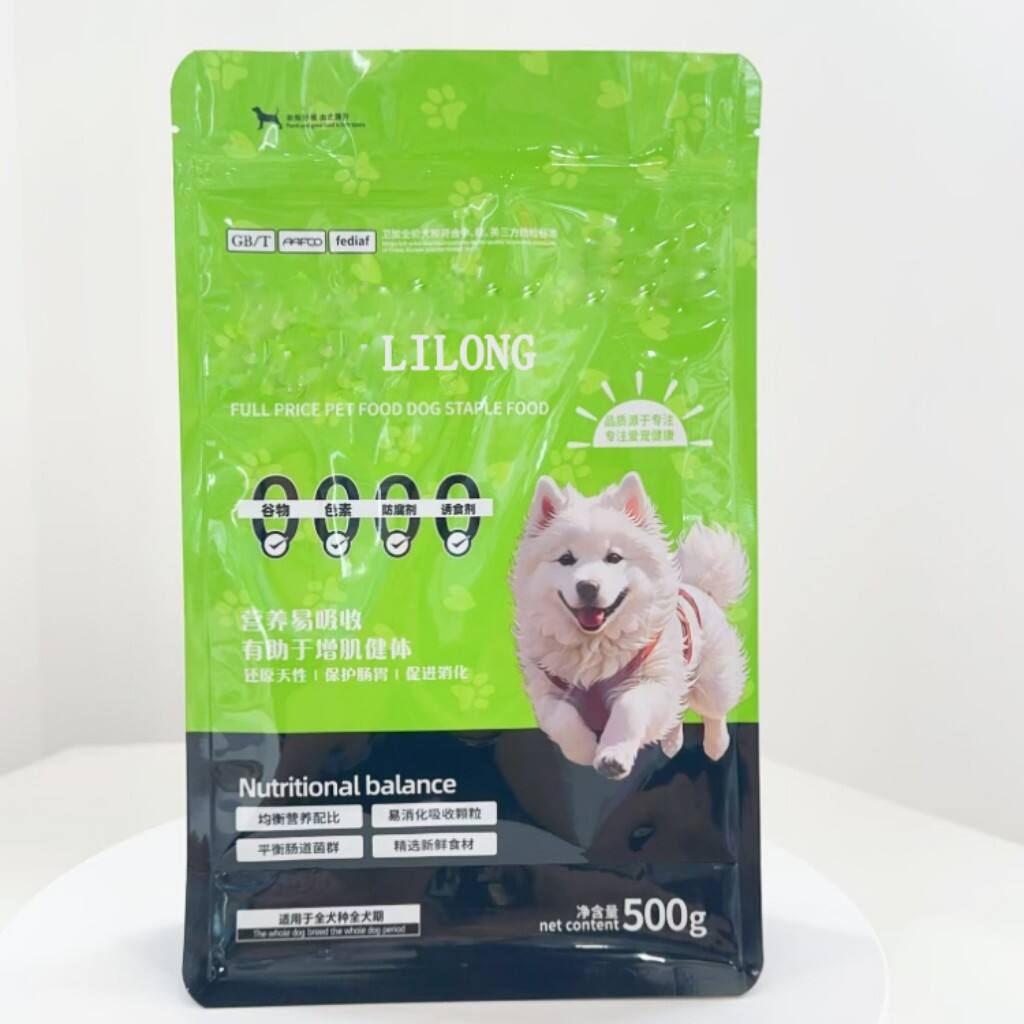
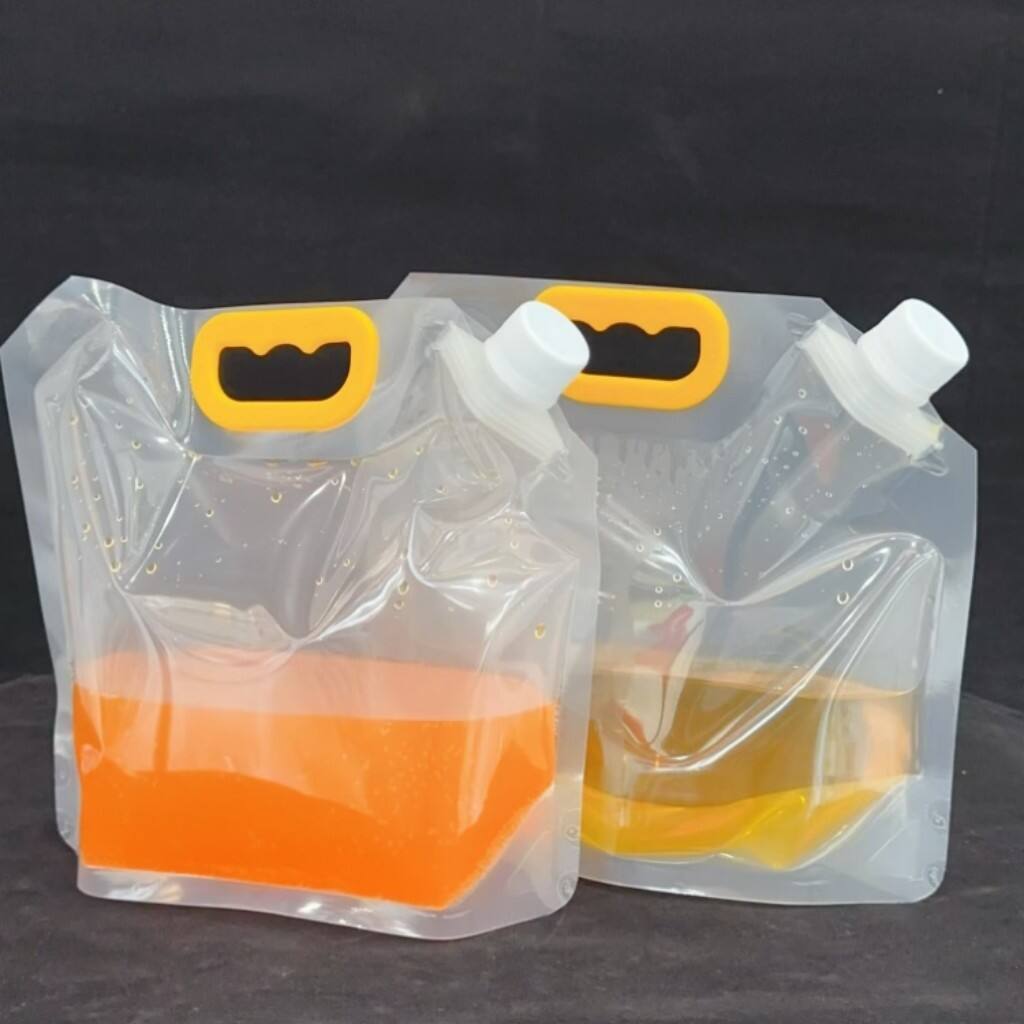
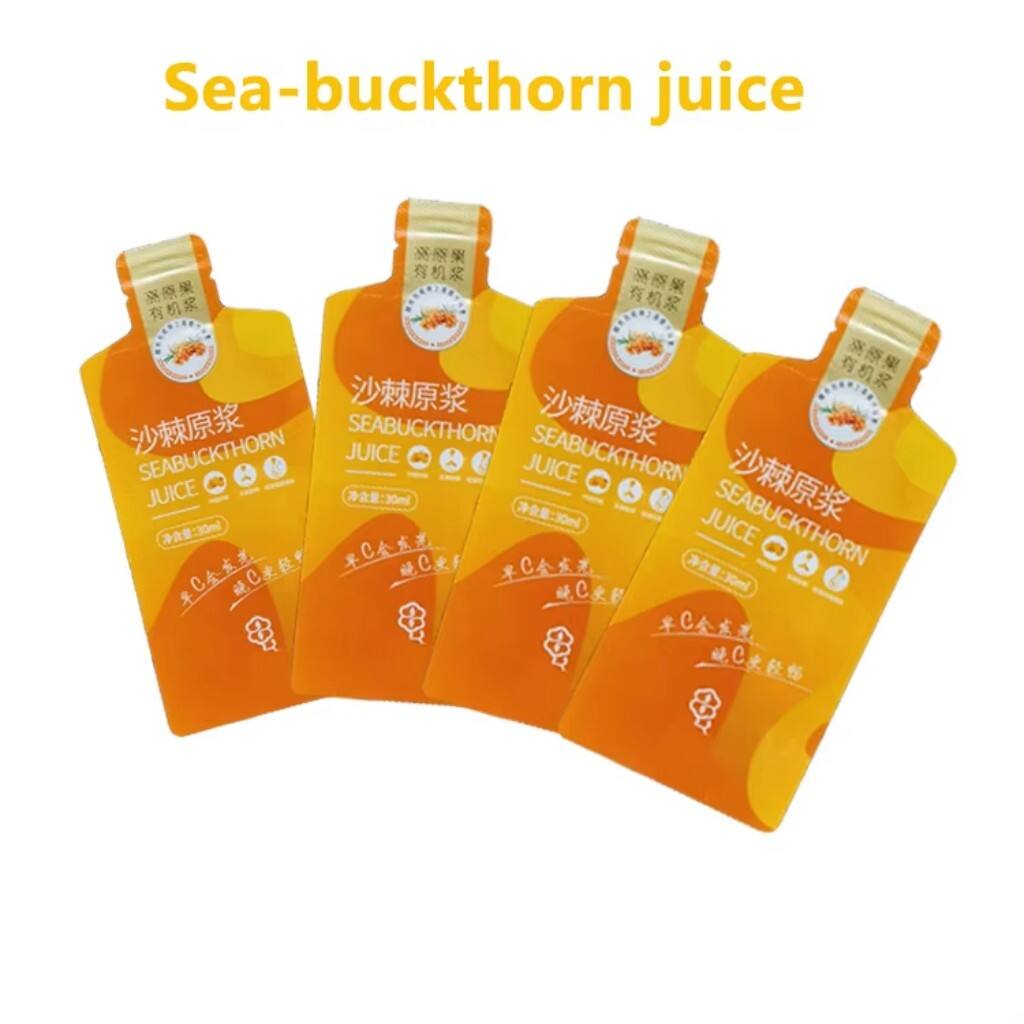
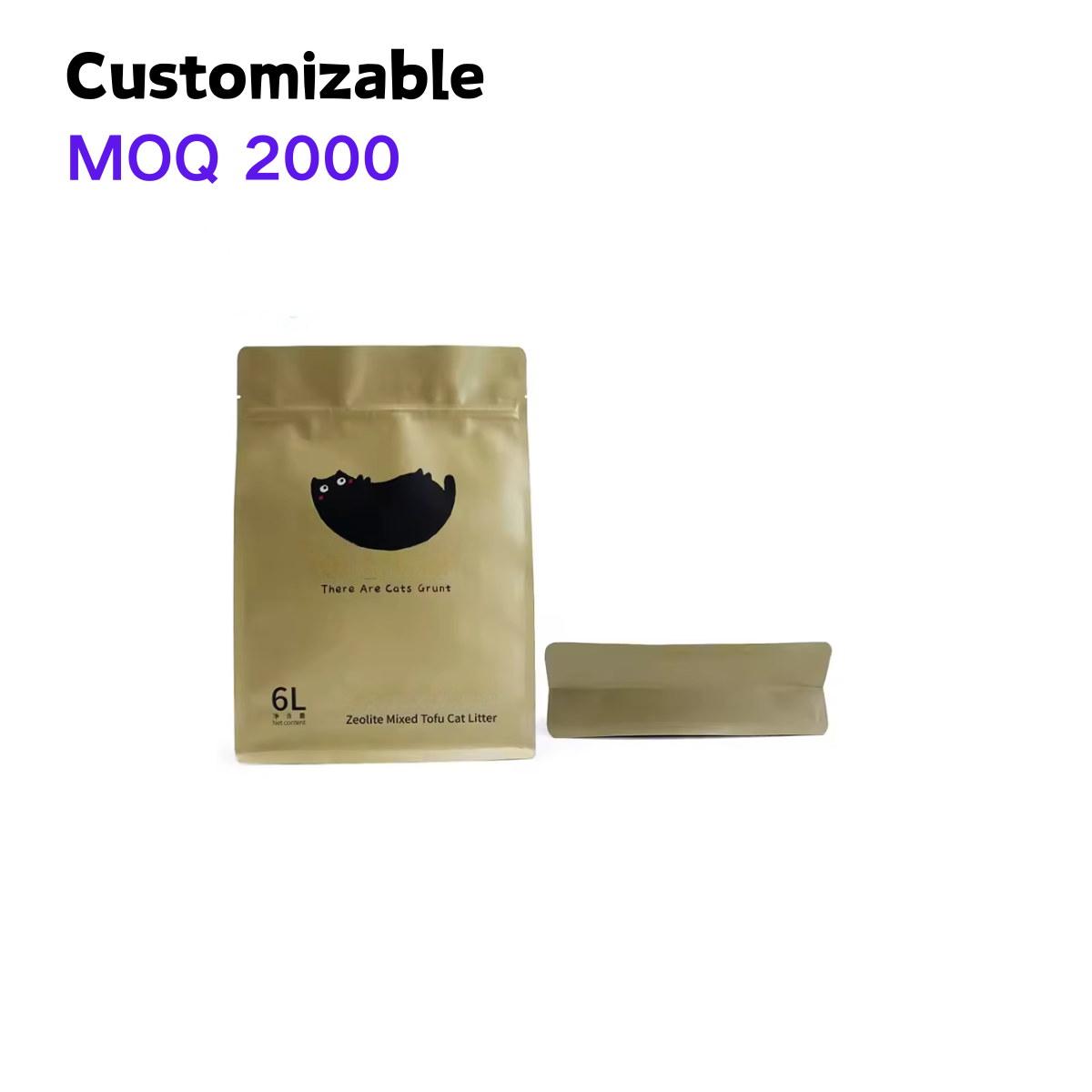
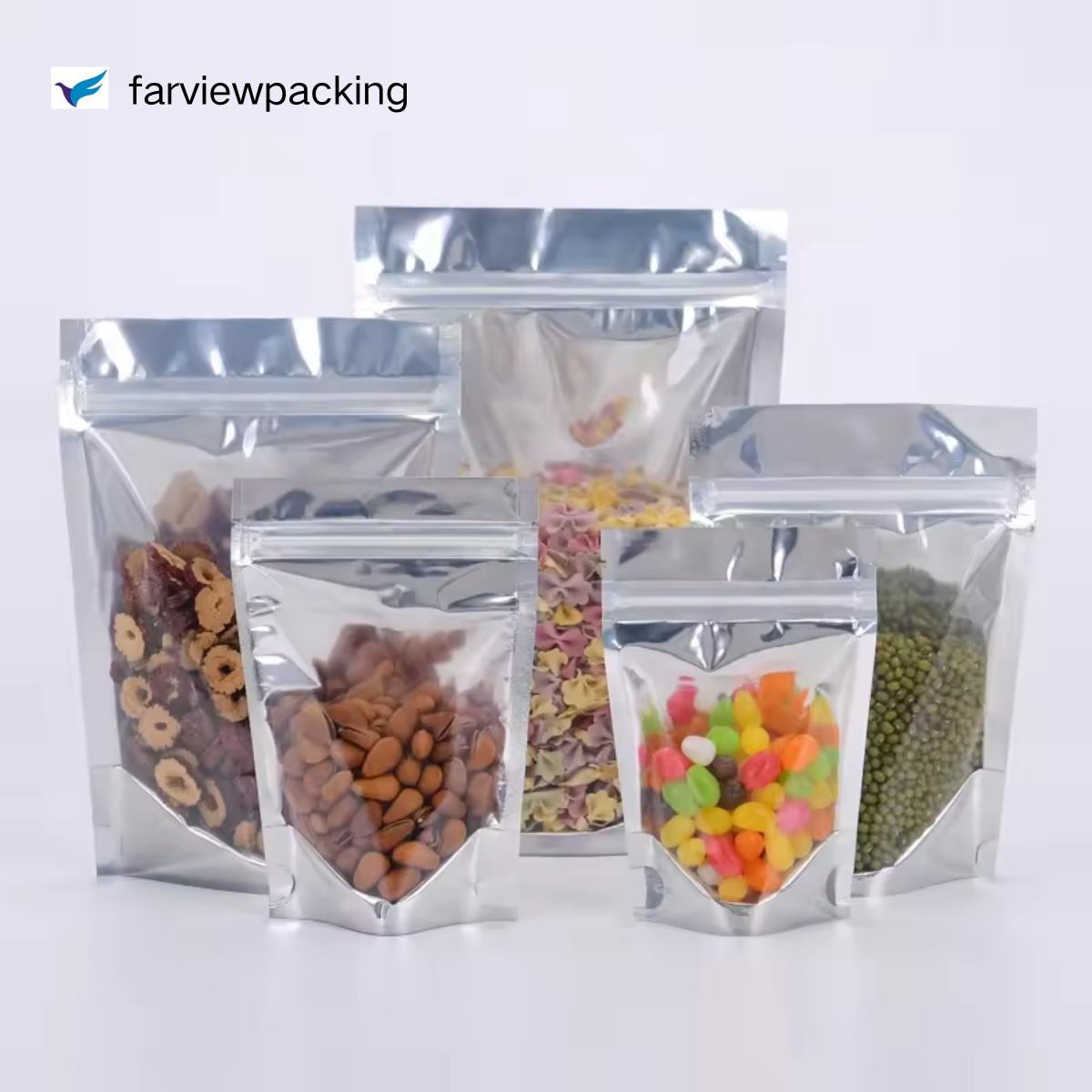
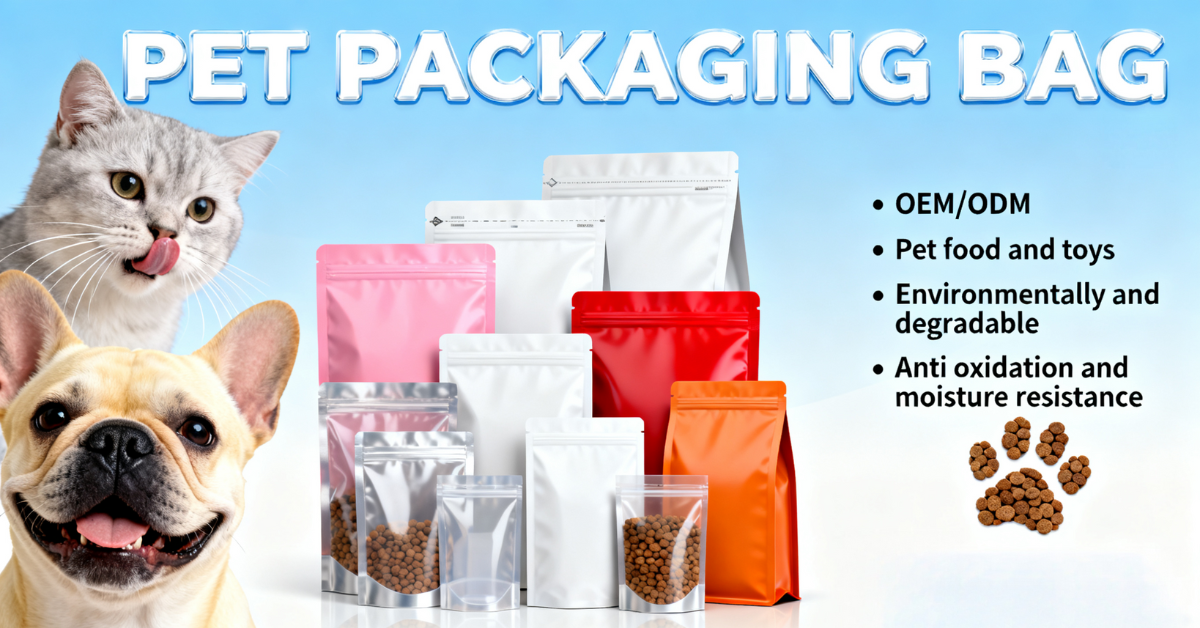
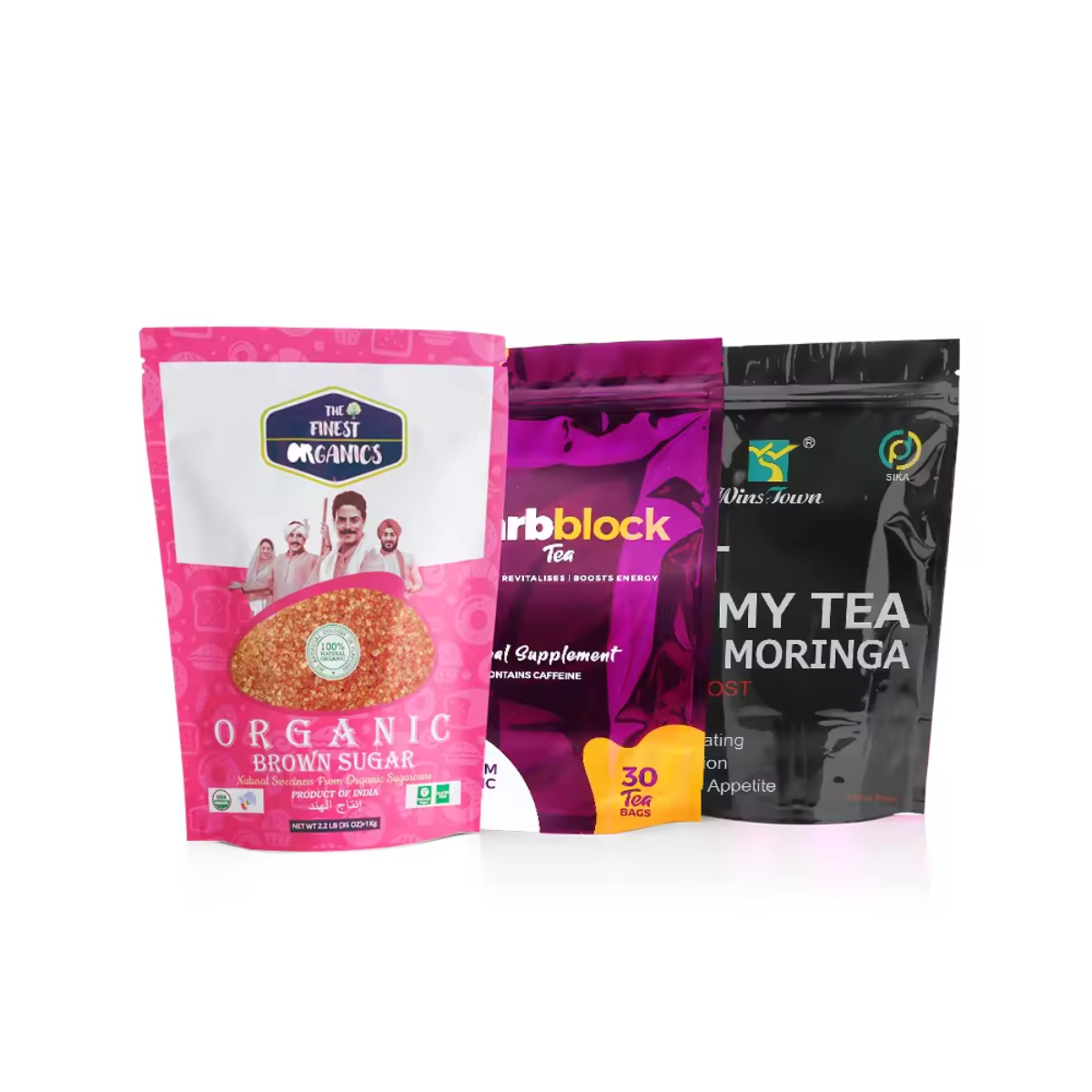
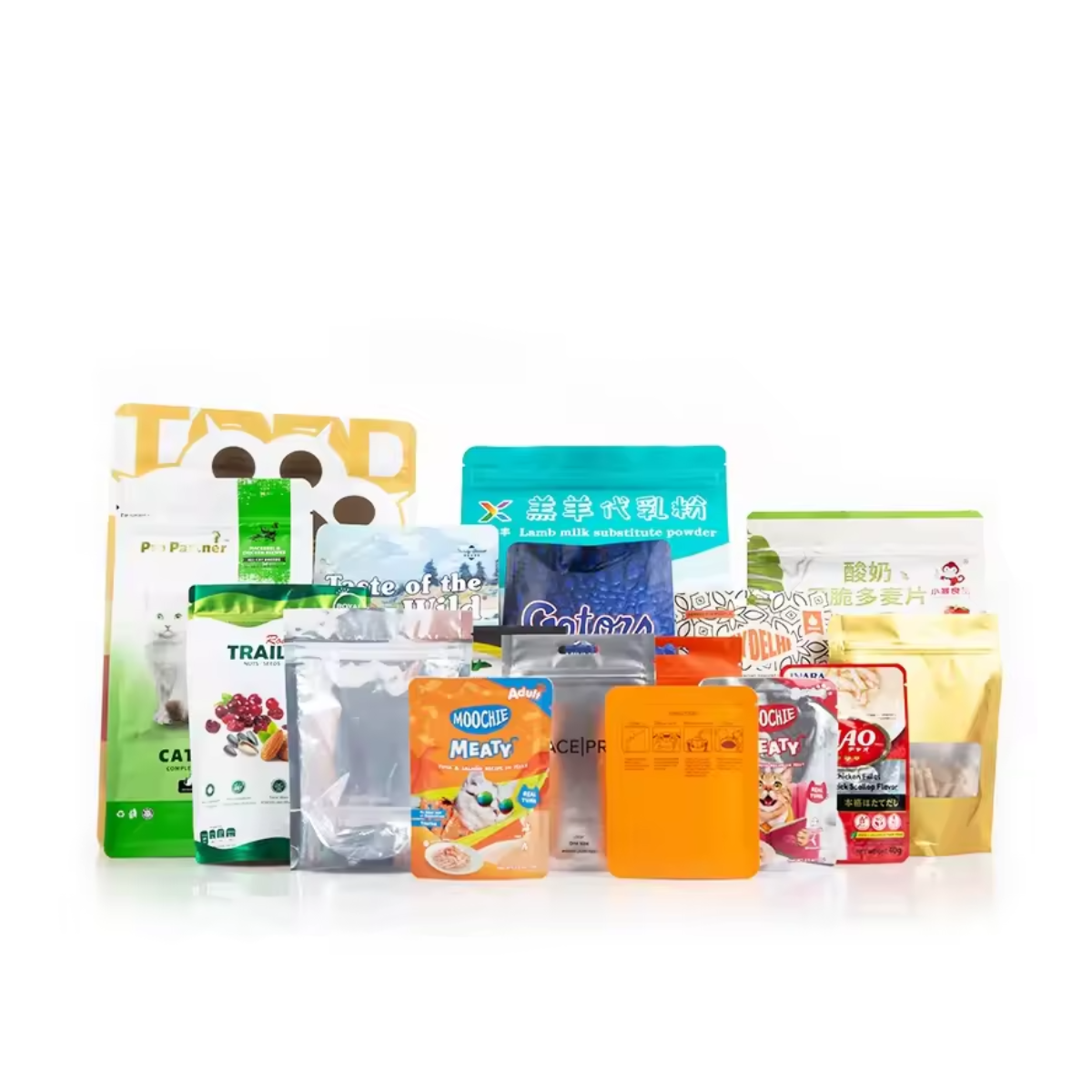
Food service packaging represents a critical component in the modern culinary industry, designed specifically to protect, preserve, and transport meals from commercial kitchens to consumers. This specialized packaging encompasses a wide range of containers, wraps, bags, and protective materials engineered to maintain food quality during storage and delivery processes. The primary functions of food service packaging include temperature retention, contamination prevention, portion control, and brand presentation. These containers must withstand various environmental conditions while ensuring food safety standards are met throughout the supply chain. Technological features of contemporary food service packaging include advanced barrier properties that prevent moisture loss, oxygen infiltration, and microbial contamination. Many modern containers incorporate insulation technologies that maintain optimal serving temperatures for extended periods. Leak-proof sealing mechanisms prevent spills during transportation, while stackable designs optimize storage efficiency in commercial settings. Microwave-safe materials allow customers to reheat meals without transferring contents, enhancing convenience significantly. Applications of food service packaging span restaurants, catering companies, food delivery services, institutional cafeterias, and retail food operations. Quick-service restaurants rely heavily on disposable containers for takeout orders, while upscale establishments may utilize elegant packaging that reflects their brand image. Catering operations depend on large-capacity containers that maintain food quality during transport to event locations. Food delivery platforms require packaging that preserves meal integrity during longer transit times. Healthcare facilities and schools use portion-controlled packaging to ensure consistent serving sizes and nutritional compliance. The versatility of food service packaging makes it indispensable across diverse culinary applications, from casual dining to fine dining establishments seeking to expand their reach through delivery and takeout services.

New Product Releases

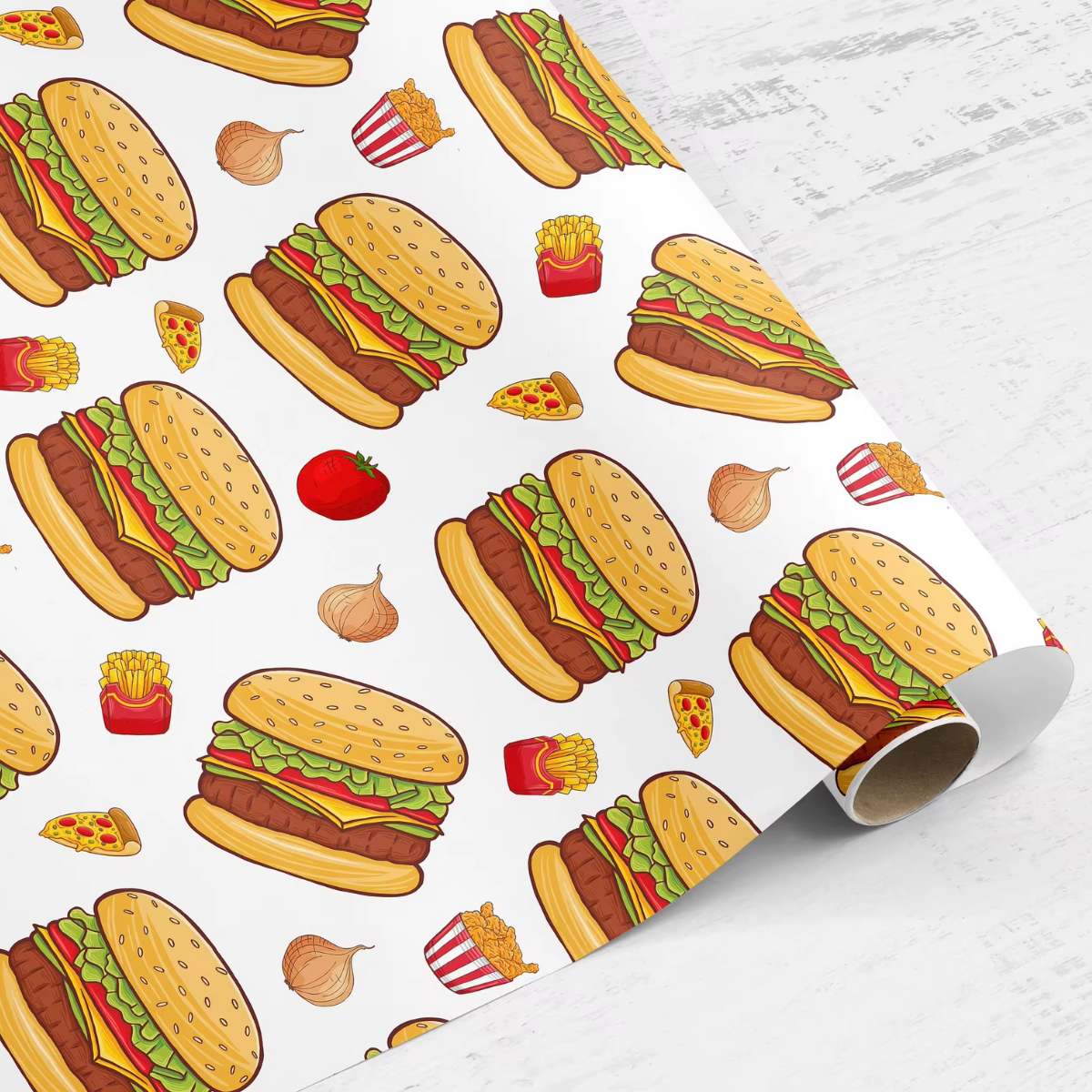
Food service packaging delivers numerous practical benefits that directly impact business operations and customer satisfaction. Cost efficiency stands as a primary advantage, as these containers eliminate the need for expensive dishware replacement and reduce labor costs associated with washing and sanitizing reusable items. Businesses save substantial amounts on water, detergent, and energy expenses while minimizing staff time dedicated to cleaning operations. This allows restaurants to allocate resources toward food preparation and customer service instead. Convenience represents another significant benefit, enabling customers to enjoy restaurant-quality meals anywhere without requiring additional plates or utensils. Food service packaging facilitates easy transport, making it simple for consumers to carry meals home, to work, or to social gatherings. The portable nature of these containers expands market reach by accommodating busy lifestyles and increasing accessibility for customers who prefer dining at alternate locations. Safety advantages cannot be overstated, as single-use packaging eliminates cross-contamination risks between different customers and meals. This becomes particularly important in healthcare settings, schools, and other institutions where hygiene standards are paramount. Food service packaging also reduces the likelihood of foodborne illnesses by creating sealed environments that protect contents from external contaminants during storage and transport. Hygiene benefits extend to kitchen operations, where staff can prepare meals directly into serving containers, minimizing handling and potential contamination points. Brand visibility improves significantly through customized packaging designs that display logos, contact information, and marketing messages. This mobile advertising reaches new audiences as customers carry branded containers to various locations, effectively expanding promotional reach without additional marketing costs. Inventory management becomes streamlined with standardized packaging sizes that facilitate accurate portion control and consistent pricing structures. Food service packaging also enables businesses to expand delivery services and catering operations without investing in expensive transport equipment or risking damage to traditional dishware during transit.

Tips And Tricks

How to Source High-Quality Plastic Packaging Bags for Food Manufacturing

13

Nov

How to Source High-Quality Plastic Packaging Bags for Food Manufacturing

Mastering Food-Grade Packaging Solutions for Manufacturers In today's competitive food manufacturing landscape, selecting the right plastic packaging bags can make or break your product's success. These essential components not only preserve food qua...
View More
Why Are Mylar Bags the Best Choice for Long-Term Food Storage

13

Nov

Why Are Mylar Bags the Best Choice for Long-Term Food Storage

Long-term food storage has become increasingly important for households and businesses seeking to preserve nutritional value, extend shelf life, and maintain food quality over extended periods. Among the various packaging solutions available today, m...
View More
What Industries Benefit Most from Custom Printed Mylar Bags

13

Nov

What Industries Benefit Most from Custom Printed Mylar Bags

The packaging industry has witnessed a significant transformation in recent years, with businesses across various sectors recognizing the importance of premium, functional packaging solutions. Among the most versatile and effective options available ...
View More
What Are the Key Differences Between Foil and Mylar Bags

13

Nov

What Are the Key Differences Between Foil and Mylar Bags

When it comes to packaging solutions that offer superior protection and preservation, understanding the distinctions between different materials becomes crucial for businesses and consumers alike. The packaging industry has evolved significantly, pre...
View More

Get a Free Quote

Our representative will contact you soon.
Email
Phone
Name
Company Name
Message
0/1000

food service packaging

Advanced Temperature Control Technology

Advanced Temperature Control Technology

Modern food service packaging incorporates sophisticated thermal management systems that revolutionize how businesses maintain optimal serving temperatures throughout the delivery process. These innovative containers utilize multi-layer insulation technology, featuring specialized foam cores and reflective barriers that create thermal barriers preventing heat transfer. Hot foods remain steaming while cold items stay refreshingly cool for extended periods, ensuring customers receive meals at their intended serving temperatures regardless of delivery distance or weather conditions. The science behind this temperature control involves carefully engineered materials that reflect radiant heat while trapping convective currents within sealed compartments. Advanced venting systems allow controlled air circulation that prevents condensation buildup while maintaining temperature stability. This technology proves particularly valuable for businesses offering diverse menu items with different temperature requirements, allowing them to package complete meals without compromising quality. Pizza boxes feature corrugated designs that create air pockets for insulation, while ice cream containers employ double-wall construction with gel inserts for extended frozen storage. Soup containers incorporate steam-release mechanisms that prevent pressure buildup while maintaining heat retention. The economic impact of superior temperature control extends beyond customer satisfaction to include reduced food waste, fewer customer complaints, and increased repeat business. Restaurants report significant improvements in customer reviews and delivery ratings when utilizing high-performance thermal packaging. This technology enables businesses to expand delivery radius without quality concerns, opening new market opportunities and revenue streams. Healthcare facilities particularly benefit from temperature-controlled packaging when delivering meals to patients requiring specific dietary temperatures for medical reasons.
Sustainable Environmental Solutions

Sustainable Environmental Solutions

Contemporary food service packaging increasingly emphasizes environmental responsibility through innovative sustainable materials and manufacturing processes that address growing consumer concerns about ecological impact. Biodegradable options manufactured from plant-based materials like cornstarch, sugarcane bagasse, and bamboo fiber decompose naturally within months rather than persisting in landfills for decades like traditional plastic alternatives. These eco-friendly containers maintain structural integrity and performance standards while significantly reducing carbon footprint throughout their lifecycle. Compostable packaging breaks down into nutrient-rich soil amendments when properly disposed of in commercial composting facilities, creating circular economy benefits that support agricultural sustainability. Recyclable options enable businesses to demonstrate environmental stewardship while meeting increasingly stringent regulations regarding waste reduction and sustainability reporting. Many manufacturers now offer packaging made from post-consumer recycled content, giving new life to previously used materials and reducing demand for virgin resources. Water-based barrier coatings replace traditional petroleum-based treatments, creating safer disposal options and reducing toxic emissions during manufacturing. The business advantages of sustainable food service packaging extend beyond environmental benefits to include enhanced brand reputation, improved customer loyalty among environmentally conscious consumers, and compliance with evolving regulatory requirements. Cities and states implementing single-use plastic bans create market opportunities for businesses already utilizing sustainable alternatives. Corporate clients increasingly prioritize vendors demonstrating environmental responsibility in their procurement decisions, making sustainable packaging a competitive differentiator. Cost considerations continue improving as sustainable materials achieve economies of scale, with many options now competitively priced compared to conventional alternatives. Employee satisfaction often increases when companies adopt environmentally responsible practices, contributing to improved workplace culture and reduced turnover. Marketing opportunities abound for businesses highlighting their commitment to sustainability through packaging choices, attracting customers who prioritize environmental considerations in their purchasing decisions.
Enhanced Food Safety and Hygiene Protection

Enhanced Food Safety and Hygiene Protection

Food service packaging provides comprehensive safety barriers that protect consumables from contamination, spoilage, and degradation throughout storage and distribution chains. Advanced barrier technologies prevent bacterial infiltration while maintaining optimal moisture levels that preserve freshness and nutritional content. Tamper-evident seals offer visible proof of package integrity, ensuring customers receive uncompromised products while protecting businesses from liability concerns related to food tampering incidents. These security features include tear strips, adhesive bands, and snap-lock mechanisms that clearly indicate if containers have been opened or compromised during transport. Leak-proof designs prevent cross-contamination between different food items and protect surfaces from spills that could harbor harmful microorganisms. Laboratory testing confirms that quality food service packaging maintains sterile internal environments even when exposed to various external contaminants during typical handling and delivery scenarios. Specialized coatings resist grease penetration and moisture absorption, preventing package degradation that could compromise food safety. Oxygen barrier properties slow oxidation processes that cause rancidity and nutrient loss, extending shelf life and maintaining peak flavor profiles. UV-resistant materials protect light-sensitive foods from degradation caused by fluorescent lighting and sunlight exposure during display and transport. The integration of antimicrobial additives in packaging materials creates additional protection layers that inhibit bacterial growth on container surfaces. This proves particularly valuable in healthcare settings where immunocompromised patients require enhanced food safety measures. Time-temperature indicators available on some advanced packaging options provide visual confirmation that cold chain requirements have been maintained throughout distribution. Color-changing strips alert staff and consumers when temperature abuse has occurred, preventing consumption of potentially unsafe products. Regulatory compliance becomes simplified when using certified food service packaging that meets FDA standards for direct food contact applications. Documentation and testing certificates provide legal protection and demonstrate due diligence in food safety protocols, essential for businesses serving vulnerable populations or operating in highly regulated environments.
Premium Food Service Packaging Solutions - Temperature Control, Sustainability & Safety

Get a Free Quote

Our representative will contact you soon.
Email
Phone
Name
Company Name
Message
0/1000