Comprehensive Grocery & Retail Packaging Solutions: Advanced Protection, Sustainability, and Consumer Innovation

Get a Free Quote

Our representative will contact you soon.
Email
Mobile
Name
Company Name
Message
0/1000

grocery & retail packaging

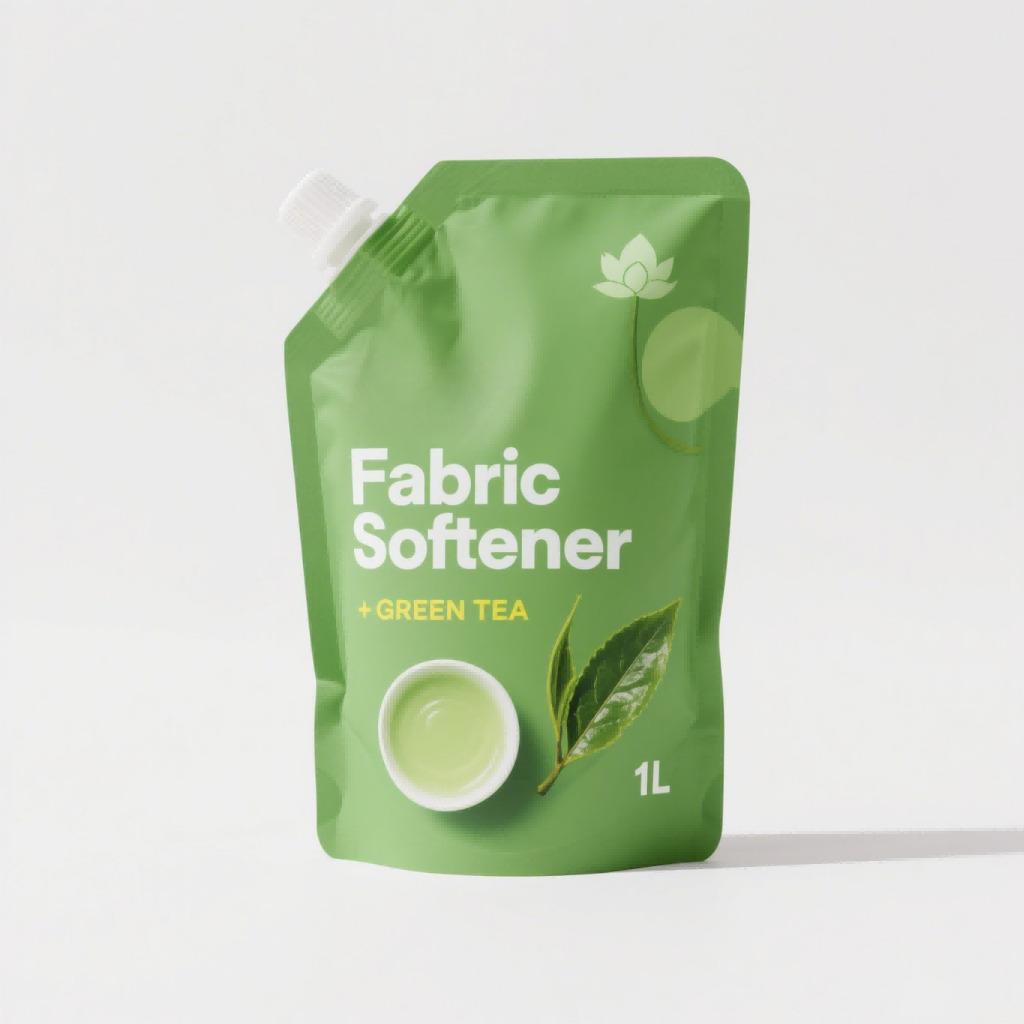
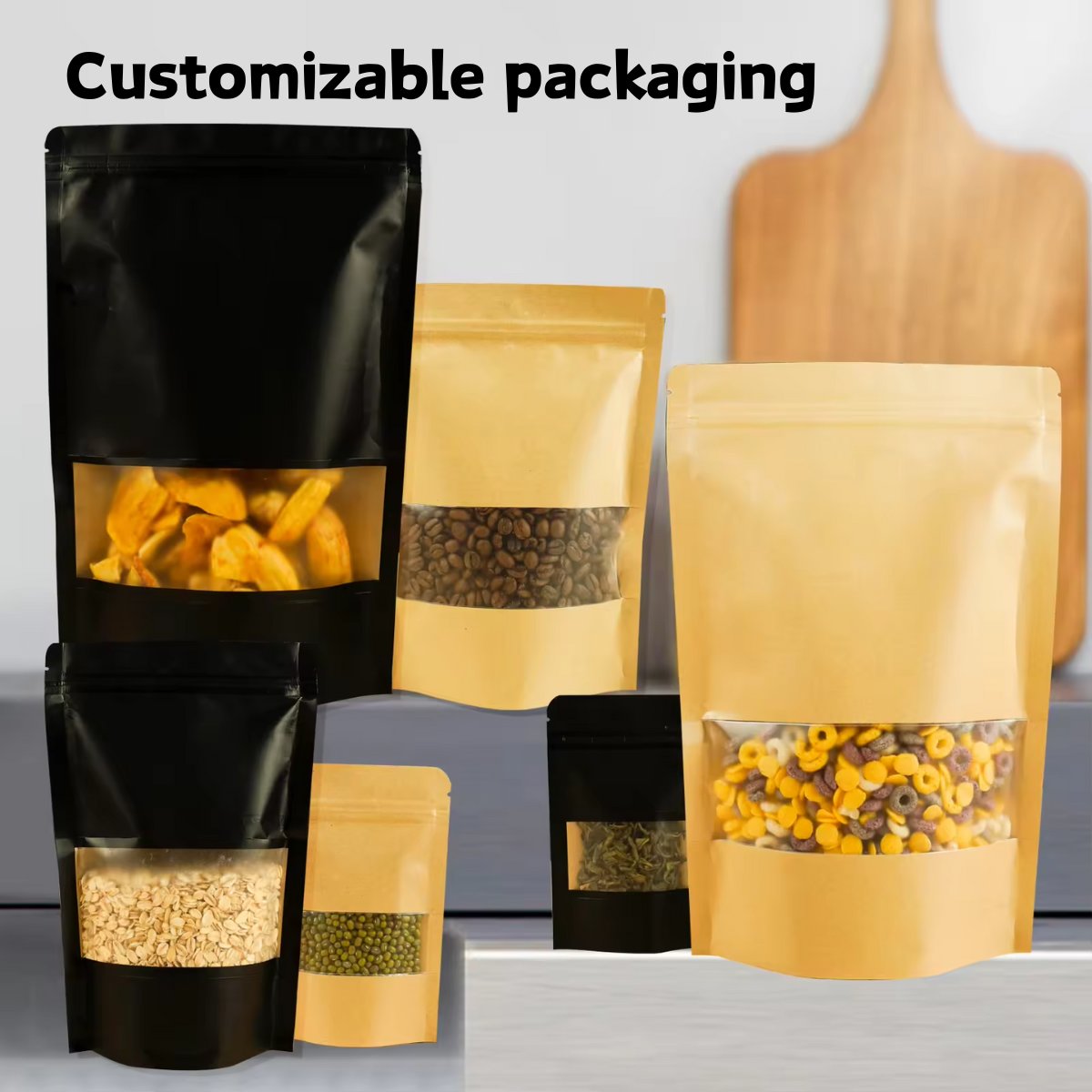
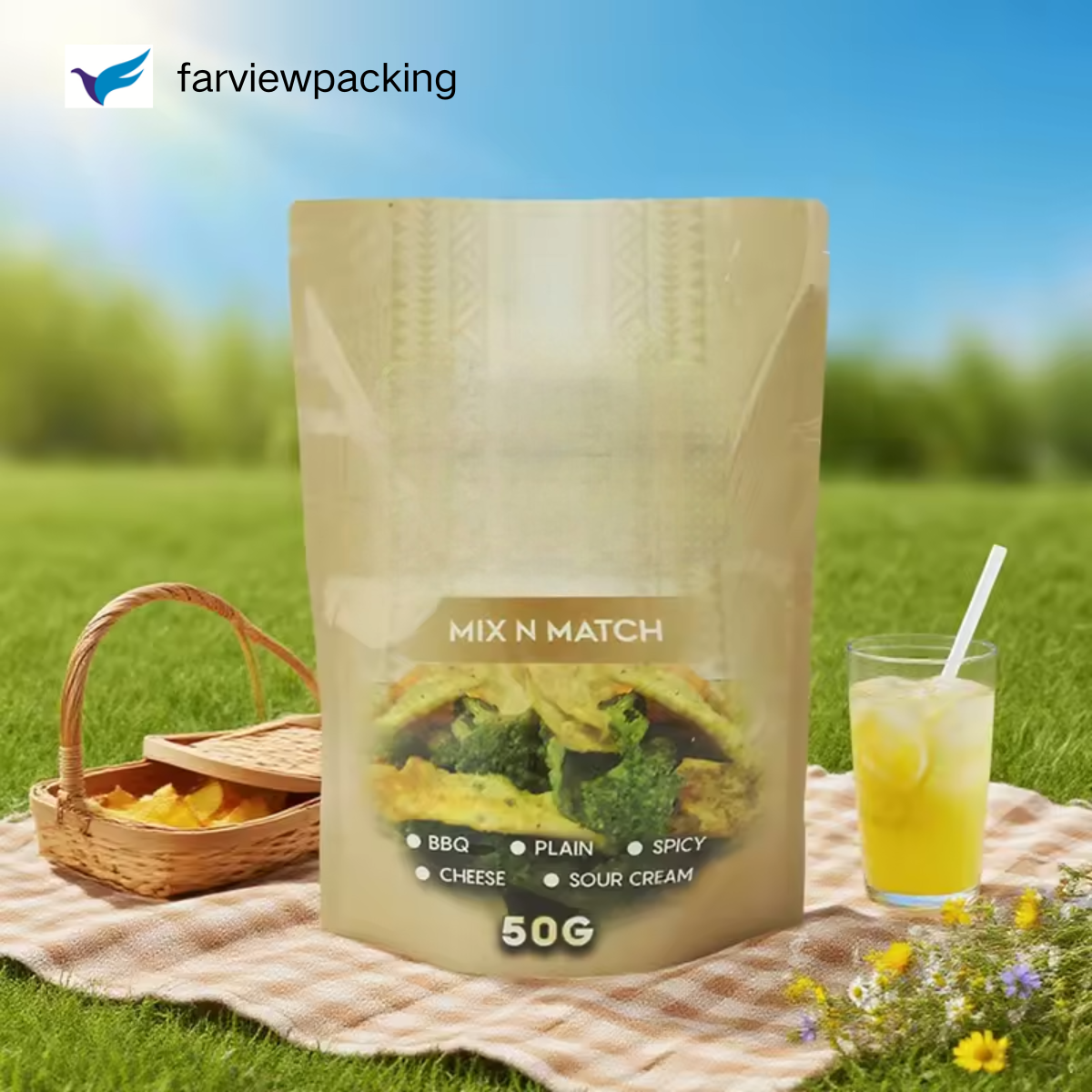
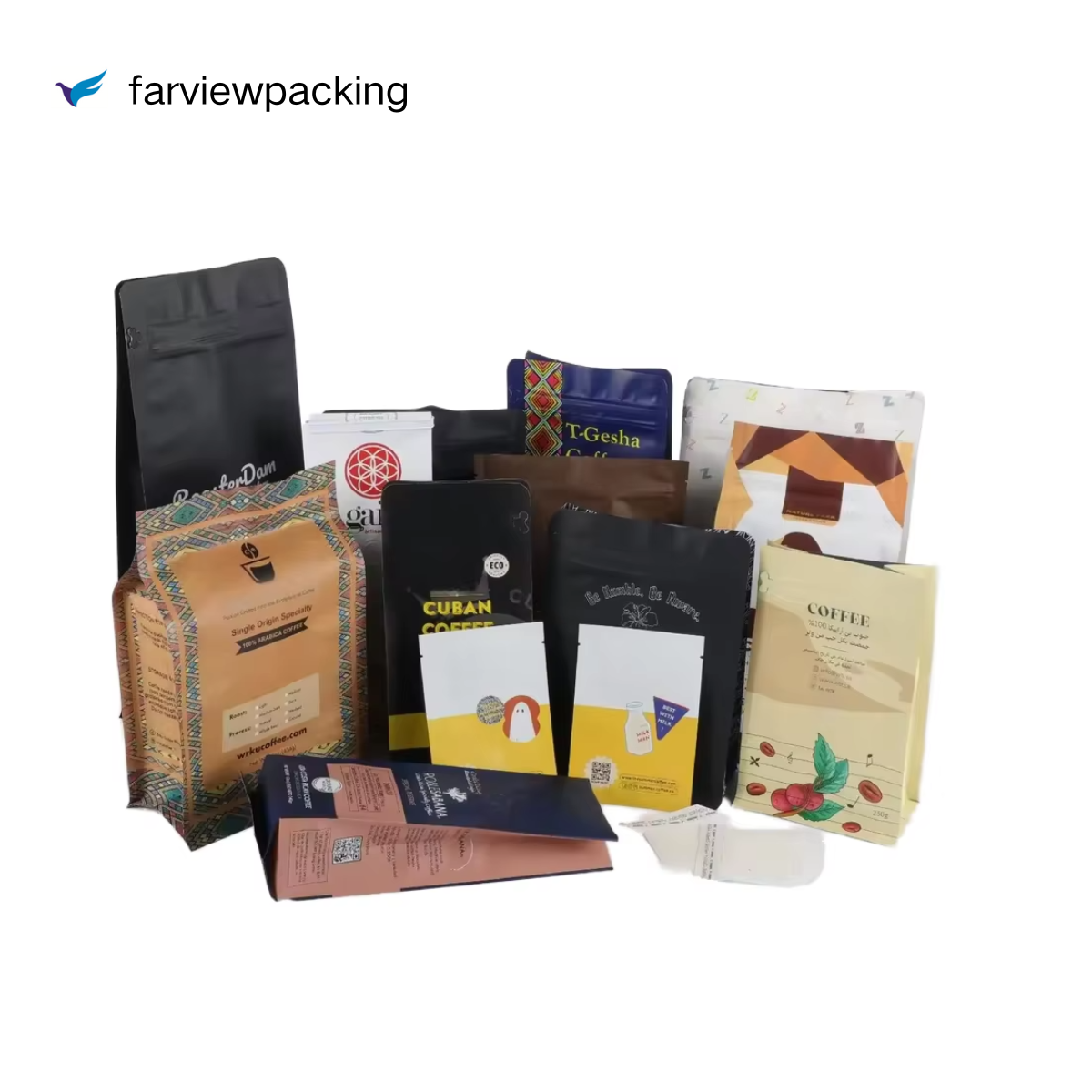
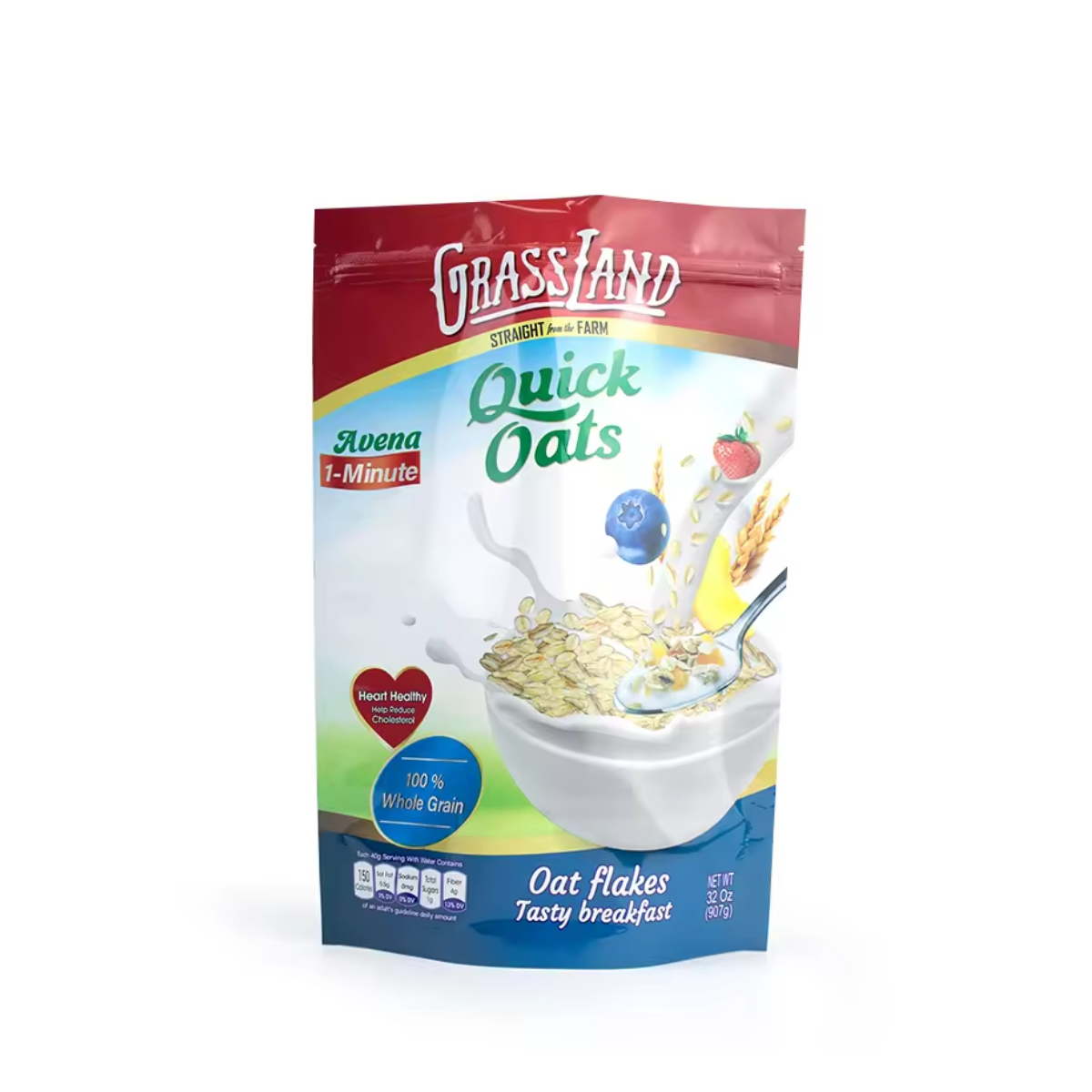
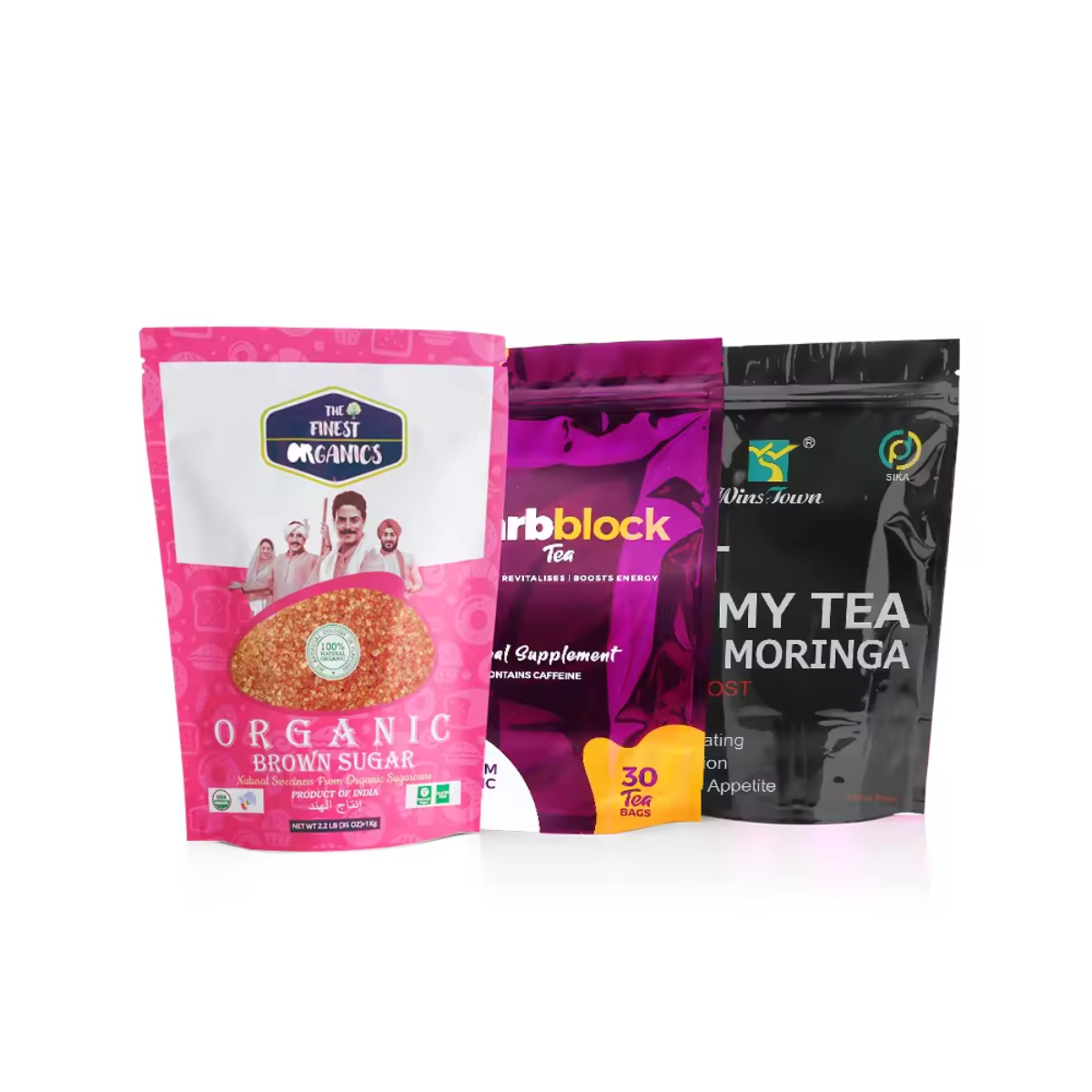
Grocery & retail packaging represents a critical component in the modern supply chain, serving as the protective barrier between products and consumers while facilitating efficient distribution and marketing. This specialized packaging system encompasses a diverse range of materials, designs, and technologies specifically engineered to meet the unique demands of food products, beverages, pharmaceuticals, and consumer goods within retail environments. The primary functions of grocery & retail packaging extend far beyond simple containment, incorporating preservation capabilities that maintain product freshness, prevent contamination, and extend shelf life through advanced barrier technologies. These packaging solutions utilize sophisticated materials such as multi-layer films, modified atmosphere packaging, and vacuum-sealed systems to create optimal storage conditions. The technological features integrated into modern grocery & retail packaging include intelligent labeling systems, tamper-evident seals, and moisture control mechanisms that respond to environmental changes. Temperature-sensitive indicators and freshness sensors are increasingly incorporated to provide real-time product quality information. Smart packaging technologies enable traceability throughout the supply chain, allowing retailers and consumers to track product origins and handling conditions. The applications of grocery & retail packaging span across numerous categories including fresh produce, frozen foods, dairy products, meat and poultry, bakery items, snacks, beverages, and household essentials. Each application requires specific packaging characteristics tailored to product requirements, storage conditions, and consumer convenience factors. Sustainability considerations have driven innovations in bio-based materials, recyclable designs, and reduced material usage without compromising protection quality. The packaging must balance multiple objectives including cost-effectiveness, environmental responsibility, regulatory compliance, and consumer appeal while maintaining product integrity throughout distribution channels from manufacturing facilities to retail shelves and ultimately to consumer homes.

New Product Recommendations

Grocery & retail packaging delivers substantial benefits that directly impact both businesses and consumers in measurable ways. Product protection stands as the foremost advantage, where specialized barriers shield contents from physical damage, moisture infiltration, oxygen exposure, and light degradation that could compromise quality or safety. This protection translates into reduced product waste, lower replacement costs, and consistent product availability for retailers. Enhanced shelf life represents another significant benefit, as advanced packaging technologies can extend product freshness by weeks or months, reducing inventory turnover pressure and allowing for more flexible distribution schedules. Retailers experience improved profit margins through reduced spoilage and the ability to stock products for longer periods without quality concerns. Consumer convenience receives tremendous enhancement through innovative packaging designs that incorporate easy-open features, resealable closures, portion control options, and microwave-safe materials that simplify meal preparation and storage. These convenience factors increase customer satisfaction and brand loyalty while reducing food waste in households. Marketing effectiveness gains substantial boost through packaging that serves as a powerful communication tool, displaying nutritional information, cooking instructions, brand messaging, and promotional content directly to consumers at the point of purchase. Eye-catching designs and informative labeling help products stand out in crowded retail environments, driving sales and brand recognition. Regulatory compliance becomes streamlined through packaging that incorporates required labeling, safety warnings, and traceability information, reducing legal risks and ensuring market access across different jurisdictions. Cost efficiency emerges through optimized packaging designs that reduce material usage while maintaining protection standards, lower transportation costs through improved stacking and space utilization, and decreased labor requirements through automated packaging processes. Environmental benefits accumulate through sustainable material choices, reduced food waste, optimized logistics that lower carbon footprints, and recyclable or compostable options that support circular economy principles. Supply chain efficiency improves dramatically through standardized packaging formats that facilitate automated handling, inventory management systems, and quality control processes throughout distribution networks.

Tips And Tricks

What Are the Key Factors That Affect Packing Bag Durability

25

Feb

What Are the Key Factors That Affect Packing Bag Durability

When businesses invest in packaging solutions, one of the most critical considerations is ensuring optimal packing bag durability for their products. The longevity and strength of packaging materials directly impact product protection, customer satis...
View More
What Trends Are Shaping the Packing Bag Industry in 2025

25

Feb

What Trends Are Shaping the Packing Bag Industry in 2025

The global packaging industry is experiencing unprecedented transformation as we advance through 2025, with the packing bag segment leading the charge in innovative solutions. Modern consumers and businesses are demanding more sustainable, functional...
View More
How to Maintain Product Freshness in Pet Food Packaging

23

Apr

How to Maintain Product Freshness in Pet Food Packaging

Maintaining product freshness in pet food packaging is a critical challenge that directly impacts pet health, product quality, and brand reputation. The degradation of nutritional value, flavor, and safety can occur rapidly when pet food is exposed t...
View More
How Food Packaging Bags Support Efficient Bulk Distribution

23

Apr

How Food Packaging Bags Support Efficient Bulk Distribution

Modern bulk food distribution faces mounting pressure to deliver products efficiently while maintaining quality, freshness, and cost-effectiveness throughout the supply chain. Food packaging bags have emerged as the cornerstone solution for companies...
View More

Get a Free Quote

Our representative will contact you soon.
Email
Mobile
Name
Company Name
Message
0/1000

grocery & retail packaging

Advanced Barrier Technology for Maximum Product Protection

Advanced Barrier Technology for Maximum Product Protection

The sophisticated barrier technology integrated into modern grocery & retail packaging represents a revolutionary advancement in product preservation and quality maintenance. This technology employs multi-layered film structures that combine different polymer materials, each contributing specific protective properties to create an impermeable shield against environmental factors that cause product degradation. Oxygen barriers prevent oxidation reactions that lead to rancidity in fats and oils, color changes in fresh produce, and nutrient loss in processed foods. Moisture barriers control water vapor transmission, preventing dehydration in fresh products while simultaneously blocking external moisture that could promote bacterial growth or cause packaging failure. These barrier systems utilize advanced materials such as ethylene vinyl alcohol copolymers, aluminum foil layers, and specialized coatings that provide exceptional protection with minimal thickness, optimizing both performance and cost efficiency. The technology extends beyond passive protection to include active packaging components that interact with the product environment. Oxygen scavengers actively remove residual oxygen from sealed packages, while moisture absorbers maintain optimal humidity levels. Antimicrobial agents integrated into packaging materials provide additional protection against pathogenic microorganisms without direct food contact. These active systems significantly extend product shelf life, reduce the need for chemical preservatives, and maintain nutritional value throughout storage periods. The barrier technology also incorporates intelligent features such as freshness indicators that change color to signal product condition, temperature abuse indicators that reveal cold chain breaks, and gas sensors that detect spoilage gases. This smart functionality provides valuable information to retailers and consumers, enabling informed decisions about product quality and safety. The environmental benefits of advanced barrier technology include reduced food waste through extended shelf life, decreased need for refrigeration in some applications, and the development of bio-based barrier materials that maintain performance while supporting sustainability goals.
Sustainable Innovation Driving Environmental Responsibility

Sustainable Innovation Driving Environmental Responsibility

Sustainability innovation in grocery & retail packaging has emerged as a transformative force that addresses environmental concerns while maintaining superior product protection and functionality. This comprehensive approach encompasses the entire packaging lifecycle, from raw material sourcing through end-of-life disposal or recycling, creating solutions that minimize environmental impact without compromising performance standards. Bio-based materials derived from renewable resources such as plant starches, cellulose, and agricultural waste are increasingly replacing traditional petroleum-based plastics, offering comparable protection properties with significantly reduced carbon footprints. These innovative materials biodegrade naturally under appropriate conditions, eliminating long-term environmental accumulation concerns. Recyclable packaging designs prioritize material compatibility with existing recycling infrastructure while maintaining structural integrity and barrier properties. Advanced sorting technologies and improved recycling processes enable greater recovery rates of packaging materials, supporting circular economy principles where materials continuously cycle through use phases rather than becoming waste. Lightweighting initiatives reduce material consumption through optimized designs that maintain strength and protection capabilities while using less raw material. This approach decreases transportation fuel requirements, reduces greenhouse gas emissions, and lowers overall packaging costs. Compostable packaging options provide alternatives for applications where recycling proves challenging, breaking down into nutrient-rich soil amendments under industrial or home composting conditions. Renewable energy integration in packaging production facilities further reduces environmental impact through solar, wind, and biomass energy sources that power manufacturing operations. Life cycle assessment methodologies guide packaging development decisions, evaluating environmental impacts across all stages from material extraction through disposal to identify optimization opportunities. Consumer education initiatives accompany sustainable packaging launches, providing clear guidance on proper disposal methods and environmental benefits to maximize positive impact. These sustainability innovations respond to growing consumer demand for environmentally responsible products while helping retailers meet corporate sustainability goals and regulatory requirements for reduced environmental impact.
Enhanced Consumer Experience Through Smart Design Features

Enhanced Consumer Experience Through Smart Design Features

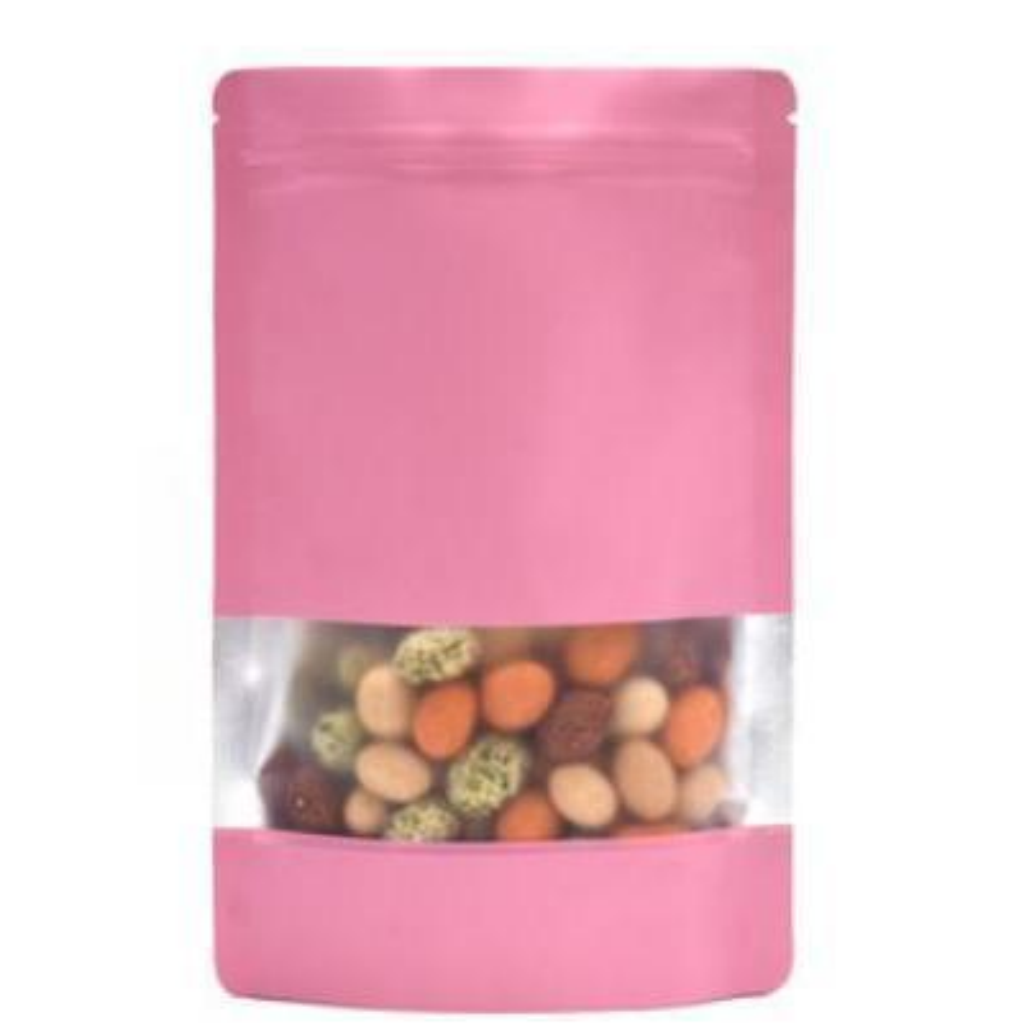
Smart design features in grocery & retail packaging have revolutionized the consumer experience by integrating convenience, functionality, and information accessibility into every interaction with packaged products. These innovative design elements transform packaging from simple containers into interactive interfaces that enhance usability, provide valuable information, and improve overall satisfaction throughout the product lifecycle. Easy-open mechanisms eliminate frustration associated with difficult-to-access packages, incorporating tear strips, perforations, and ergonomic grips that accommodate users with varying physical capabilities and ages. Resealable closures extend product freshness after initial opening while providing portion control benefits that help consumers manage consumption and reduce waste. These closure systems utilize advanced adhesive technologies and mechanical sealing methods that maintain effectiveness through multiple open-close cycles. Transparent windows and clear sections allow visual product inspection without opening packages, enabling consumers to assess quality, quantity, and condition before purchase decisions. This transparency builds trust and confidence while reducing returns and exchanges due to unmet expectations. Interactive packaging incorporates QR codes, near-field communication chips, and augmented reality features that provide access to detailed product information, recipes, nutritional data, and brand content through smartphone interactions. This digital connectivity bridges physical and digital experiences, offering personalized content and engagement opportunities. Portion control features such as individual serving sizes, measurement markings, and pre-divided sections help consumers manage intake for health and dietary goals while reducing preparation time and waste. Microwave-safe and oven-safe designs enable direct heating in original packaging, eliminating transfer steps and additional cleanup requirements. Storage optimization features include stackable designs, space-efficient shapes, and integrated handles that improve organization in pantries, refrigerators, and freezers. Universal design principles ensure packaging accessibility for consumers with disabilities, incorporating tactile indicators, high-contrast labeling, and intuitive opening mechanisms. These smart design features collectively create positive brand associations, increase repurchase likelihood, and generate word-of-mouth recommendations that drive market growth and customer loyalty in competitive retail environments.
Comprehensive Grocery & Retail Packaging Solutions: Advanced Protection, Sustainability, and Consumer Innovation

Get a Free Quote

Our representative will contact you soon.
Email
Mobile
Name
Company Name
Message
0/1000