metalized food bags
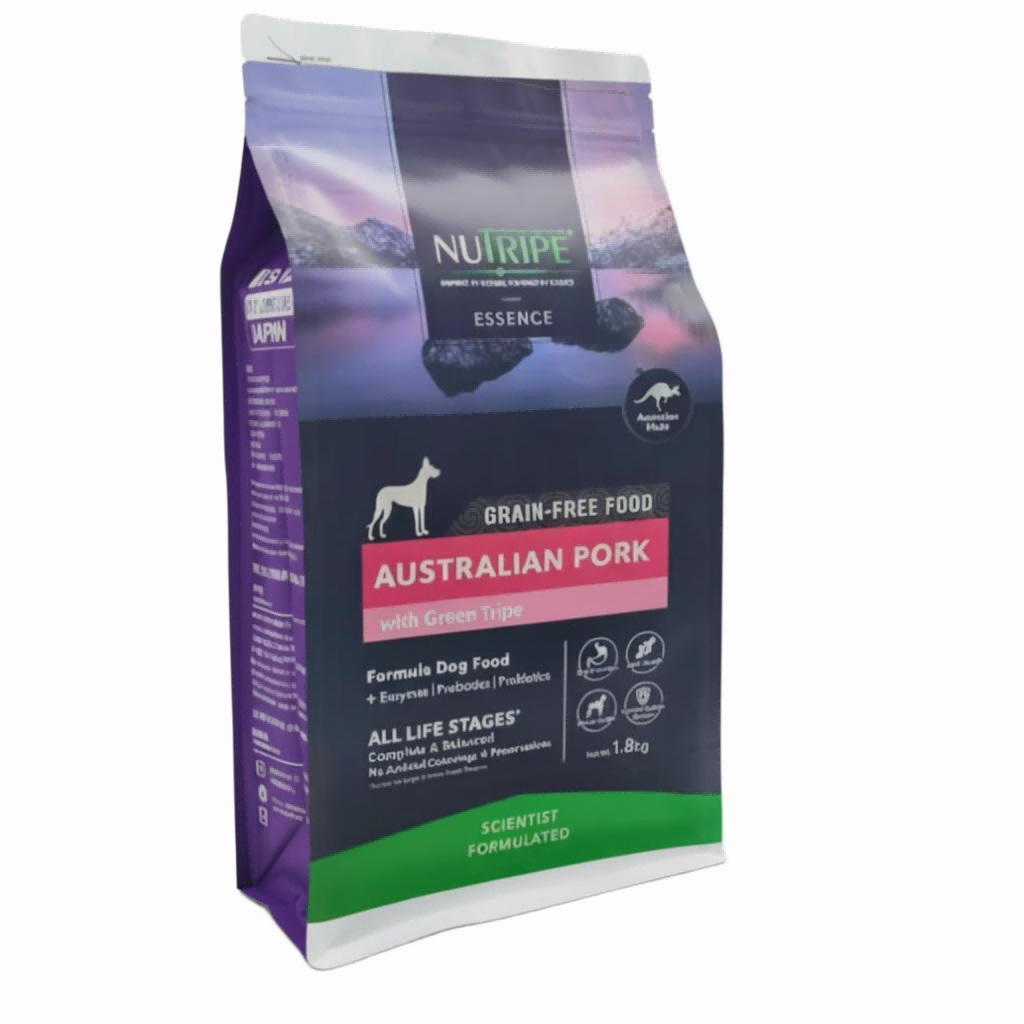
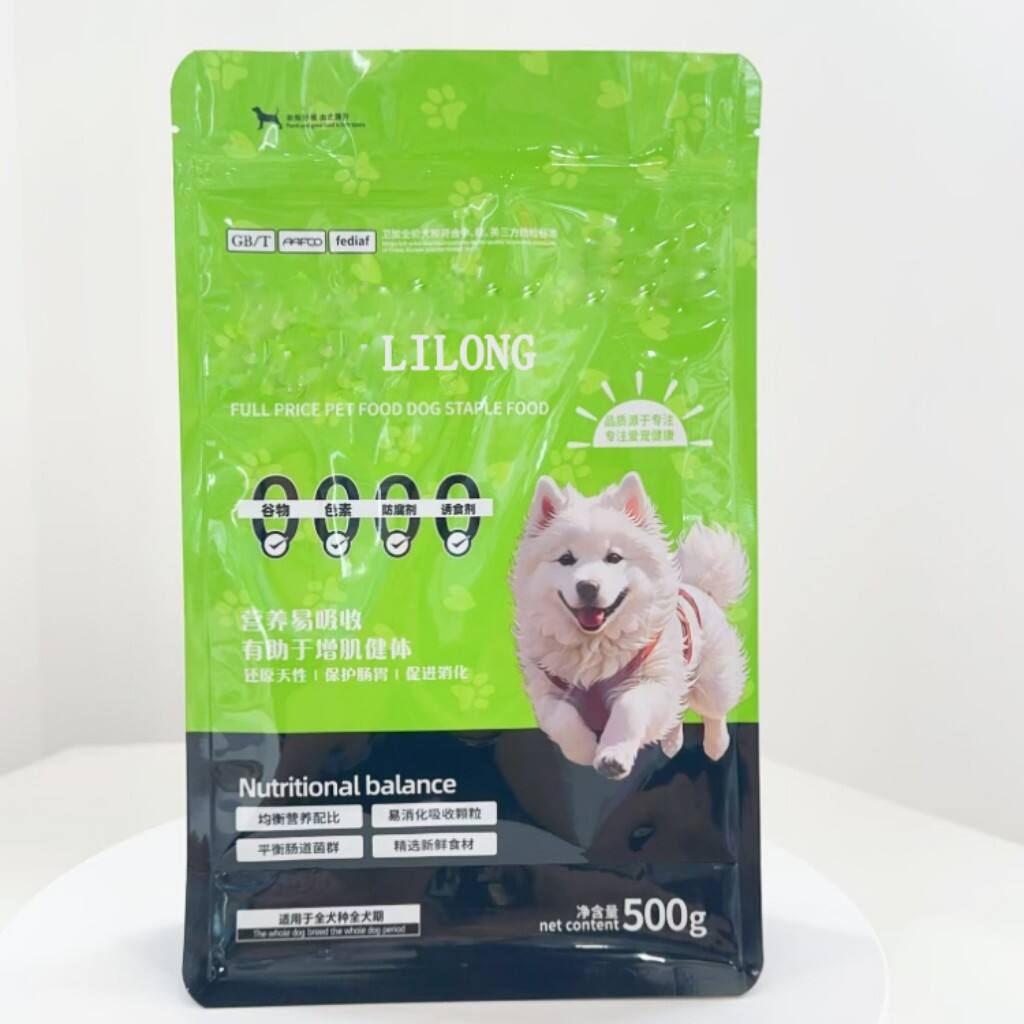
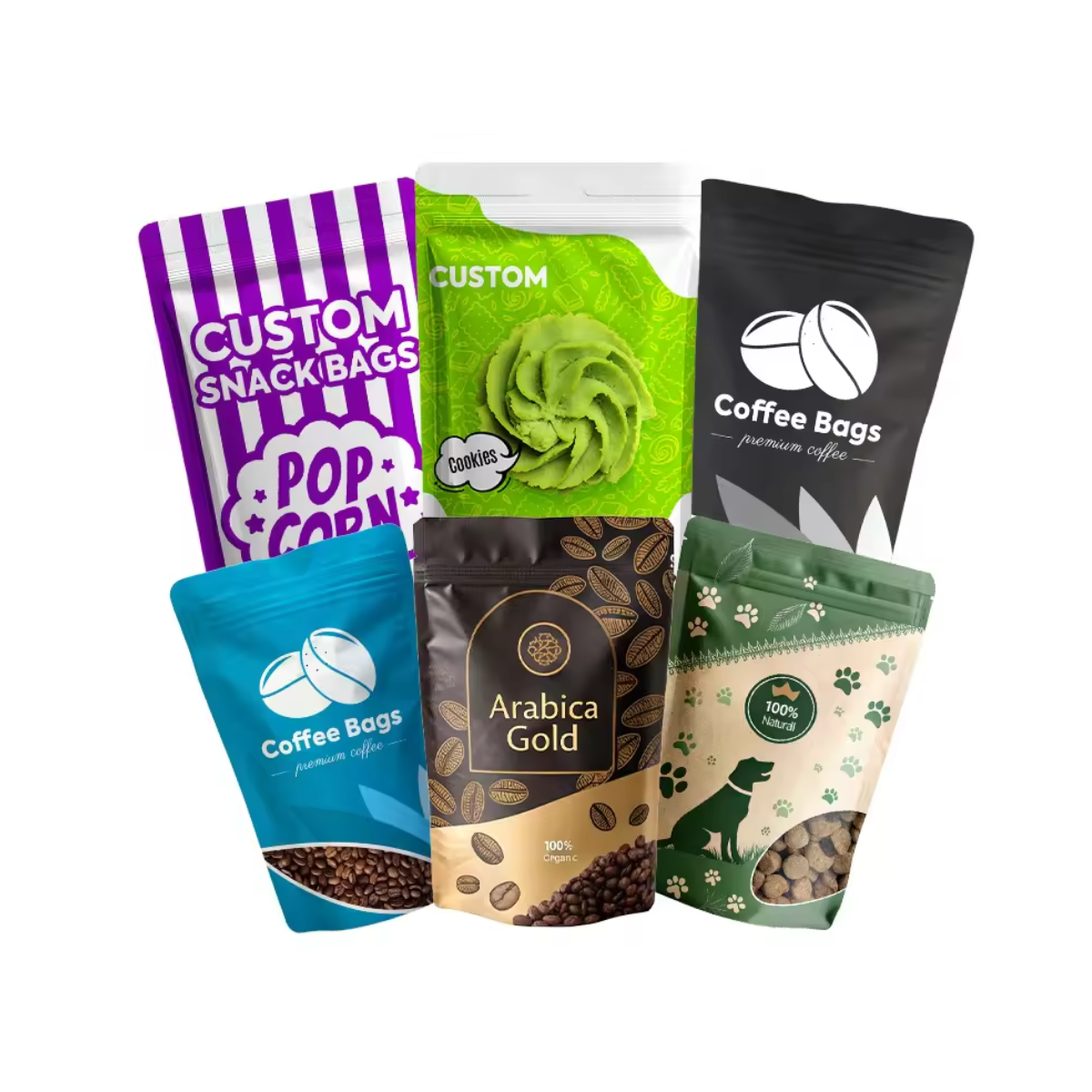
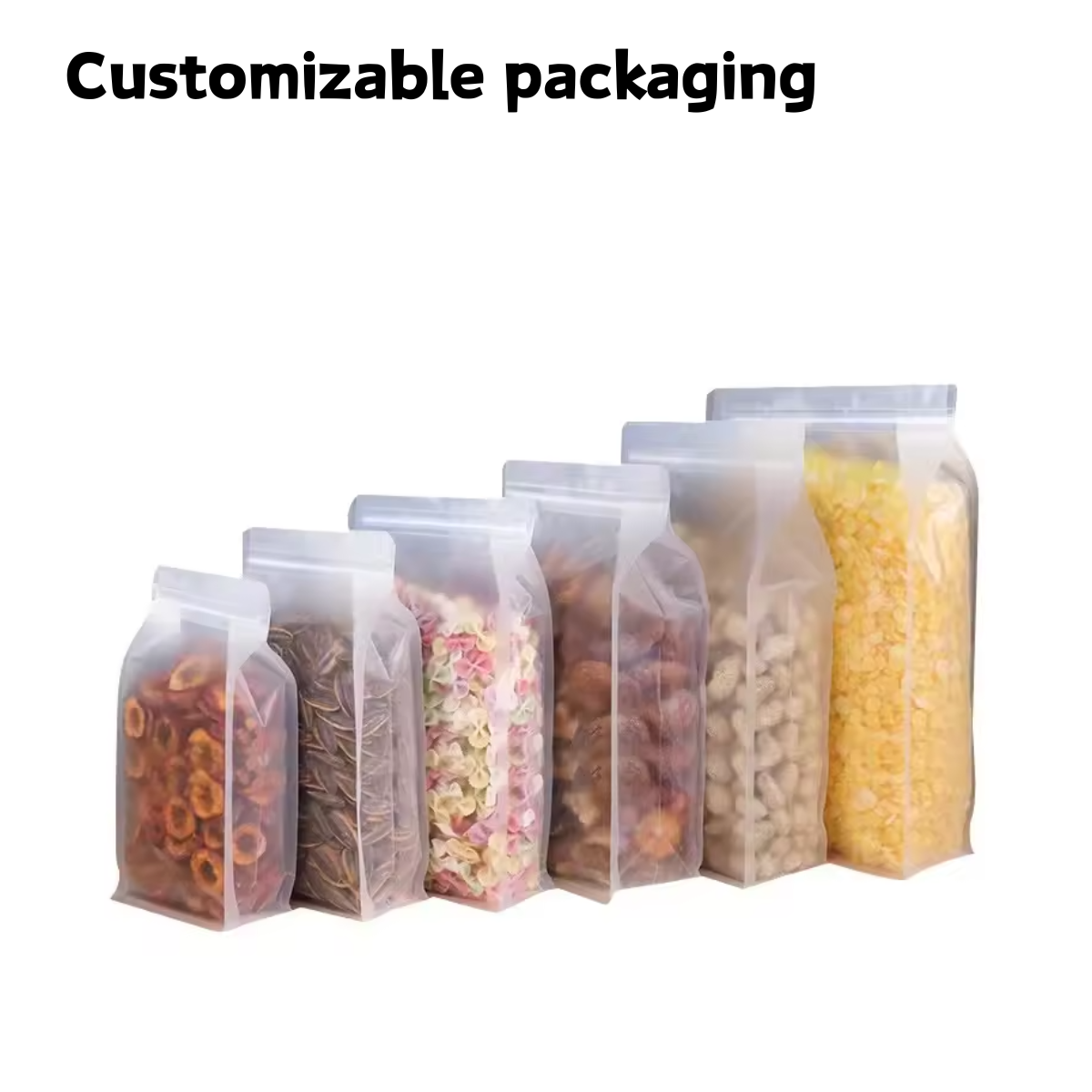
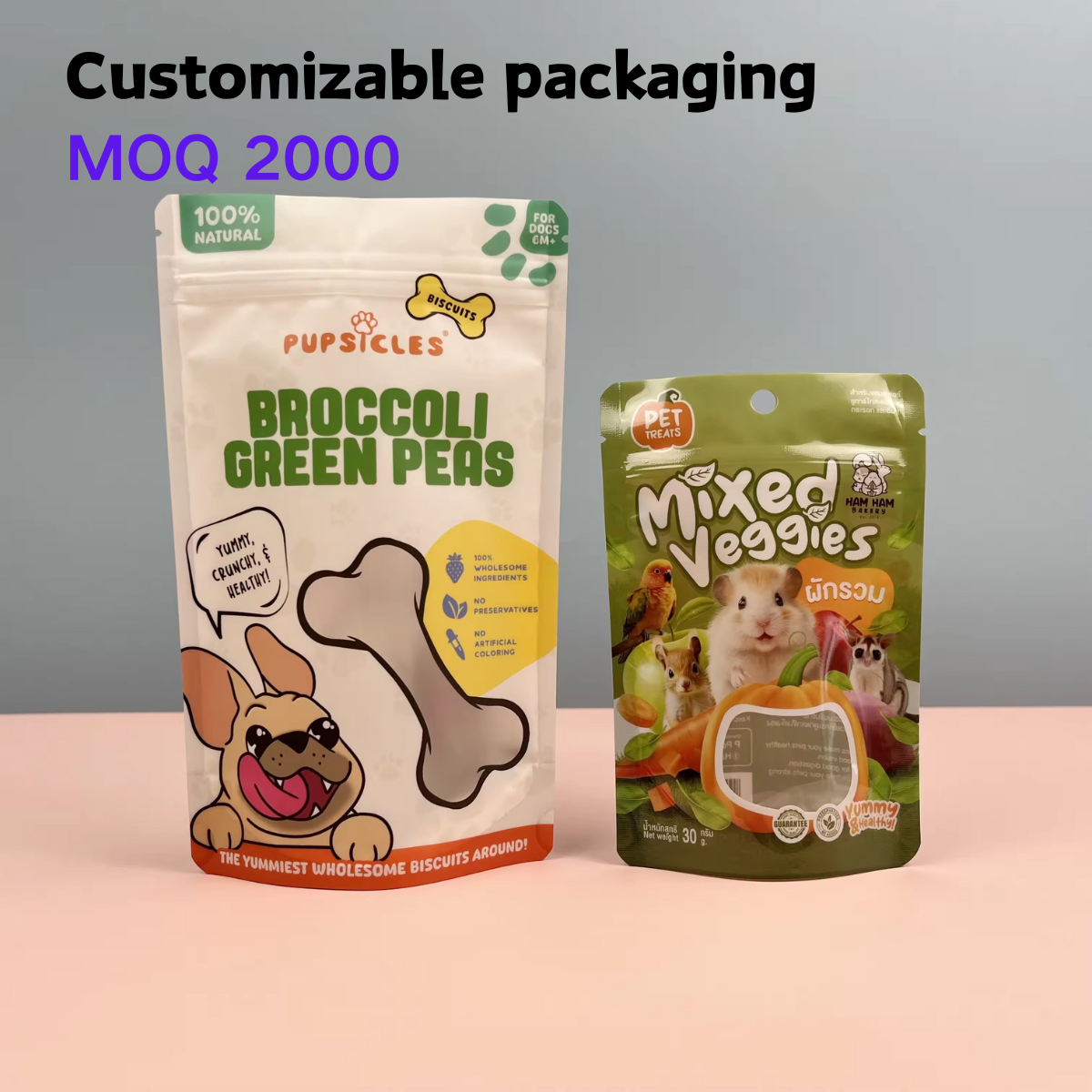
Metalized food bags represent a revolutionary advancement in food packaging technology, combining the protective qualities of metallic barriers with the flexibility and convenience of traditional plastic packaging. These innovative packaging solutions feature a thin metallic layer, typically aluminum, that is deposited onto a polymer substrate through a specialized vacuum metallization process. The metalized food bags create an exceptional barrier against moisture, oxygen, light, and other environmental factors that can compromise food quality and safety. The metallization process involves vaporizing aluminum in a vacuum chamber, allowing it to condense onto the polymer film surface, creating an ultra-thin metallic coating that maintains the bag's flexibility while dramatically enhancing its protective properties. This technology enables food manufacturers to extend product shelf life significantly while maintaining optimal freshness, flavor, and nutritional value. The metalized food bags are engineered with multiple layer structures that combine different materials to achieve specific performance characteristics. The outer layer typically provides mechanical strength and printability, while the metallized layer serves as the primary barrier, and inner layers ensure food safety and heat sealability. These bags excel in applications requiring superior protection against environmental degradation, making them ideal for packaging coffee, snacks, dried fruits, nuts, pet food, and other moisture-sensitive products. The reflective properties of metalized food bags also provide excellent light protection, preventing photodegradation of sensitive ingredients and maintaining product appearance. Modern metalized food bags incorporate advanced sealing technologies that ensure airtight closures, preventing contamination and maintaining product integrity throughout the supply chain. The manufacturing process allows for precise control over barrier properties, enabling customization based on specific product requirements and storage conditions.
 EN
EN