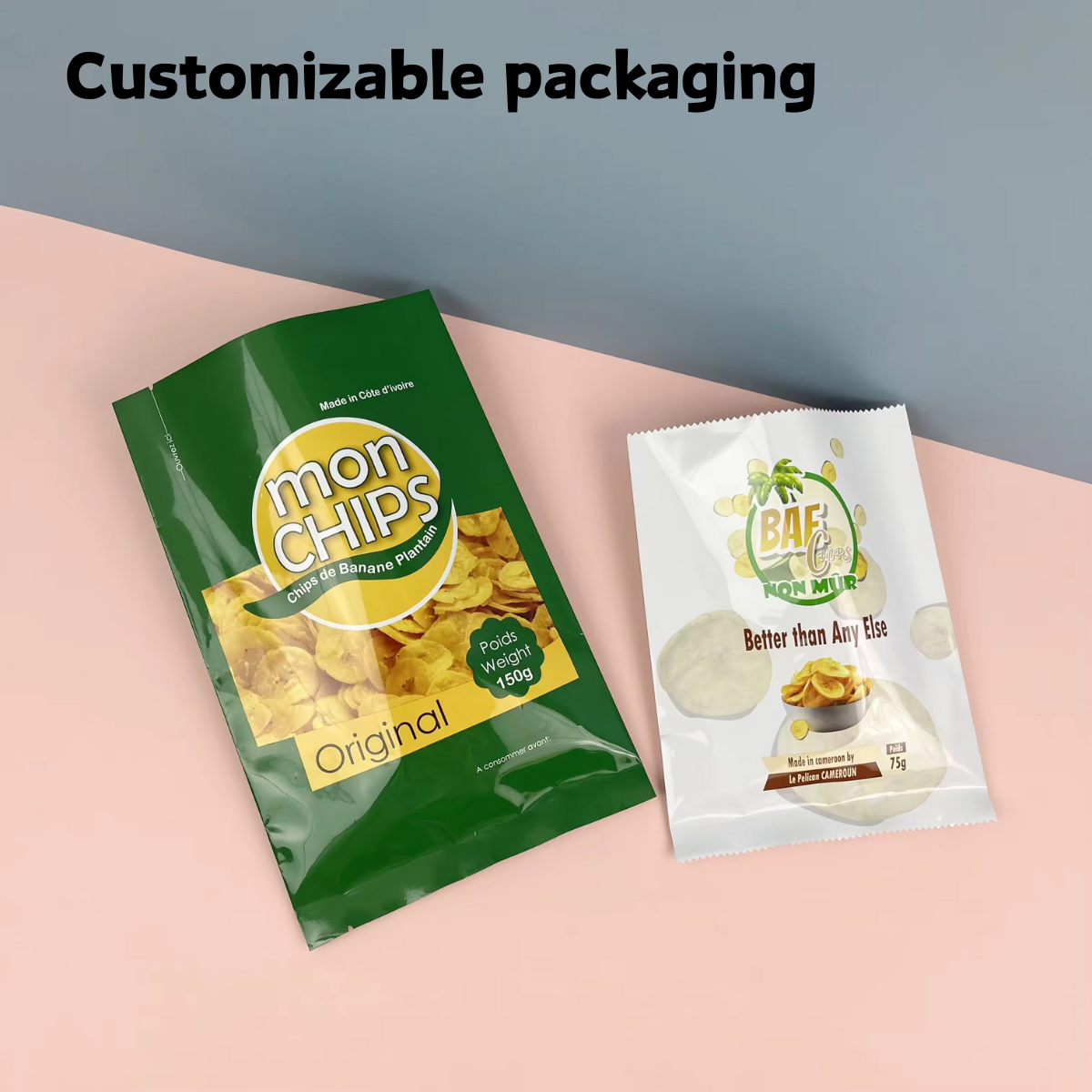
metalized bags
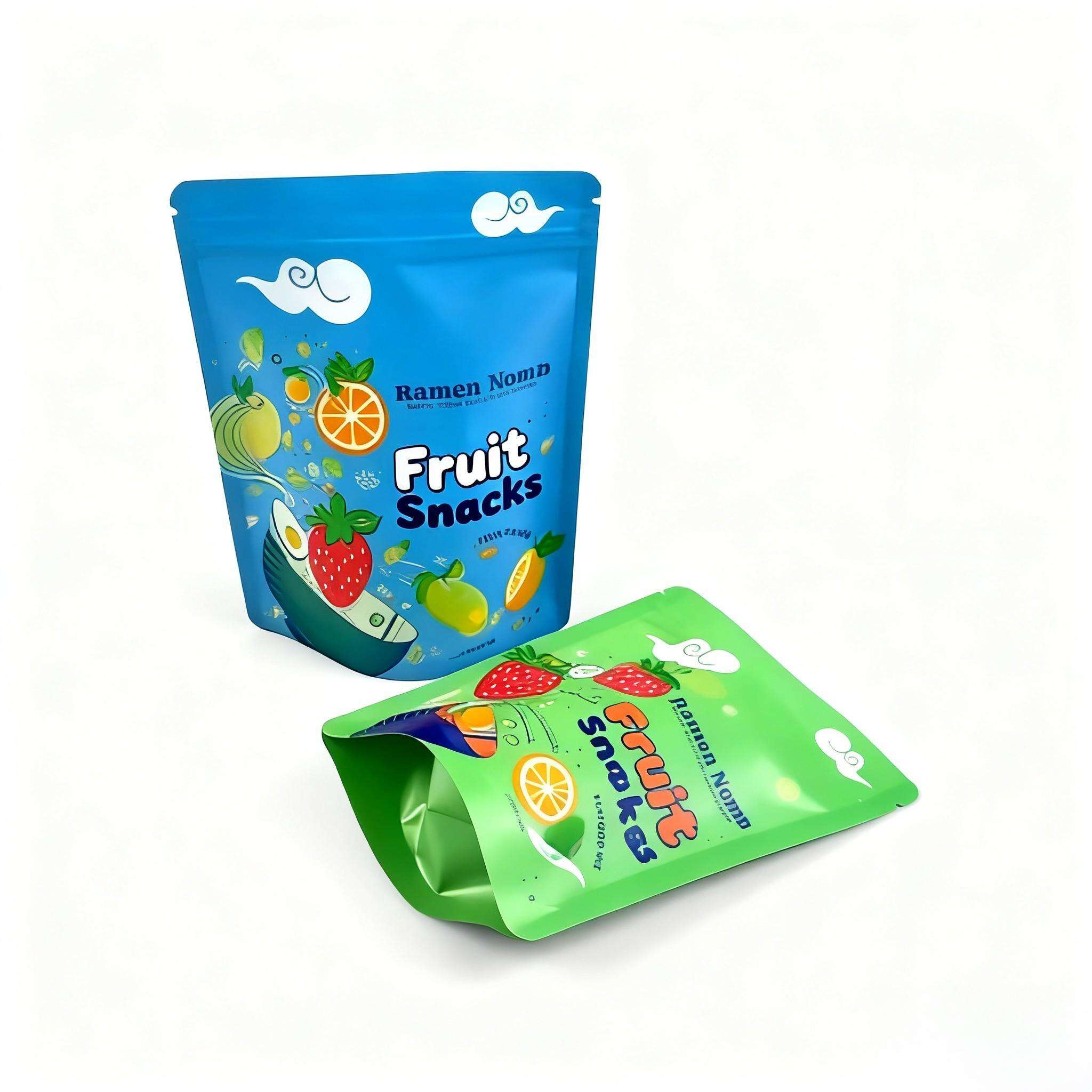
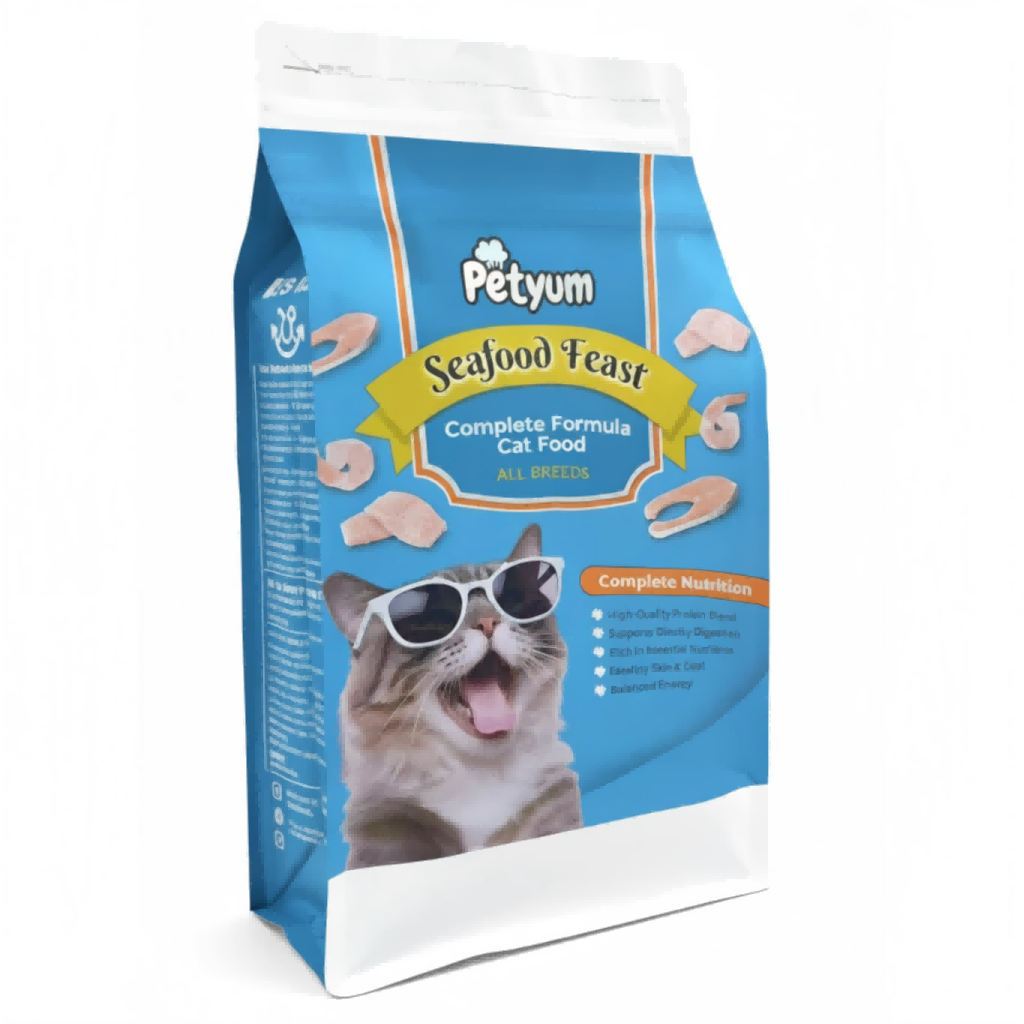
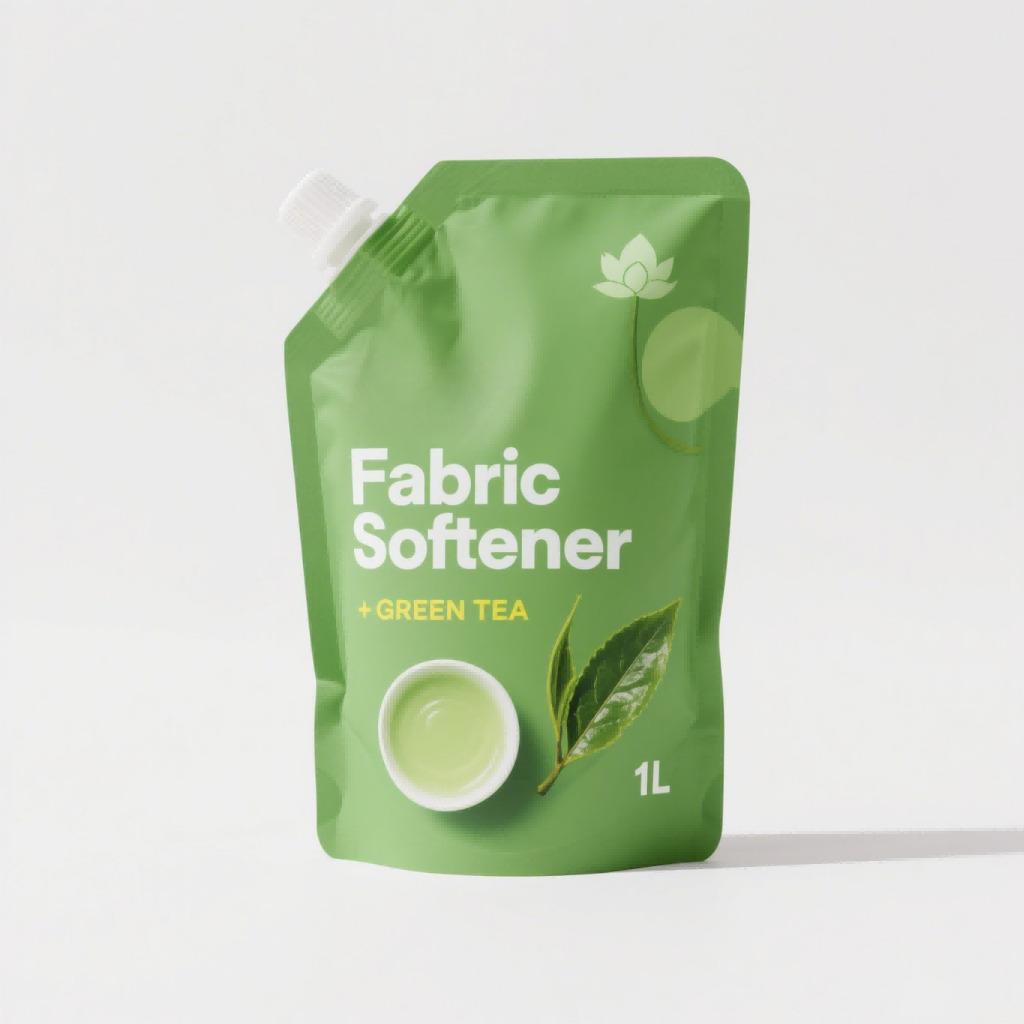
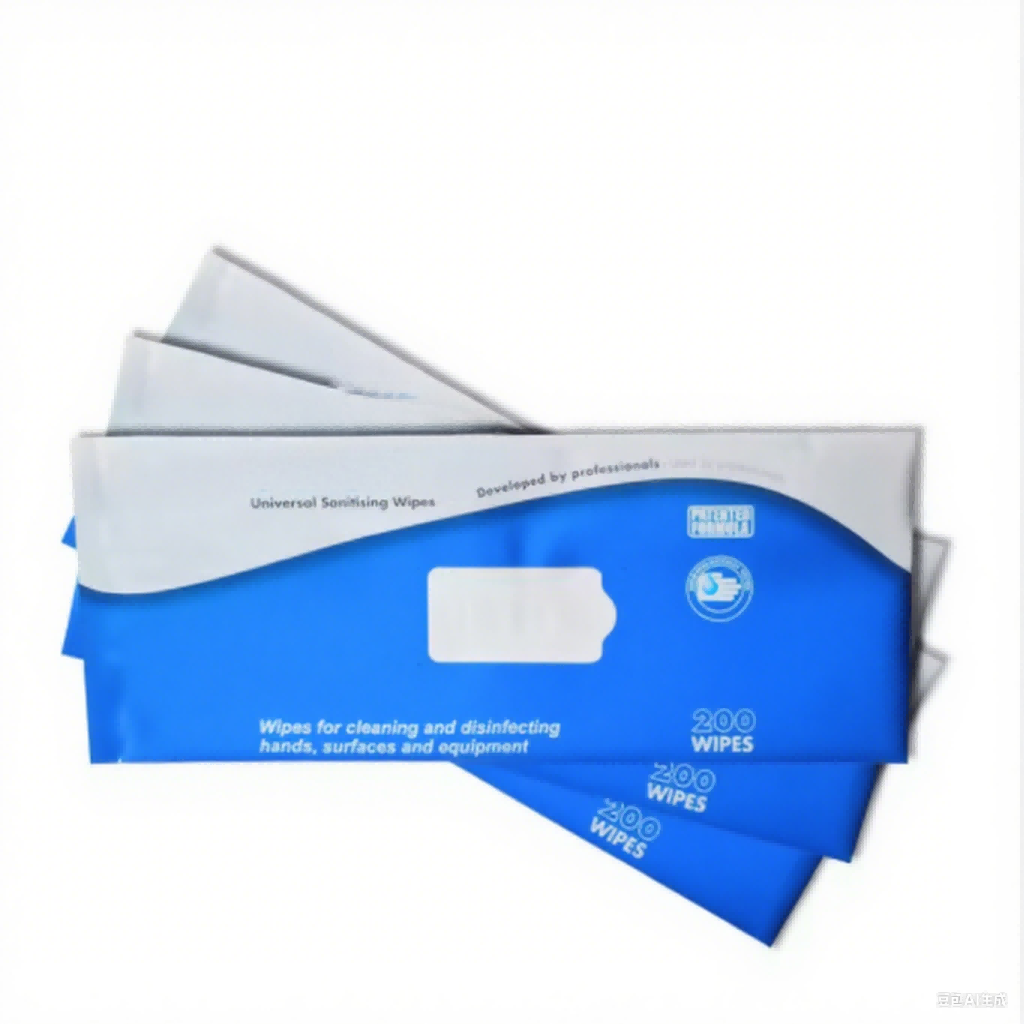
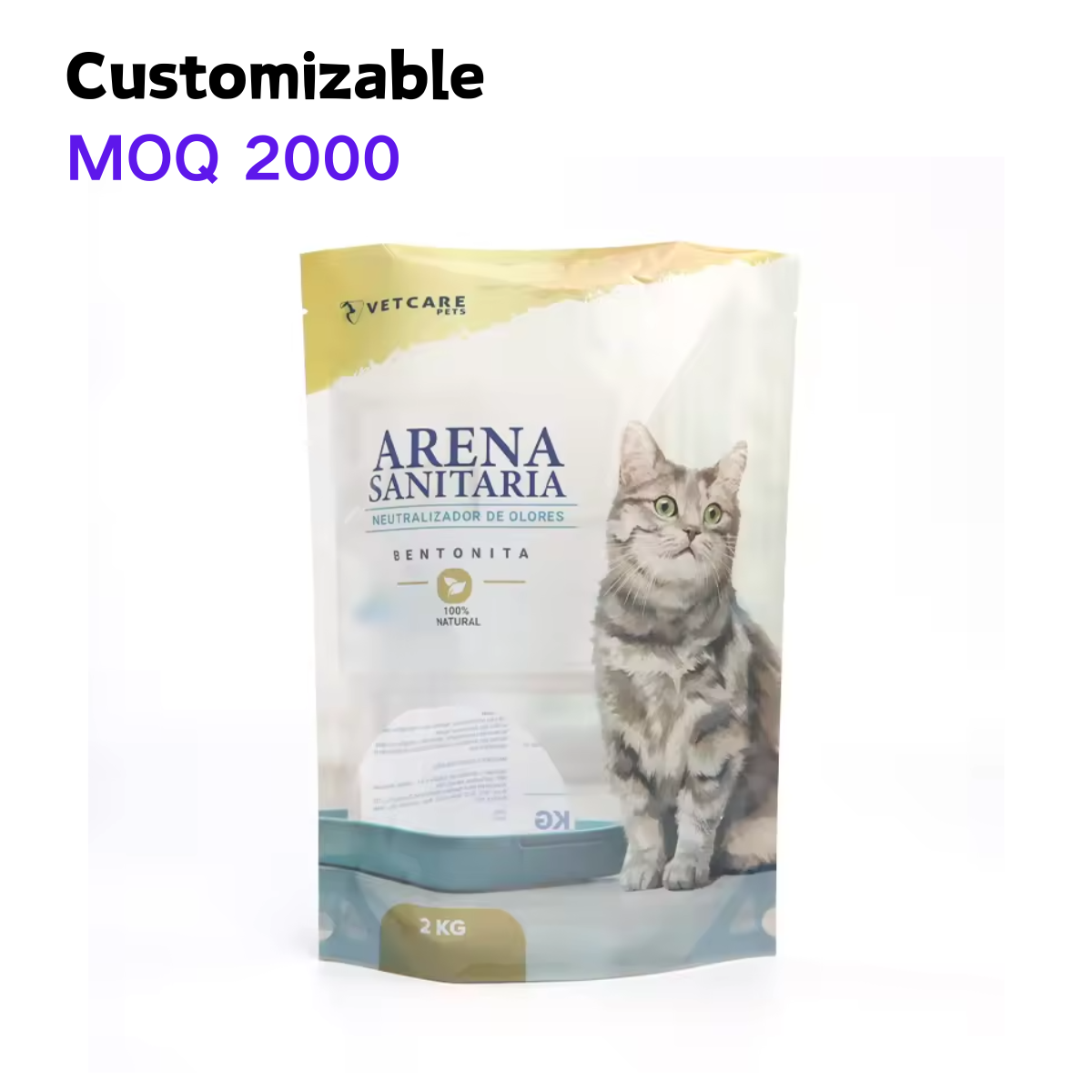
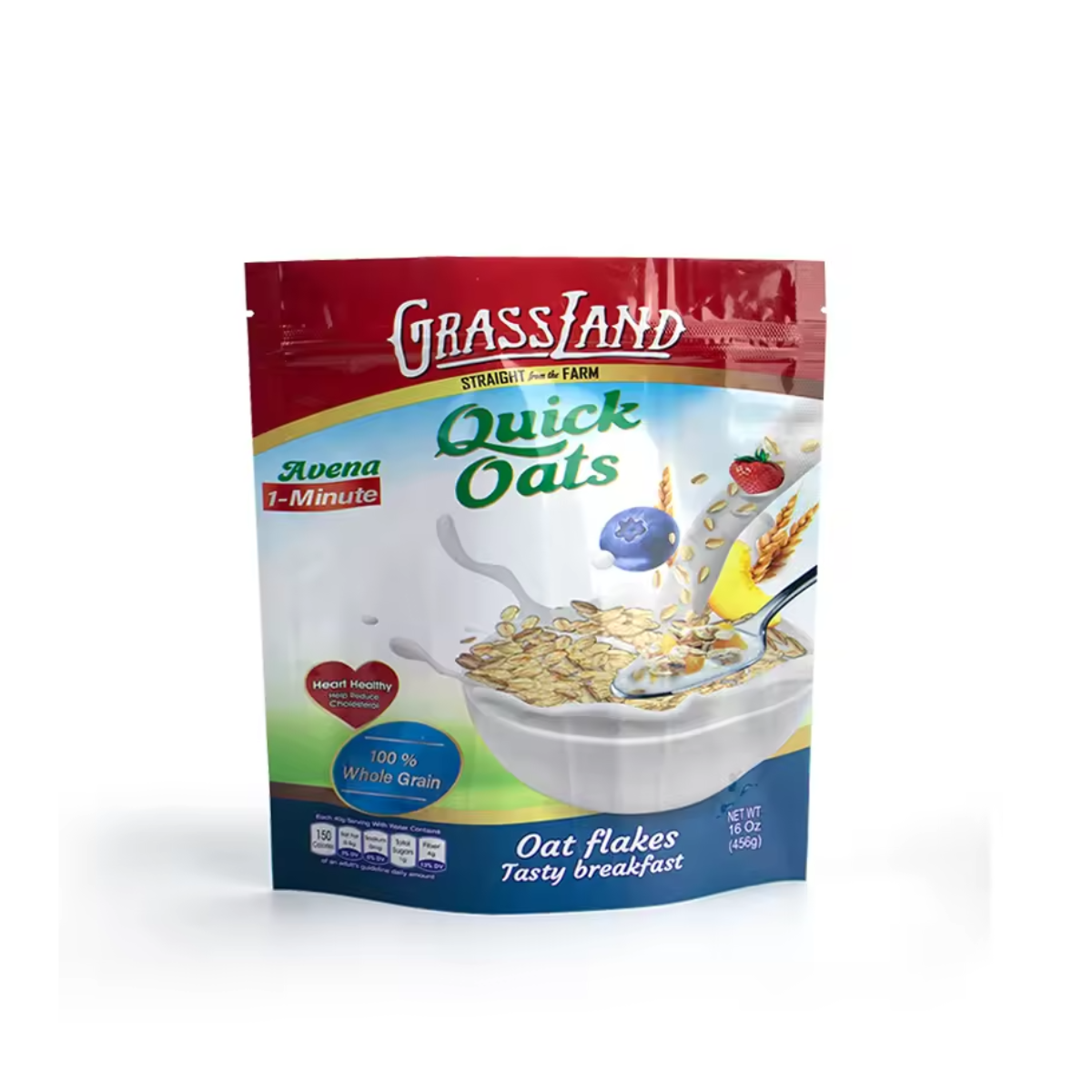
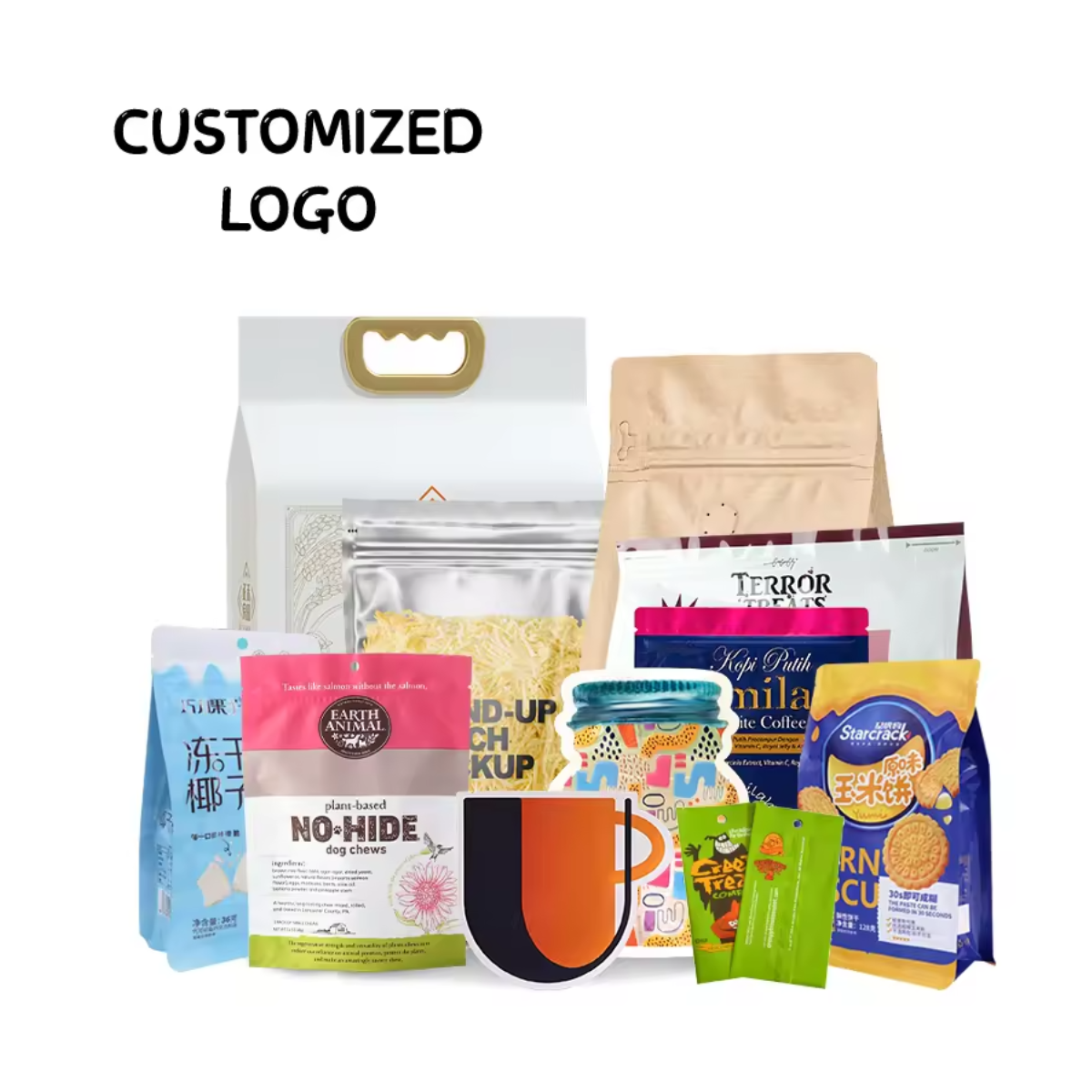
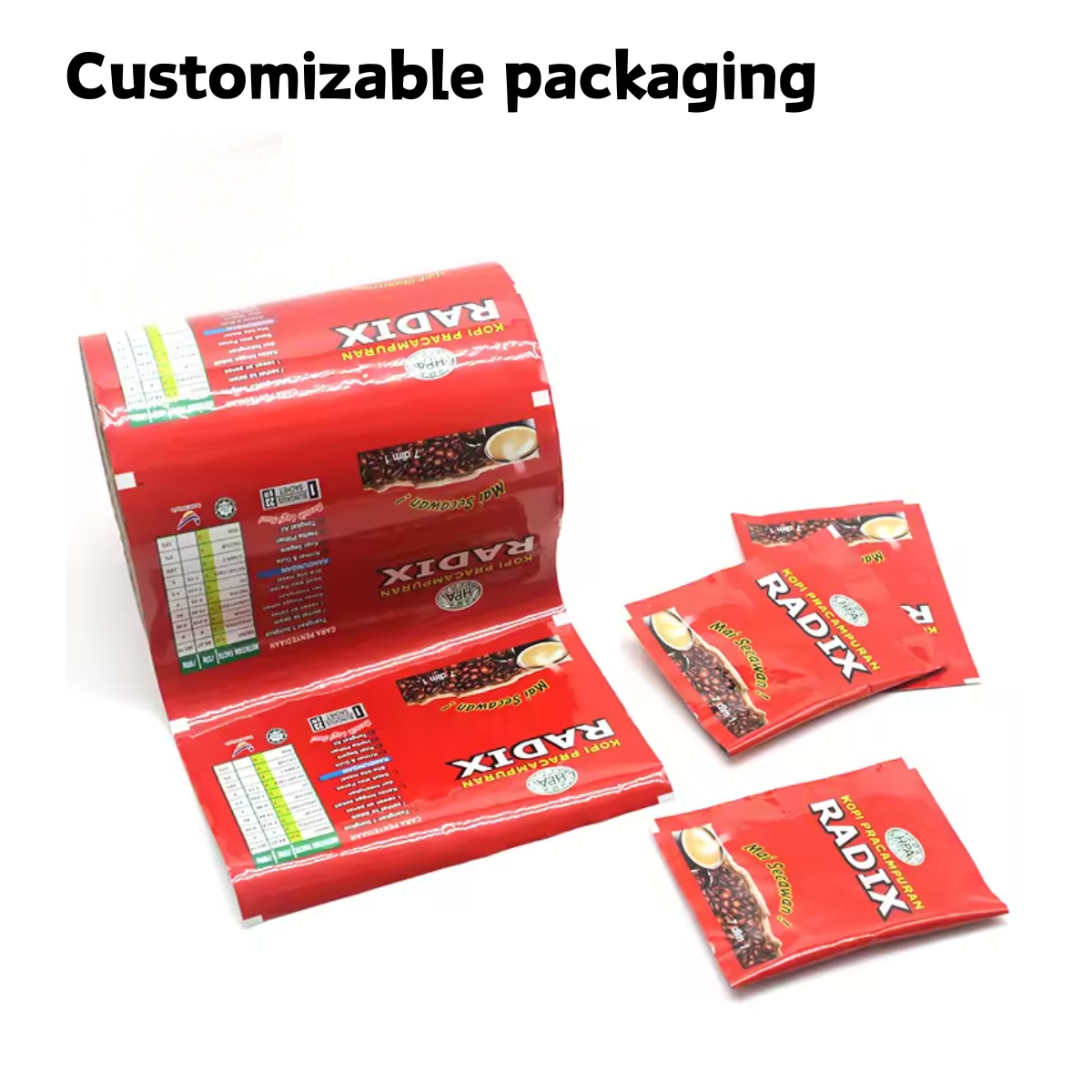
Metalized bags represent a cutting-edge packaging solution that combines advanced barrier technology with versatile functionality. These innovative containers feature a thin layer of metal, typically aluminum, deposited onto a flexible substrate material such as plastic film or paper. The metallization process creates an exceptionally effective barrier against moisture, oxygen, light, and other environmental factors that can compromise product quality and shelf life. This sophisticated packaging technology has revolutionized multiple industries by offering superior protection while maintaining cost-effectiveness and practical usability. The metalized bags utilize vacuum deposition or sputtering techniques to apply microscopic metal layers, resulting in brilliant reflective surfaces that enhance visual appeal while delivering outstanding performance characteristics. The core functionality centers on creating an impermeable shield that preserves freshness, prevents contamination, and extends product longevity significantly beyond conventional packaging methods. These bags excel in applications requiring exceptional barrier properties, including food preservation, pharmaceutical storage, electronics protection, and industrial component packaging. The technological features include heat-sealable properties, tear resistance, puncture protection, and excellent printability for branding purposes. Manufacturing processes ensure consistent quality through precise control of metal layer thickness and substrate bonding. The bags can be customized with various closure mechanisms, including zip-locks, heat seals, and adhesive closures, depending on specific application requirements. Environmental considerations include recyclability options and reduced material usage compared to rigid packaging alternatives. The metalized bags offer remarkable versatility in size configurations, from small sachets to large industrial containers, accommodating diverse packaging needs across multiple sectors. Quality control measures ensure consistent barrier performance, with rigorous testing protocols verifying moisture vapor transmission rates, oxygen permeability, and seal integrity throughout the manufacturing process.
 EN
EN