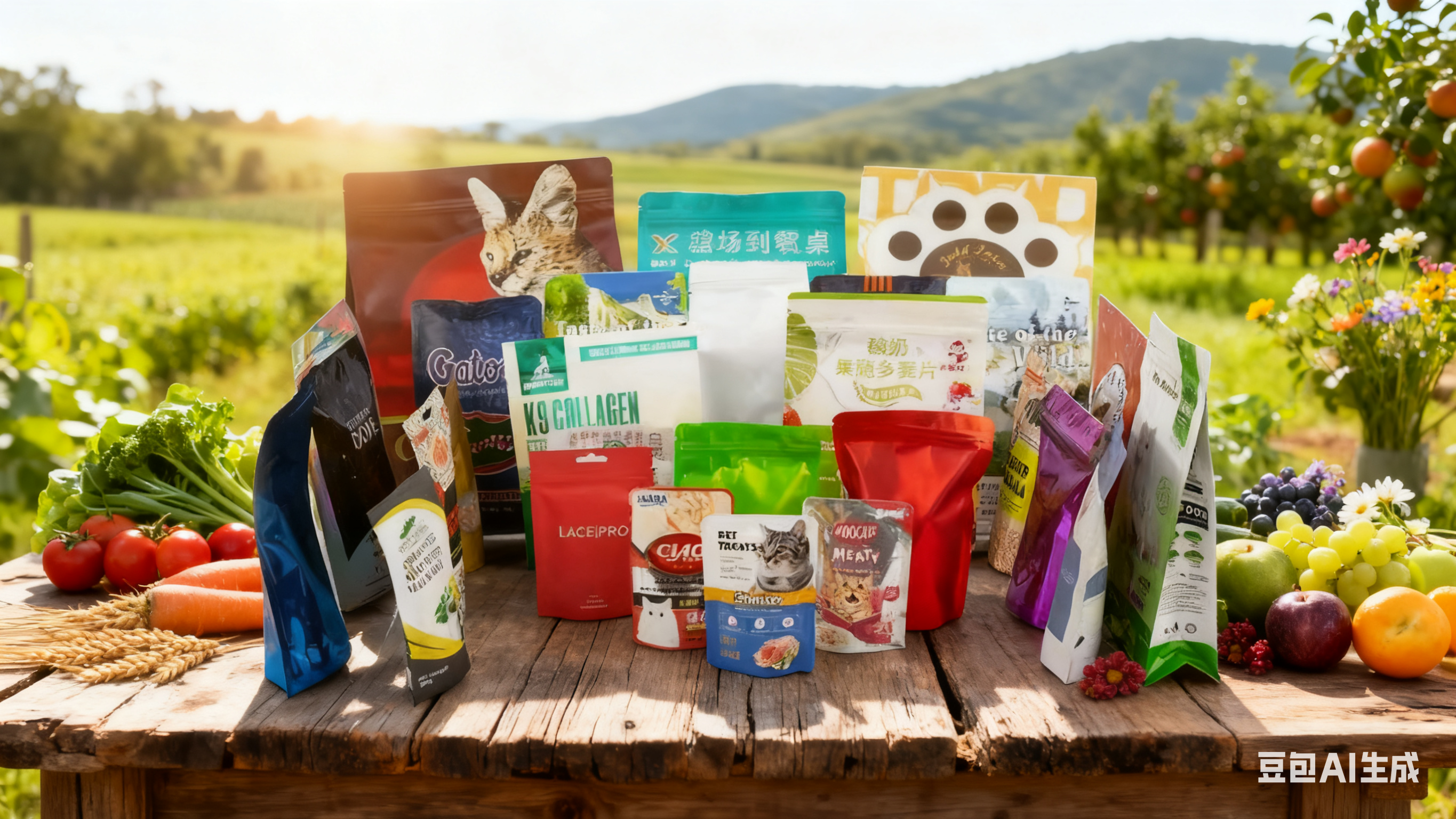
Revolutionary Packaging That Reduces Food Waste - Advanced Solutions for Extended Freshness

Get a Free Quote

Our representative will contact you soon.
Email
Phone
Name
Company Name
Message
0/1000

packaging that reduces food waste

Packaging that reduces food waste represents a revolutionary approach to preserving food quality and extending shelf life through innovative design and advanced materials. This specialized packaging technology focuses on creating protective barriers that maintain optimal conditions for various food products while minimizing environmental impact. The primary functions of packaging that reduces food waste include moisture control, oxygen regulation, temperature stabilization, and contamination prevention. These systems work together to slow down natural deterioration processes that cause food spoilage. Modern packaging that reduces food waste incorporates smart materials such as modified atmosphere packaging (MAP), vacuum sealing technologies, and antimicrobial coatings that actively fight bacterial growth. The technological features include selective permeability membranes that allow beneficial gases to escape while preventing harmful elements from entering. Active packaging components release preservative compounds gradually, maintaining freshness throughout the supply chain. Time-temperature indicators provide visual cues about product quality, helping consumers make informed decisions. Packaging that reduces food waste applications span across multiple sectors including fresh produce, dairy products, meat processing, bakery items, and ready-to-eat meals. The retail industry benefits significantly from extended display periods, while consumers enjoy longer storage times at home. These solutions address critical challenges in food distribution networks where traditional packaging falls short. Intelligent sensors embedded within packaging that reduces food waste monitor internal conditions and communicate freshness status through digital interfaces. Bio-based materials derived from natural sources offer sustainable alternatives to conventional plastic packaging. The integration of nanotechnology creates microscopic barriers that enhance protection without adding bulk. Advanced coating technologies provide additional layers of defense against moisture, light exposure, and chemical reactions that accelerate spoilage.

New Products

Packaging that reduces food waste delivers substantial economic benefits by extending product shelf life and minimizing losses throughout the supply chain. Retailers experience significant cost savings as products remain sellable for longer periods, reducing markdowns and disposal expenses. Consumers benefit from extended freshness at home, allowing more flexible meal planning and reducing grocery shopping frequency. The environmental advantages of packaging that reduces food waste are equally compelling, as preventing food spoilage reduces methane emissions from landfills and conserves resources used in food production. Advanced barrier properties maintain nutritional value by protecting vitamins and minerals from degradation caused by light, air, and moisture exposure. Packaging that reduces food waste enhances food safety through antimicrobial properties that inhibit harmful bacteria growth, reducing foodborne illness risks. The improved preservation capabilities allow for longer transportation distances, enabling access to fresh foods in remote areas and expanding market reach for producers. Manufacturing efficiency increases as companies can optimize production schedules without worrying about rapid spoilage, leading to better resource allocation and reduced waste in processing facilities. Packaging that reduces food waste supports sustainable agriculture by ensuring that crops reach consumers in optimal condition, maximizing the return on farming investments and encouraging continued production of fresh, healthy foods. Smart labeling systems integrated into packaging that reduces food waste provide real-time information about product quality, eliminating guesswork and preventing premature disposal of still-fresh items. The technology reduces the need for chemical preservatives in many products, appealing to health-conscious consumers seeking cleaner ingredient lists. Supply chain optimization becomes possible as packaging that reduces food waste allows for more efficient inventory management and distribution planning. Healthcare costs decrease as improved food safety and nutrition preservation contribute to better public health outcomes. The technology enables smaller, more frequent deliveries without quality compromise, supporting local food systems and reducing transportation emissions per unit of fresh food delivered.

Tips And Tricks

How Can Plastic Packaging Bags Improve Product Shelf Life

13

Nov

How Can Plastic Packaging Bags Improve Product Shelf Life

Understanding the Impact of Advanced Packaging Solutions on Product Longevity The modern food and retail industries face an ongoing challenge: maintaining product freshness and quality while minimizing waste. Plastic packaging bags have emerged as a ...
View More
How to Source High-Quality Plastic Packaging Bags for Food Manufacturing

13

Nov

How to Source High-Quality Plastic Packaging Bags for Food Manufacturing

Mastering Food-Grade Packaging Solutions for Manufacturers In today's competitive food manufacturing landscape, selecting the right plastic packaging bags can make or break your product's success. These essential components not only preserve food qua...
View More
How Is PE Film Used in Industrial and Food Packaging Applications

13

Nov

How Is PE Film Used in Industrial and Food Packaging Applications

Understanding the Versatility of Polyethylene Film in Modern Packaging Polyethylene (PE) film has revolutionized the packaging industry, emerging as an indispensable material for both industrial and food packaging applications. This versatile materia...
View More
What Industries Benefit Most from Custom Printed Mylar Bags

13

Nov

What Industries Benefit Most from Custom Printed Mylar Bags

The packaging industry has witnessed a significant transformation in recent years, with businesses across various sectors recognizing the importance of premium, functional packaging solutions. Among the most versatile and effective options available ...
View More

Get a Free Quote

Our representative will contact you soon.
Email
Phone
Name
Company Name
Message
0/1000

packaging that reduces food waste

Advanced Barrier Technology and Selective Permeability

Advanced Barrier Technology and Selective Permeability

The cornerstone of packaging that reduces food waste lies in its sophisticated barrier technology that creates optimal microenvironments for different food types. This advanced system employs multi-layer films with selective permeability properties that control the exchange of gases, moisture, and other environmental factors that affect food quality. The technology works by incorporating specialized polymer materials that selectively allow certain molecules to pass through while blocking others. For example, packaging that reduces food waste for fresh produce allows ethylene gas to escape while preventing oxygen infiltration that accelerates ripening and decay. The selective permeability feature is calibrated based on the specific respiration rates and storage requirements of different food categories. Packaging that reduces food waste utilizes nanotechnology to create microscopic channels and barriers that provide precise control over atmospheric composition within the package. This technology maintains the ideal balance of carbon dioxide and oxygen levels that slow down metabolic processes in fresh foods without causing anaerobic conditions that promote spoilage. The advanced barrier properties also protect against light transmission, preventing photodegradation of nutrients and maintaining color stability in packaged foods. Moisture regulation through controlled water vapor transmission rates ensures that products maintain optimal humidity levels without becoming too dry or developing condensation that encourages bacterial growth. The packaging that reduces food waste incorporates active compounds within the barrier layers that continuously release antimicrobial agents, providing ongoing protection against contamination throughout the storage period. This technology eliminates the need for additional preservatives while maintaining superior food safety standards. The durability of these barrier systems ensures consistent performance throughout the entire supply chain, from production facilities to consumer homes, making packaging that reduces food waste a reliable solution for extended food preservation.
Smart Monitoring and Intelligent Freshness Indicators

Smart Monitoring and Intelligent Freshness Indicators

Packaging that reduces food waste integrates cutting-edge smart monitoring technology that provides real-time information about food quality and safety conditions. These intelligent systems utilize various sensor technologies including time-temperature indicators, pH sensors, and gas concentration monitors that continuously assess the internal environment of the package. The smart monitoring capabilities of packaging that reduces food waste enable both retailers and consumers to make informed decisions about product quality without relying on expiration dates alone. Visual indicators change color or display symbols when temperature abuse occurs during transportation or storage, alerting users to potential quality degradation. This technology prevents the consumption of compromised foods while avoiding unnecessary waste of products that remain safe and nutritious. Packaging that reduces food waste incorporates RFID tags and NFC technology that communicate with smartphones and inventory management systems, providing detailed history and current status information. The intelligent freshness indicators respond to specific biochemical changes that occur as food quality deteriorates, offering more accurate assessment than traditional date labeling systems. These sensors detect the production of volatile organic compounds, changes in pH levels, and bacterial activity that indicate spoilage before it becomes visually apparent. Packaging that reduces food waste with smart monitoring capabilities enables predictive analytics for supply chain management, allowing retailers to optimize inventory rotation and reduce losses. The technology supports cold chain monitoring by tracking temperature exposure throughout transportation and storage, ensuring that perishable products maintain quality from farm to fork. Integration with mobile applications allows consumers to scan packaging that reduces food waste to receive personalized storage recommendations, recipe suggestions based on remaining freshness, and alerts when products approach optimal consumption windows. This comprehensive monitoring system transforms packaging from a passive container into an active partner in food preservation and waste reduction.
Sustainable Materials and Circular Economy Integration

Sustainable Materials and Circular Economy Integration

The development of packaging that reduces food waste prioritizes environmental sustainability through the use of bio-based materials and circular economy principles. These innovative packaging solutions utilize renewable resources such as plant-based polymers, agricultural waste products, and biodegradable compounds that minimize environmental impact while maintaining superior food protection capabilities. The sustainable approach to packaging that reduces food waste includes the development of compostable materials that break down naturally at the end of their lifecycle, eliminating long-term waste accumulation. Advanced bio-plastics derived from corn starch, sugarcane, and other renewable feedstocks provide the same barrier properties as traditional petroleum-based materials while offering end-of-life disposal options that support soil health. Packaging that reduces food waste incorporates recycled content from post-consumer and post-industrial waste streams, creating closed-loop systems that reduce demand for virgin materials. The circular economy integration ensures that packaging materials can be recovered, reprocessed, and reintegrated into new packaging systems multiple times without performance degradation. Life cycle assessment studies demonstrate that packaging that reduces food waste delivers net positive environmental benefits by preventing food waste that would otherwise generate significant greenhouse gas emissions during decomposition. The sustainable design principles extend to manufacturing processes that minimize energy consumption, water usage, and chemical inputs while maintaining the high-performance characteristics essential for food preservation. Packaging that reduces food waste supports local economies by utilizing regionally available bio-materials and creating opportunities for agricultural waste valorization. The technology enables the development of edible packaging components that can be consumed along with the food product, eliminating waste entirely for certain applications. Renewable energy integration in manufacturing facilities further reduces the carbon footprint of packaging that reduces food waste production. These sustainable materials maintain compatibility with existing recycling infrastructure while offering enhanced biodegradation options for organic waste streams, supporting comprehensive waste management strategies that benefit both businesses and communities.
Revolutionary Packaging That Reduces Food Waste - Advanced Solutions for Extended Freshness

Get a Free Quote

Our representative will contact you soon.
Email
Phone
Name
Company Name
Message
0/1000