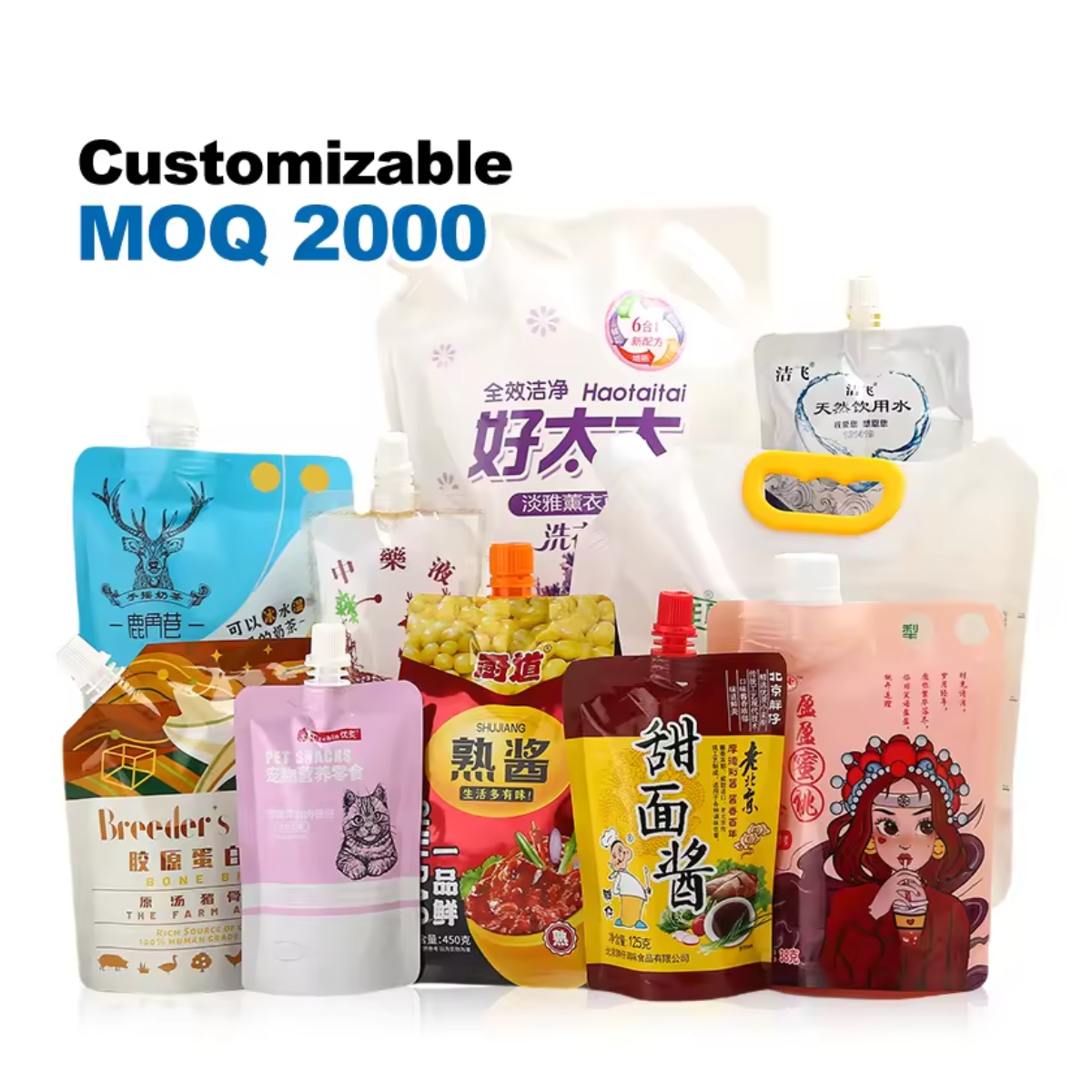
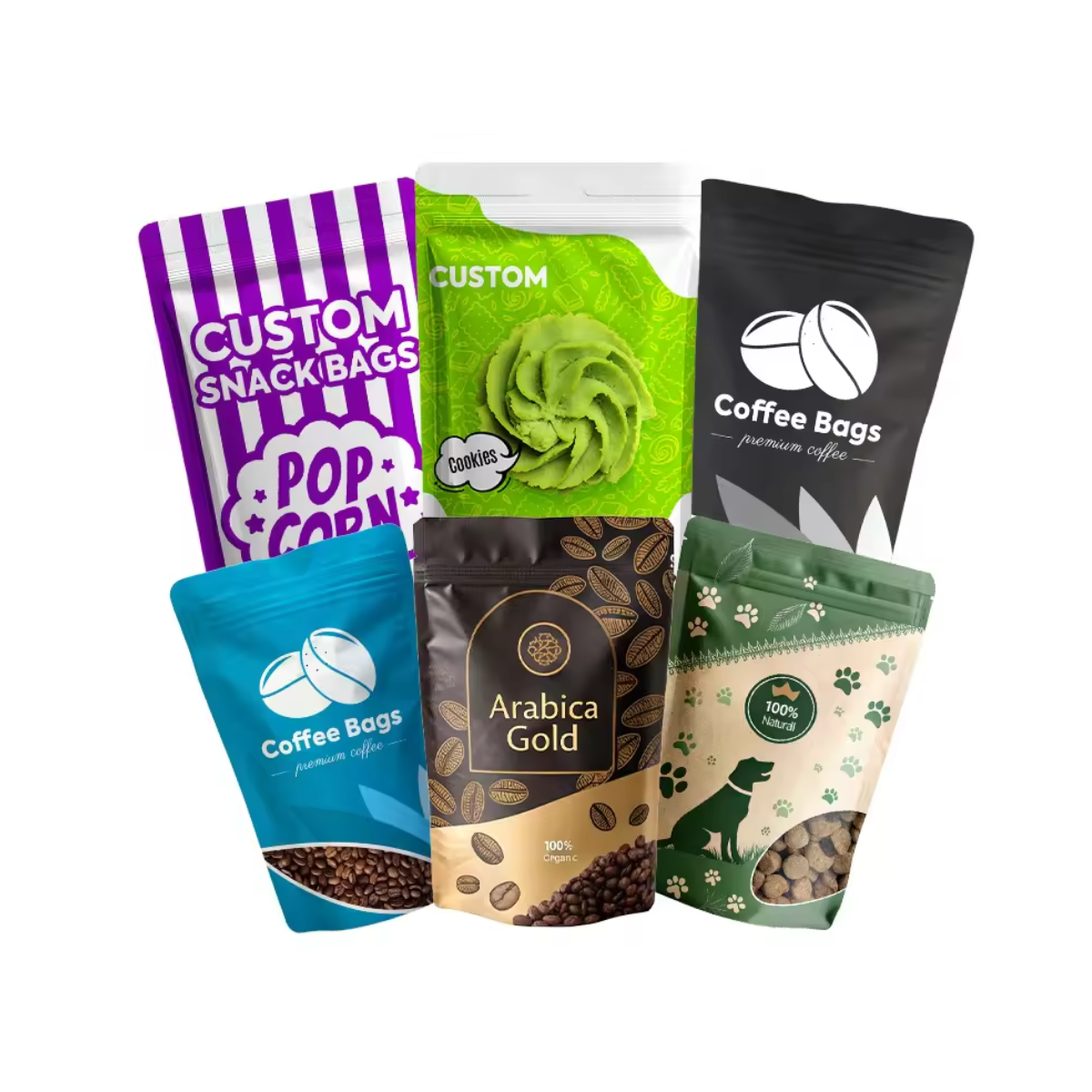
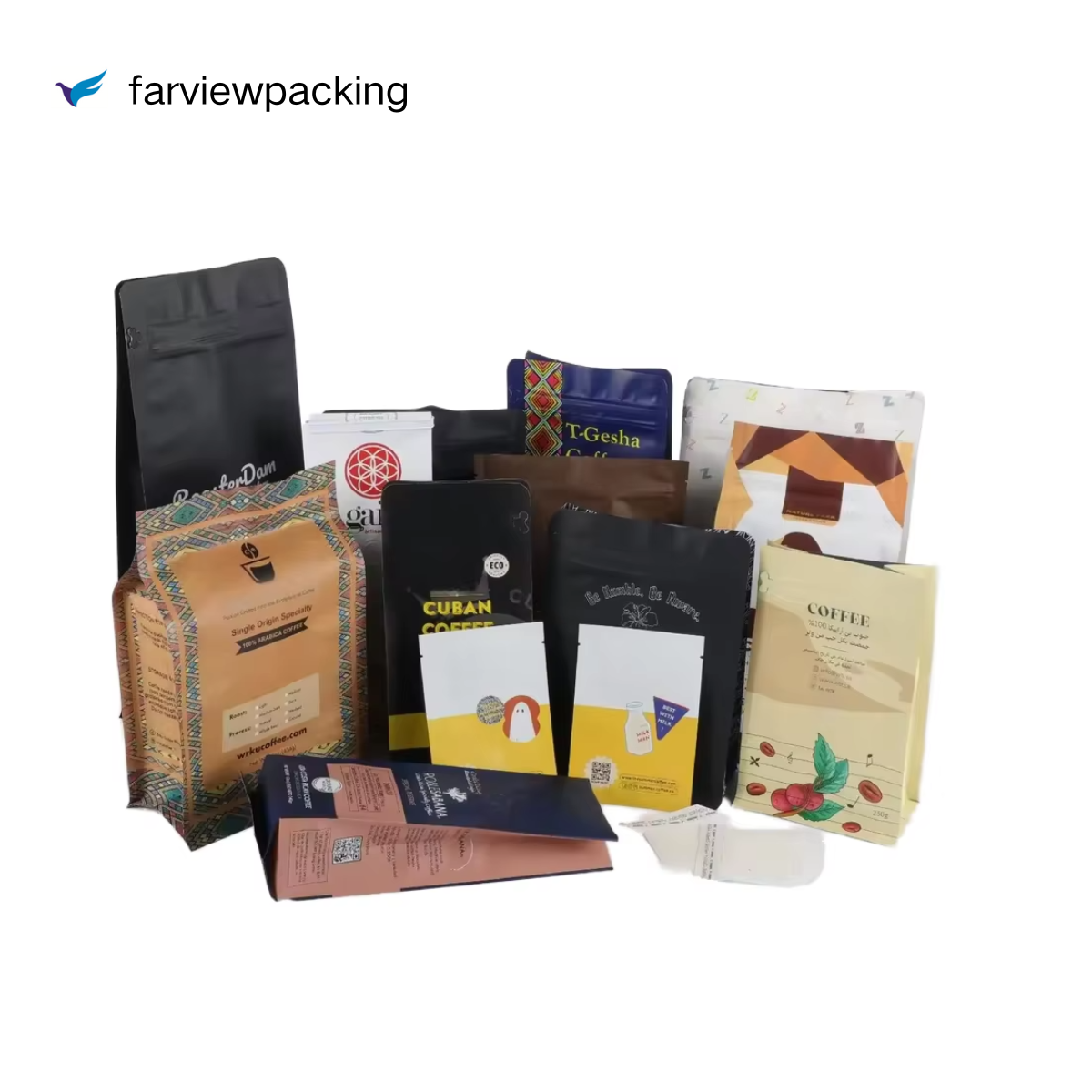
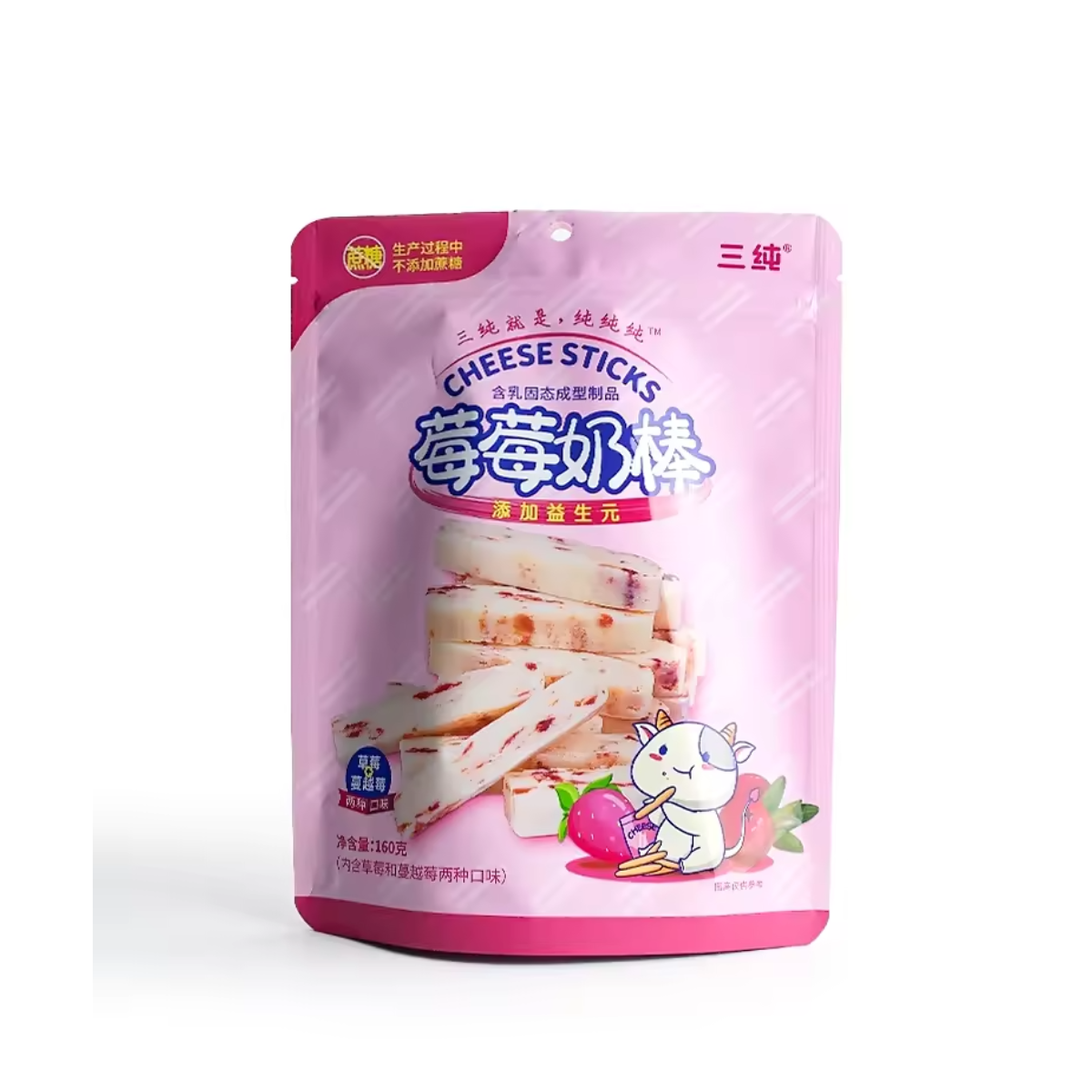
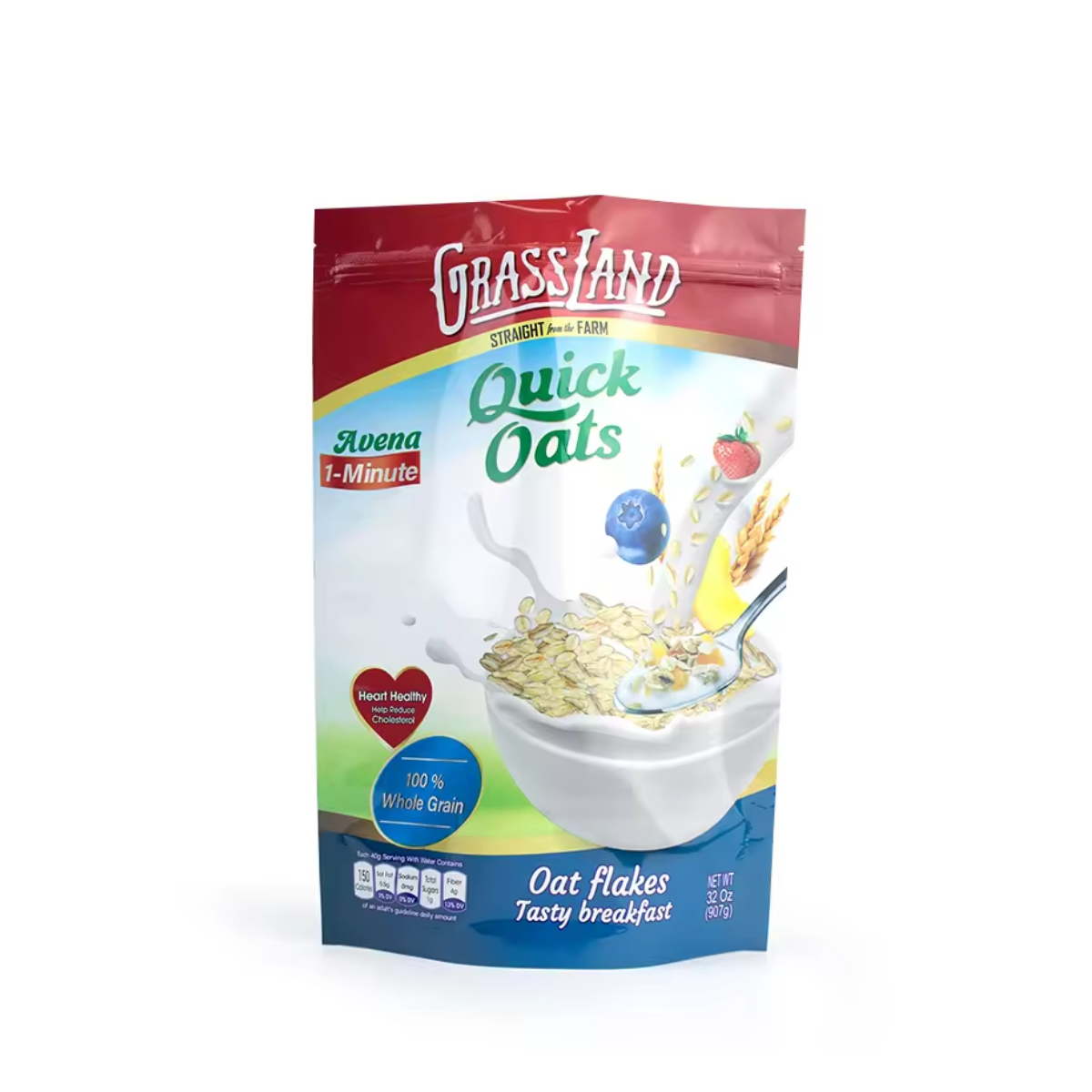
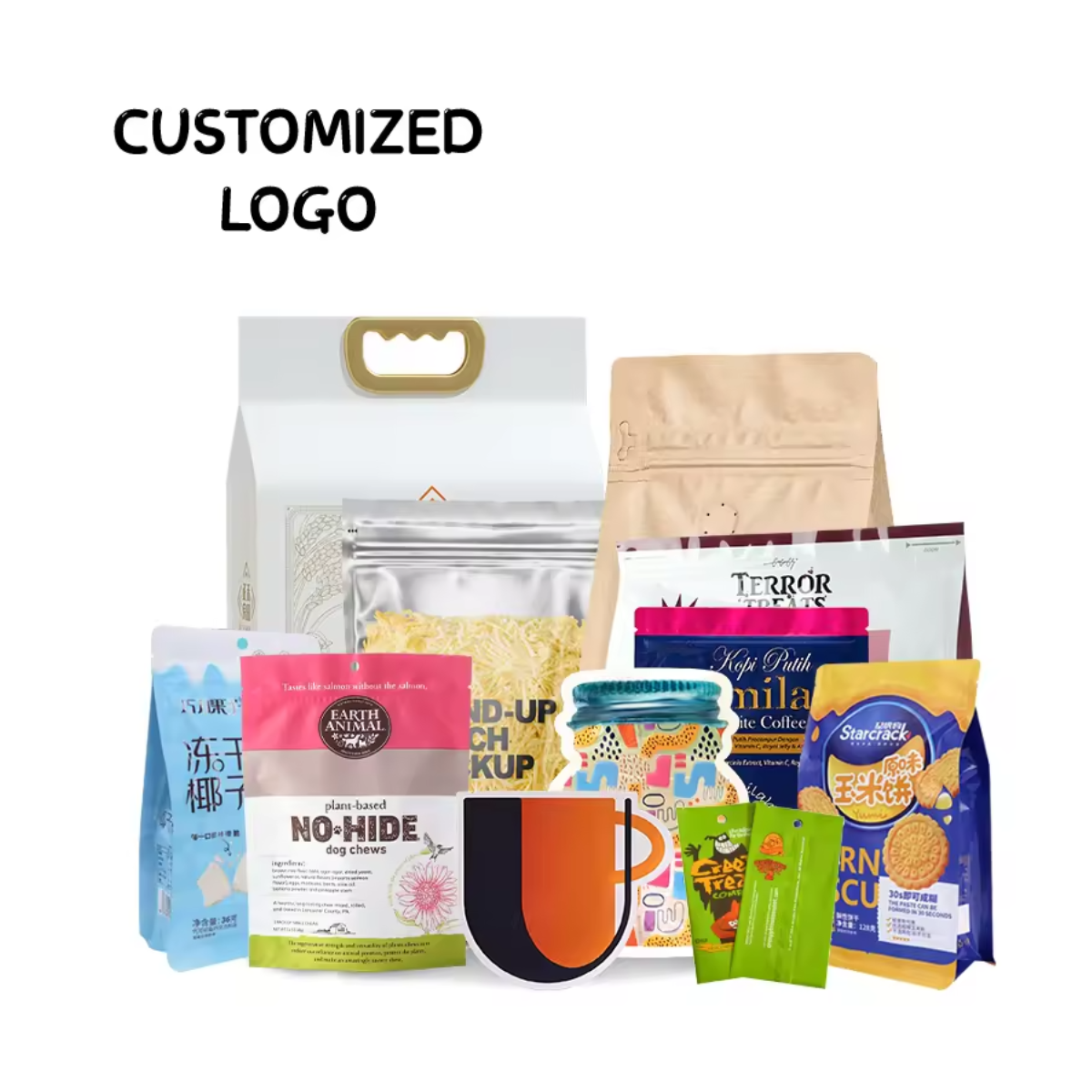
Sustainable Packaging Products: Revolutionary Eco-Friendly Solutions for Modern Business Needs

Get a Free Quote

Our representative will contact you soon.
Email
Phone
Name
Company Name
Message
0/1000

sustainable packaging products

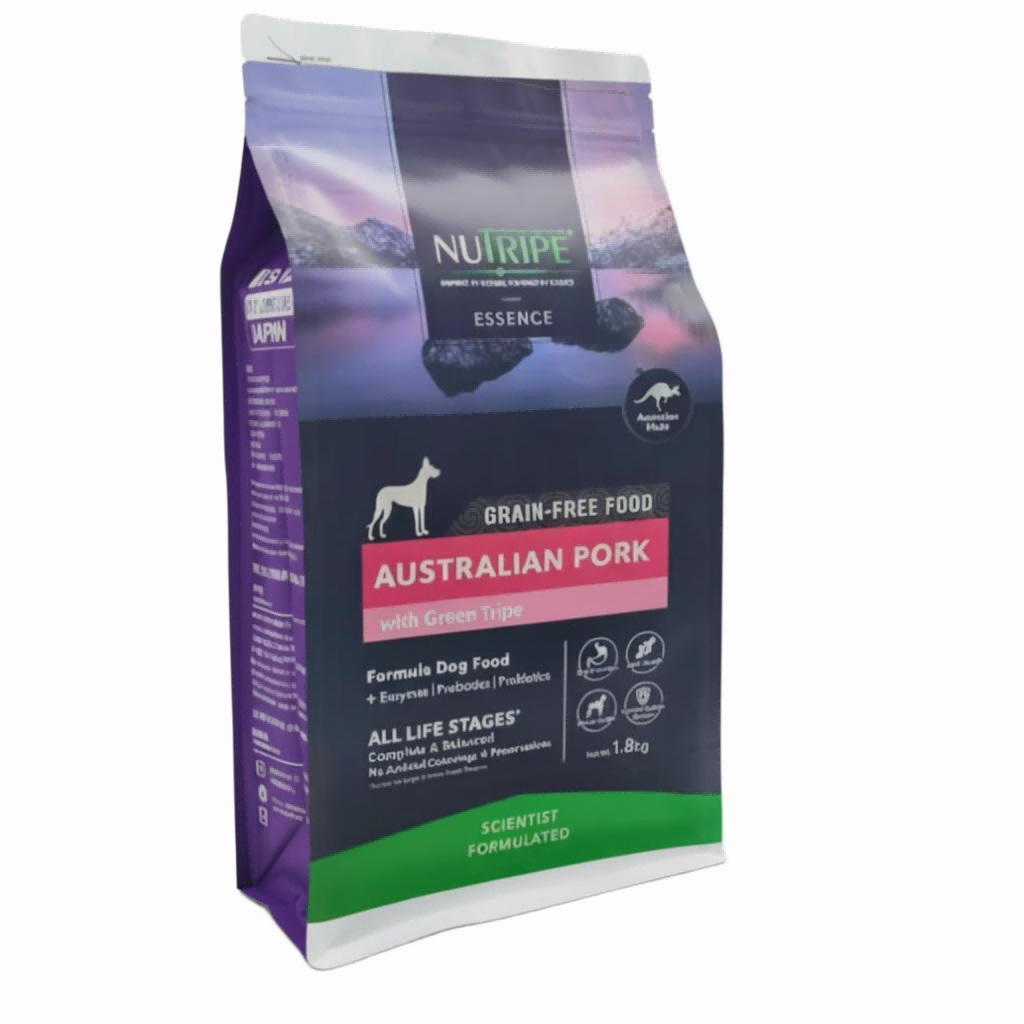
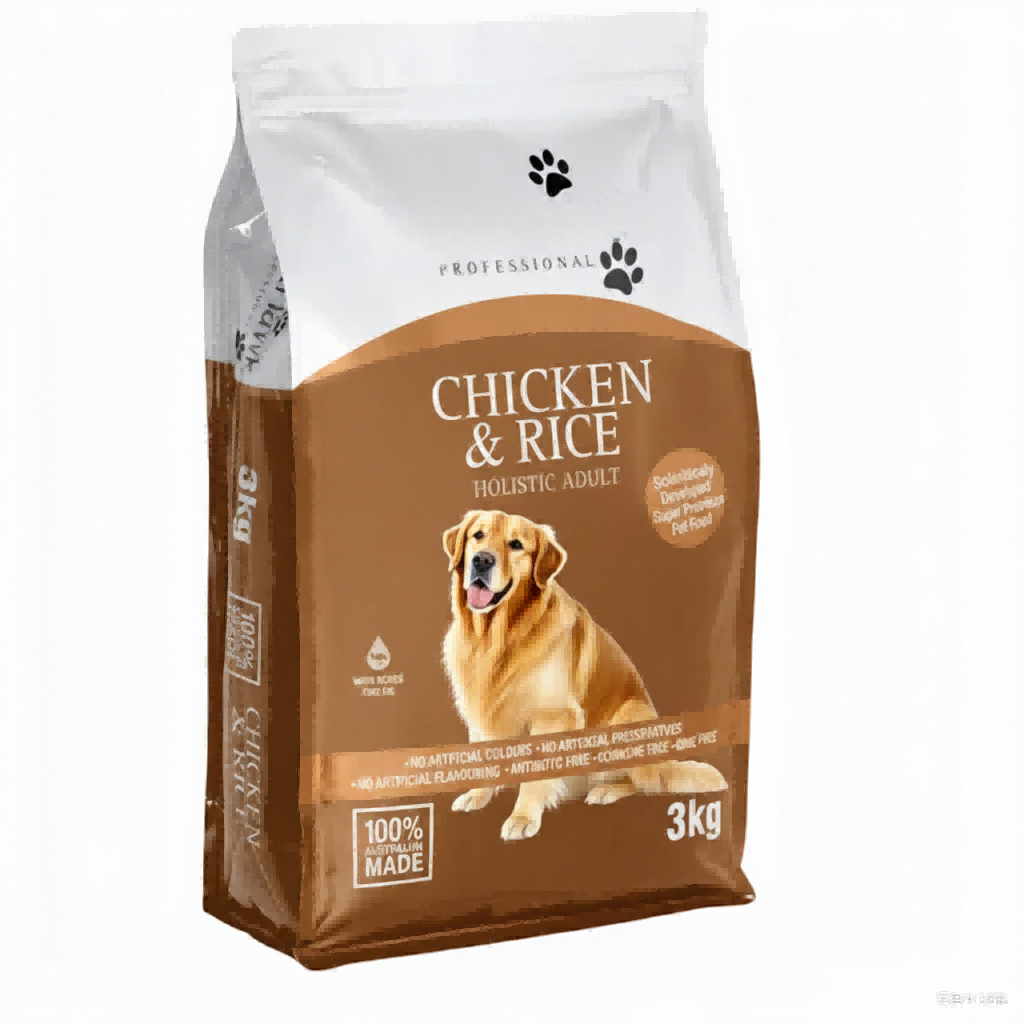
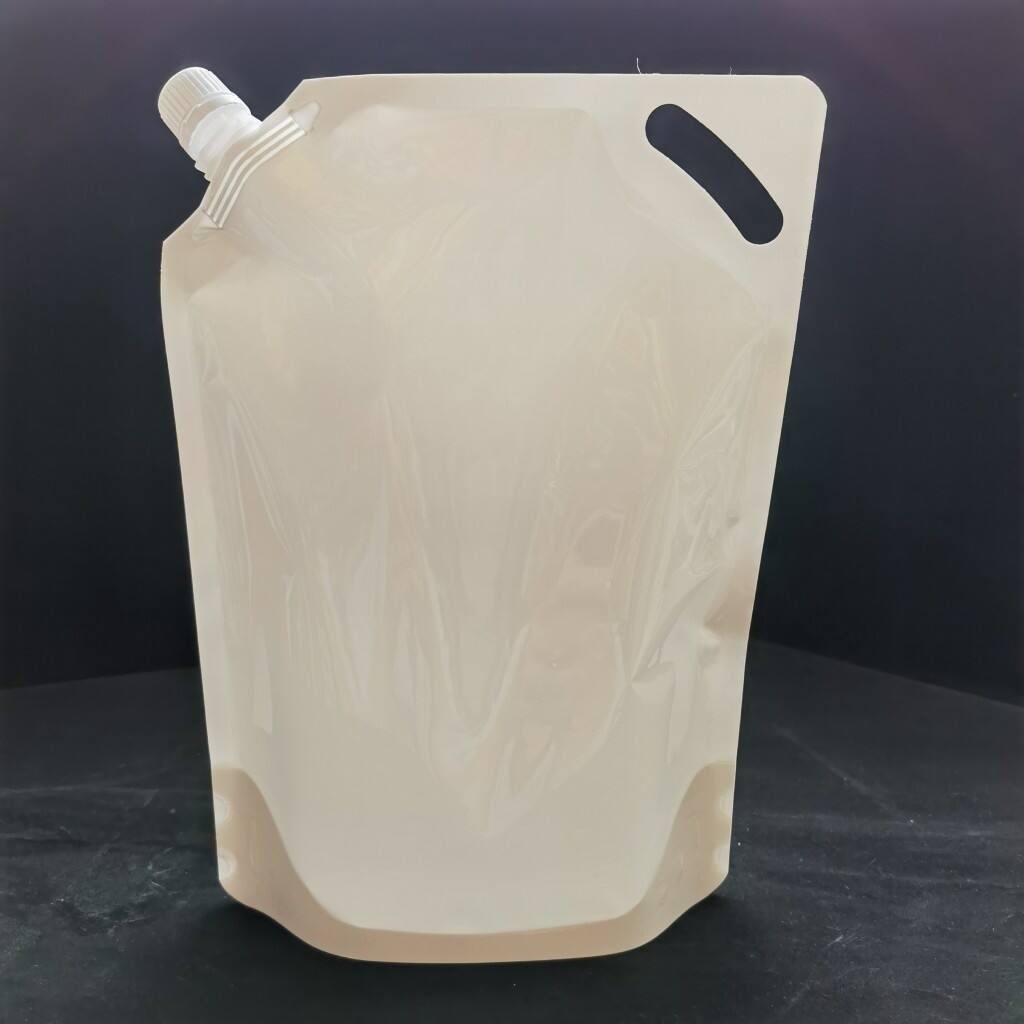
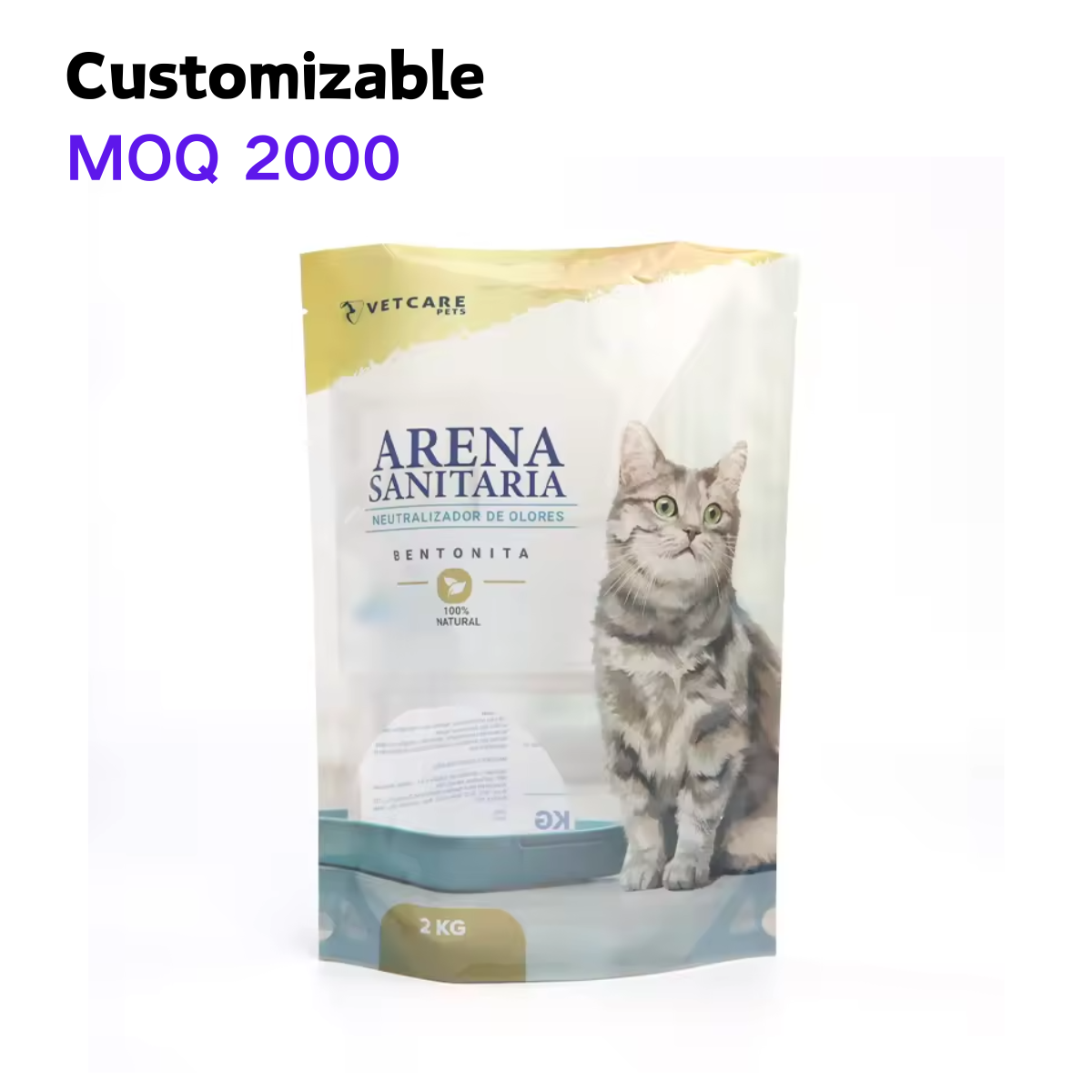
Sustainable packaging products represent a revolutionary approach to modern packaging solutions, designed to minimize environmental impact while maintaining superior product protection and functionality. These innovative packaging materials utilize renewable resources, biodegradable components, and recycled content to create packaging systems that support circular economy principles. The main functions of sustainable packaging products include protecting goods during transportation, extending shelf life, maintaining product integrity, and providing clear product information while significantly reducing carbon footprint compared to traditional packaging materials. The technological features of sustainable packaging products encompass advanced biodegradable polymers, compostable films, recycled paper composites, and plant-based materials that decompose naturally without leaving harmful residues. Many sustainable packaging products incorporate cutting-edge barrier technologies that preserve freshness and quality using materials derived from agricultural waste, seaweed extracts, and other renewable sources. These products often feature innovative designs that optimize material usage, reduce waste, and enable efficient recycling processes. Applications for sustainable packaging products span across numerous industries including food and beverage, cosmetics, pharmaceuticals, e-commerce, and consumer goods. Food manufacturers utilize sustainable packaging products to create containers, wraps, and protective films that maintain freshness while supporting environmental goals. E-commerce businesses increasingly adopt sustainable packaging products for shipping boxes, protective padding, and branded packaging that reflects their commitment to environmental responsibility. Cosmetic companies leverage sustainable packaging products to create attractive, functional containers that appeal to environmentally conscious consumers. The versatility of sustainable packaging products allows customization for specific industry requirements while maintaining consistent environmental benefits across all applications.

New Product Releases

Sustainable packaging products deliver substantial environmental benefits that directly translate into practical advantages for businesses and consumers alike. Companies using sustainable packaging products significantly reduce their carbon footprint, contributing to global climate change mitigation efforts while meeting increasingly stringent environmental regulations. These materials decompose naturally, eliminating long-term waste accumulation in landfills and reducing pollution in oceans and waterways. The renewable nature of sustainable packaging products ensures continuous availability without depleting finite resources, providing supply chain stability for businesses planning long-term operations. Cost advantages emerge as sustainable packaging products often require less energy to produce and transport, resulting in reduced operational expenses over time. Many sustainable packaging products offer superior performance characteristics, including enhanced moisture resistance, temperature stability, and structural integrity that protect products more effectively than traditional alternatives. Consumer preference increasingly favors brands using sustainable packaging products, creating competitive advantages and improved brand loyalty for companies adopting these solutions. Sustainable packaging products help businesses comply with emerging environmental regulations, avoiding potential fines and maintaining market access in regions with strict packaging requirements. The lightweight nature of many sustainable packaging products reduces shipping costs and transportation emissions, creating dual economic and environmental benefits. Innovation opportunities abound with sustainable packaging products, allowing companies to differentiate their offerings and appeal to environmentally conscious market segments. Supply chain resilience improves when using sustainable packaging products derived from diverse, renewable sources rather than dependency on petroleum-based materials subject to price volatility. Marketing advantages include enhanced brand reputation, positive consumer perception, and alignment with corporate social responsibility goals that attract investment and partnerships. Long-term cost savings accumulate as sustainable packaging products eliminate waste disposal fees, reduce regulatory compliance costs, and capture value from recyclable materials that can re-enter production cycles.

Practical Tips

What Factors Should Businesses Consider When Choosing Plastic Packaging Bags

13

Nov

What Factors Should Businesses Consider When Choosing Plastic Packaging Bags

Essential Considerations for Selecting Industrial Packaging Solutions The selection of plastic packaging bags represents a critical business decision that impacts everything from product protection to brand perception and environmental responsibility...
View More
How Is PE Film Used in Industrial and Food Packaging Applications

13

Nov

How Is PE Film Used in Industrial and Food Packaging Applications

Understanding the Versatility of Polyethylene Film in Modern Packaging Polyethylene (PE) film has revolutionized the packaging industry, emerging as an indispensable material for both industrial and food packaging applications. This versatile materia...
View More
Why Are Mylar Bags the Best Choice for Long-Term Food Storage

13

Nov

Why Are Mylar Bags the Best Choice for Long-Term Food Storage

Long-term food storage has become increasingly important for households and businesses seeking to preserve nutritional value, extend shelf life, and maintain food quality over extended periods. Among the various packaging solutions available today, m...
View More
How Do Mylar Bags Protect Products from Moisture and Light

13

Nov

How Do Mylar Bags Protect Products from Moisture and Light

In today's competitive packaging landscape, businesses across industries are constantly seeking reliable solutions to preserve product quality and extend shelf life. Mylar bags have emerged as one of the most effective barrier packaging options, offe...
View More

Get a Free Quote

Our representative will contact you soon.
Email
Phone
Name
Company Name
Message
0/1000

sustainable packaging products

Advanced Biodegradable Technology Creates Zero-Waste Solutions

Advanced Biodegradable Technology Creates Zero-Waste Solutions

The biodegradable technology integrated into sustainable packaging products represents a breakthrough in waste elimination, offering complete decomposition within controlled timeframes without leaving harmful residues. This advanced technology utilizes specially engineered polymers derived from plant-based sources, agricultural waste, and other renewable materials that break down through natural biological processes. The biodegradation process occurs through microbial action, where beneficial bacteria and fungi consume the packaging material, converting it into water, carbon dioxide, and organic biomass that enriches soil rather than contaminating it. Unlike traditional packaging materials that persist in the environment for decades or centuries, sustainable packaging products with biodegradable technology completely disappear within months under appropriate conditions. The technology ensures controlled degradation rates, maintaining package integrity during intended use while activating decomposition when exposed to specific environmental conditions such as composting facilities or marine environments. This precision engineering prevents premature degradation during storage and transportation while guaranteeing complete breakdown when products reach end-of-life. Companies utilizing sustainable packaging products with biodegradable technology demonstrate measurable environmental impact reduction, often achieving zero-waste-to-landfill status for their packaging operations. The technology supports circular economy principles by ensuring materials return to natural cycles rather than accumulating as persistent waste. Advanced testing protocols verify complete biodegradation under various environmental conditions, providing certainty about environmental outcomes. The biodegradable technology in sustainable packaging products often exceeds international standards for compostability, enabling proper disposal in municipal composting systems. This technology eliminates the environmental burden associated with traditional packaging disposal, reducing greenhouse gas emissions from landfills and preventing microplastic pollution in ecosystems. Consumer confidence increases when using products with biodegradable sustainable packaging, knowing their purchasing decisions support environmental protection through scientifically proven waste elimination technology.
Renewable Resource Utilization Ensures Long-Term Supply Security

Renewable Resource Utilization Ensures Long-Term Supply Security

Sustainable packaging products derive their materials from renewable resources, creating supply chain stability and reducing dependency on finite petroleum-based inputs that characterize traditional packaging systems. The renewable resource foundation includes agricultural residues, forestry byproducts, algae cultivation, and rapidly renewable plants that regenerate within short timeframes, ensuring continuous material availability for packaging production. Agricultural waste streams such as wheat straw, rice hulls, sugarcane bagasse, and corn stalks provide abundant raw materials for sustainable packaging products, transforming what would otherwise be disposal challenges into valuable resources. This utilization of renewable resources creates economic opportunities for farmers and agricultural communities while providing packaging manufacturers with reliable, cost-effective material sources. The renewable nature of these resources means sustainable packaging products maintain consistent supply availability regardless of geopolitical factors affecting petroleum markets or mining operations. Forest stewardship principles guide the sourcing of wood-based materials for sustainable packaging products, ensuring responsible harvesting practices that maintain forest ecosystems while providing renewable fiber resources. Algae cultivation for sustainable packaging products offers particularly promising renewable resource potential, as algae grows rapidly in controlled environments without competing with food crops for agricultural land. The diversified renewable resource base supporting sustainable packaging products creates supply chain resilience, reducing vulnerability to single-source disruptions that can affect traditional packaging materials. Renewable resource utilization supports local economies by creating value-added processing opportunities for agricultural and forestry communities, strengthening rural economic development. The regenerative capacity of renewable resources means sustainable packaging products contribute to carbon sequestration as source materials grow, creating negative carbon footprint potential. Quality improvements in renewable resource processing technology ensure sustainable packaging products meet or exceed performance standards established by traditional materials while maintaining renewable sourcing advantages. Investment in renewable resource development for sustainable packaging products drives innovation in agricultural biotechnology, creating technological spillovers that benefit multiple industries.
Circular Economy Integration Maximizes Resource Value Recovery

Circular Economy Integration Maximizes Resource Value Recovery

Sustainable packaging products integrate seamlessly into circular economy systems, maximizing resource value recovery through designed-for-recycling principles and closed-loop material flows that eliminate waste while maintaining economic viability. The circular economy integration begins with material selection, choosing inputs that can be repeatedly recycled, composted, or safely returned to natural systems without quality degradation or harmful accumulation. Design optimization ensures sustainable packaging products can be easily separated, cleaned, and reprocessed using existing recycling infrastructure, reducing barriers to circular material flows. Advanced sorting technologies enable efficient recovery of sustainable packaging products from waste streams, supporting high-value recycling applications that maintain material integrity through multiple use cycles. The integration creates economic value through material recovery systems, where sustainable packaging products retain worth after initial use, incentivizing proper collection and processing rather than disposal. Circular economy principles embedded in sustainable packaging products include standardized materials that simplify recycling processes, reducing contamination and improving recovery rates compared to complex multi-material traditional packaging. The integration supports extended producer responsibility programs, where manufacturers of sustainable packaging products take accountability for end-of-life management, creating incentives for designing improved recyclability. Chemical recycling technologies enable sustainable packaging products to be broken down to molecular levels and reformed into new packaging materials, achieving true circularity without quality loss. Composting integration allows organic sustainable packaging products to provide valuable soil amendments, closing nutrient loops in agricultural systems while eliminating waste disposal requirements. The circular economy integration of sustainable packaging products creates new business models, including packaging-as-a-service offerings where manufacturers retain ownership and responsibility for packaging materials throughout their lifecycle. Industrial symbiosis opportunities emerge where waste outputs from sustainable packaging products become inputs for other manufacturing processes, creating interconnected production systems that eliminate waste. Digital tracking technologies enable monitoring of sustainable packaging products through circular economy systems, providing data to optimize material flows and measure environmental impact reduction.
Sustainable Packaging Products: Revolutionary Eco-Friendly Solutions for Modern Business Needs

Get a Free Quote

Our representative will contact you soon.
Email
Phone
Name
Company Name
Message
0/1000