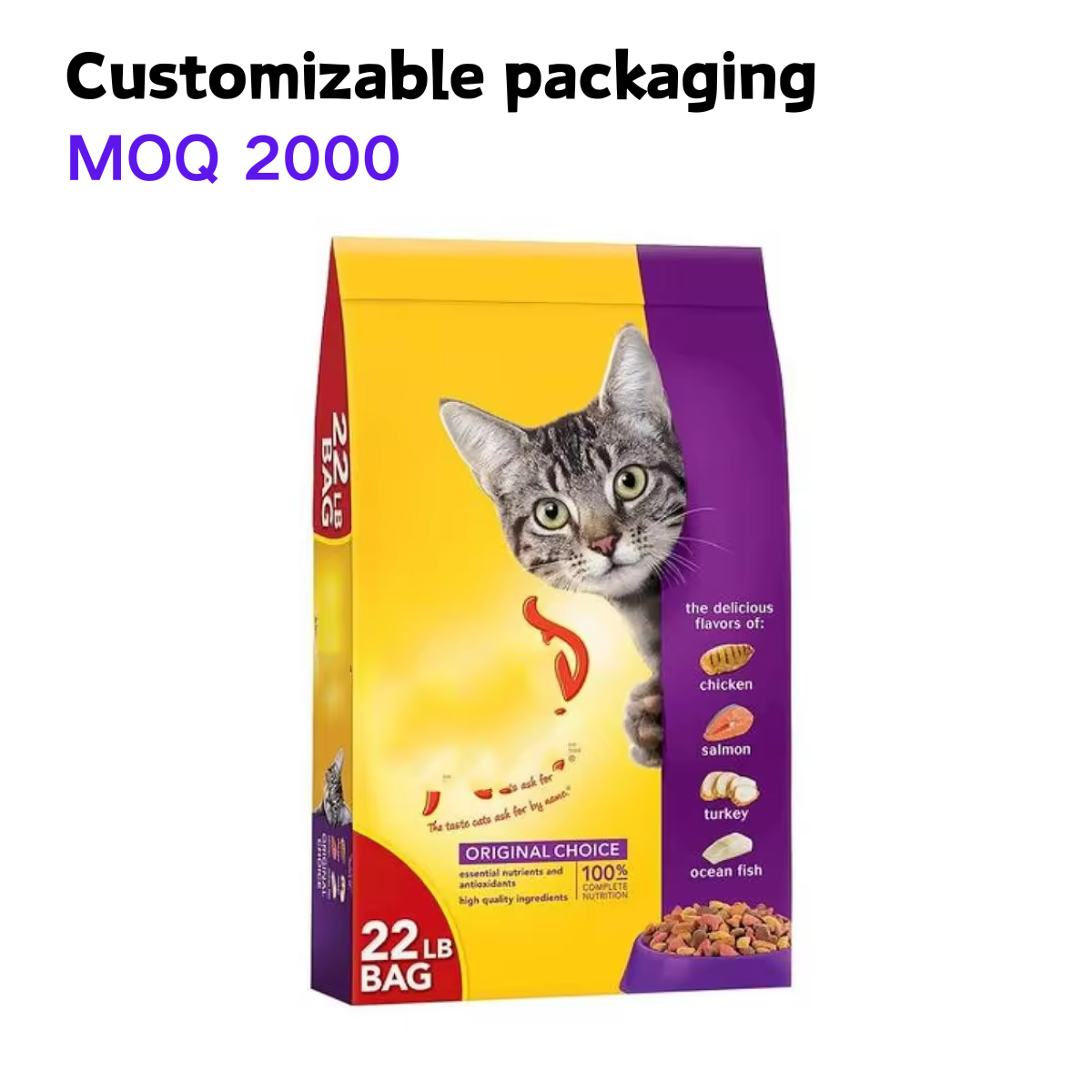
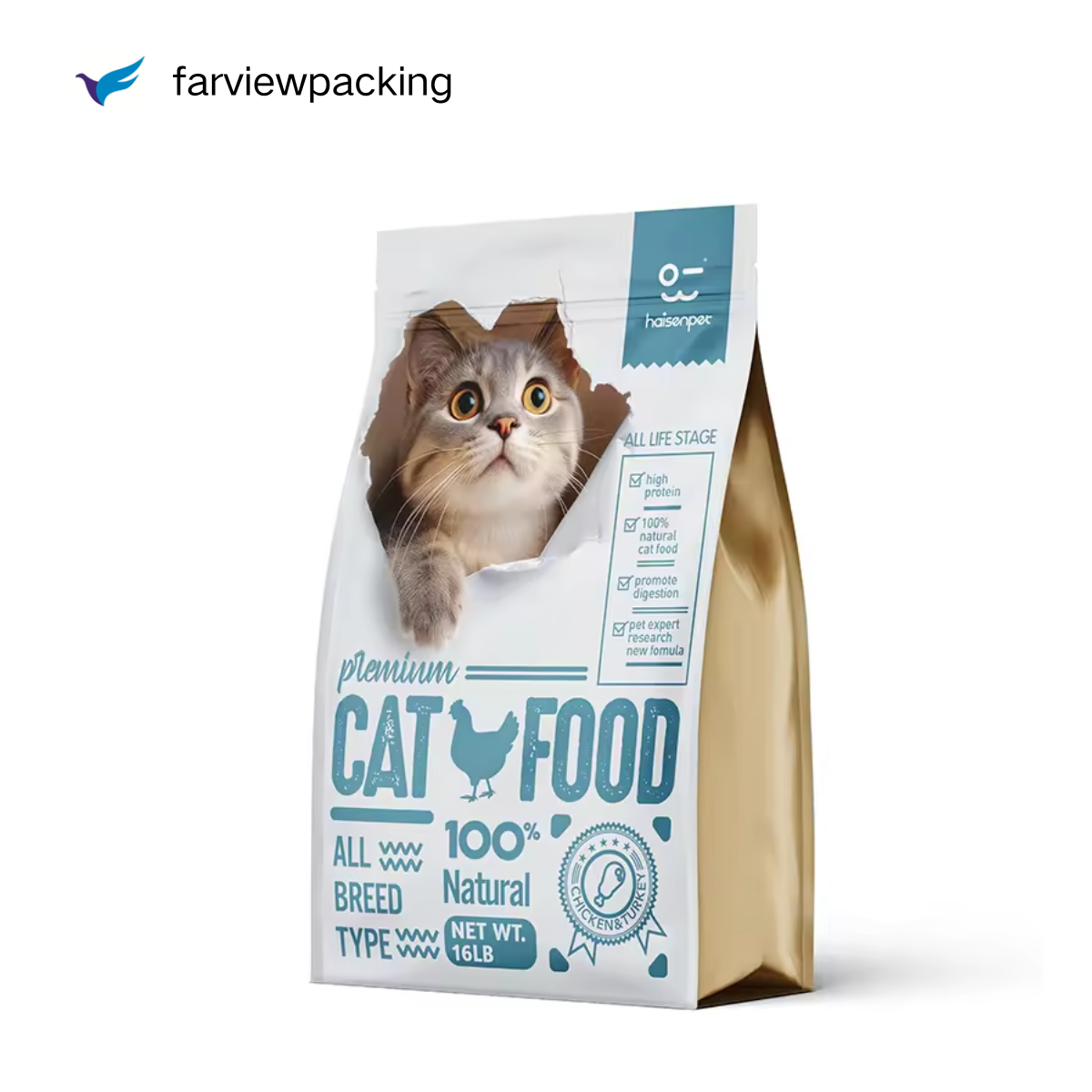
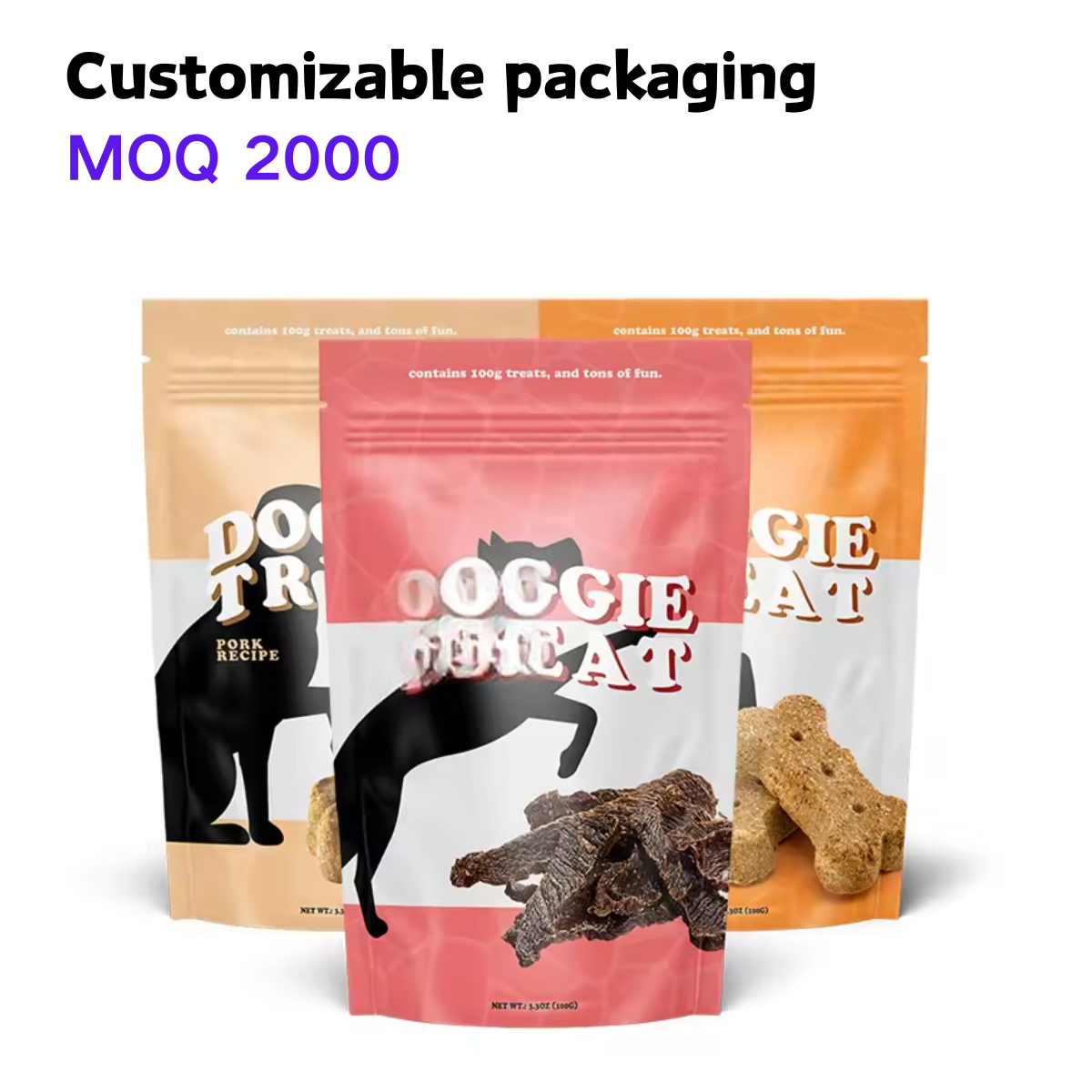
Sustainable Pet Packaging Solutions - Eco-Friendly Pet Food Containers & Biodegradable Packaging

Get a Free Quote

Our representative will contact you soon.
Email
Phone
Name
Company Name
Message
0/1000

sustainable pet packaging

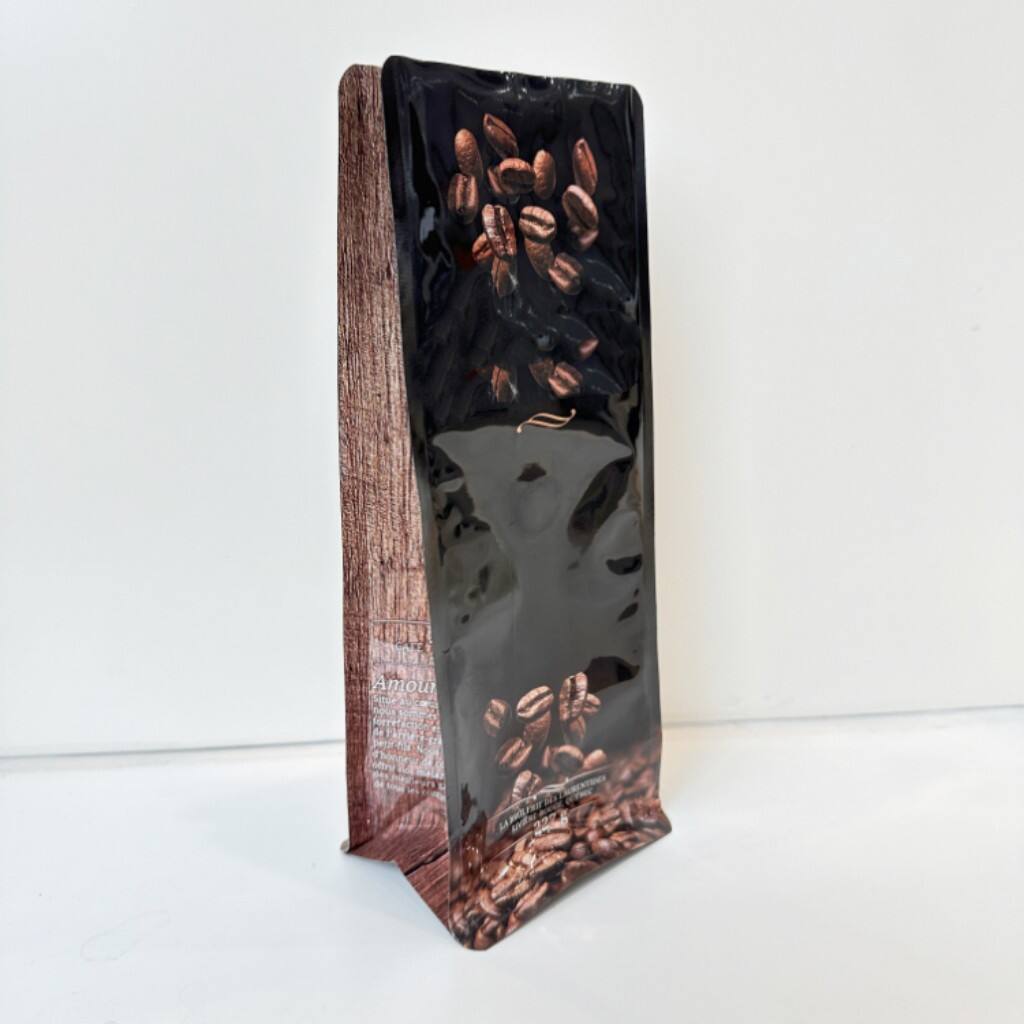
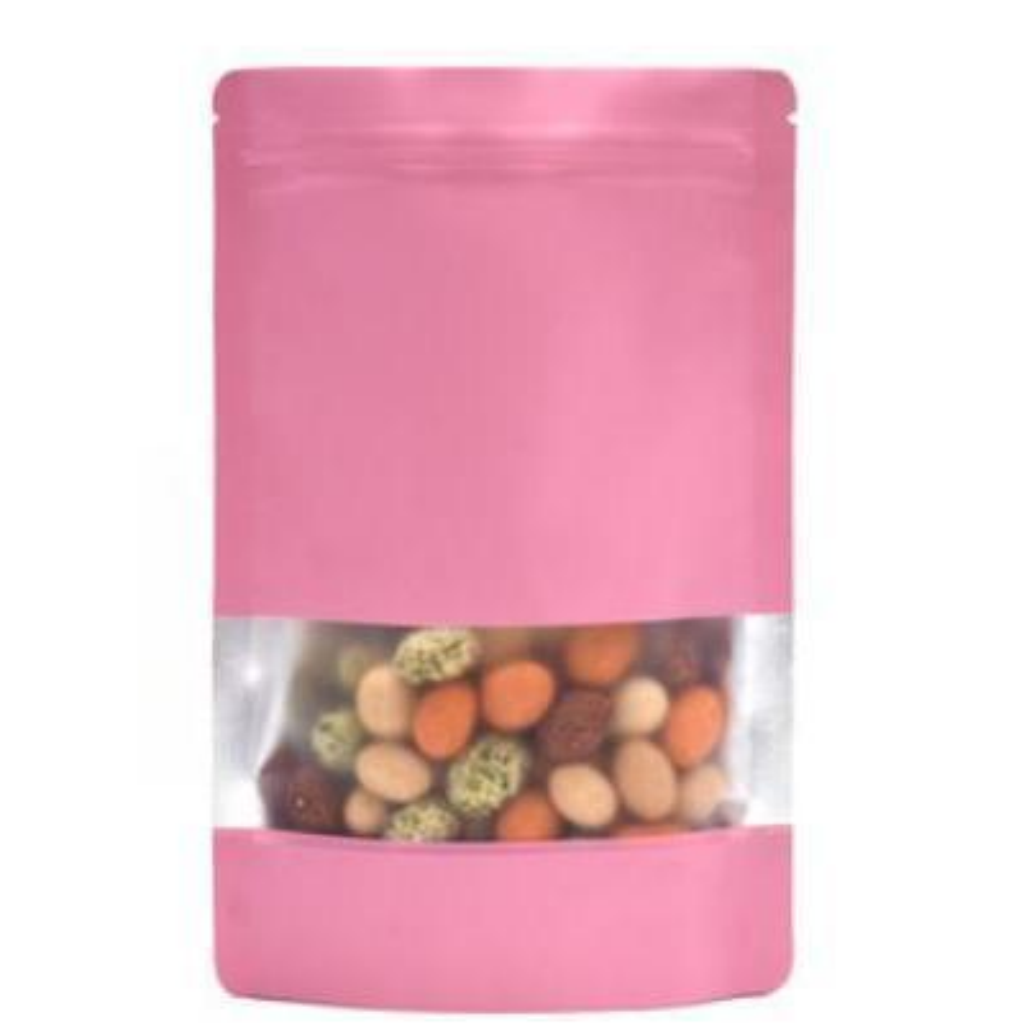
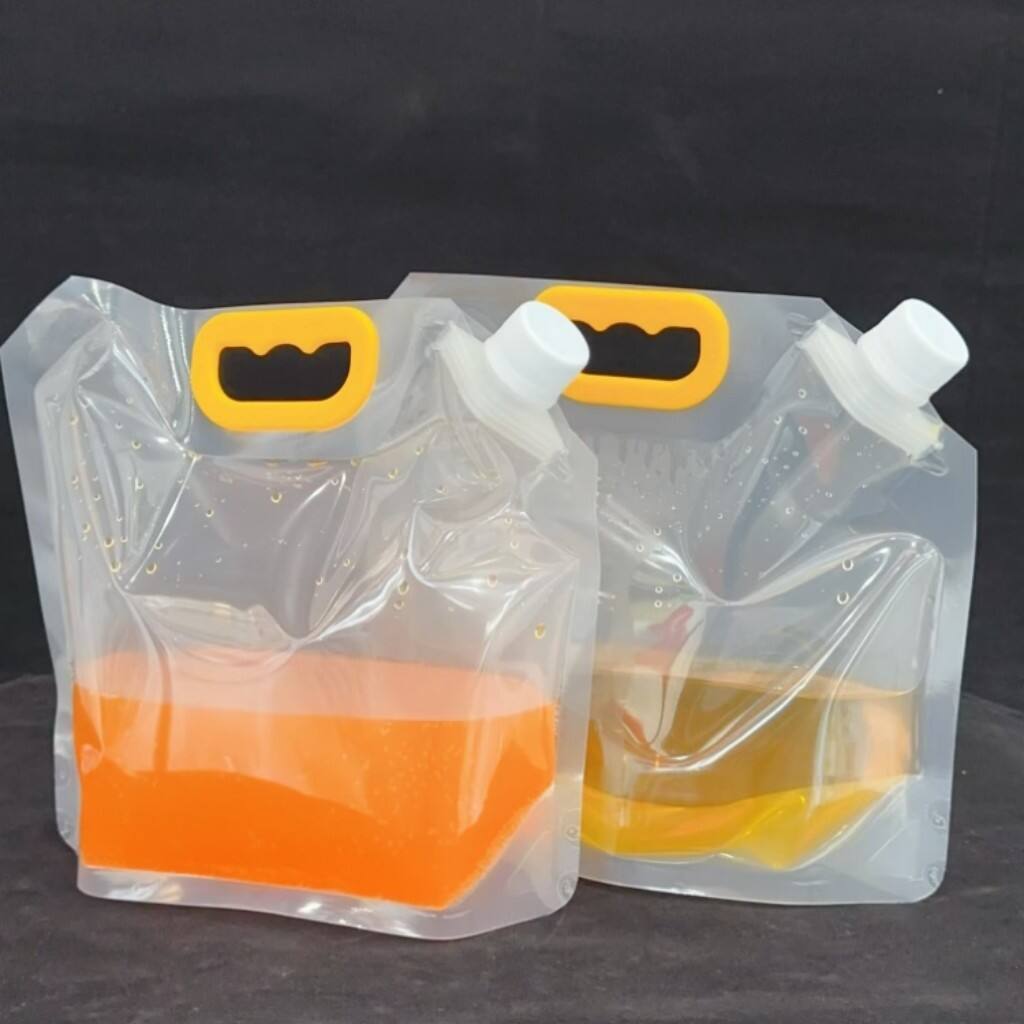
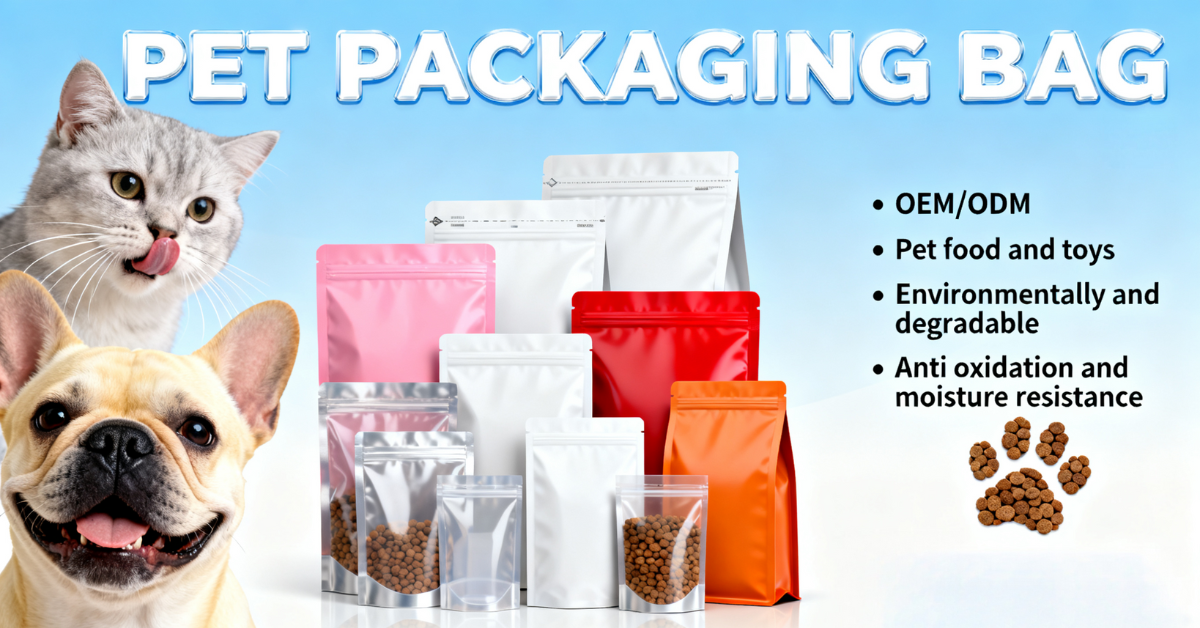
Sustainable pet packaging represents a revolutionary approach to pet product containment that prioritizes environmental responsibility without compromising functionality. This innovative packaging solution combines advanced materials science with eco-conscious design principles to create containers that significantly reduce environmental impact while maintaining superior protection for pet foods, treats, and accessories. The core technology behind sustainable pet packaging utilizes biodegradable polymers, recycled materials, and plant-based components that naturally decompose over time, eliminating the persistent waste associated with traditional plastic containers. These packaging solutions incorporate barrier technologies that effectively preserve product freshness, prevent moisture infiltration, and maintain nutritional integrity throughout extended shelf life periods. Manufacturing processes employ renewable energy sources and water-efficient production methods, further minimizing the carbon footprint associated with packaging creation. The structural design features include resealable mechanisms, portion control capabilities, and stackable configurations that optimize storage efficiency while reducing material usage. Applications span across dry pet foods, wet food pouches, treats, supplements, toys, and grooming products, providing versatile solutions for diverse pet industry needs. Advanced printing techniques using soy-based inks ensure vibrant graphics while maintaining environmental compliance. The packaging demonstrates exceptional durability during transportation and storage, protecting contents from contamination, UV exposure, and physical damage. Quality control systems guarantee consistent barrier properties and structural integrity across production batches. Compatibility with existing filling equipment and distribution networks facilitates seamless integration into current supply chains. The sustainable pet packaging addresses growing consumer demand for environmentally responsible products while meeting stringent food safety regulations and industry standards for pet product containment.

New Product Recommendations

Sustainable pet packaging delivers immediate cost savings through reduced material consumption and streamlined production processes that eliminate unnecessary packaging layers. Pet owners experience enhanced convenience with user-friendly opening mechanisms, precise portion control features, and improved storage capabilities that maintain product freshness longer than conventional alternatives. The packaging significantly reduces household waste generation, allowing families to minimize their environmental footprint while providing optimal nutrition for their beloved pets. Superior barrier properties protect valuable nutrients from oxidation and moisture damage, ensuring pets receive maximum nutritional benefits from every serving. Manufacturing facilities benefit from reduced raw material costs, lower energy consumption during production, and decreased waste disposal expenses. Retailers gain competitive advantages through improved shelf appeal, extended product shelf life, and alignment with growing consumer preferences for sustainable products. The packaging withstands temperature fluctuations, humidity changes, and physical stress during shipping, reducing product loss and associated replacement costs. Enhanced graphics quality and tactile appeal increase consumer attraction and brand recognition, driving sales growth for pet product manufacturers. Distribution networks experience reduced transportation costs due to lightweight construction and optimized packaging dimensions that maximize shipping efficiency. Storage facilities require less space allocation, improving inventory management and reducing warehousing expenses. Quality assurance protocols ensure consistent performance across production runs, minimizing product recalls and customer complaints. The packaging supports accurate labeling and information display, helping pet owners make informed nutritional decisions. Recycling programs associated with sustainable pet packaging create additional revenue streams through material recovery and processing partnerships. Advanced sealing technologies prevent contamination and extend product freshness, reducing food waste and associated economic losses. Environmental compliance reduces regulatory compliance costs and potential penalties associated with traditional packaging disposal. Customer loyalty increases as pet owners recognize brands committed to environmental stewardship, creating long-term market advantages. The packaging supports inventory rotation systems, helping retailers maintain product quality and reduce expired product losses.

Tips And Tricks

What Factors Should Businesses Consider When Choosing Plastic Packaging Bags

13

Nov

What Factors Should Businesses Consider When Choosing Plastic Packaging Bags

Essential Considerations for Selecting Industrial Packaging Solutions The selection of plastic packaging bags represents a critical business decision that impacts everything from product protection to brand perception and environmental responsibility...
View More
How to Source High-Quality Plastic Packaging Bags for Food Manufacturing

13

Nov

How to Source High-Quality Plastic Packaging Bags for Food Manufacturing

Mastering Food-Grade Packaging Solutions for Manufacturers In today's competitive food manufacturing landscape, selecting the right plastic packaging bags can make or break your product's success. These essential components not only preserve food qua...
View More
How Is PE Film Used in Industrial and Food Packaging Applications

13

Nov

How Is PE Film Used in Industrial and Food Packaging Applications

Understanding the Versatility of Polyethylene Film in Modern Packaging Polyethylene (PE) film has revolutionized the packaging industry, emerging as an indispensable material for both industrial and food packaging applications. This versatile materia...
View More
How Do Mylar Bags Protect Products from Moisture and Light

13

Nov

How Do Mylar Bags Protect Products from Moisture and Light

In today's competitive packaging landscape, businesses across industries are constantly seeking reliable solutions to preserve product quality and extend shelf life. Mylar bags have emerged as one of the most effective barrier packaging options, offe...
View More

Get a Free Quote

Our representative will contact you soon.
Email
Phone
Name
Company Name
Message
0/1000

sustainable pet packaging

Revolutionary Biodegradable Materials Technology

Revolutionary Biodegradable Materials Technology

The foundation of sustainable pet packaging lies in its groundbreaking biodegradable materials technology that transforms traditional packaging paradigms through innovative polymer science and environmental engineering. This advanced technology utilizes plant-based polymers derived from renewable sources such as corn starch, potato starch, and cellulose fibers, creating packaging materials that naturally decompose within 180 days under proper composting conditions. The molecular structure of these biodegradable polymers maintains exceptional strength and flexibility during product storage and handling while initiating controlled degradation when exposed to specific environmental conditions. Manufacturing processes incorporate precision blending techniques that optimize polymer ratios, ensuring consistent barrier properties and structural integrity across diverse product applications. The technology addresses critical pet food preservation requirements through specialized barrier coatings that prevent oxygen transmission, moisture infiltration, and aroma loss without relying on harmful chemical additives. Quality control systems monitor polymer composition, thickness variations, and biodegradation rates throughout production cycles, guaranteeing reliable performance standards. The packaging materials demonstrate superior resistance to punctures, tears, and stress fractures compared to traditional biodegradable alternatives, providing robust protection during transportation and storage. Advanced testing protocols validate decomposition timelines under various environmental conditions, including home composting systems, industrial composting facilities, and natural soil environments. The technology supports custom formulations for specific pet product requirements, allowing manufacturers to optimize packaging performance for dry foods, wet foods, treats, and supplements. Environmental impact assessments demonstrate significant reductions in carbon emissions, water usage, and energy consumption throughout the packaging lifecycle. The biodegradable materials maintain food safety compliance with FDA regulations and AAFCO guidelines, ensuring pet health protection remains uncompromised. Innovation continues through ongoing research partnerships with agricultural institutions and materials science laboratories, advancing polymer technology and expanding application possibilities for sustainable pet packaging solutions.
Advanced Freshness Preservation System

Advanced Freshness Preservation System

The advanced freshness preservation system integrated into sustainable pet packaging represents a sophisticated approach to maintaining optimal product quality through innovative barrier technologies and controlled atmosphere management. This comprehensive system combines multiple preservation mechanisms including oxygen scavenging capabilities, moisture regulation, and aroma retention technologies that work synergistically to extend product shelf life significantly beyond conventional packaging solutions. Micro-encapsulation technology embeds natural preservation compounds directly into packaging materials, creating active barriers that continuously protect against oxidation, rancidity, and nutrient degradation throughout storage periods. The system incorporates intelligent valve mechanisms that regulate internal pressure and gas exchange, preventing package deformation while maintaining optimal atmospheric conditions for product preservation. Advanced lamination techniques create multi-layer barriers using sustainable materials that effectively block ultraviolet radiation, preventing vitamin degradation and maintaining nutritional potency. Temperature-responsive materials adjust barrier properties automatically based on storage conditions, optimizing preservation effectiveness across varying environmental situations. Humidity control systems utilize naturally occurring moisture-absorbing compounds integrated into packaging walls, preventing mold growth and maintaining product texture consistency. The preservation technology supports extended shelf life periods that reduce food waste, decrease inventory turnover requirements, and improve supply chain efficiency. Quality indicators embedded within packaging materials provide visual confirmation of product freshness, helping pet owners make informed feeding decisions. The system maintains compatibility with rapid temperature changes during transportation and storage, preventing condensation formation and associated product deterioration. Natural antimicrobial compounds derived from plant extracts provide additional protection against bacterial contamination without introducing harmful chemicals. Testing protocols validate preservation effectiveness across diverse pet food formulations, including high-fat content products, protein-rich formulas, and sensitive supplement preparations. The freshness preservation system supports accurate nutritional labeling by maintaining consistent nutrient levels throughout product shelf life, ensuring pets receive intended nutritional benefits with every serving.
Comprehensive Environmental Impact Reduction

Comprehensive Environmental Impact Reduction

The comprehensive environmental impact reduction achieved through sustainable pet packaging demonstrates measurable improvements across multiple ecological metrics, establishing new industry standards for responsible packaging practices. This holistic approach addresses environmental concerns throughout the entire packaging lifecycle, from raw material sourcing through end-of-life disposal, creating significant positive impacts on ecosystem health and resource conservation. Carbon footprint reduction results from utilizing renewable energy sources during manufacturing, implementing efficient transportation logistics, and employing lightweight materials that decrease shipping emissions by up to 40 percent compared to traditional packaging alternatives. Water conservation efforts incorporate closed-loop manufacturing systems that recycle process water, reduce consumption by 60 percent, and eliminate harmful discharge into local water systems. Waste stream reduction occurs through optimized material usage, elimination of unnecessary packaging layers, and integration of compostable components that divert organic waste from landfills. The packaging supports circular economy principles by incorporating recycled content, facilitating material recovery programs, and creating regenerative resource cycles that minimize virgin material demands. Biodiversity protection efforts include sourcing raw materials from sustainably managed forests, supporting regenerative agriculture practices, and avoiding materials linked to habitat destruction or species displacement. Energy efficiency improvements throughout production processes reduce overall energy consumption by 35 percent while maintaining consistent quality standards and production capacity. Soil health enhancement occurs through natural decomposition processes that add beneficial organic matter to composting systems, supporting nutrient cycling and soil microbiome diversity. The packaging eliminates toxic chemical emissions associated with traditional plastic manufacturing, reducing air quality impacts and protecting community health in manufacturing regions. Life cycle assessments demonstrate measurable improvements across sixteen environmental impact categories, including global warming potential, acidification, eutrophication, and resource depletion. Collaboration with environmental organizations and certification bodies ensures transparent reporting of environmental benefits and continuous improvement initiatives. The comprehensive approach supports corporate sustainability goals, regulatory compliance requirements, and consumer expectations for environmentally responsible packaging solutions that protect both pet health and planetary wellbeing.
Sustainable Pet Packaging Solutions - Eco-Friendly Pet Food Containers & Biodegradable Packaging

Get a Free Quote

Our representative will contact you soon.
Email
Phone
Name
Company Name
Message
0/1000