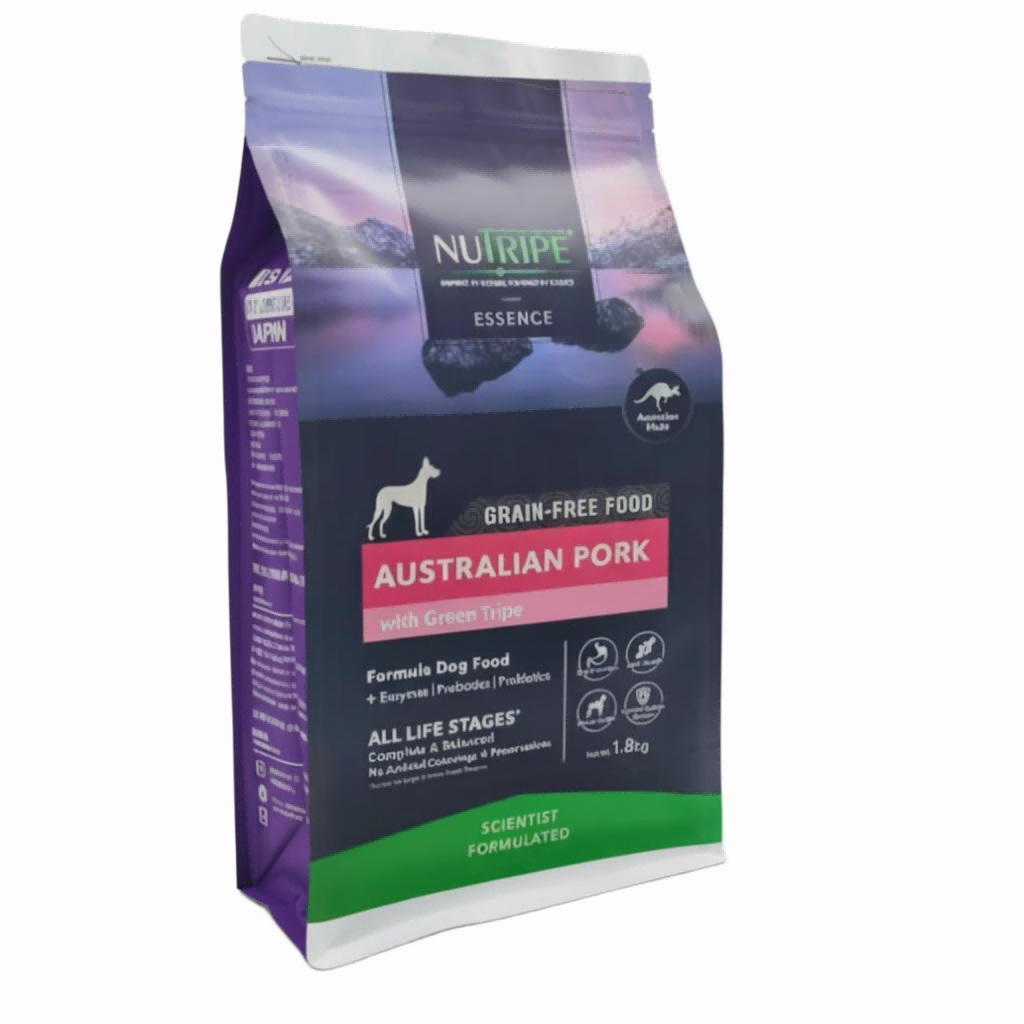
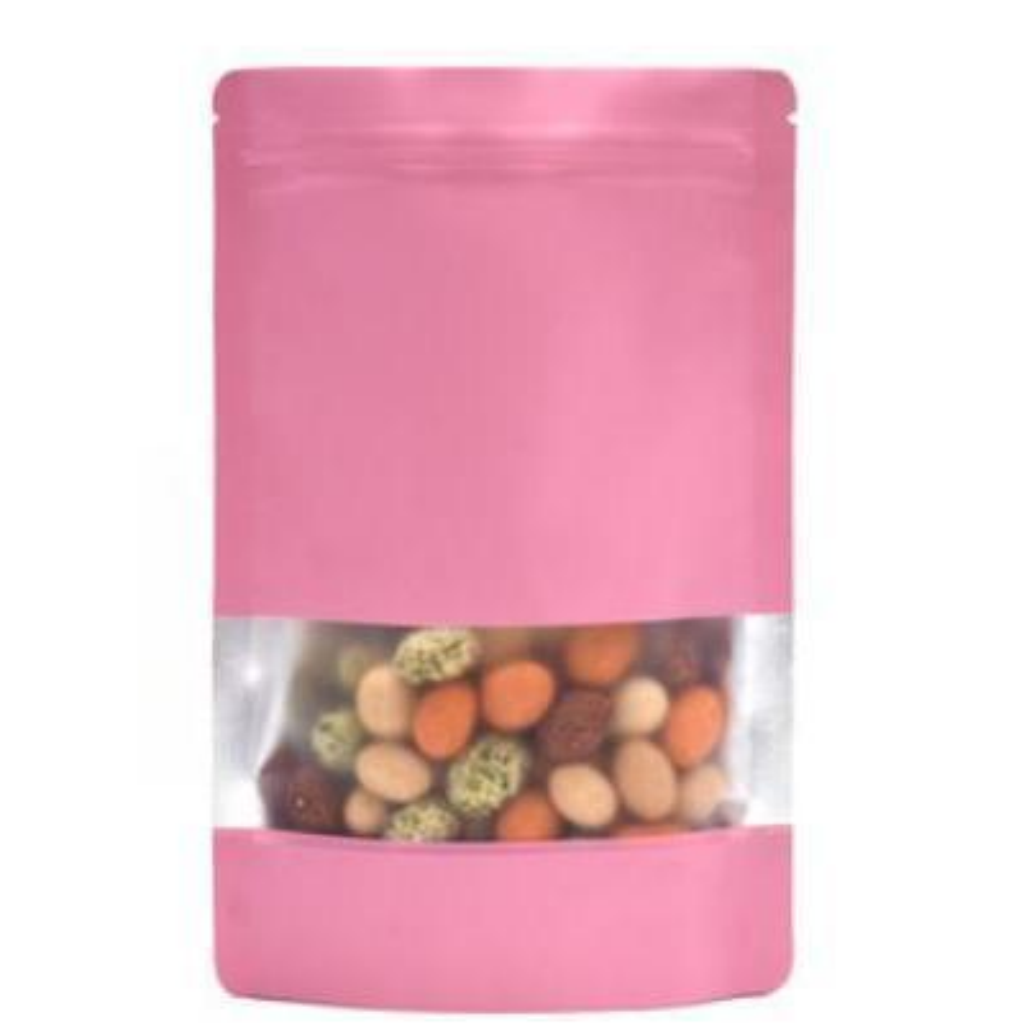
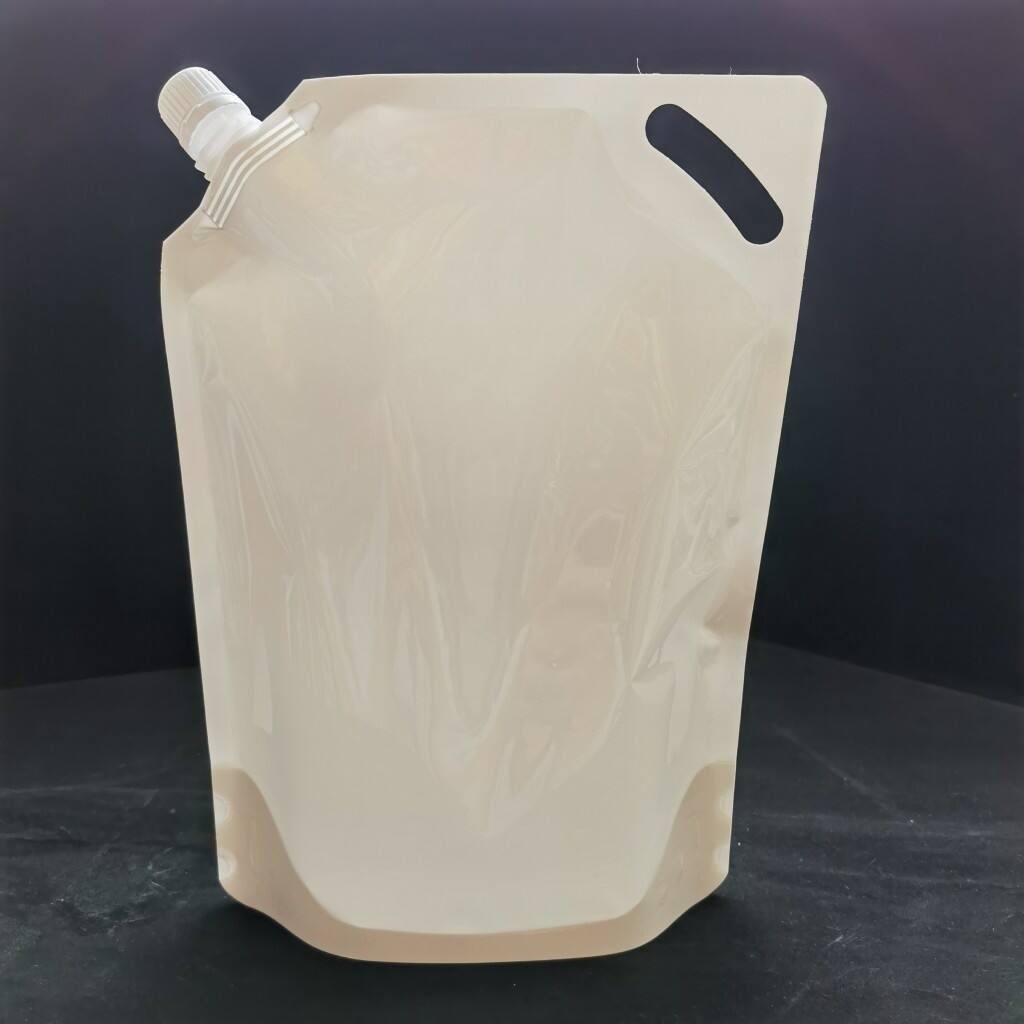
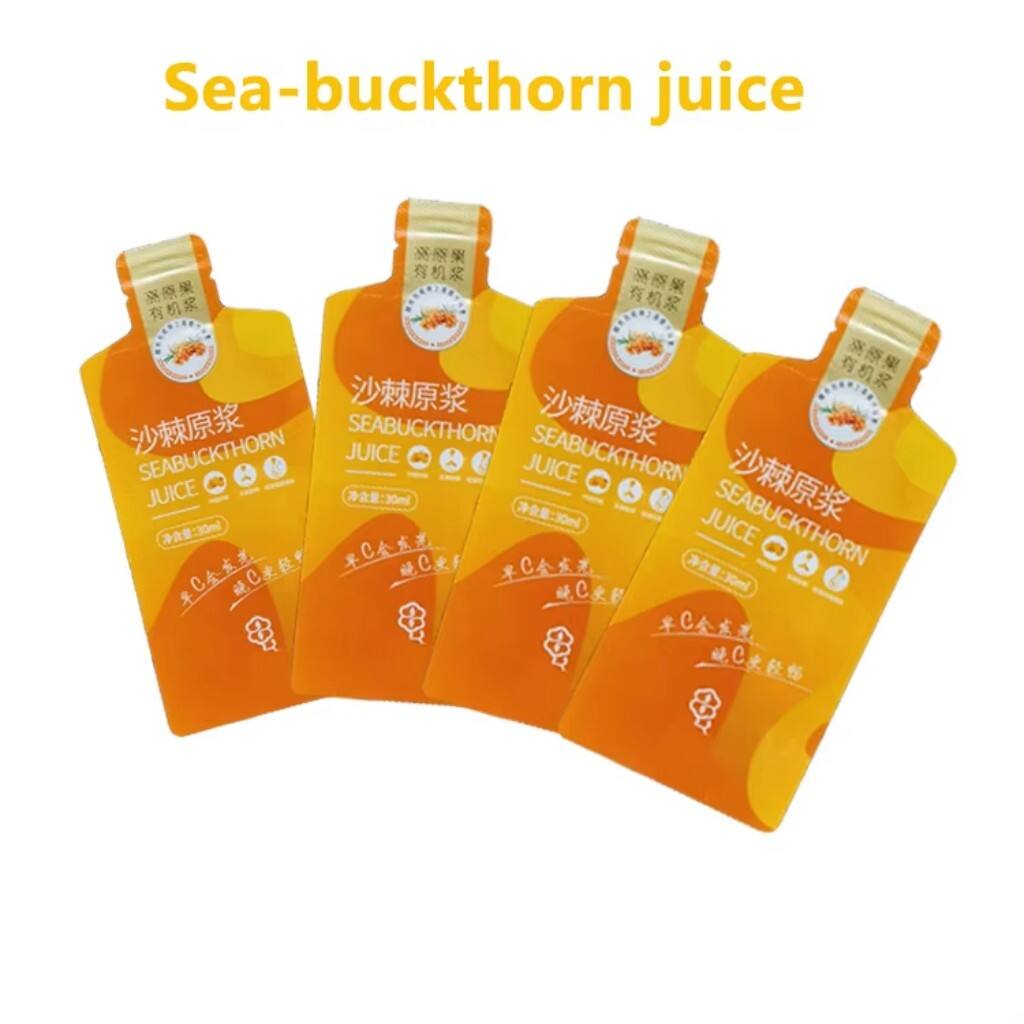
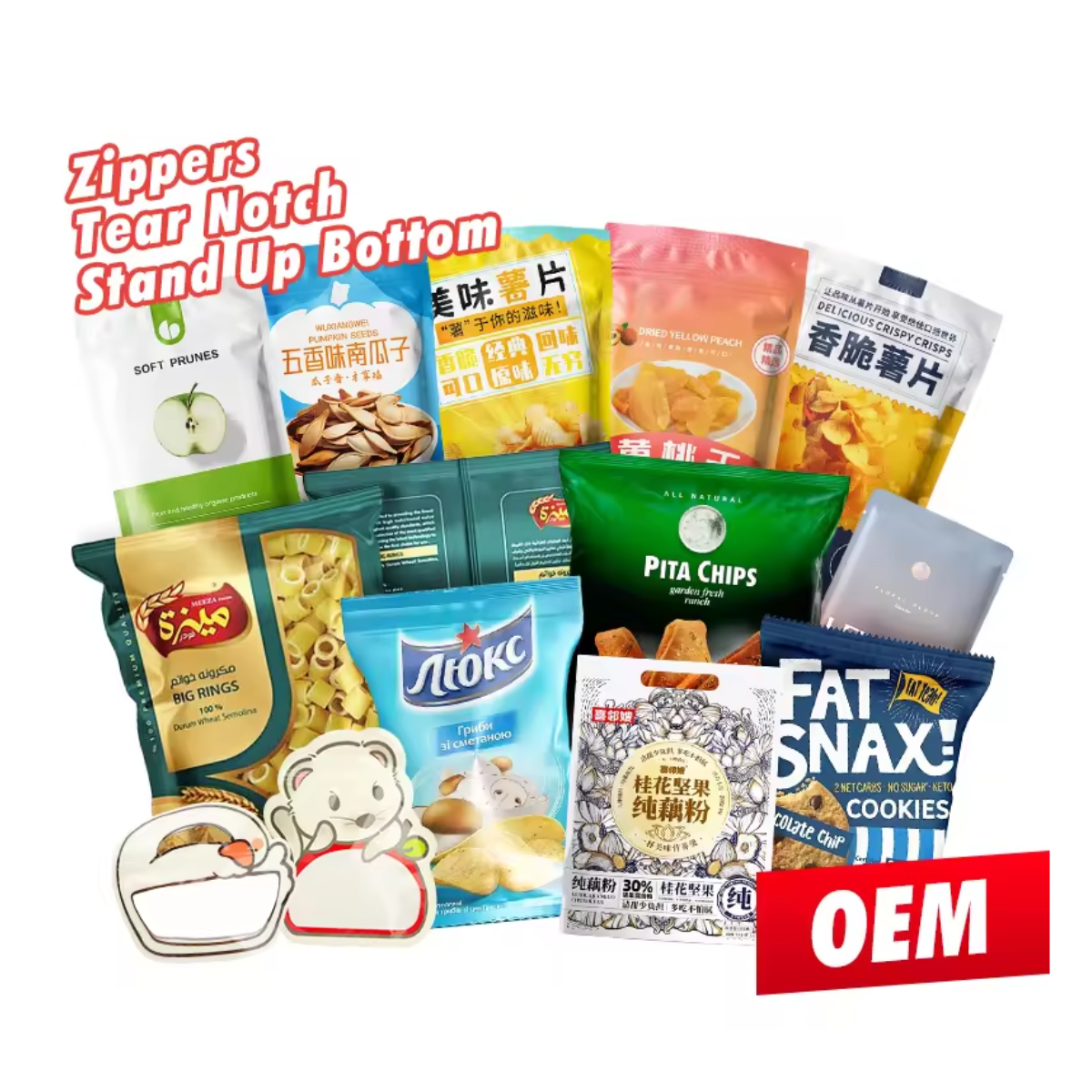
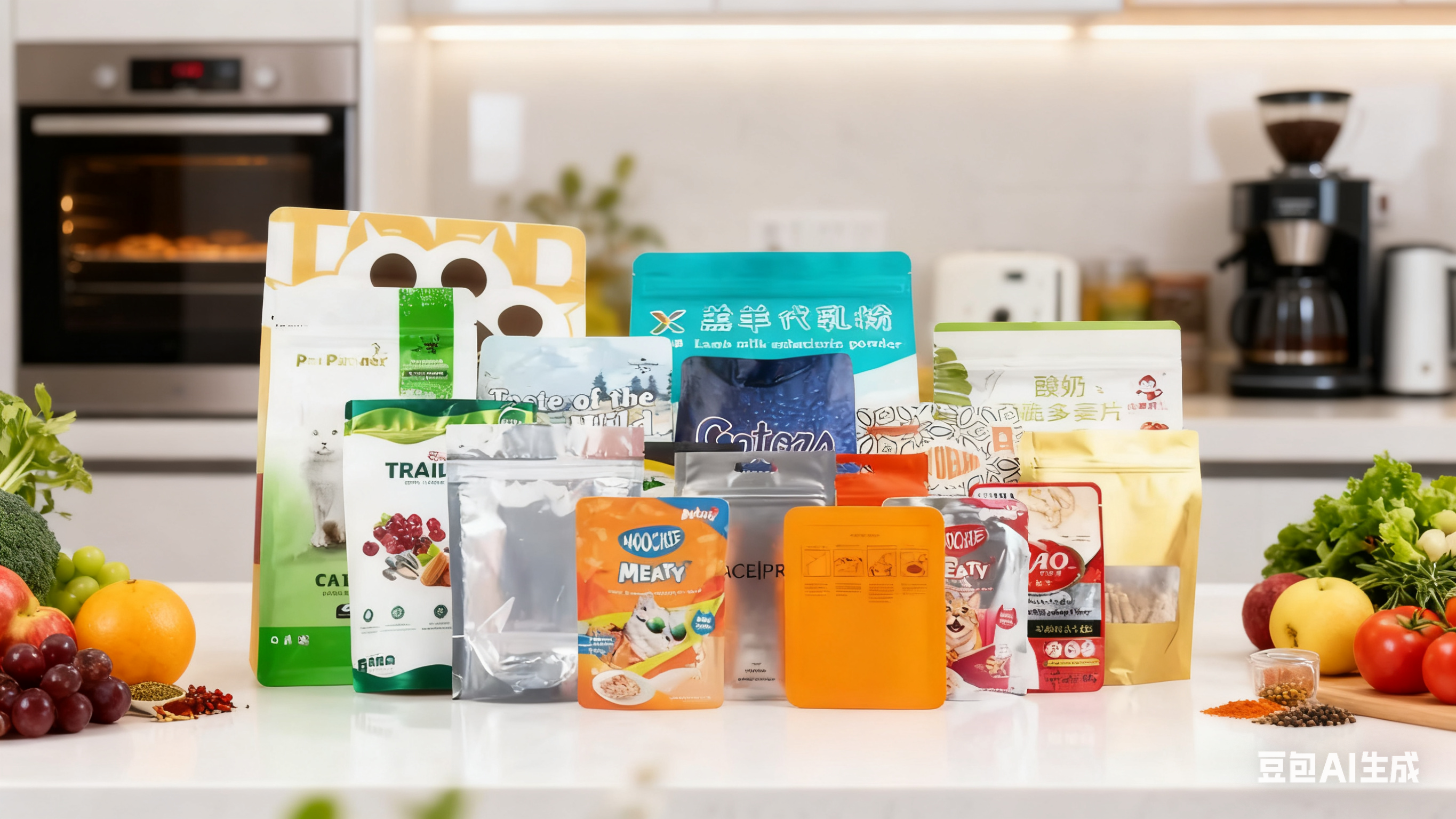
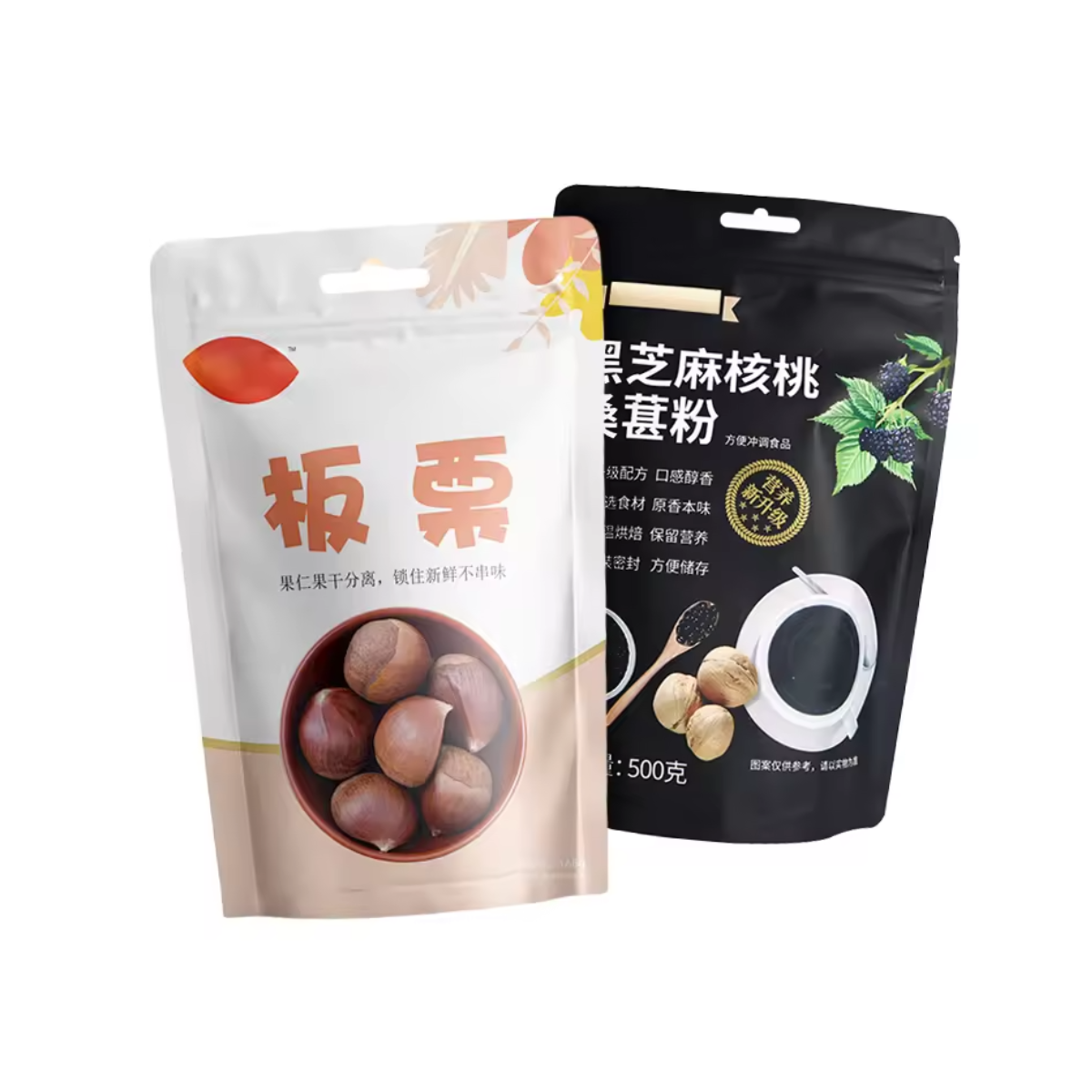
Compostable Packaging Solutions: Sustainable, High-Performance Packaging for Environmentally Conscious Businesses

Get a Free Quote

Our representative will contact you soon.
Email
Mobile
Name
Company Name
Message
0/1000

compostable packaging solutions

Compostable packaging solutions represent a revolutionary approach to sustainable packaging that addresses the growing environmental concerns associated with traditional plastic materials. These innovative products are designed to break down completely in commercial composting facilities within 90 to 180 days, transforming into nutrient-rich compost that enriches soil quality. The main functions of compostable packaging solutions include protecting products during transportation and storage while maintaining the same level of performance as conventional packaging materials. These solutions serve as barriers against moisture, oxygen, and contaminants, ensuring product integrity throughout the supply chain. Technologically, compostable packaging solutions utilize advanced bio-based polymers derived from renewable resources such as corn starch, sugarcane bagasse, wheat straw, and other plant-based materials. The manufacturing process involves sophisticated polymer chemistry that creates materials with optimal strength, flexibility, and barrier properties. These packages undergo rigorous testing to meet international standards including ASTM D6400, EN 13432, and BPI certification requirements. The molecular structure of these materials allows enzymes and microorganisms in composting environments to break them down into water, carbon dioxide, and biomass without leaving harmful residues. Applications for compostable packaging solutions span across multiple industries including food service, retail, e-commerce, agriculture, and consumer goods. Restaurants and cafeterias utilize compostable containers, cups, and cutlery to reduce waste streams. Retail stores implement compostable bags and wrapping materials for fresh produce and grocery items. E-commerce companies adopt these solutions for shipping protective materials and mailers. Agricultural sectors use compostable mulch films and plant pots that eliminate the need for removal and disposal. The versatility of compostable packaging solutions enables manufacturers to create custom designs that meet specific product requirements while maintaining environmental responsibility. These materials can be processed using existing packaging equipment with minimal modifications, making adoption seamless for businesses transitioning from traditional packaging methods.

New Product Recommendations

Compostable packaging solutions deliver significant environmental benefits that directly impact waste reduction and soil health improvement. When disposed of properly in commercial composting facilities, these materials completely disappear within months rather than persisting in landfills for hundreds of years like traditional plastics. This rapid decomposition process creates valuable compost that farmers and gardeners use to enhance soil fertility and water retention capacity. Businesses adopting compostable packaging solutions experience enhanced brand reputation as consumers increasingly prefer environmentally conscious companies. Market research shows that 73 percent of consumers actively seek products from brands demonstrating genuine environmental commitment. This consumer preference translates into increased customer loyalty, higher sales volumes, and premium pricing opportunities for businesses using sustainable packaging alternatives. The cost structure of compostable packaging solutions has become increasingly competitive as production scales expand and manufacturing processes improve. While initial costs may exceed traditional packaging, businesses often recover expenses through reduced waste management fees, potential tax incentives, and increased market share. Many municipalities offer reduced waste collection rates for businesses generating compostable waste streams, creating ongoing operational savings. Regulatory compliance becomes simplified with compostable packaging solutions as governments worldwide implement stricter regulations on single-use plastics. The European Union has banned many single-use plastic items, while states like California mandate compostable alternatives for specific applications. Adopting these solutions proactively positions businesses ahead of regulatory changes rather than scrambling to comply when bans take effect. Supply chain benefits include reduced storage space requirements due to optimized packaging designs and improved relationships with environmentally conscious suppliers and customers. Many major retailers now prioritize suppliers using sustainable packaging, making compostable solutions essential for maintaining competitive advantage. Worker safety improves with compostable packaging solutions as they contain no toxic chemicals or harmful additives found in some traditional plastics. Manufacturing facilities experience better air quality and reduced exposure risks during production processes. End-users benefit from peace of mind knowing their packaging choices contribute positively to environmental protection rather than adding to pollution problems. The circular economy principles embedded in compostable packaging solutions create closed-loop systems where waste becomes valuable input for agricultural production, generating economic value while protecting natural resources.

Latest News

What Trends Are Shaping the Packing Bag Industry in 2025

25

Feb

What Trends Are Shaping the Packing Bag Industry in 2025

The global packaging industry is experiencing unprecedented transformation as we advance through 2025, with the packing bag segment leading the charge in innovative solutions. Modern consumers and businesses are demanding more sustainable, functional...
View More
How Do Seal Bags Enhance Food Safety and Product Protection

24

Mar

How Do Seal Bags Enhance Food Safety and Product Protection

Seal bags represent a cornerstone technology in modern food packaging, delivering critical protection that extends far beyond simple containment. These specialized packaging solutions create controlled barriers against contamination, moisture, oxygen...
View More
How to Choose Between Zip and Heat Seal Bags for Products

24

Mar

How to Choose Between Zip and Heat Seal Bags for Products

Selecting the right packaging solution for your products requires careful consideration of multiple factors that directly impact product protection, consumer experience, and operational efficiency. The choice between zip and heat seal bags represents...
View More
Choosing the Right Aluminum Foil Packaging Bags for Large-Scale Operations

23

Apr

Choosing the Right Aluminum Foil Packaging Bags for Large-Scale Operations

Large-scale manufacturing and distribution operations face critical packaging decisions that directly impact product quality, operational efficiency, and bottom-line profitability. When handling thousands or millions of units daily, the choice of alu...
View More

Get a Free Quote

Our representative will contact you soon.
Email
Mobile
Name
Company Name
Message
0/1000

compostable packaging solutions

Complete Biodegradability Within Commercial Composting Timeframes

Complete Biodegradability Within Commercial Composting Timeframes

The most distinctive feature of compostable packaging solutions lies in their complete biodegradability within controlled composting environments, setting them apart from conventional plastics and even some biodegradable alternatives. This characteristic means that every component of the packaging breaks down into natural elements without leaving microplastics or toxic residues that could harm soil ecosystems or food chains. Commercial composting facilities maintain optimal conditions including specific temperature ranges between 140-160 degrees Fahrenheit, controlled moisture levels, and regular turning schedules that accelerate the decomposition process. Under these conditions, compostable packaging solutions disintegrate completely within 90 to 180 days, compared to traditional plastics that can persist for 500 to 1000 years in natural environments. The molecular structure of these materials consists of bio-based polymers that enzymes produced by microorganisms can readily break apart into simple compounds. This process occurs through hydrolysis and enzymatic degradation, where water molecules and specific enzymes target the polymer chains, causing them to fragment into smaller pieces that microbes can consume as food sources. The resulting compost contains essential nutrients including nitrogen, phosphorus, and potassium that plants need for healthy growth. Independent testing conducted by certified laboratories verifies that finished compost meets safety standards for agricultural use, ensuring no harmful substances remain after the decomposition process. This complete biodegradability addresses one of the most pressing environmental challenges of our time by eliminating packaging waste from landfills and oceans while creating valuable resources for agriculture. Businesses choosing compostable packaging solutions can confidently communicate to customers that their packaging contributes to soil health rather than environmental pollution, creating powerful marketing messages that resonate with environmentally conscious consumers seeking authentic sustainability commitments from the brands they support.
Advanced Barrier Protection Matching Traditional Packaging Performance

Advanced Barrier Protection Matching Traditional Packaging Performance

Compostable packaging solutions incorporate sophisticated barrier technologies that match or exceed the protective capabilities of traditional plastic packaging while maintaining complete environmental compatibility. These advanced materials utilize multi-layer structures and specialized coatings that create effective barriers against moisture, oxygen, light, and aromatic compounds that could compromise product quality during storage and transportation. The engineering behind these barrier properties involves precise molecular arrangements that control permeability rates without relying on synthetic chemicals or non-renewable petroleum-based materials. Manufacturers achieve these performance characteristics through innovative processing techniques including co-extrusion, lamination, and surface treatments using plant-based polymers and natural additives. For food applications, these barriers prevent spoilage by blocking oxygen transmission that causes rancidity in fats and oils while maintaining optimal moisture levels that preserve texture and flavor. Fresh produce packaged in compostable materials stays crisp longer due to controlled respiration rates enabled by selective permeability properties. Pharmaceutical and cosmetic products benefit from light-blocking capabilities that prevent degradation of sensitive active ingredients, ensuring product efficacy throughout shelf life periods. The durability of compostable packaging solutions withstands typical handling stresses including compression, puncture resistance, and temperature fluctuations encountered during shipping and storage. Tensile strength measurements demonstrate that these materials perform comparably to conventional packaging under standardized testing conditions. Heat-sealing properties allow for secure closures that maintain package integrity while facilitating easy opening experiences for consumers. Printing and labeling compatibility enables high-quality graphics and branding elements that support marketing objectives without compromising compostability. Quality control systems ensure consistent performance across production batches, giving businesses confidence in product protection capabilities. This combination of environmental responsibility and functional excellence eliminates the traditional trade-off between sustainability and performance, enabling companies to meet both environmental goals and operational requirements simultaneously.
Seamless Integration with Existing Manufacturing and Distribution Systems

Seamless Integration with Existing Manufacturing and Distribution Systems

The practical implementation of compostable packaging solutions requires minimal disruption to established manufacturing processes and distribution networks, making adoption accessible for businesses of all sizes without significant infrastructure investments. These materials are specifically engineered to work with existing packaging equipment including form-fill-seal machines, thermoforming equipment, injection molding systems, and printing presses with only minor adjustments to processing parameters. The compatibility extends to standard warehouse storage conditions, shipping methods, and retail display requirements, ensuring that businesses can transition to sustainable packaging without overhauling their entire operational framework. Processing temperatures for compostable materials typically fall within ranges similar to conventional plastics, allowing manufacturers to utilize current heating systems and cooling equipment with optimized settings rather than purchasing new machinery. Die-cutting, perforation, and sealing operations perform consistently with compostable substrates, maintaining production speeds and quality standards that businesses depend on for meeting delivery schedules and customer expectations. Supply chain integration becomes straightforward as compostable packaging solutions are available in standard sizes, thicknesses, and configurations that match existing packaging specifications. Inventory management systems require no modifications since these products can be stored, tracked, and distributed using the same procedures as traditional packaging materials. The shelf life of unused compostable packaging extends for months under proper storage conditions, allowing businesses to maintain reasonable inventory levels without concerns about premature degradation. Training requirements for staff remain minimal as handling procedures closely mirror those used for conventional materials, reducing implementation costs and learning curves. Quality assurance protocols adapt easily to include compostability verification alongside existing performance testing, ensuring that products meet both functional and environmental standards. Distribution partners including shipping companies, warehouses, and retail locations can handle compostable packaging using standard procedures without special handling requirements or additional training. This seamless integration capability removes barriers that might otherwise prevent businesses from adopting sustainable packaging alternatives, enabling widespread market adoption while maintaining operational efficiency and cost control that are essential for business success in competitive markets.
Compostable Packaging Solutions: Sustainable, High-Performance Packaging for Environmentally Conscious Businesses

Get a Free Quote

Our representative will contact you soon.
Email
Mobile
Name
Company Name
Message
0/1000