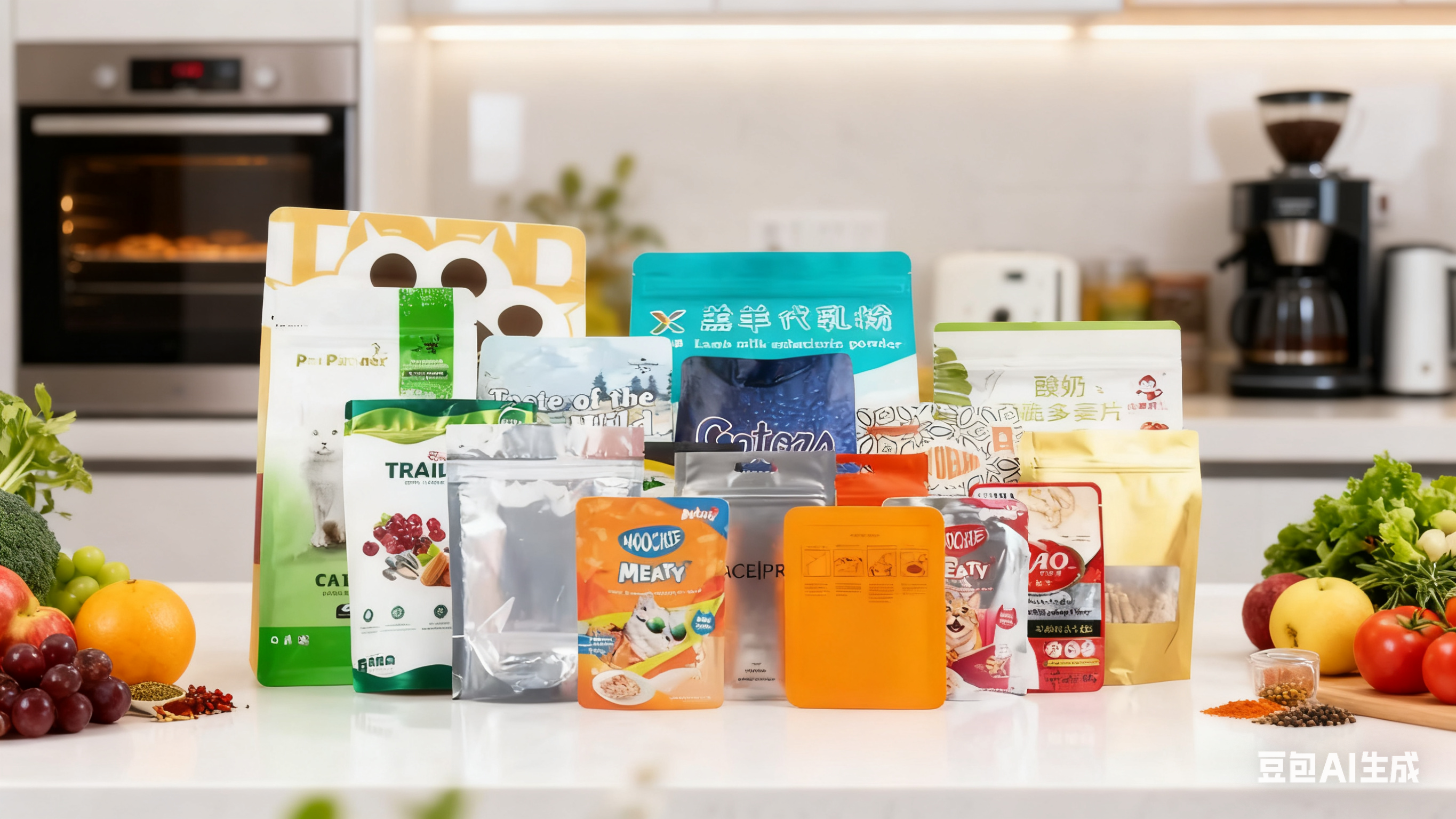
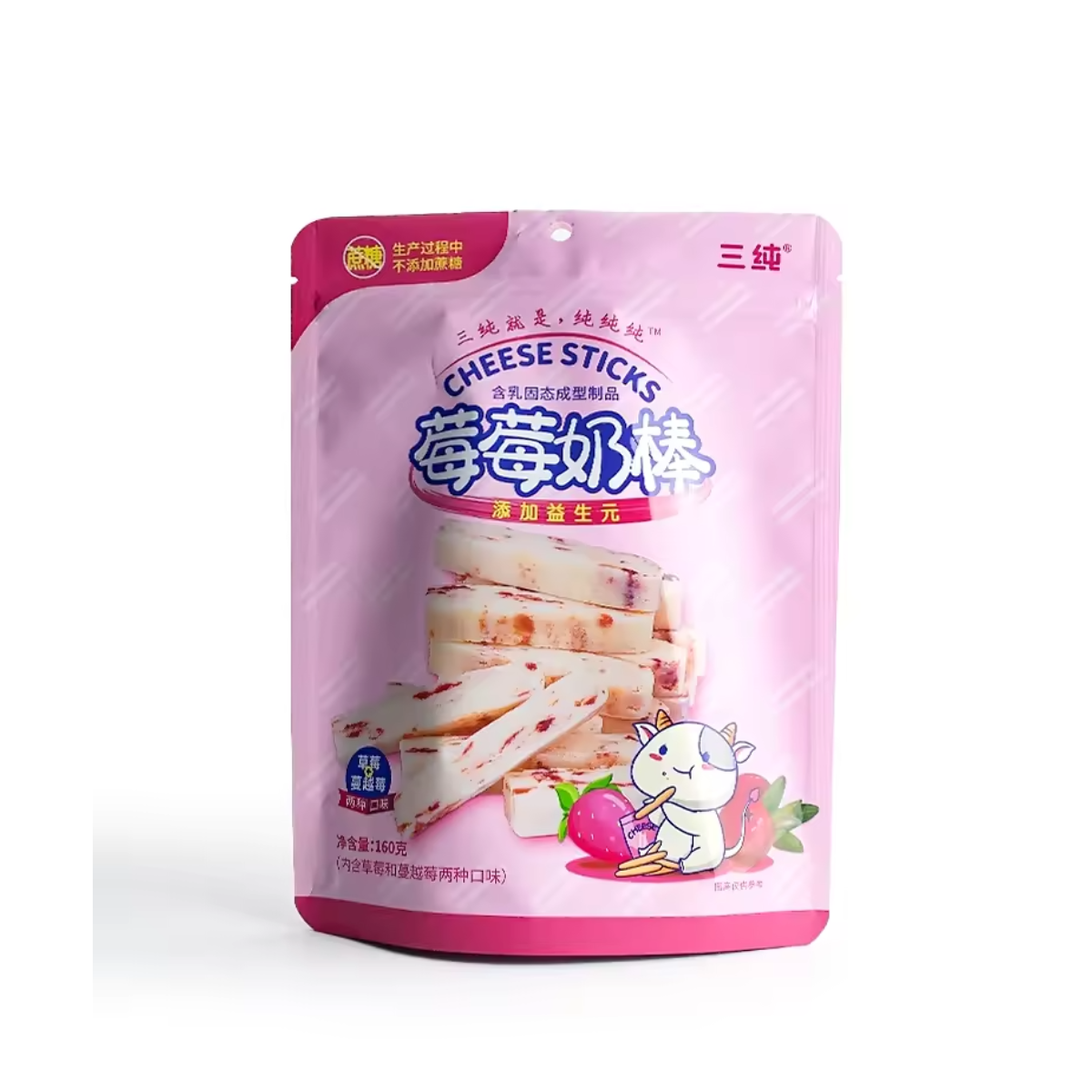
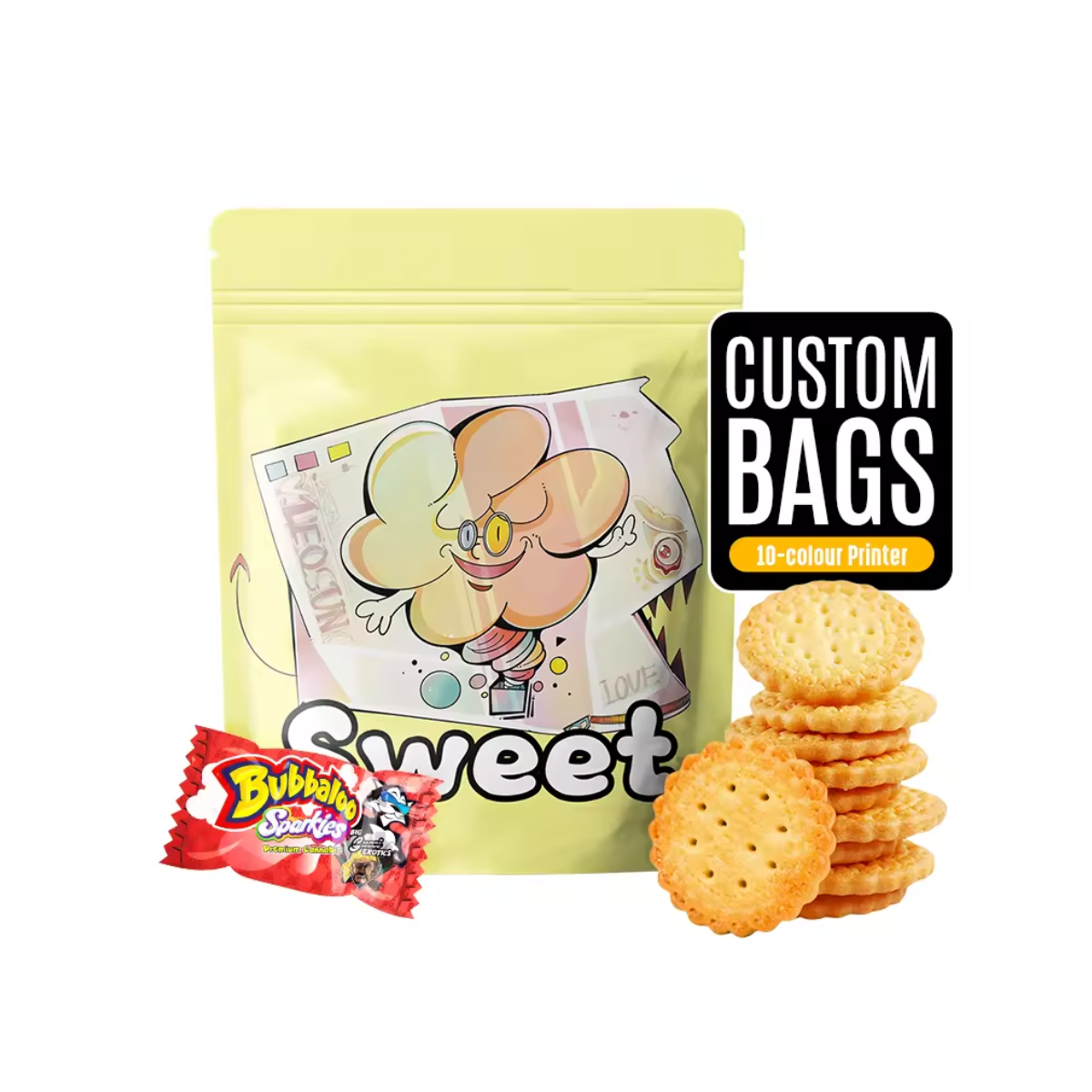
material guide packaging
Material guide packaging represents a sophisticated approach to product protection and presentation, designed to ensure optimal delivery of goods while maintaining brand integrity and customer satisfaction. This innovative packaging solution combines advanced materials science with practical design principles to create containers that not only safeguard products during transit but also enhance the unboxing experience for end users. The primary function of material guide packaging centers on providing comprehensive protection against environmental factors such as moisture, temperature fluctuations, impact damage, and contamination. These systems incorporate multiple layers of specialized materials, each serving specific protective purposes while maintaining cost-effectiveness and sustainability standards. Technological features of material guide packaging include barrier properties that prevent oxygen and moisture infiltration, cushioning systems that absorb shock and vibration, and structural integrity that maintains package shape under various stress conditions. Modern material guide packaging often incorporates smart materials that respond to environmental changes, providing real-time protection adjustments based on external conditions. Applications span numerous industries including electronics, pharmaceuticals, food and beverage, cosmetics, and e-commerce fulfillment. In the electronics sector, material guide packaging protects sensitive components from electrostatic discharge and physical damage. Pharmaceutical applications require compliance with strict regulatory standards for sterility and contamination prevention. Food packaging variants focus on extending shelf life through controlled atmosphere packaging and barrier protection. The versatility of material guide packaging allows for customization based on specific product requirements, shipping distances, and storage conditions. Manufacturing processes utilize advanced techniques such as co-extrusion, lamination, and coating applications to achieve desired performance characteristics. Quality control measures ensure consistent performance across production batches, with testing protocols that verify barrier properties, structural integrity, and compatibility with various product types.
 EN
EN