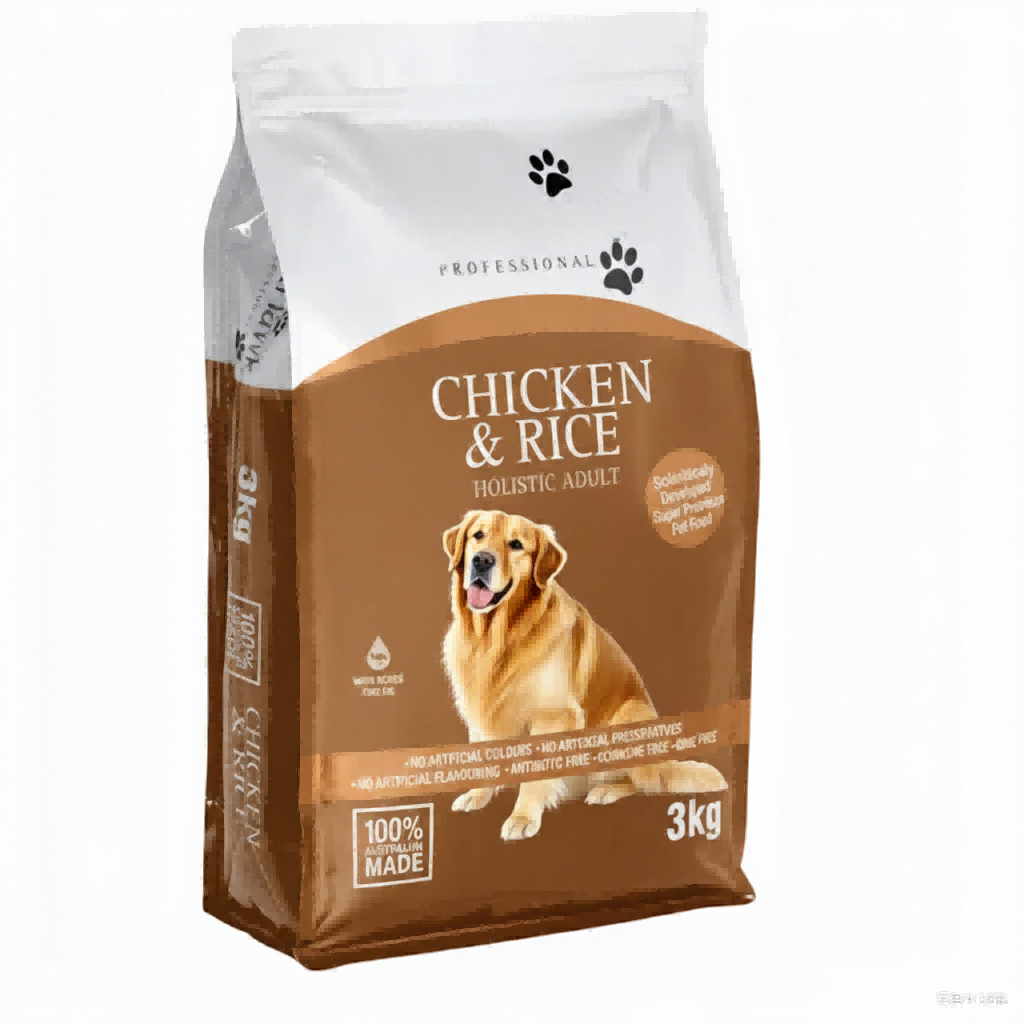
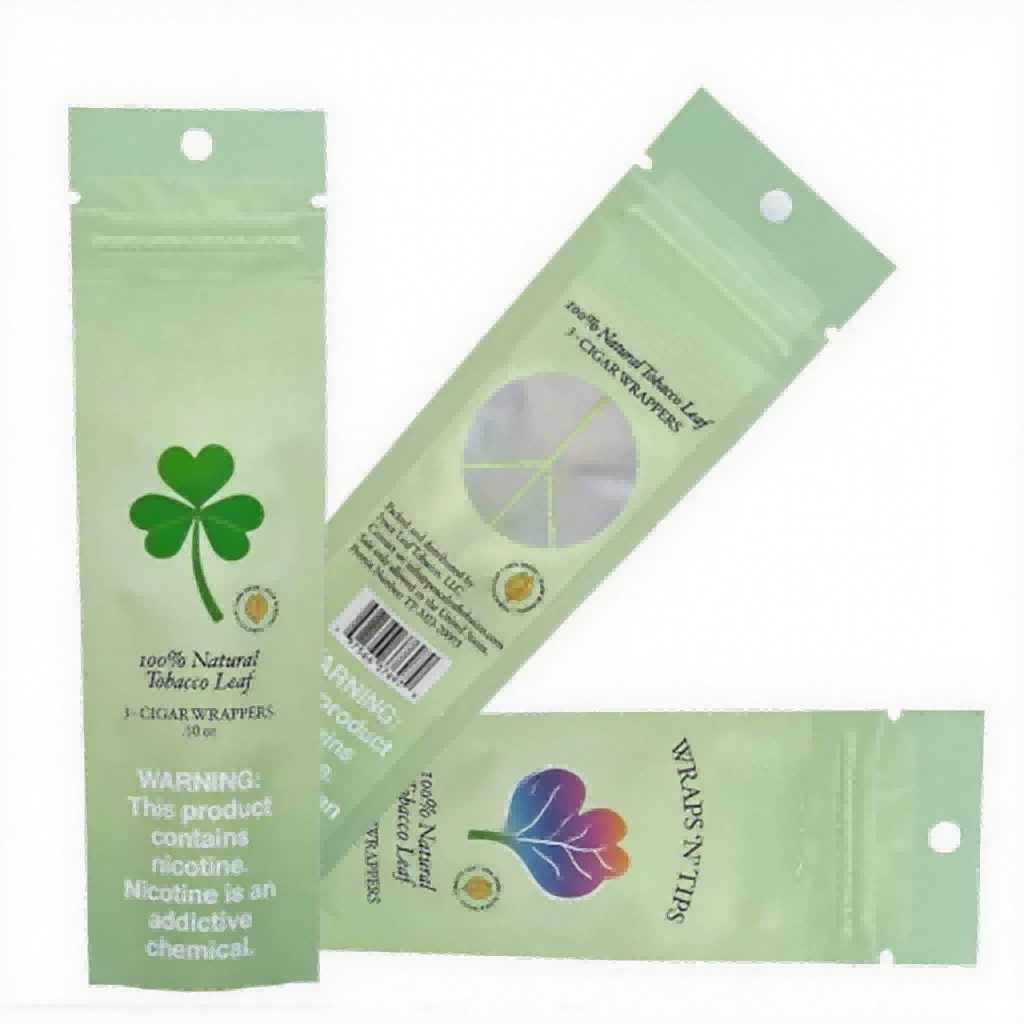
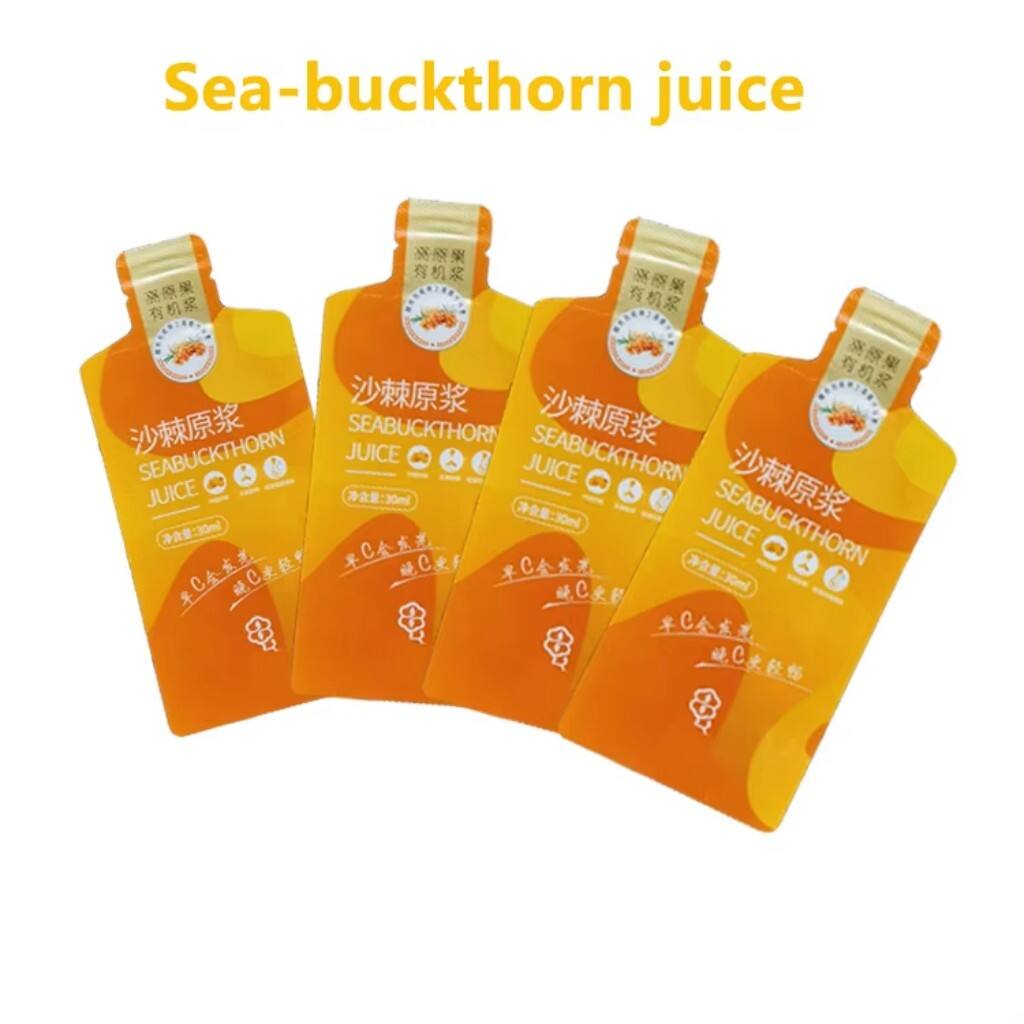
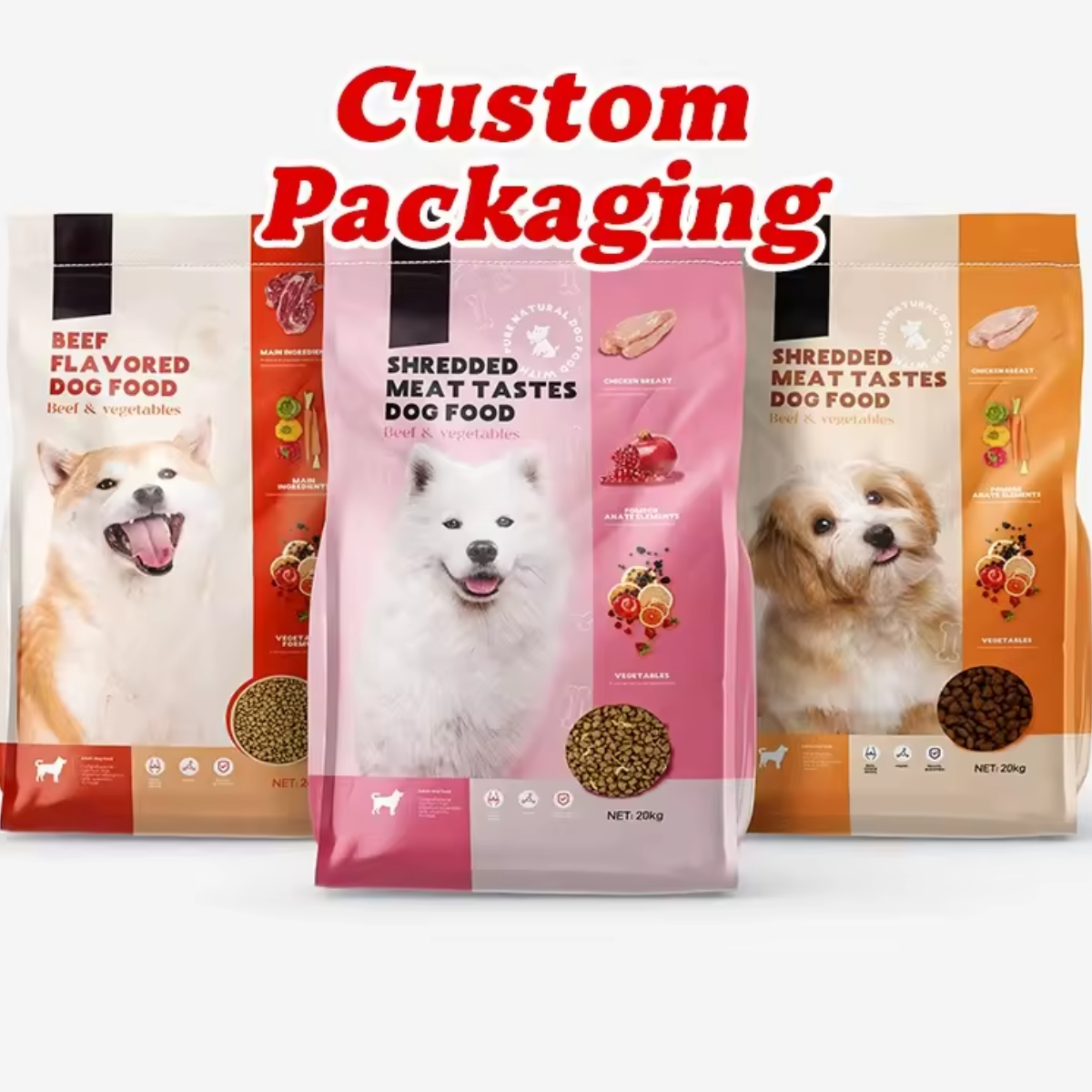
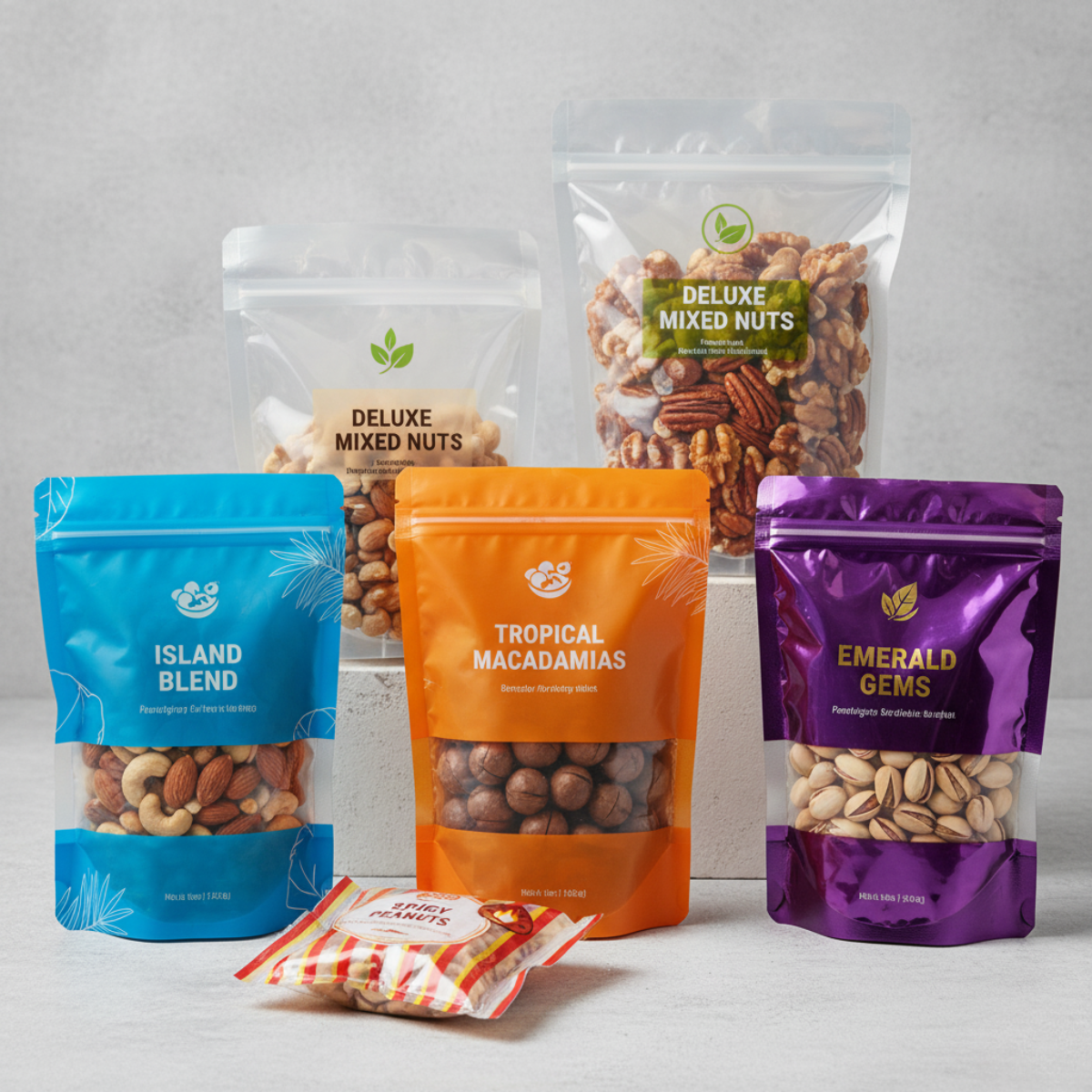
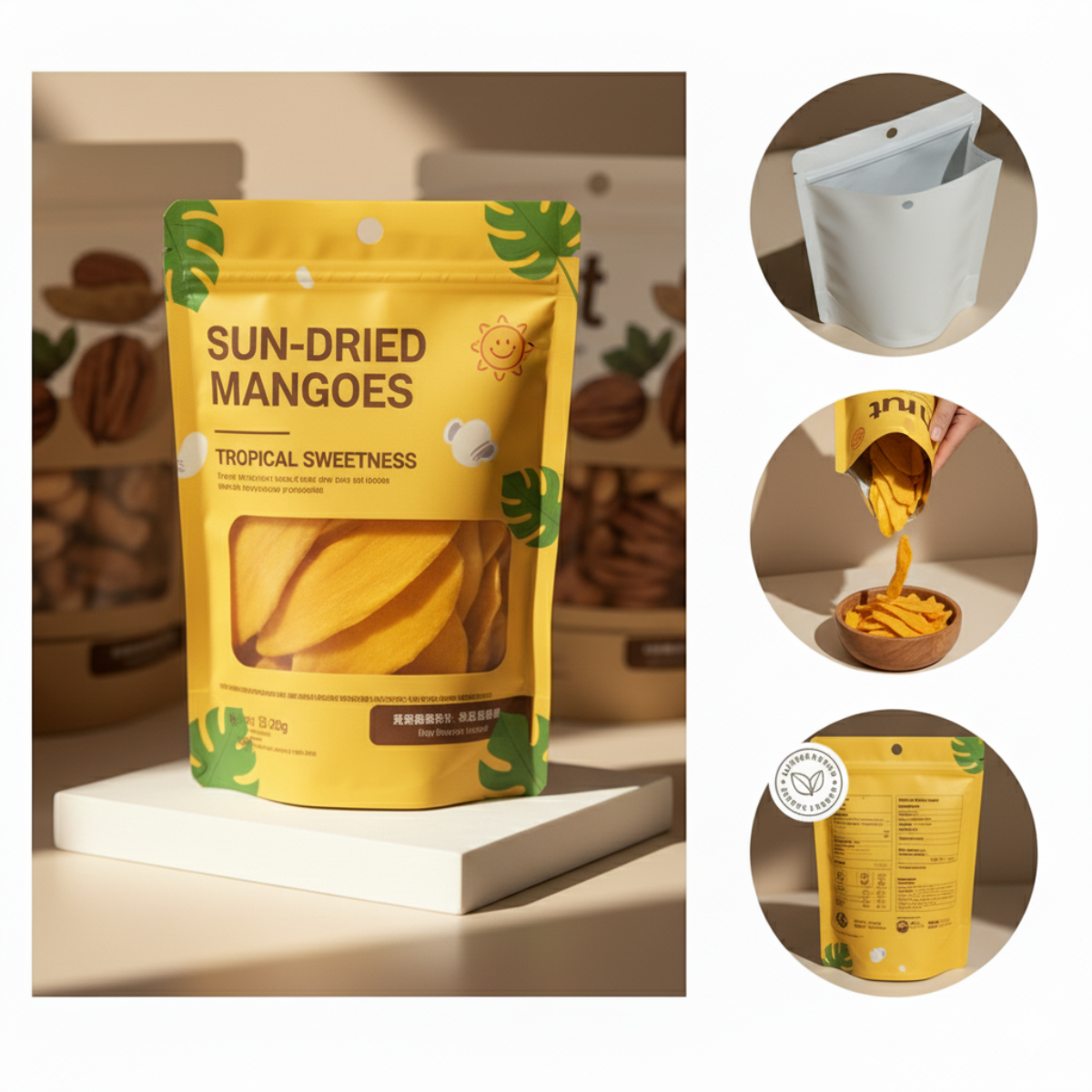
Professional Food Packaging Services - Advanced Solutions for Product Protection & Quality Assurance

Get a Free Quote

Our representative will contact you soon.
Email
Phone
Name
Company Name
Message
0/1000

food packaging services

Food packaging services represent a comprehensive solution that bridges the gap between food production and consumer delivery, ensuring products maintain their quality, safety, and appeal throughout the supply chain. These specialized services encompass the design, development, and implementation of protective barriers that preserve food integrity while meeting regulatory requirements and market demands. Modern food packaging services utilize advanced materials science and innovative technologies to create customized solutions for diverse food categories, from fresh produce and dairy products to processed foods and beverages. The primary functions of food packaging services include product protection, shelf-life extension, contamination prevention, and brand enhancement. These services employ barrier technologies that control moisture, oxygen, and light exposure, effectively maintaining nutritional value and taste profiles. Temperature-sensitive packaging solutions incorporate insulation materials and phase-change components to maintain cold chain integrity during transportation and storage. Smart packaging technologies integrate sensors and indicators that monitor freshness, temperature fluctuations, and package integrity, providing real-time data to manufacturers and retailers. Sustainable packaging initiatives focus on biodegradable materials, recyclable components, and reduced environmental impact without compromising food safety standards. Applications span across multiple food industry sectors, including fresh food distribution, frozen product storage, ready-to-eat meal preparation, and specialty dietary product packaging. Food packaging services also address portion control, convenience features, and consumer accessibility requirements. Advanced printing and labeling capabilities enable comprehensive product information display, nutritional facts presentation, and brand messaging integration. These services collaborate with food manufacturers, retailers, and distributors to develop packaging strategies that align with market positioning, regulatory compliance, and consumer preferences, ultimately delivering comprehensive solutions that enhance product marketability and consumer satisfaction.

New Product Recommendations

Food packaging services deliver substantial operational efficiency improvements that transform how businesses manage their product distribution and market presence. These services eliminate the need for companies to invest in expensive packaging equipment, specialized facilities, and technical expertise, allowing businesses to focus their resources on core competencies while accessing professional packaging capabilities. The cost-effectiveness becomes immediately apparent through reduced capital expenditures, lower operational overhead, and minimized waste generation from optimized packaging processes. Quality assurance represents another significant advantage, as professional food packaging services maintain stringent hygiene standards, implement comprehensive quality control protocols, and ensure consistent packaging results that meet industry certifications and regulatory requirements. Speed and scalability advantages enable businesses to respond quickly to market demands, seasonal fluctuations, and promotional campaigns without the constraints of internal packaging capacity limitations. Food packaging services provide access to cutting-edge technologies and innovative materials that would be prohibitively expensive for individual companies to acquire and maintain independently. Expert consultation and customization capabilities ensure packaging solutions align precisely with specific product requirements, target market preferences, and brand positioning strategies. Risk mitigation benefits include reduced liability exposure, improved product traceability, and enhanced food safety compliance through professional handling procedures and documentation systems. Supply chain optimization occurs through strategic packaging design that reduces transportation costs, maximizes storage efficiency, and minimizes handling complexity throughout distribution networks. Market expansion opportunities emerge through professional packaging that meets international standards, facilitates export requirements, and appeals to diverse consumer segments. Environmental responsibility advantages include access to sustainable packaging materials, waste reduction strategies, and eco-friendly alternatives that enhance corporate social responsibility profiles. Flexibility benefits allow businesses to experiment with different packaging formats, test market responses, and adapt packaging strategies without significant financial commitments or operational disruptions. Professional food packaging services also provide valuable market insights, consumer trend analysis, and competitive intelligence that inform strategic decisions and drive innovation initiatives that ultimately strengthen market position and profitability.

Tips And Tricks

How Can Plastic Packaging Bags Improve Product Shelf Life

13

Nov

How Can Plastic Packaging Bags Improve Product Shelf Life

Understanding the Impact of Advanced Packaging Solutions on Product Longevity The modern food and retail industries face an ongoing challenge: maintaining product freshness and quality while minimizing waste. Plastic packaging bags have emerged as a ...
View More
What Factors Should Businesses Consider When Choosing Plastic Packaging Bags

13

Nov

What Factors Should Businesses Consider When Choosing Plastic Packaging Bags

Essential Considerations for Selecting Industrial Packaging Solutions The selection of plastic packaging bags represents a critical business decision that impacts everything from product protection to brand perception and environmental responsibility...
View More
How to Source High-Quality Plastic Packaging Bags for Food Manufacturing

13

Nov

How to Source High-Quality Plastic Packaging Bags for Food Manufacturing

Mastering Food-Grade Packaging Solutions for Manufacturers In today's competitive food manufacturing landscape, selecting the right plastic packaging bags can make or break your product's success. These essential components not only preserve food qua...
View More
How Does PE Film Contribute to Food Safety and Preservation

13

Nov

How Does PE Film Contribute to Food Safety and Preservation

Understanding the Revolutionary Impact of Polyethylene Films in Food Protection In today's global food industry, ensuring the safety and longevity of food products has become more crucial than ever. PE film has emerged as a groundbreaking solution th...
View More

Get a Free Quote

Our representative will contact you soon.
Email
Phone
Name
Company Name
Message
0/1000

food packaging services

Advanced Barrier Technology Integration

Advanced Barrier Technology Integration

Food packaging services excel in implementing sophisticated barrier technology systems that revolutionize product preservation and extend shelf life capabilities far beyond conventional packaging methods. These advanced barrier technologies incorporate multi-layer film structures, specialized coatings, and innovative material combinations that create impenetrable shields against moisture, oxygen, light, and other environmental factors that compromise food quality. The integration process begins with comprehensive product analysis, where packaging specialists evaluate specific food characteristics, storage requirements, and distribution conditions to design optimal barrier configurations. Oxygen barrier technologies utilize ethylene vinyl alcohol copolymers, metallized films, and specialized nanocomposites that reduce oxygen transmission rates to near-zero levels, preventing oxidation reactions that cause rancidity, color degradation, and nutritional loss. Moisture control systems employ desiccant integration, vapor barrier films, and humidity-regulating materials that maintain optimal moisture levels while preventing condensation and microbial growth. Light protection technologies incorporate UV-blocking additives, opaque materials, and selective wavelength filters that preserve photosensitive nutrients, prevent flavor deterioration, and maintain visual appeal. Temperature-responsive barriers adapt to thermal fluctuations, providing enhanced protection during temperature excursions while maintaining flexibility and seal integrity across varying conditions. Gas barrier innovations include carbon dioxide retention systems for carbonated beverages, nitrogen flush compatibility for oxygen-sensitive products, and selective permeability membranes that allow controlled gas exchange. These barrier technologies integrate seamlessly with smart packaging features, enabling real-time monitoring of barrier performance and environmental conditions throughout the supply chain. The implementation process involves rigorous testing protocols, accelerated shelf-life studies, and validation procedures that ensure barrier effectiveness meets specified performance criteria. Cost-benefit optimization ensures barrier technology selection balances protection requirements with economic considerations, delivering maximum value while maintaining competitive pricing structures. Customization capabilities allow barrier technology adaptation to specific product formulations, packaging formats, and market requirements, ensuring optimal performance across diverse food categories and distribution channels.
Comprehensive Quality Assurance Systems

Comprehensive Quality Assurance Systems

Food packaging services establish comprehensive quality assurance systems that guarantee consistent product safety, regulatory compliance, and customer satisfaction through rigorous monitoring, testing, and validation protocols. These quality systems encompass every aspect of the packaging process, from raw material inspection and supplier qualification to final product verification and post-distribution tracking. The foundation of these quality assurance systems rests on internationally recognized standards including ISO 22000, SQF, BRC, and HACCP protocols that ensure systematic approach to food safety management and continuous improvement practices. Material qualification processes involve extensive supplier audits, raw material testing, and certification verification that guarantee packaging components meet specified quality criteria and regulatory requirements. In-process monitoring systems utilize statistical process control, automated inspection equipment, and real-time data collection to identify potential quality deviations before they impact final products. Microbiological testing programs include pathogen screening, environmental monitoring, and sterility validation that ensure packaging processes maintain hygienic conditions and prevent contamination risks. Physical and chemical testing protocols evaluate packaging integrity, seal strength, barrier performance, and migration characteristics to verify compliance with food contact regulations and performance specifications. Traceability systems maintain comprehensive documentation of material sources, production parameters, and distribution records that enable rapid response to quality issues and facilitate product recalls when necessary. Employee training programs ensure staff competency in quality procedures, food safety practices, and regulatory requirements through regular certification, skill assessment, and continuous education initiatives. Quality management software integrates data collection, trend analysis, and corrective action tracking to identify improvement opportunities and prevent quality issues recurrence. Customer feedback integration systems capture market performance data, consumer complaints, and satisfaction metrics to drive continuous improvement and product optimization initiatives. Third-party verification programs include independent audits, certification maintenance, and regulatory compliance assessments that validate quality system effectiveness and build customer confidence. Continuous improvement methodologies employ root cause analysis, preventive action implementation, and performance measurement to enhance quality system effectiveness and operational efficiency while maintaining cost-effectiveness and competitive advantage in the marketplace.
Sustainable Packaging Innovation Solutions

Sustainable Packaging Innovation Solutions

Food packaging services pioneer sustainable packaging innovation solutions that address environmental concerns while maintaining superior product protection and market appeal through revolutionary materials, design strategies, and circular economy principles. These innovative solutions encompass biodegradable packaging materials, renewable resource utilization, and closed-loop recycling systems that minimize environmental impact without compromising food safety or shelf-life performance. Biodegradable material development includes plant-based polymers, compostable films, and naturally derived barrier coatings that decompose safely in industrial composting facilities or natural environments. Renewable resource integration utilizes agricultural waste materials, recycled content incorporation, and bio-based alternatives that reduce dependence on petroleum-derived materials while supporting sustainable supply chains. Design optimization strategies focus on material reduction, structural efficiency, and multi-functional packaging concepts that eliminate unnecessary components while maintaining protective capabilities and consumer convenience features. Recyclability enhancement involves material selection, adhesive compatibility, and separation-friendly designs that facilitate recycling processes and improve recovery rates in existing waste management systems. Life cycle assessment methodologies evaluate environmental impact across entire product lifecycles, identifying optimization opportunities and quantifying sustainability improvements through comprehensive carbon footprint analysis and resource consumption evaluation. Circular economy integration creates closed-loop systems where packaging materials return to production cycles, minimizing waste generation and resource depletion while maintaining economic viability and operational efficiency. Consumer education initiatives accompany sustainable packaging solutions, providing clear disposal instructions, environmental benefit communication, and sustainability messaging that enhances brand reputation and market differentiation. Innovation partnerships with material suppliers, research institutions, and technology developers accelerate sustainable packaging advancement and ensure access to cutting-edge solutions that meet evolving regulatory requirements and consumer expectations. Cost-effectiveness analysis demonstrates that sustainable packaging solutions provide long-term economic benefits through material cost reductions, waste disposal savings, and brand value enhancement while meeting corporate sustainability goals. Regulatory compliance support ensures sustainable packaging solutions meet current and anticipated environmental regulations, food safety standards, and international trade requirements while maintaining competitive market position and operational flexibility for future adaptation.
Professional Food Packaging Services - Advanced Solutions for Product Protection & Quality Assurance

Get a Free Quote

Our representative will contact you soon.
Email
Phone
Name
Company Name
Message
0/1000