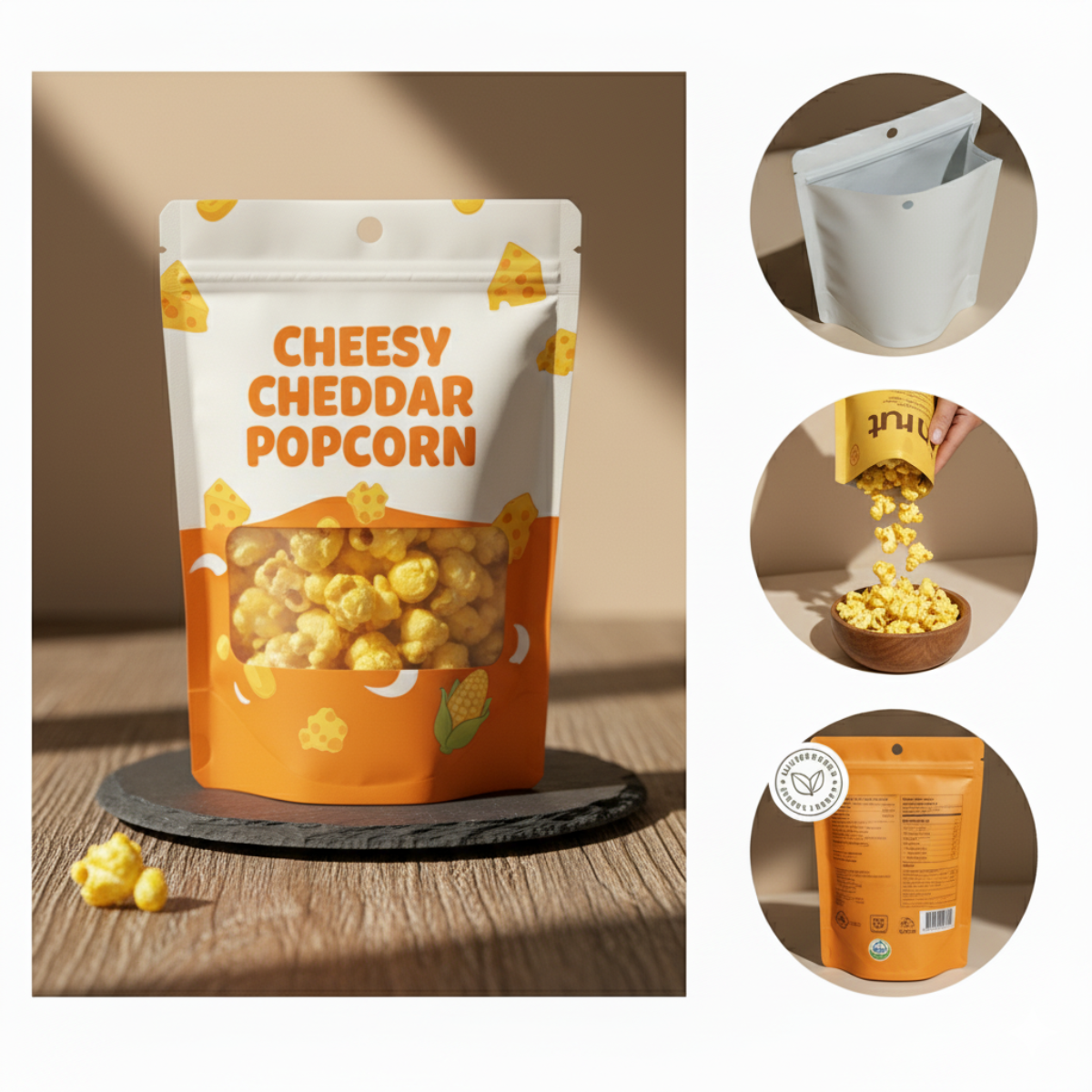
food packaging bags
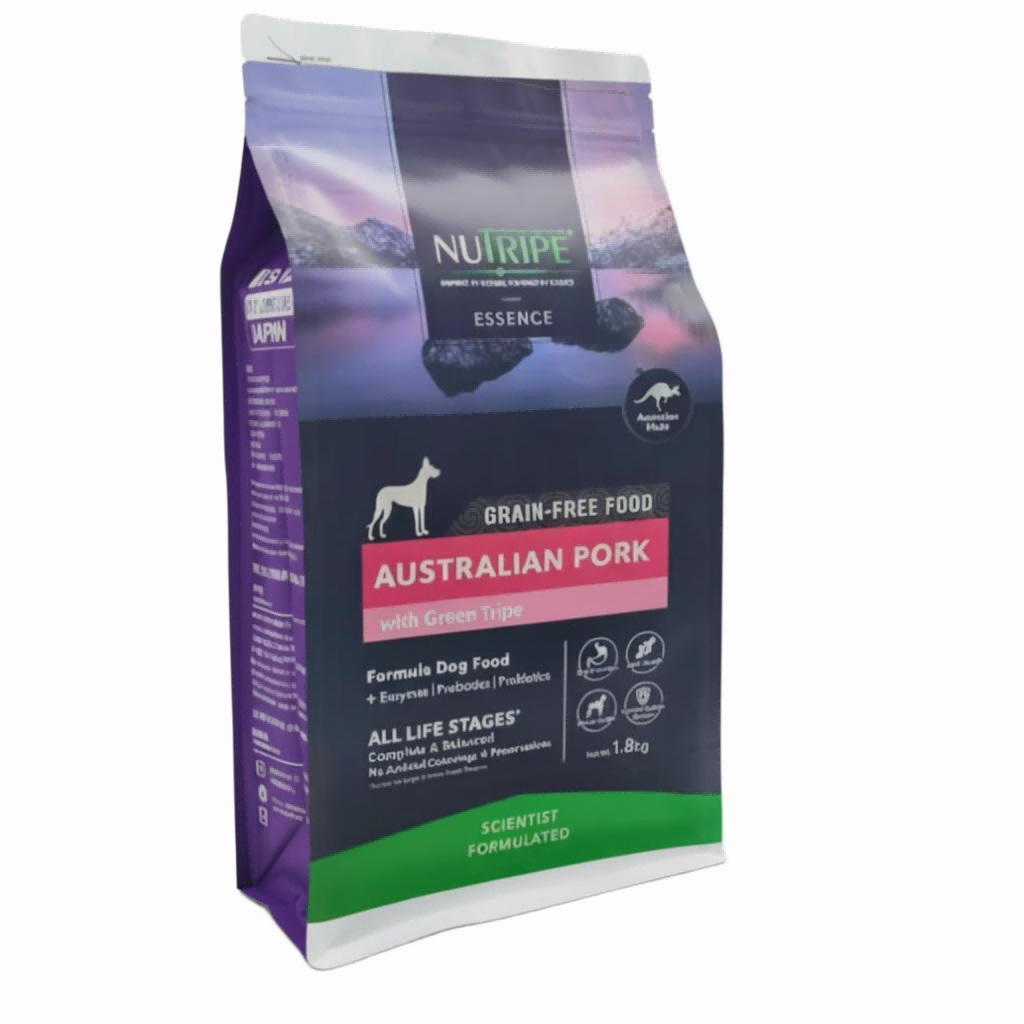
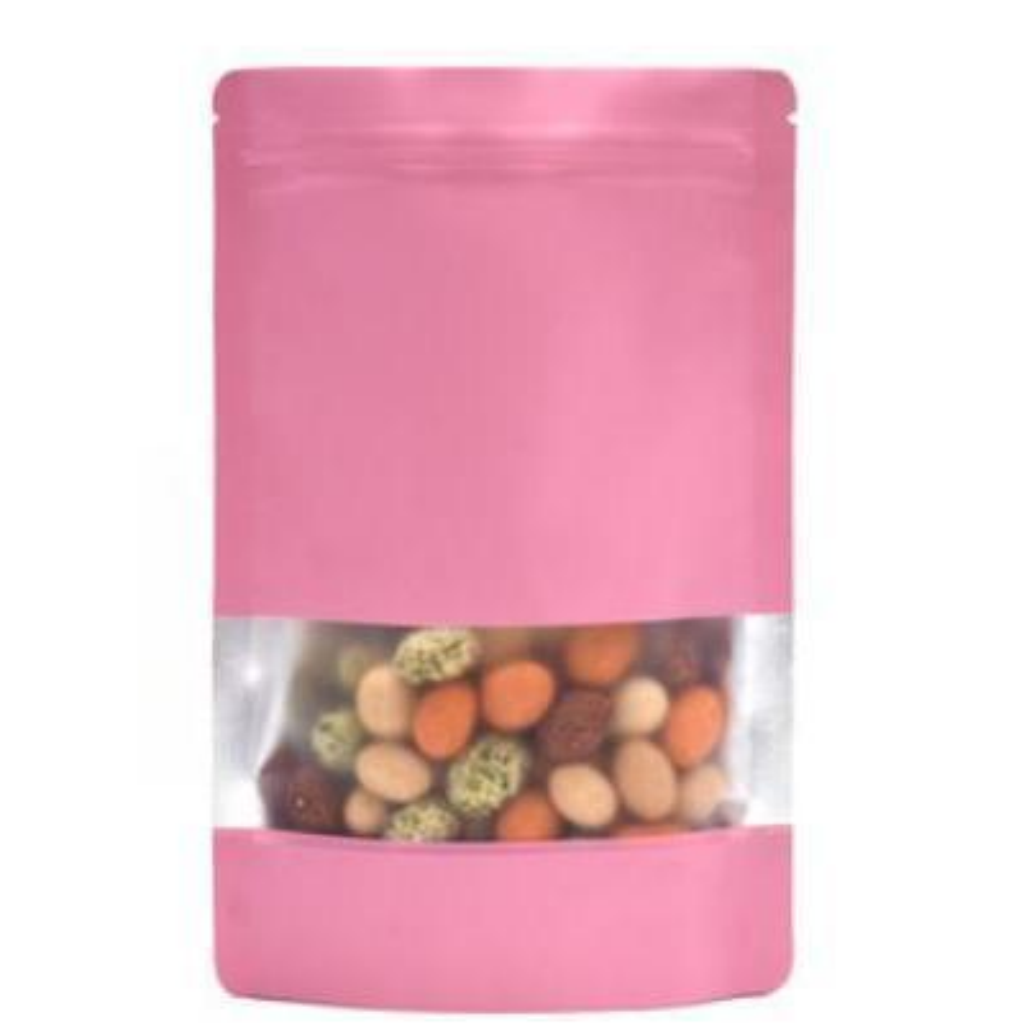
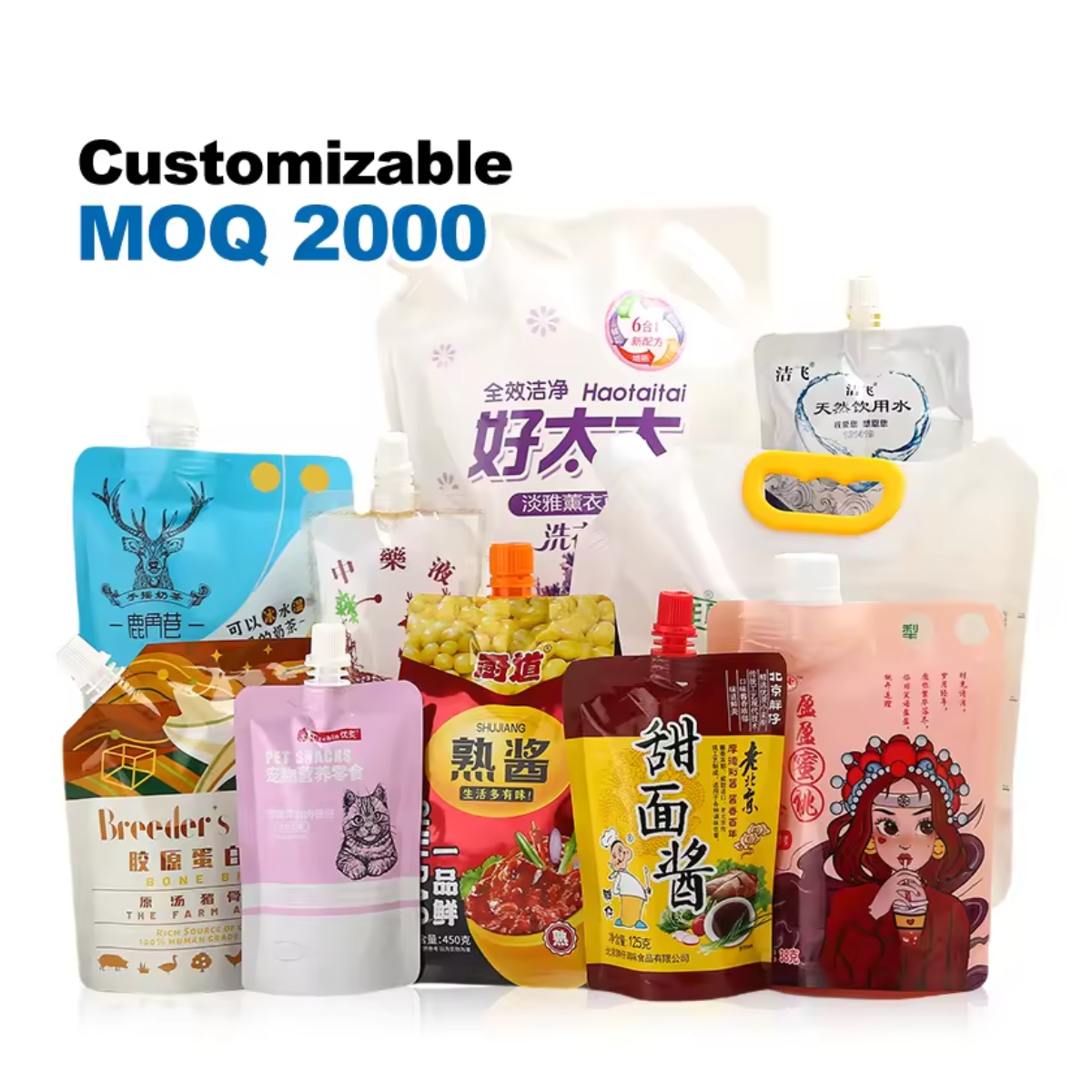
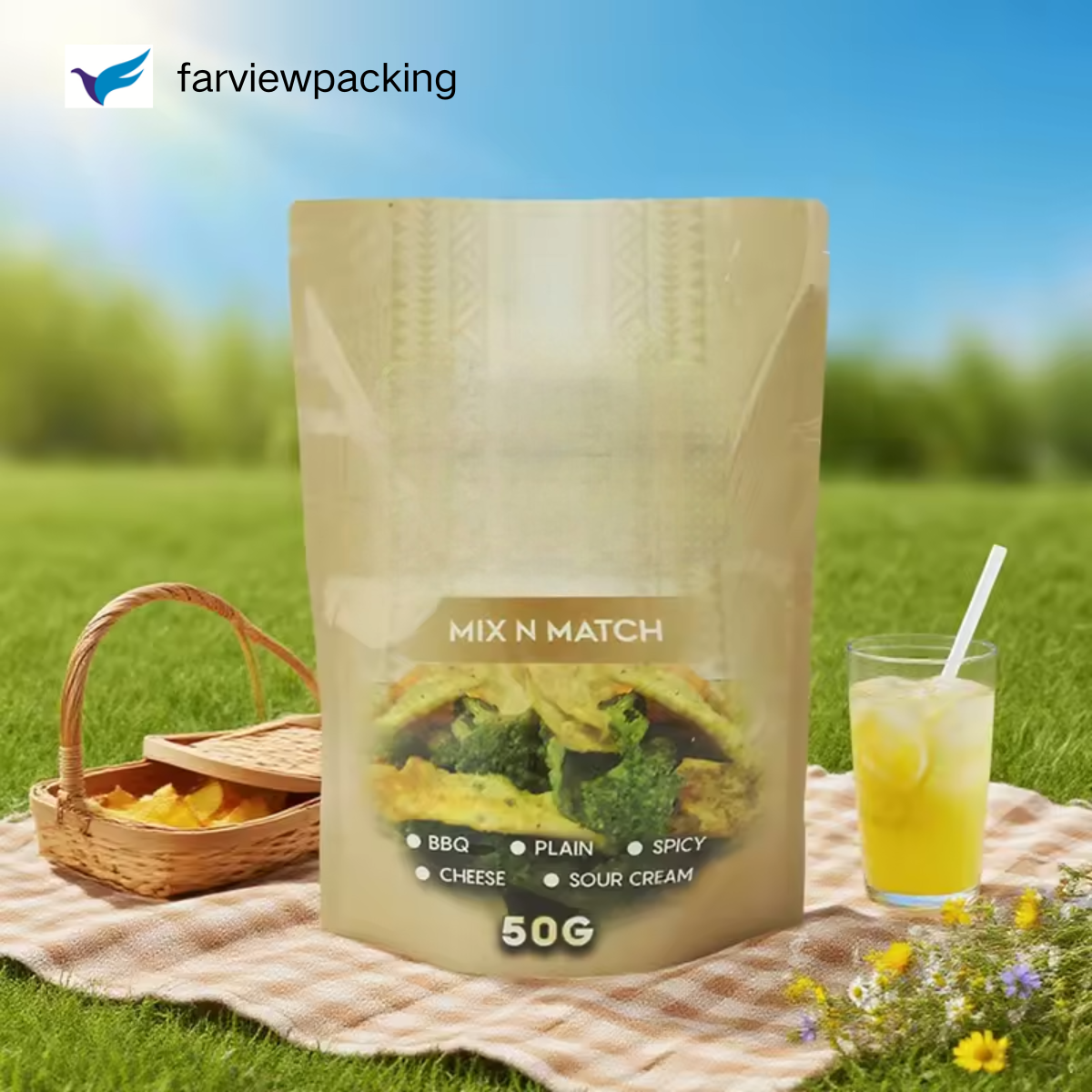
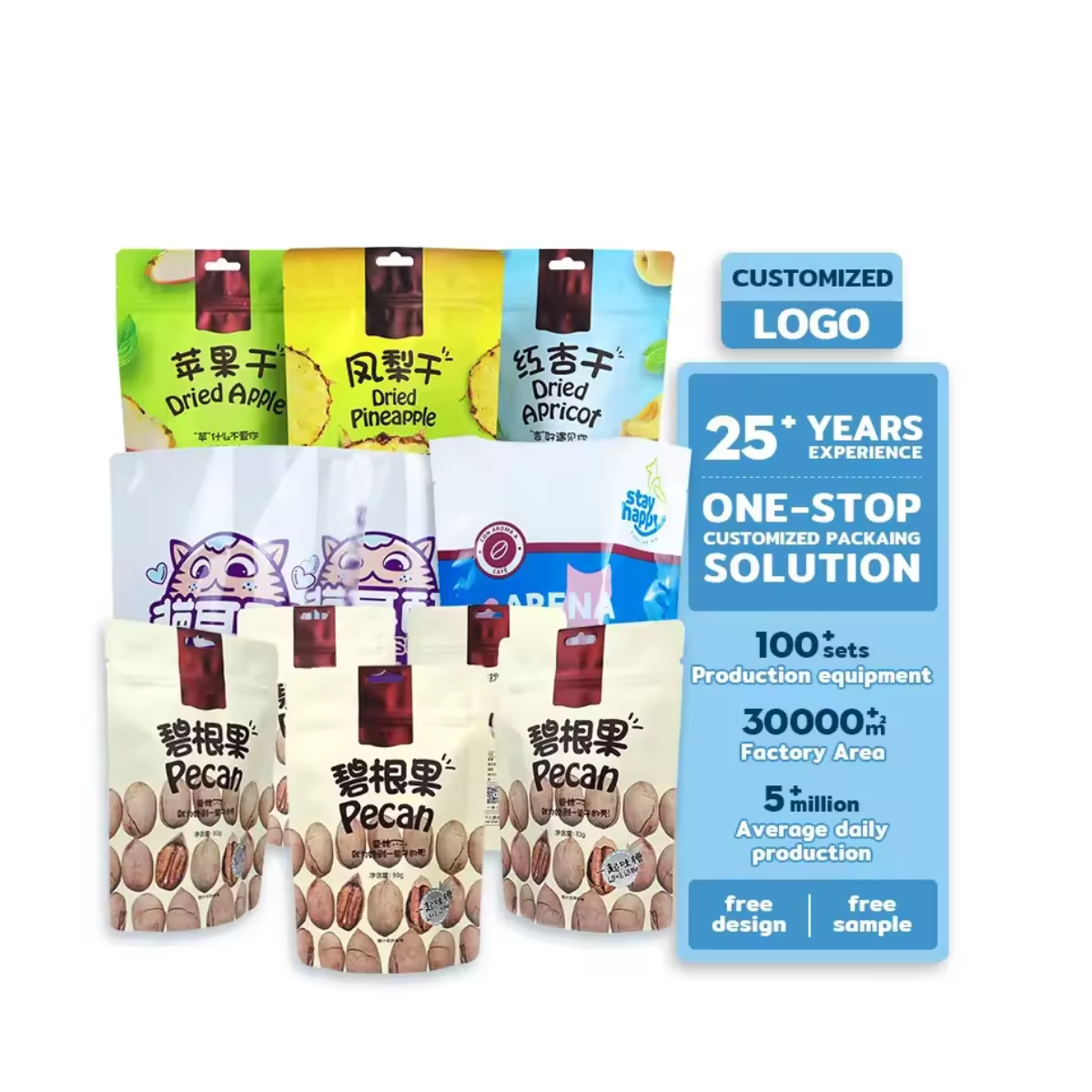
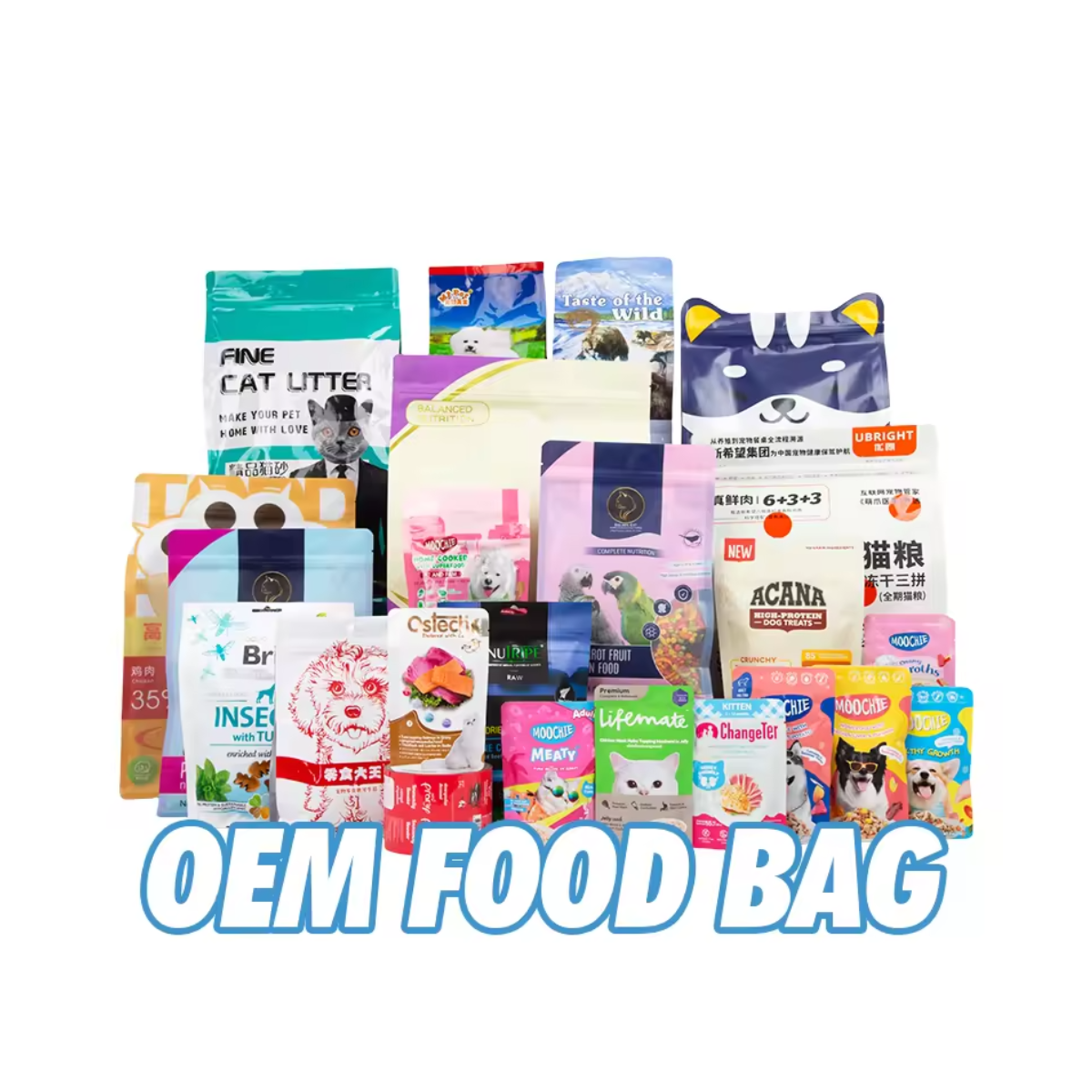
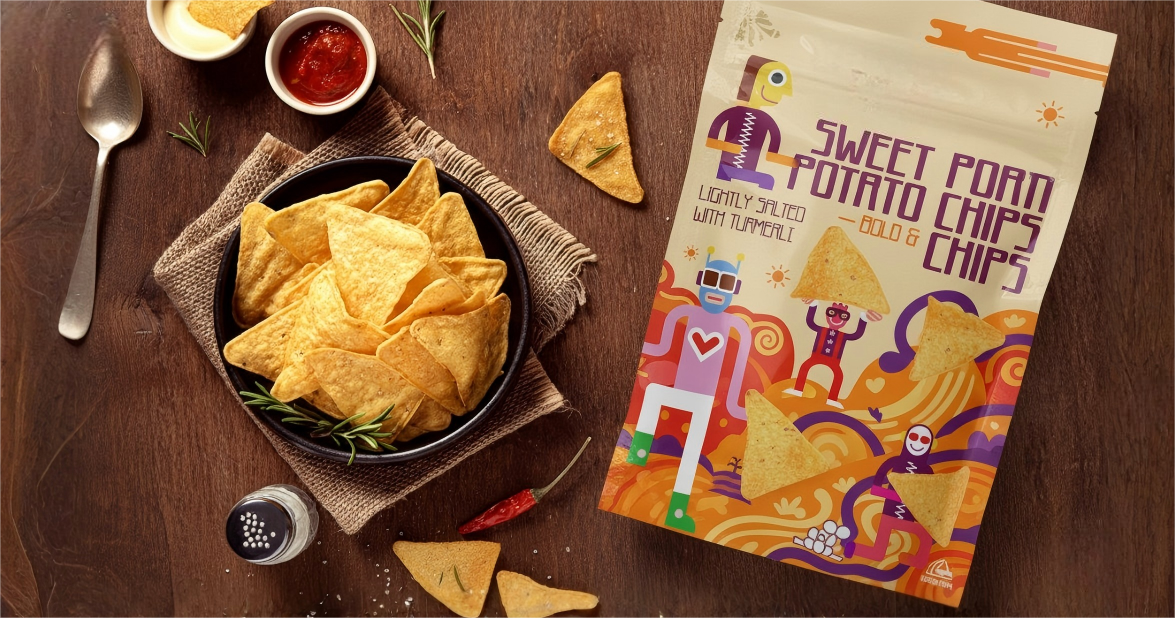
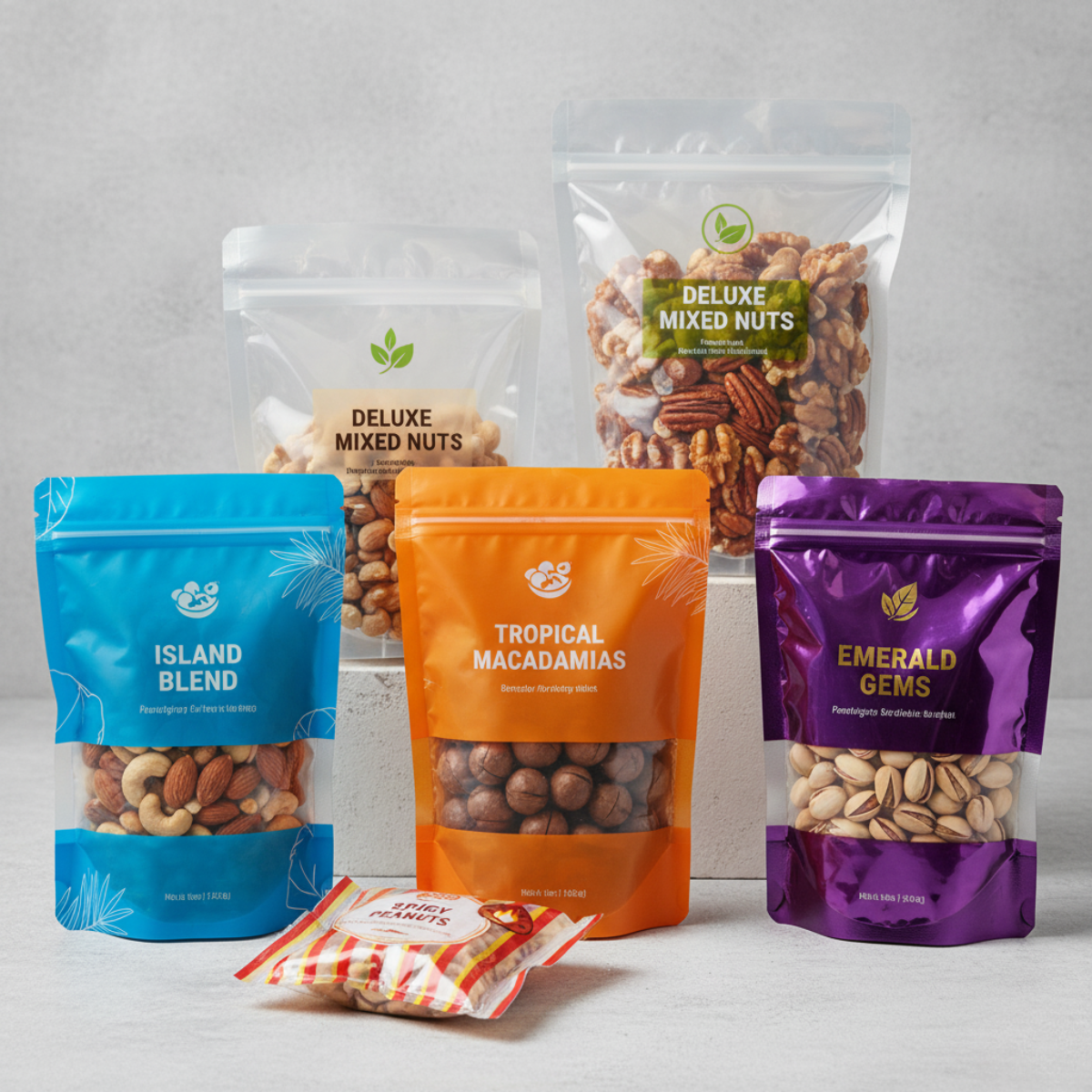
Food packaging bags represent a crucial component in modern food preservation and distribution systems, serving as the primary barrier between consumable products and environmental contaminants. These specialized containers are engineered using advanced polymer technologies and multi-layer construction techniques to create protective environments that extend shelf life while maintaining product quality. The fundamental purpose of food packaging bags extends beyond simple containment, encompassing moisture control, oxygen barrier protection, light shielding, and contamination prevention. Modern food packaging bags incorporate sophisticated materials such as polyethylene, polypropylene, polyester, and aluminum foil layers that work synergistically to create optimal storage conditions. The technological features of contemporary food packaging bags include heat-sealable surfaces, puncture-resistant construction, and selective permeability characteristics that allow controlled gas exchange when necessary. These bags utilize barrier coating technologies that prevent flavor migration, aroma loss, and nutritional degradation during storage and transportation. Applications for food packaging bags span across diverse sectors including fresh produce, processed foods, frozen items, snack products, beverages, and specialty dietary supplements. The versatility of these containers makes them indispensable for retail packaging, institutional food service, and industrial food processing operations. Advanced food packaging bags often feature tamper-evident seals, easy-open mechanisms, and resealable closures that enhance user convenience while maintaining product integrity. The manufacturing process involves precise thickness control, uniform material distribution, and quality testing protocols that ensure consistent performance across different environmental conditions. These packaging solutions must comply with stringent food safety regulations and undergo rigorous testing for chemical migration, mechanical strength, and barrier effectiveness to guarantee consumer protection and product freshness throughout the entire supply chain.
 EN
EN