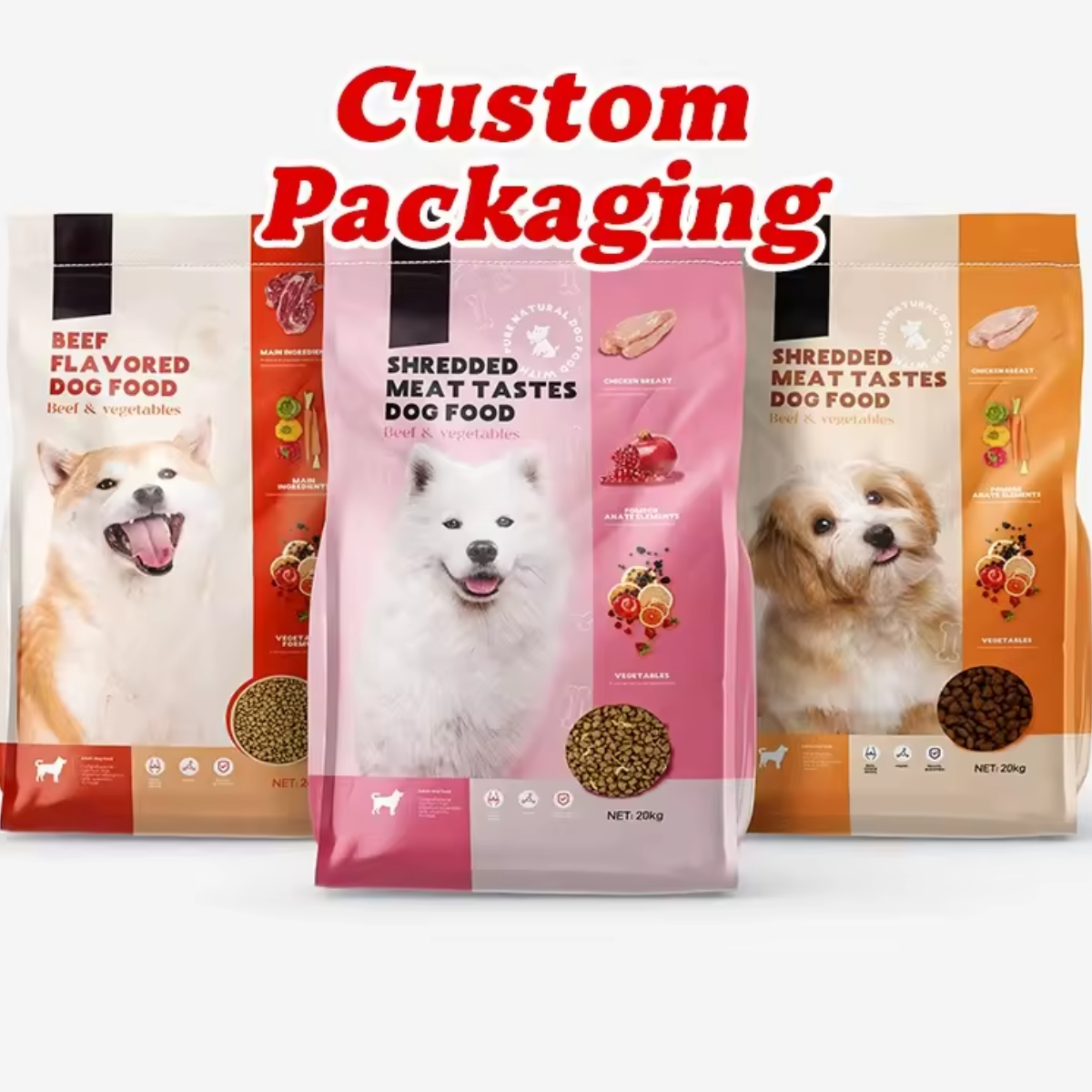
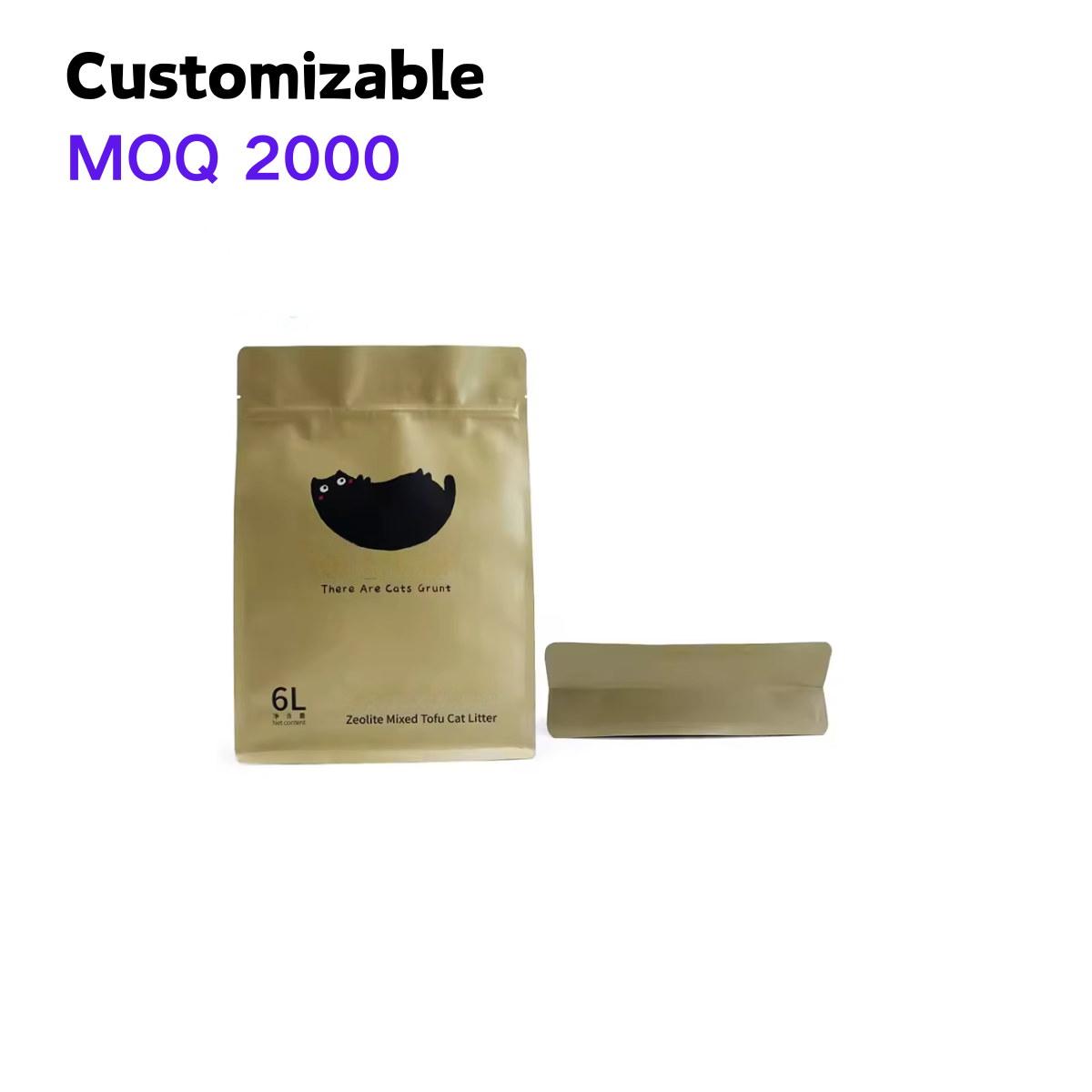
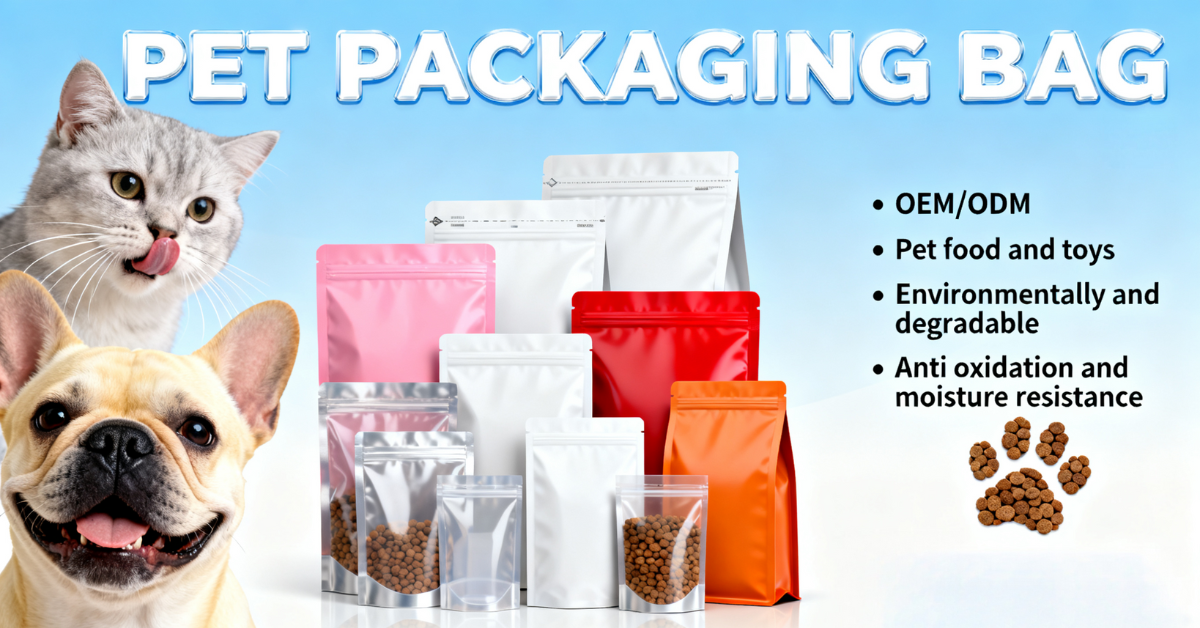
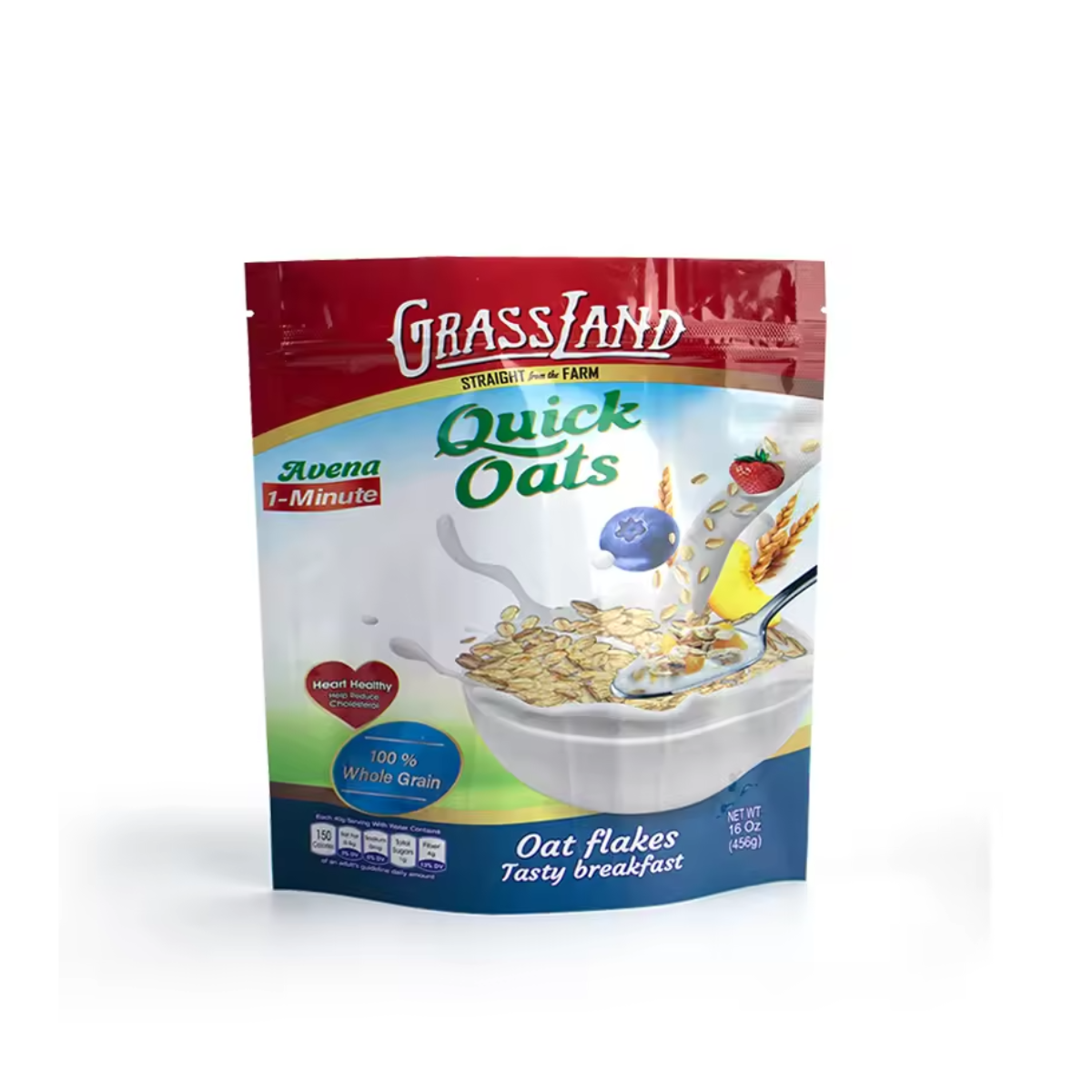
food packaging features customization
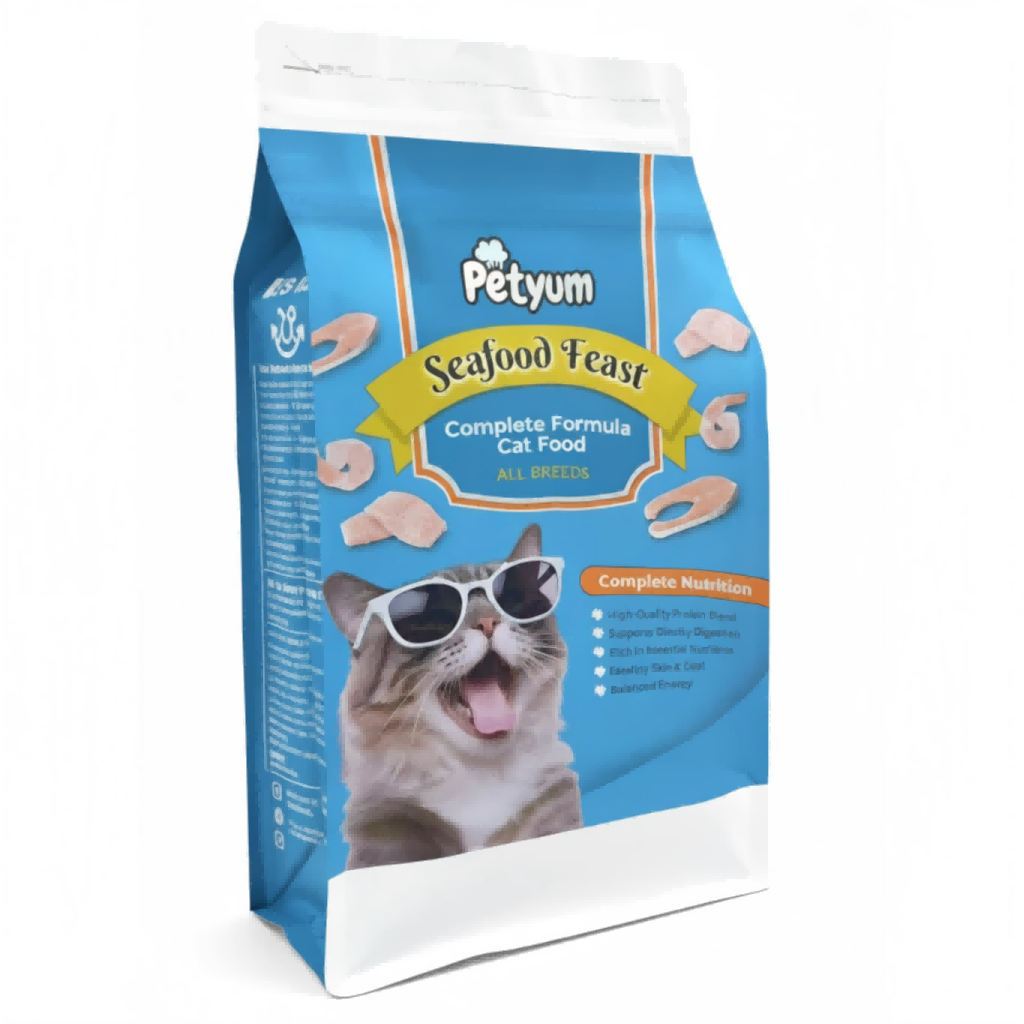
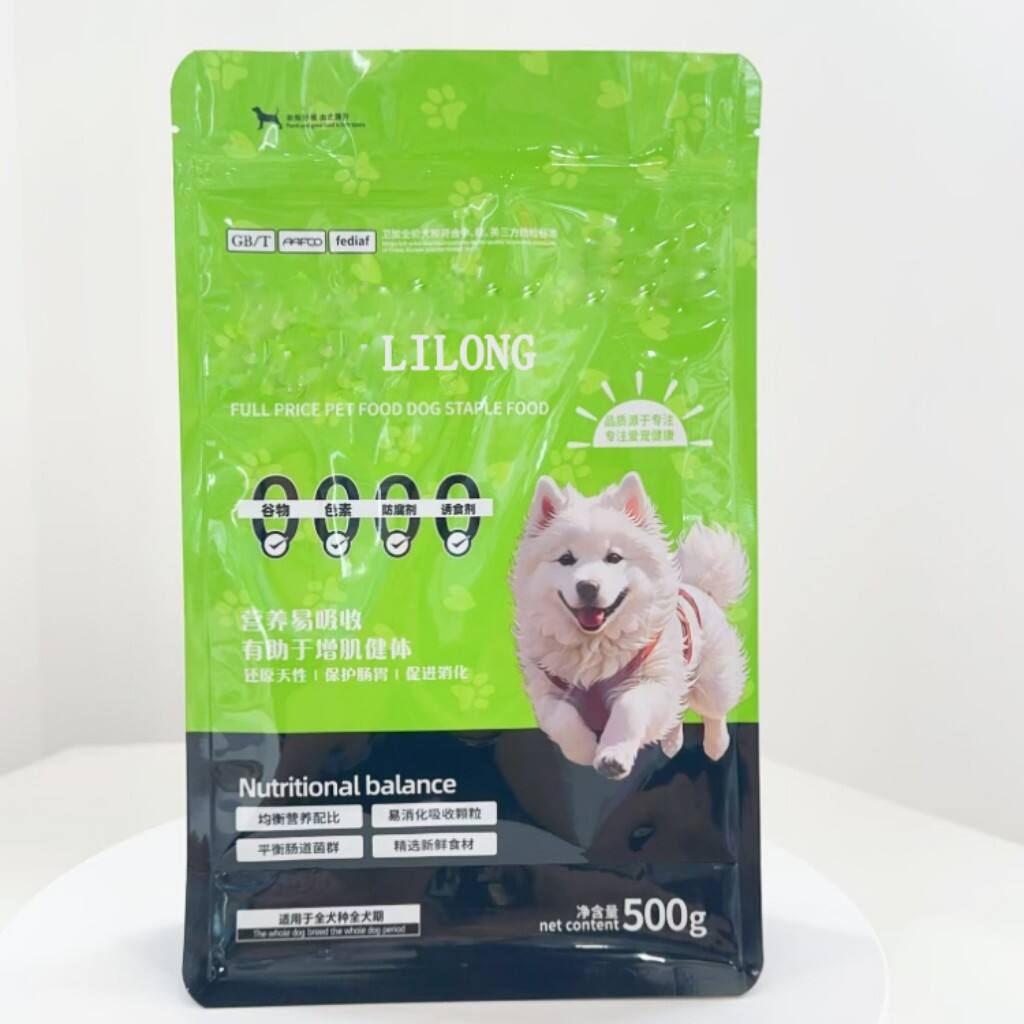
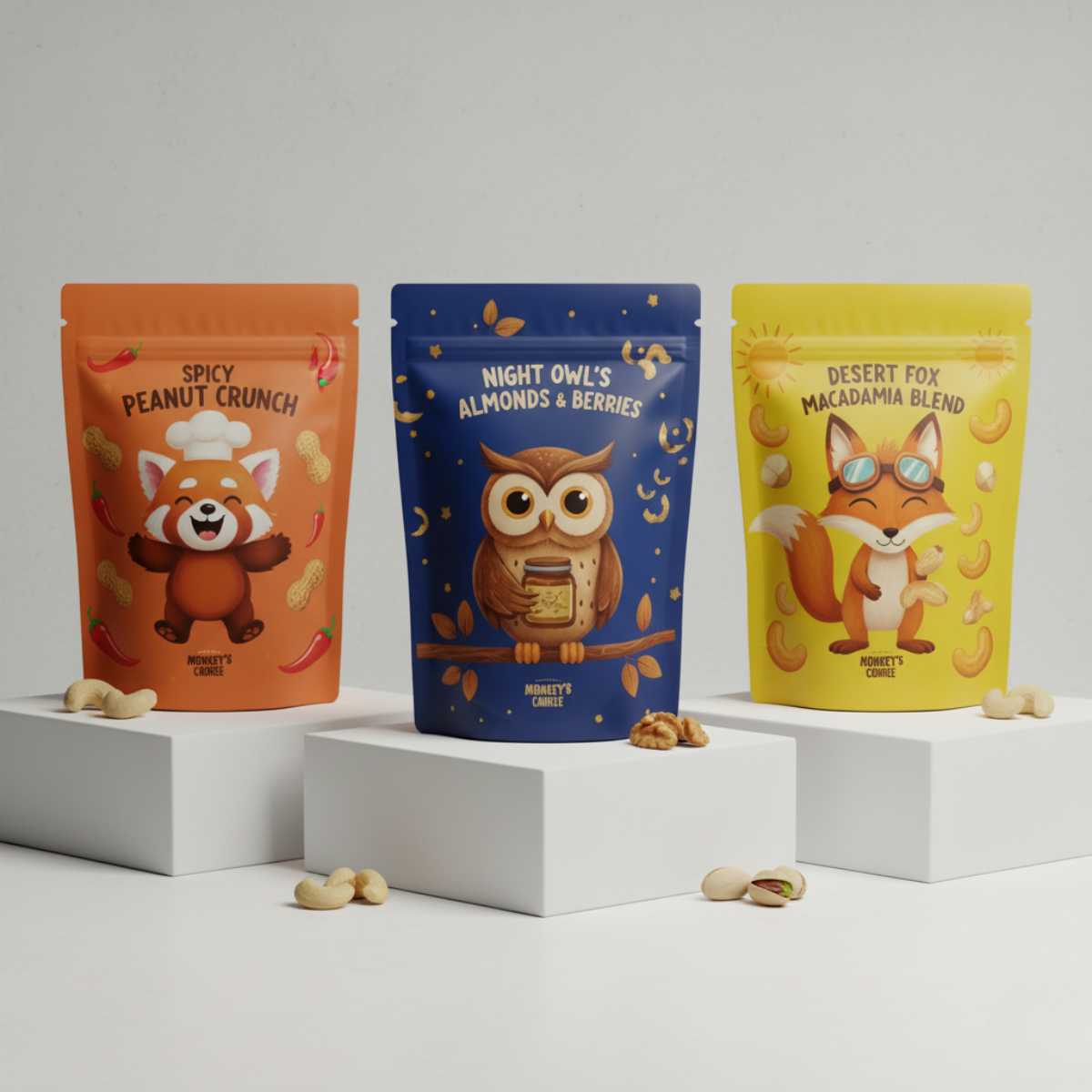
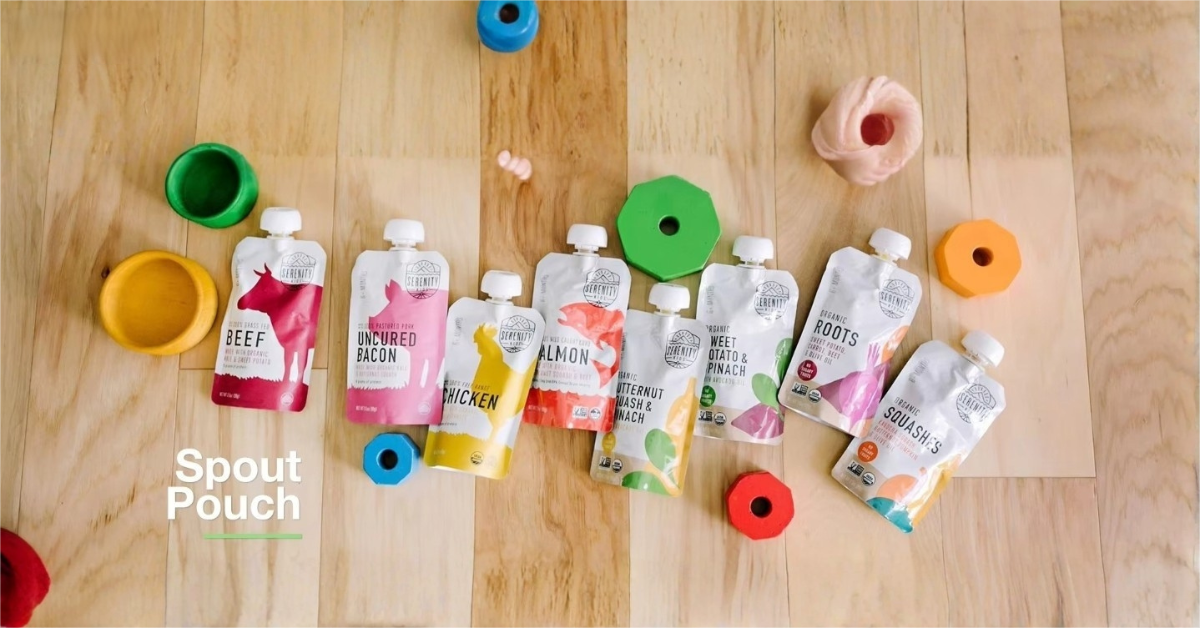
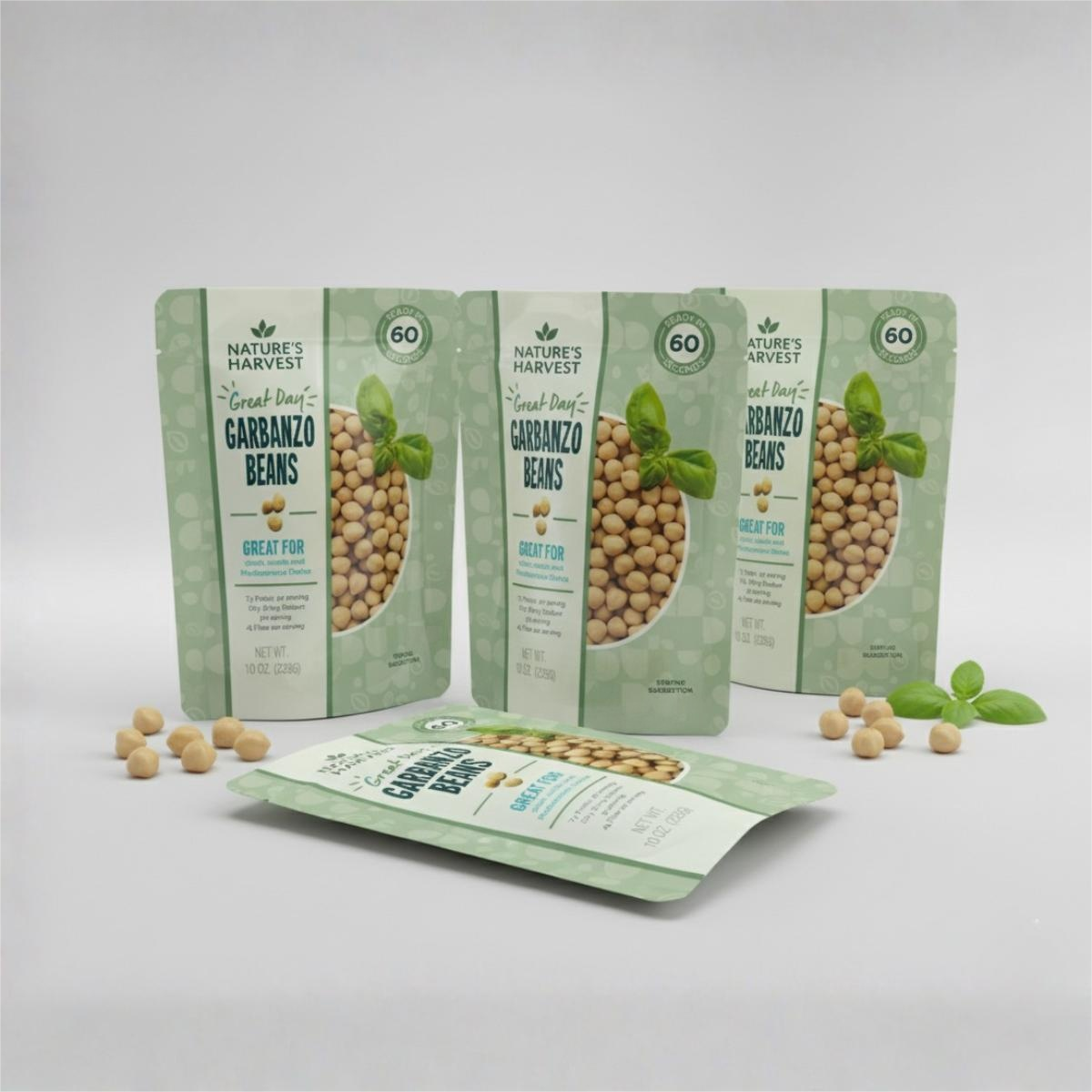
Food packaging features customization represents a revolutionary approach to modern packaging solutions that transforms how brands protect, present, and promote their products in competitive markets. This comprehensive service encompasses the strategic modification and enhancement of packaging elements to meet specific brand requirements, regulatory standards, and consumer preferences. The core functionality of food packaging features customization involves tailoring every aspect of packaging design, from structural engineering to aesthetic elements, ensuring optimal product preservation while maximizing shelf appeal. The technological foundation of customized food packaging features integrates advanced material science, precision manufacturing processes, and innovative design methodologies. Modern customization utilizes cutting-edge technologies including digital printing systems, advanced barrier coatings, smart packaging sensors, and sustainable material alternatives. These technological capabilities enable manufacturers to create packaging solutions that extend shelf life, maintain product integrity, and provide enhanced user experiences. The manufacturing process incorporates computer-aided design software, automated production lines, and quality control systems that ensure consistent results across large-scale operations. Applications of food packaging features customization span diverse industry sectors, including fresh produce, processed foods, beverages, confectionery, and specialty dietary products. Retailers utilize customized packaging to differentiate their private label products, while established brands leverage these solutions to refresh their market presence or launch new product lines. The customization process addresses critical factors such as moisture control, oxygen barrier properties, temperature resistance, and tamper-evident features. Additionally, food packaging features customization accommodates specific requirements like portion control, easy-open mechanisms, resealable closures, and microwave compatibility. This comprehensive approach ensures that each packaging solution aligns perfectly with the product characteristics, target demographic, and distribution channels while maintaining compliance with food safety regulations and industry standards.
 EN
EN