healthcare packaging
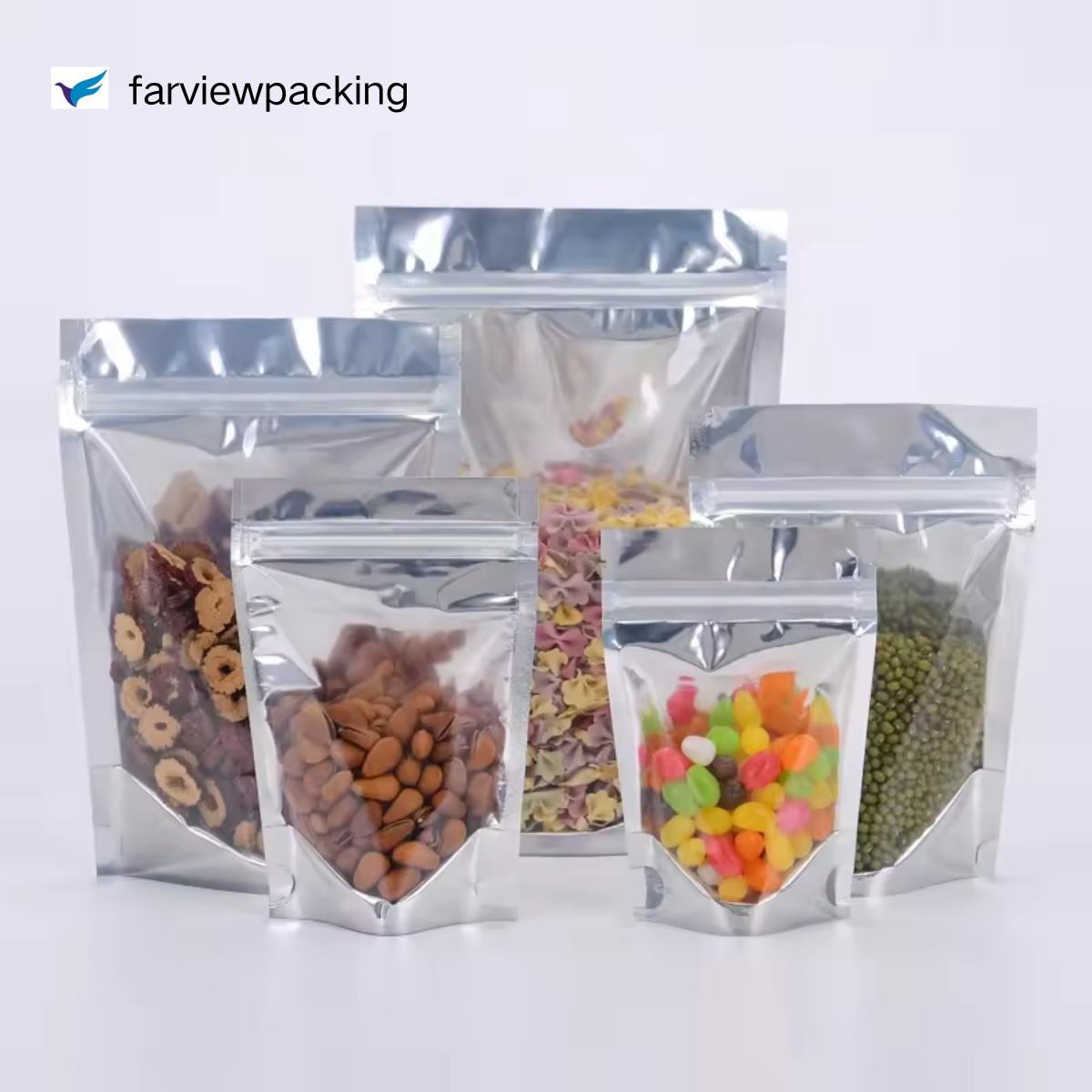
Healthcare packaging represents a critical component of the medical industry, serving as the first line of defense in maintaining product integrity, safety, and efficacy throughout the supply chain. This specialized packaging system encompasses a comprehensive range of materials, technologies, and design solutions specifically engineered to meet the stringent requirements of pharmaceutical products, medical devices, and biotechnology applications. The primary functions of healthcare packaging include barrier protection against moisture, oxygen, light, and microbial contamination while ensuring product sterility and extending shelf life. Advanced healthcare packaging solutions incorporate sophisticated materials such as high-barrier films, coextruded laminates, and specialized polymers that provide exceptional protection against environmental factors. Temperature-sensitive products benefit from innovative insulation systems and phase-change materials that maintain optimal storage conditions during transportation and storage. Smart packaging technologies integrate sensors, indicators, and tracking systems that monitor product conditions in real-time, providing valuable data for quality assurance and supply chain management. Healthcare packaging applications span across multiple sectors including prescription medications, over-the-counter drugs, medical instruments, diagnostic equipment, and biological samples. Sterile packaging systems utilize validated sterilization methods such as gamma irradiation, electron beam, and ethylene oxide to ensure microbial safety. Child-resistant packaging features incorporate tamper-evident seals and specialized closure mechanisms to prevent accidental ingestion while maintaining accessibility for intended users. Regulatory compliance remains paramount, with healthcare packaging meeting FDA, USP, and international standards for material safety, extraction limits, and performance specifications. Sustainable healthcare packaging initiatives focus on reducing environmental impact through recyclable materials, minimized packaging waste, and eco-friendly manufacturing processes while maintaining product protection standards.
 EN
EN