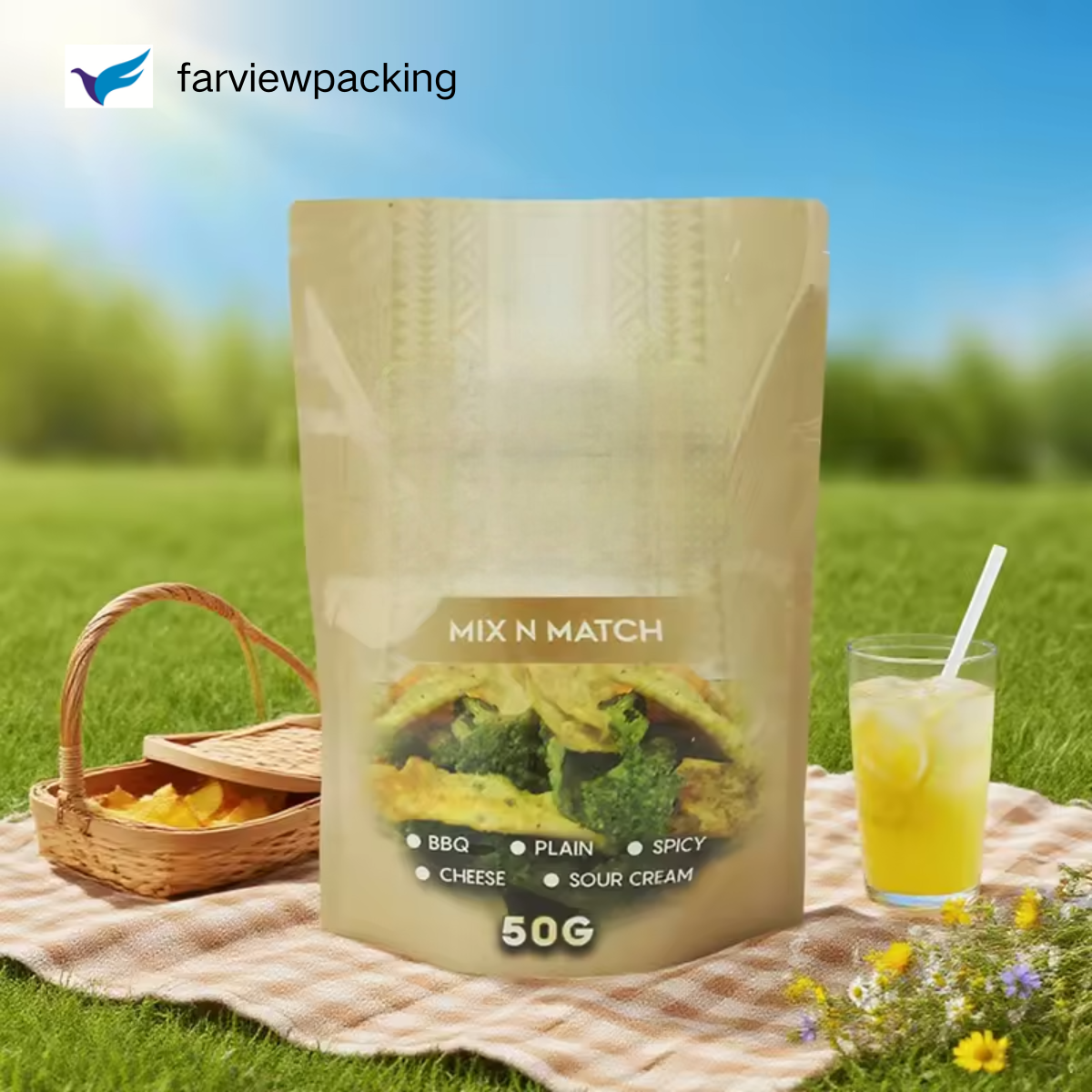
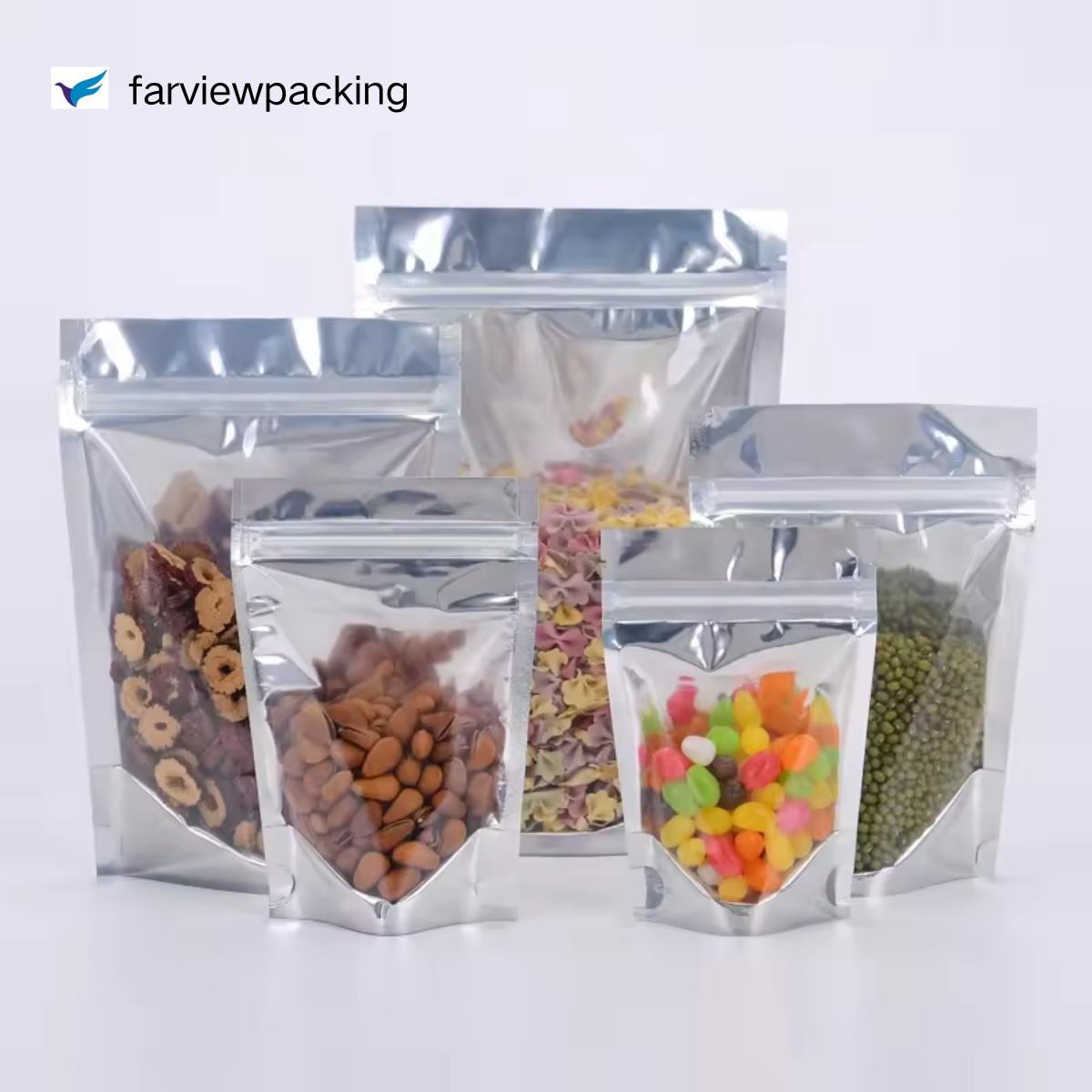
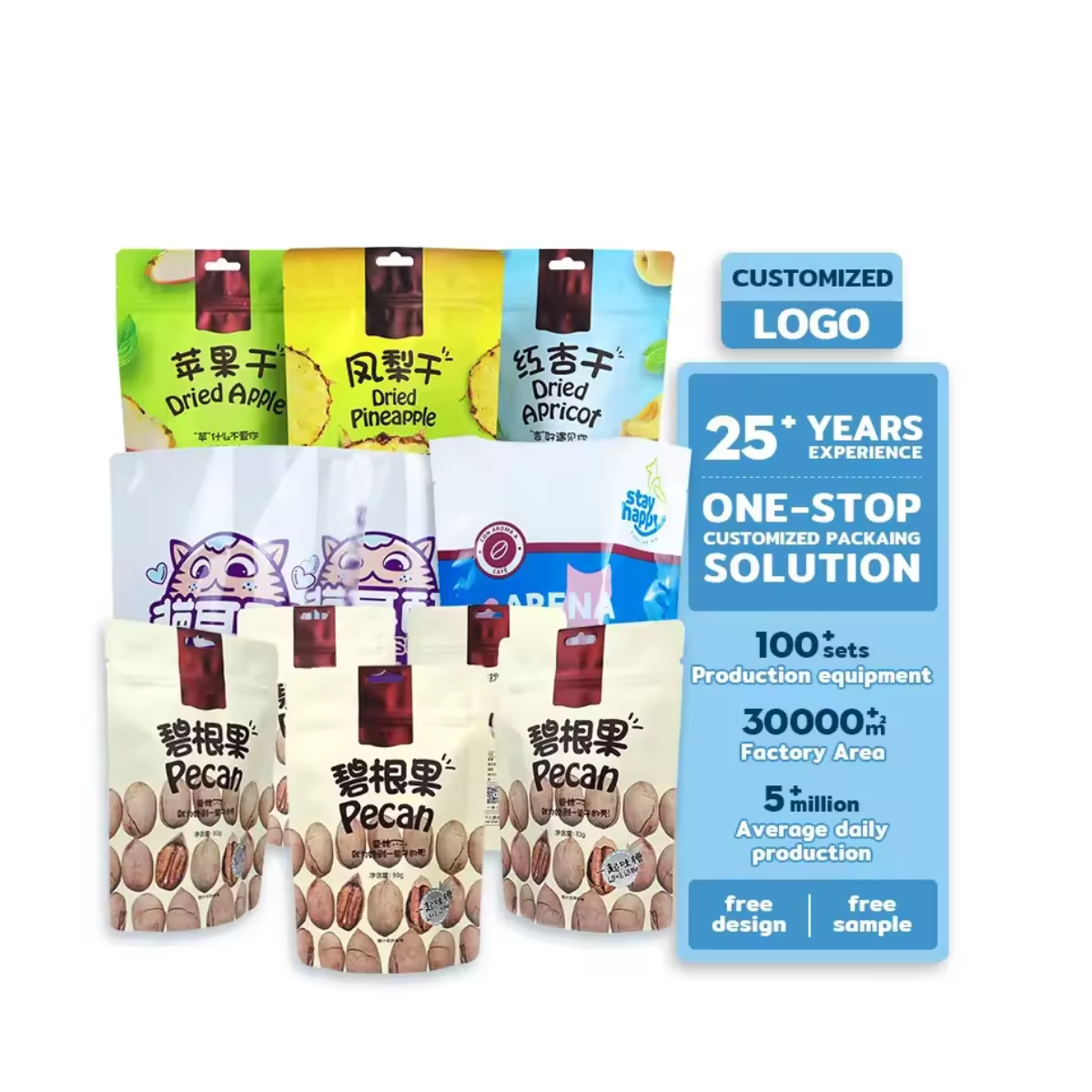
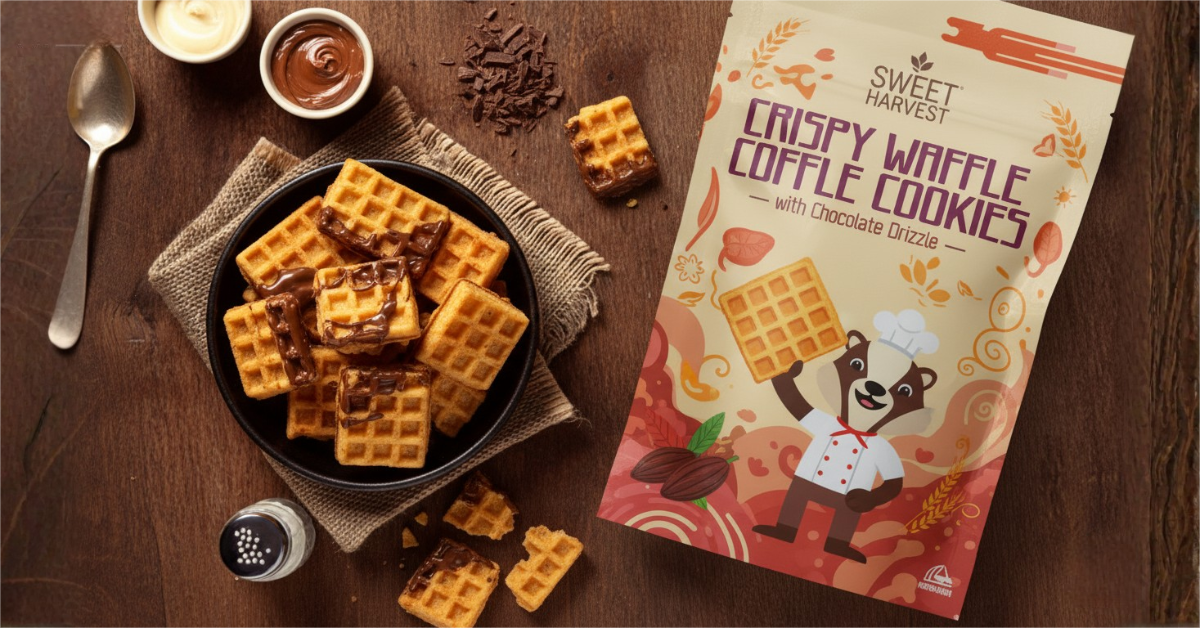
Professional Minimum Order Quantity Packaging Solutions - Flexible, Cost-Effective Custom Packaging

Get a Free Quote

Our representative will contact you soon.
Email
Mobile
Name
Company Name
Message
0/1000

minimum order quantity packaging

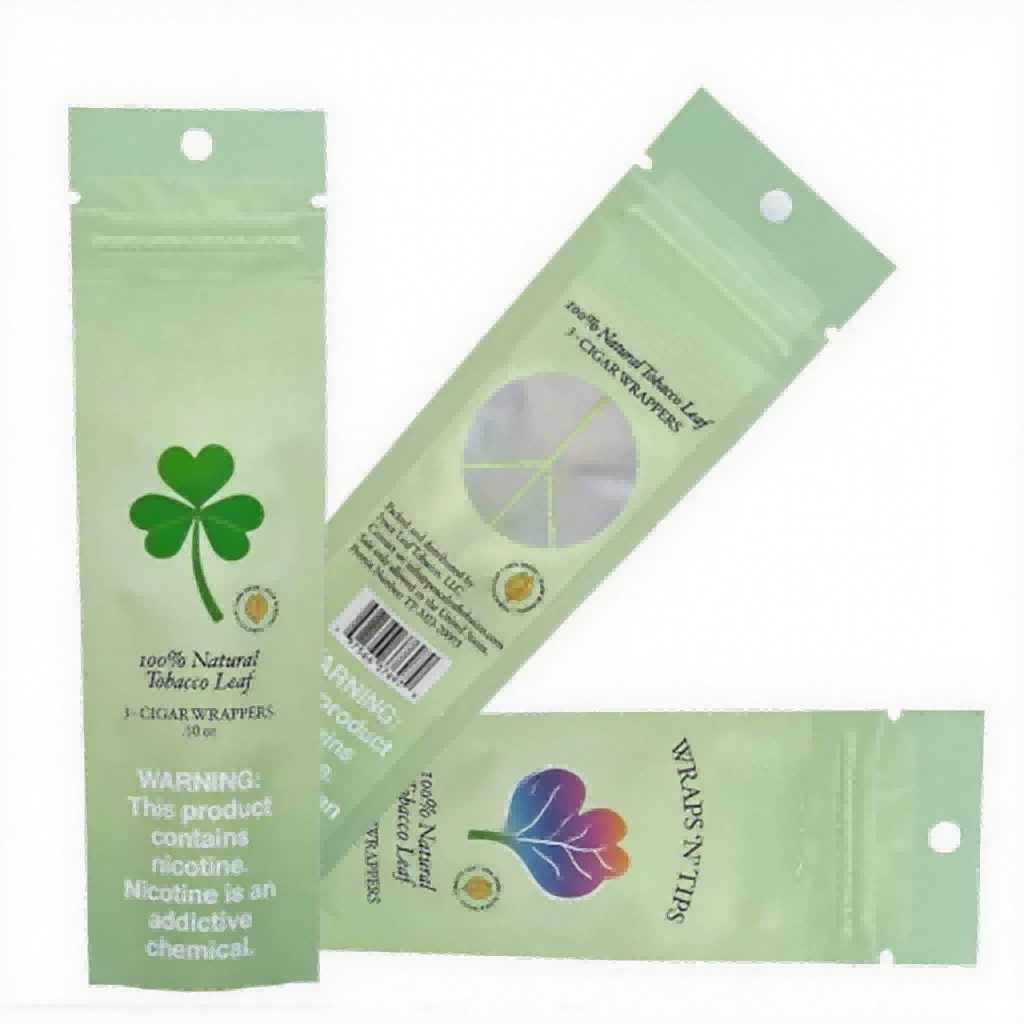
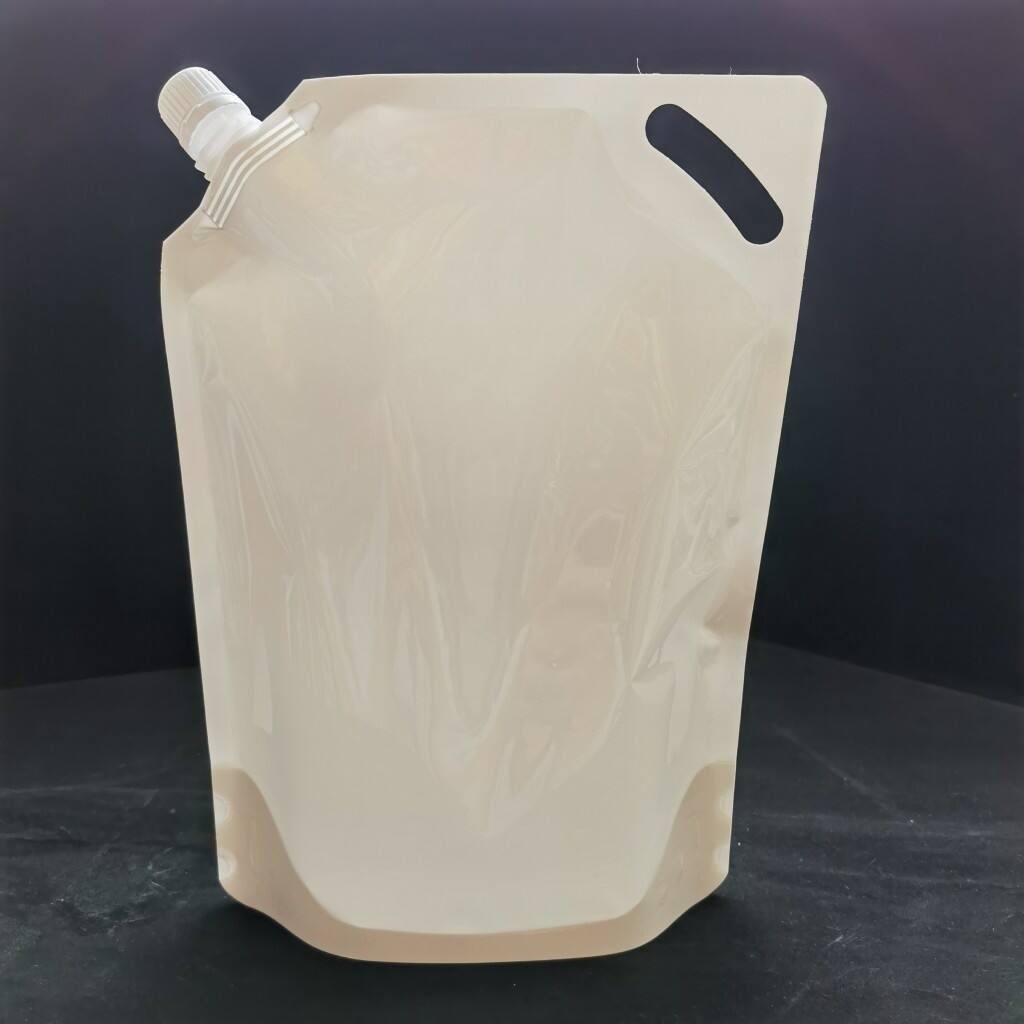
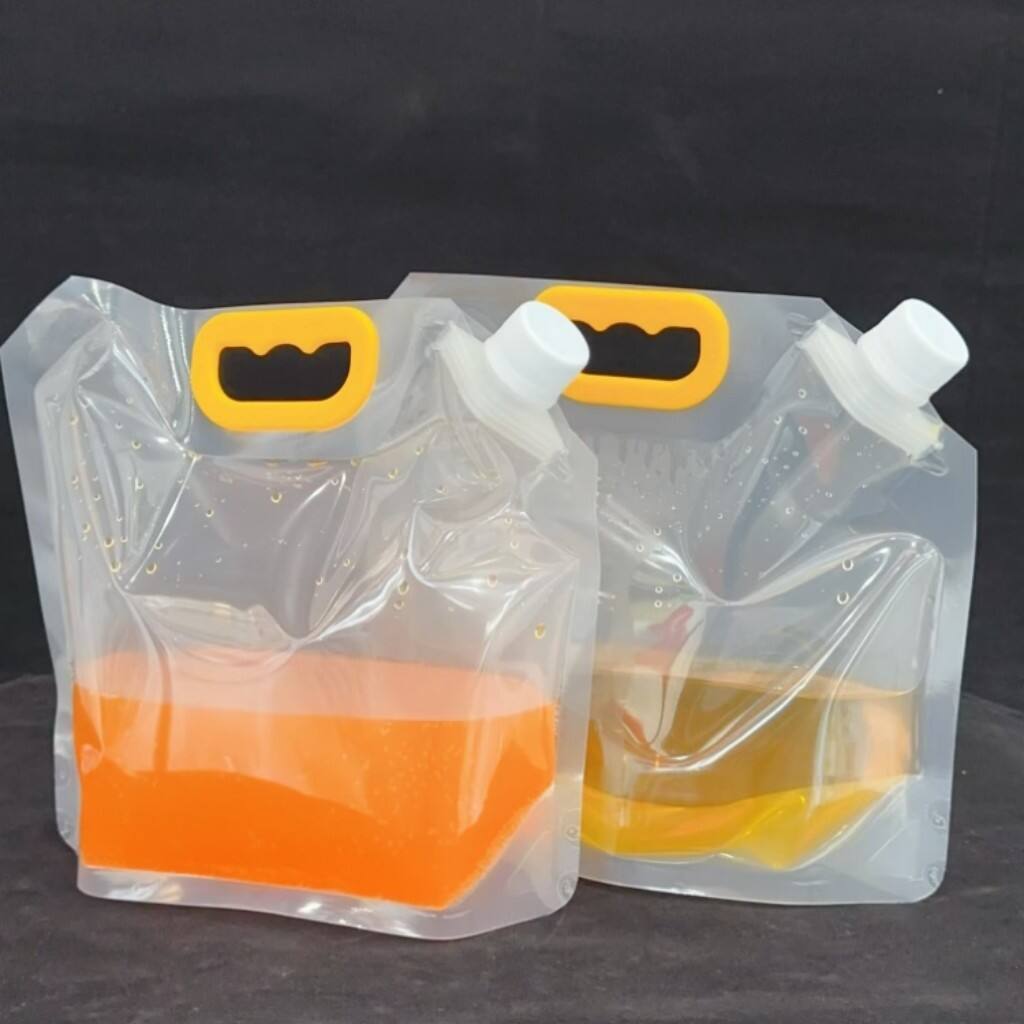
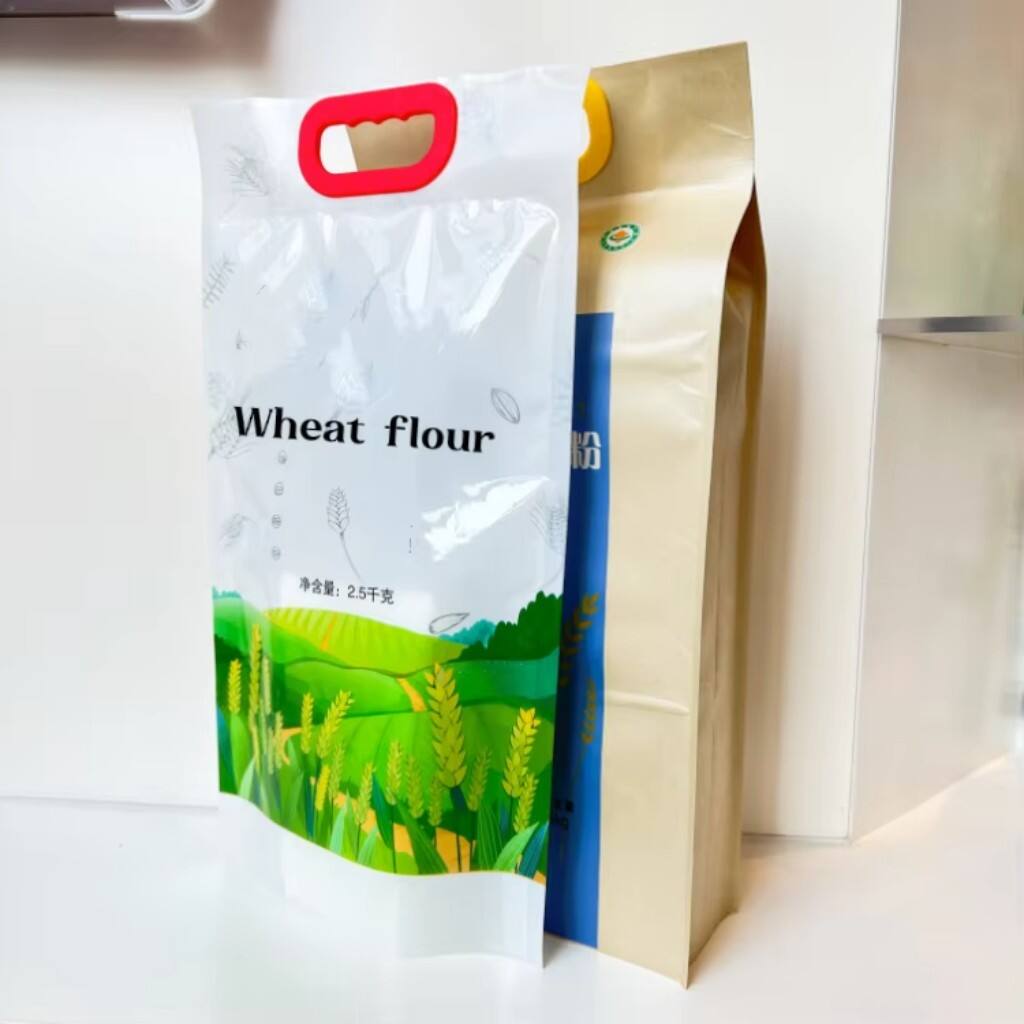
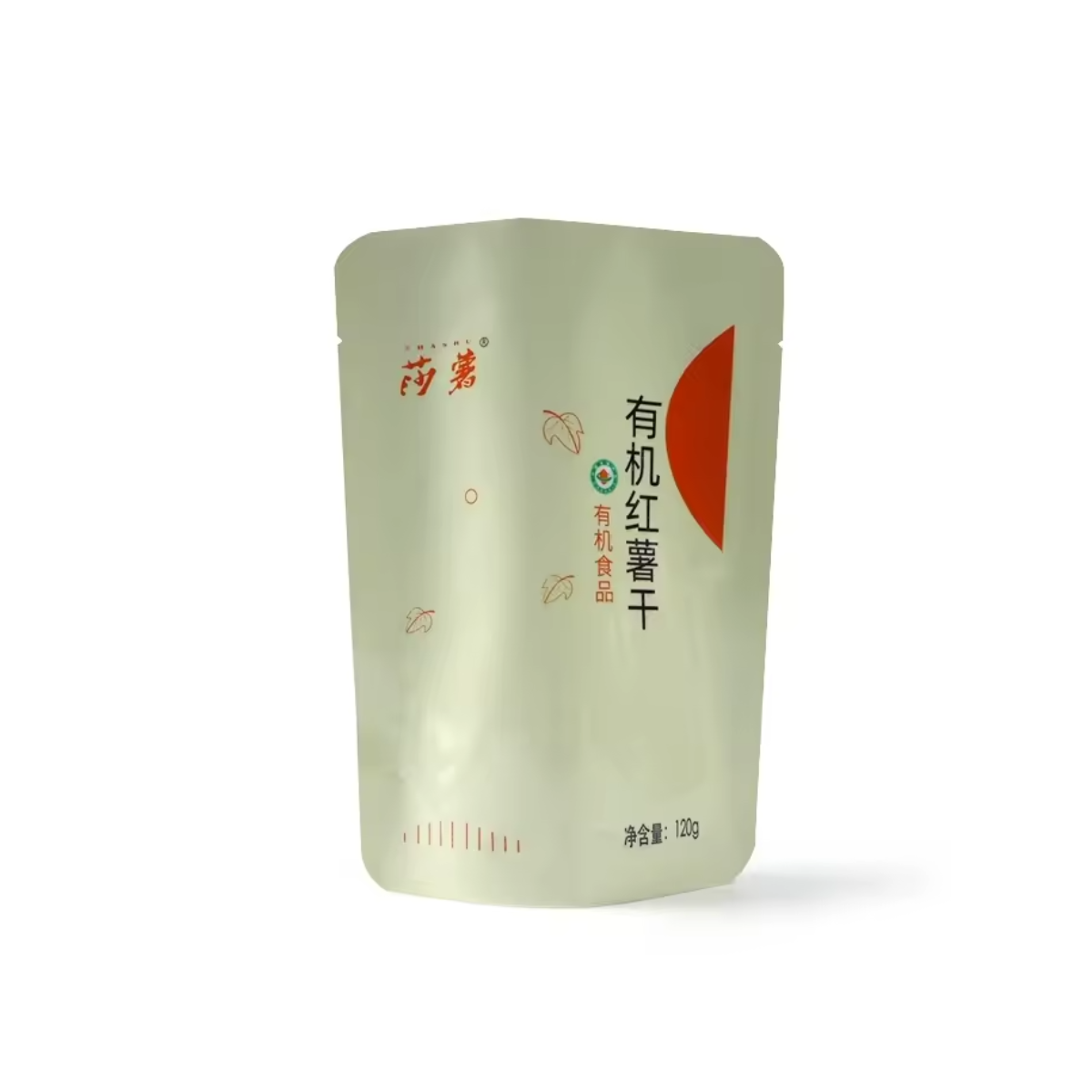
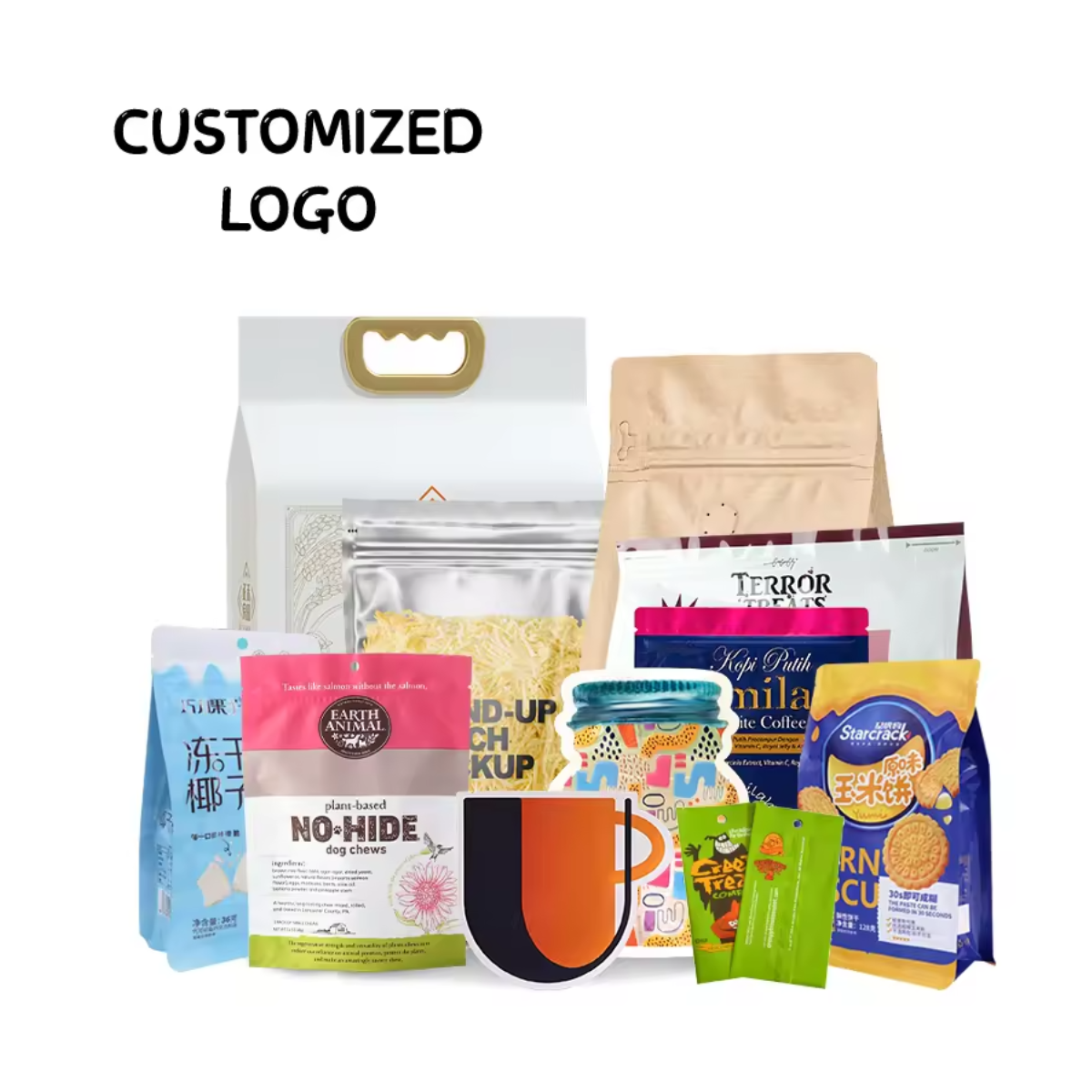
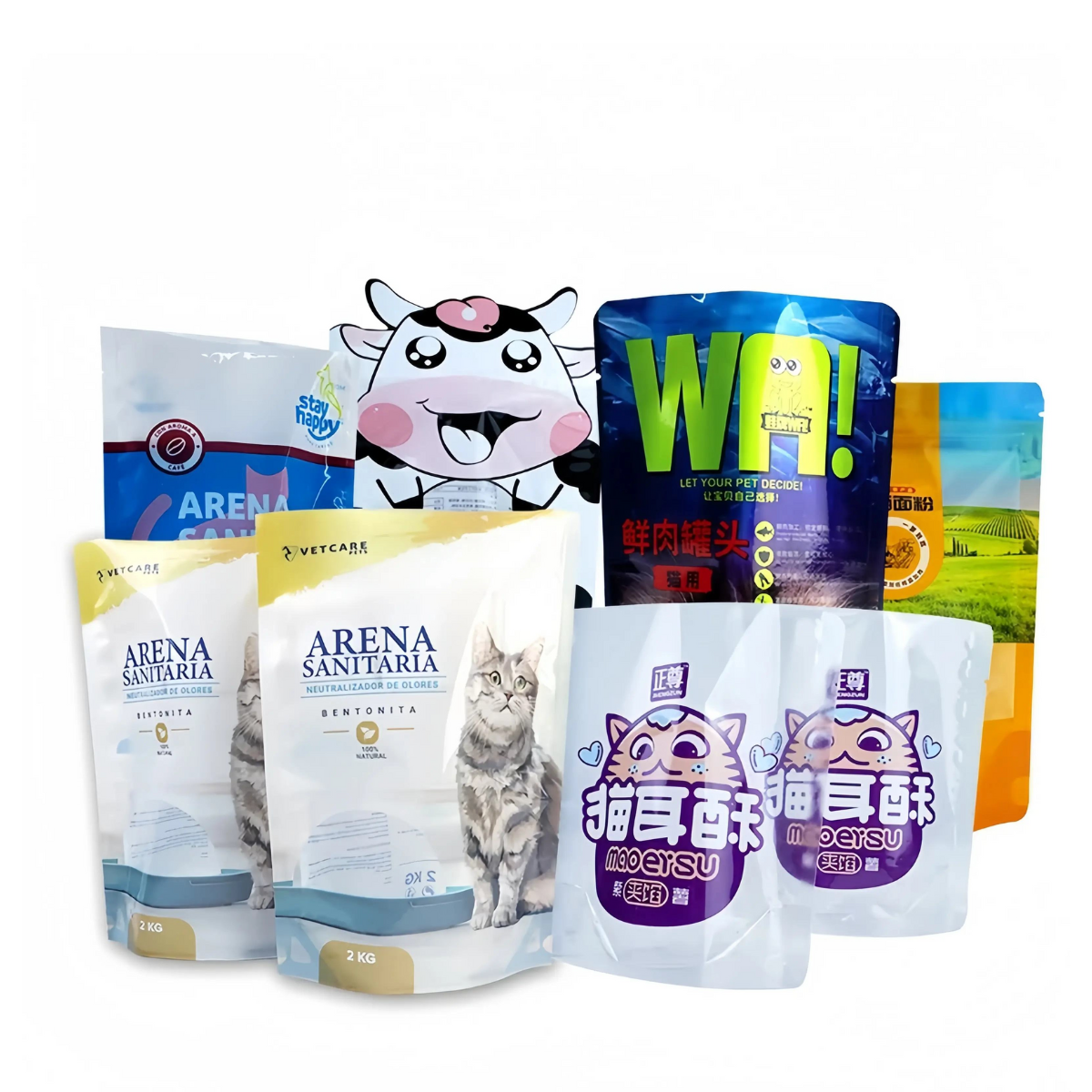
Minimum order quantity packaging represents a strategic procurement approach that enables businesses to purchase custom packaging solutions in smaller, more manageable volumes while maintaining cost-effectiveness and operational efficiency. This packaging model bridges the gap between high-volume mass production and individual custom orders, offering companies the flexibility to meet their specific packaging requirements without committing to excessive inventory levels. The core function of minimum order quantity packaging revolves around providing businesses with access to professional-grade packaging materials, custom designs, and specialized features at quantities that align with their actual needs and budget constraints. Technological features of this packaging approach include advanced digital printing capabilities that allow for high-quality graphics and branding elements even in smaller runs, precision die-cutting systems that ensure consistent dimensions and professional finishing, and automated quality control processes that maintain standards across all production volumes. The packaging utilizes modern materials science innovations, incorporating eco-friendly substrates, barrier protection technologies, and structural design optimizations that maximize product protection while minimizing material waste. Applications for minimum order quantity packaging span across diverse industries, from emerging startups launching new products to established companies testing market responses for limited editions or seasonal offerings. E-commerce businesses particularly benefit from this approach when expanding their product lines or entering new markets, as it allows them to maintain professional presentation standards without overwhelming their working capital with excessive packaging inventory. Food and beverage companies utilize minimum order quantity packaging for specialty products, regional distributions, or promotional campaigns where traditional large-scale packaging runs would be impractical. The cosmetics and personal care industry leverages this packaging solution for limited edition releases, sample programs, and niche market segments that require unique packaging aesthetics. Additionally, pharmaceutical and healthcare companies employ minimum order quantity packaging for clinical trials, specialized treatments, and regulatory compliance testing where smaller volumes are essential for maintaining product integrity and meeting specific market requirements.

Popular Products

The primary advantage of minimum order quantity packaging lies in its remarkable cost-efficiency for businesses of all sizes, allowing companies to access professional packaging solutions without the financial burden of large-scale commitments. This approach significantly reduces upfront investment requirements, freeing up valuable working capital that can be redirected toward other critical business operations such as marketing, product development, or market expansion initiatives. Small businesses and startups particularly benefit from this financial flexibility, as they can compete effectively with larger corporations by maintaining professional packaging standards without compromising their budget constraints or cash flow management. The reduced financial risk associated with minimum order quantity packaging enables businesses to experiment with different packaging designs, test market responses, and iterate on their packaging strategy based on real customer feedback rather than committing to potentially unsuccessful large-volume orders. Speed and responsiveness represent another crucial advantage, as minimum order quantity packaging typically features faster turnaround times compared to traditional large-scale production runs. This agility allows businesses to respond quickly to market demands, seasonal opportunities, or urgent promotional campaigns without waiting for lengthy production schedules. The streamlined production process associated with smaller quantities often results in more personalized attention from packaging suppliers, leading to better quality control and more collaborative design refinement throughout the production process. Inventory management becomes significantly more manageable with minimum order quantity packaging, as businesses can maintain optimal stock levels without tying up excessive warehouse space or risking product obsolescence. This approach supports lean inventory principles, reducing storage costs and minimizing the risk of packaging materials becoming outdated due to design changes, regulatory updates, or market shifts. The flexibility inherent in minimum order quantity packaging allows businesses to adapt quickly to changing consumer preferences, seasonal variations, or emerging market trends without being constrained by large quantities of potentially outdated packaging materials. Quality consistency receives enhanced focus in minimum order quantity packaging operations, as suppliers can dedicate more attention to each production run, ensuring that every package meets specified standards and brand requirements. This concentrated approach often results in superior quality outcomes compared to large-volume productions where individual attention may be diluted across massive quantities. Environmental sustainability benefits emerge from minimum order quantity packaging through reduced waste generation, as businesses purchase only what they need and avoid overproduction scenarios that contribute to packaging waste in landfills.

Latest News

What Trends Are Shaping the Packing Bag Industry in 2025

25

Feb

What Trends Are Shaping the Packing Bag Industry in 2025

The global packaging industry is experiencing unprecedented transformation as we advance through 2025, with the packing bag segment leading the charge in innovative solutions. Modern consumers and businesses are demanding more sustainable, functional...
View More
How to Choose the Right Pet Food Packaging for Long Shelf Life

24

Mar

How to Choose the Right Pet Food Packaging for Long Shelf Life

Selecting the appropriate pet food packaging is a critical decision that directly impacts product quality, consumer satisfaction, and business profitability. The right packaging solution not only preserves nutritional value and flavor but also extend...
View More
What Features Make Pet Food Packaging More Convenient for Consumers

24

Mar

What Features Make Pet Food Packaging More Convenient for Consumers

Modern pet food packaging convenience directly impacts consumer purchasing decisions and brand loyalty in today's competitive market. Pet owners increasingly demand packaging solutions that simplify storage, preserve freshness, and enhance daily feed...
View More
Aluminum Foil Packaging Bags: A Guide for Food Manufacturers and Suppliers

23

Apr

Aluminum Foil Packaging Bags: A Guide for Food Manufacturers and Suppliers

Food manufacturers and suppliers face increasing demands for packaging solutions that preserve product quality while meeting stringent safety standards and consumer expectations. Among the various packaging options available today, aluminum foil pack...
View More

Get a Free Quote

Our representative will contact you soon.
Email
Mobile
Name
Company Name
Message
0/1000

minimum order quantity packaging

Flexible Production Scalability

Flexible Production Scalability

The flexible production scalability of minimum order quantity packaging provides businesses with unprecedented adaptability in their packaging strategies, enabling them to align their packaging procurement directly with their actual production needs and market demands. This scalability advantage eliminates the traditional constraints associated with large-volume packaging orders, where businesses were forced to commit to quantities that often exceeded their immediate requirements or storage capabilities. The flexible approach allows companies to start with smaller quantities during product launches or market testing phases, then gradually increase their order volumes as demand stabilizes and grows. This progressive scaling approach significantly reduces business risk while maintaining professional packaging standards throughout every stage of business development. Manufacturing facilities specializing in minimum order quantity packaging have invested in versatile production equipment and processes that can efficiently handle varying order sizes without sacrificing quality or cost-effectiveness. These facilities utilize advanced digital printing technologies and automated cutting systems that maintain consistency across different batch sizes, ensuring that packaging quality remains uniform whether ordering hundreds or thousands of units. The scalability feature particularly benefits seasonal businesses that experience fluctuating demand patterns, allowing them to adjust their packaging procurement to match sales cycles without carrying excessive inventory during slower periods. E-commerce companies expanding their product lines find this scalability invaluable, as they can test new product packaging concepts with minimal financial commitment before scaling up successful designs. The production scalability also accommodates businesses with limited storage facilities, as they can order packaging in quantities that align with their warehousing capabilities while maintaining continuous supply chain operations. This flexibility extends to customization options, where businesses can implement design modifications, seasonal variations, or promotional elements without being locked into large quantities of outdated packaging materials. The scalable production model supports rapid prototyping and design iteration, enabling businesses to refine their packaging concepts based on market feedback and consumer response data. This iterative approach leads to more successful final packaging designs that better resonate with target audiences and drive improved sales performance.
Cost-Effective Market Entry

Cost-Effective Market Entry

Cost-effective market entry through minimum order quantity packaging revolutionizes how businesses approach new product launches and market expansion initiatives, dramatically reducing the financial barriers that traditionally prevented smaller companies from competing with established market leaders. This cost-effective approach enables startups and small businesses to allocate their limited resources more strategically, investing in product development, marketing campaigns, and customer acquisition rather than tying up substantial capital in packaging inventory that may not align with initial market response. The reduced upfront investment requirements allow entrepreneurs to test multiple product concepts simultaneously, diversifying their market approach and increasing their chances of identifying successful product-market combinations. This financial flexibility proves particularly valuable in competitive markets where rapid response to consumer preferences can determine business success or failure. The cost-effectiveness extends beyond initial procurement savings to encompass reduced storage costs, lower insurance requirements, and decreased working capital requirements that collectively improve overall business cash flow management. Businesses entering international markets benefit significantly from this approach, as they can test regional preferences and regulatory compliance requirements without committing to large-scale packaging investments that may require modifications based on local market feedback. The ability to enter markets with professional-quality packaging at reasonable costs levels the competitive playing field, allowing innovative smaller companies to compete effectively against established corporations with deeper financial resources. This democratization of professional packaging access encourages innovation and entrepreneurship across various industries, fostering market diversity and consumer choice. The cost-effective model also supports businesses in exploring niche markets or specialized product segments where traditional large-volume packaging would be economically unfeasible due to limited target audience size. Companies can evaluate multiple market segments simultaneously, using different packaging approaches for each segment to optimize appeal and conversion rates. The reduced financial risk associated with smaller packaging commitments encourages businesses to experiment with premium packaging materials and design elements that might be prohibitively expensive in large quantities, potentially leading to breakthrough packaging innovations that drive significant competitive advantages.
Enhanced Brand Agility and Market Responsiveness

Enhanced Brand Agility and Market Responsiveness

Enhanced brand agility and market responsiveness through minimum order quantity packaging empowers businesses to adapt rapidly to changing market conditions, consumer preferences, and competitive landscapes without being constrained by large inventory commitments or lengthy procurement cycles. This agility enables companies to capitalize on emerging trends, seasonal opportunities, and viral marketing moments that require quick packaging modifications or entirely new packaging concepts. The responsive nature of this packaging approach allows brands to implement real-time design changes based on customer feedback, social media responses, or market research insights, ensuring that their packaging remains relevant and appealing to their target audience. This dynamic capability proves essential in fast-moving consumer goods industries where packaging design can significantly influence purchasing decisions and brand perception. The enhanced agility extends to promotional campaigns and limited edition releases, where businesses can create special packaging variants without committing to quantities that exceed the promotional period requirements. This flexibility enables more creative and targeted marketing initiatives that drive customer engagement and brand loyalty through unique packaging experiences. The rapid responsiveness capability allows businesses to address competitive challenges quickly, implementing packaging improvements or design modifications that differentiate their products in crowded marketplaces. This competitive advantage becomes particularly valuable during product repositioning initiatives or brand refresh campaigns where packaging plays a crucial role in communicating new brand messages or targeting different demographic segments. The agility benefit supports businesses in managing product lifecycle stages more effectively, as they can modify packaging elements to reflect product maturity, market positioning changes, or regulatory requirement updates without being burdened by obsolete packaging inventory. Seasonal businesses leverage this responsiveness to create packaging variations that align with holiday themes, seasonal colors, or time-sensitive promotional messages that enhance their market appeal during peak selling periods. The enhanced market responsiveness also enables businesses to participate in collaborative marketing opportunities, co-branding initiatives, or cross-promotional campaigns that require specialized packaging designs within tight timeframes. This capability opens new revenue streams and partnership opportunities that would be impossible with traditional large-volume packaging constraints, ultimately driving business growth and market expansion through strategic packaging flexibility.
Professional Minimum Order Quantity Packaging Solutions - Flexible, Cost-Effective Custom Packaging

Get a Free Quote

Our representative will contact you soon.
Email
Mobile
Name
Company Name
Message
0/1000