packaging prototyping
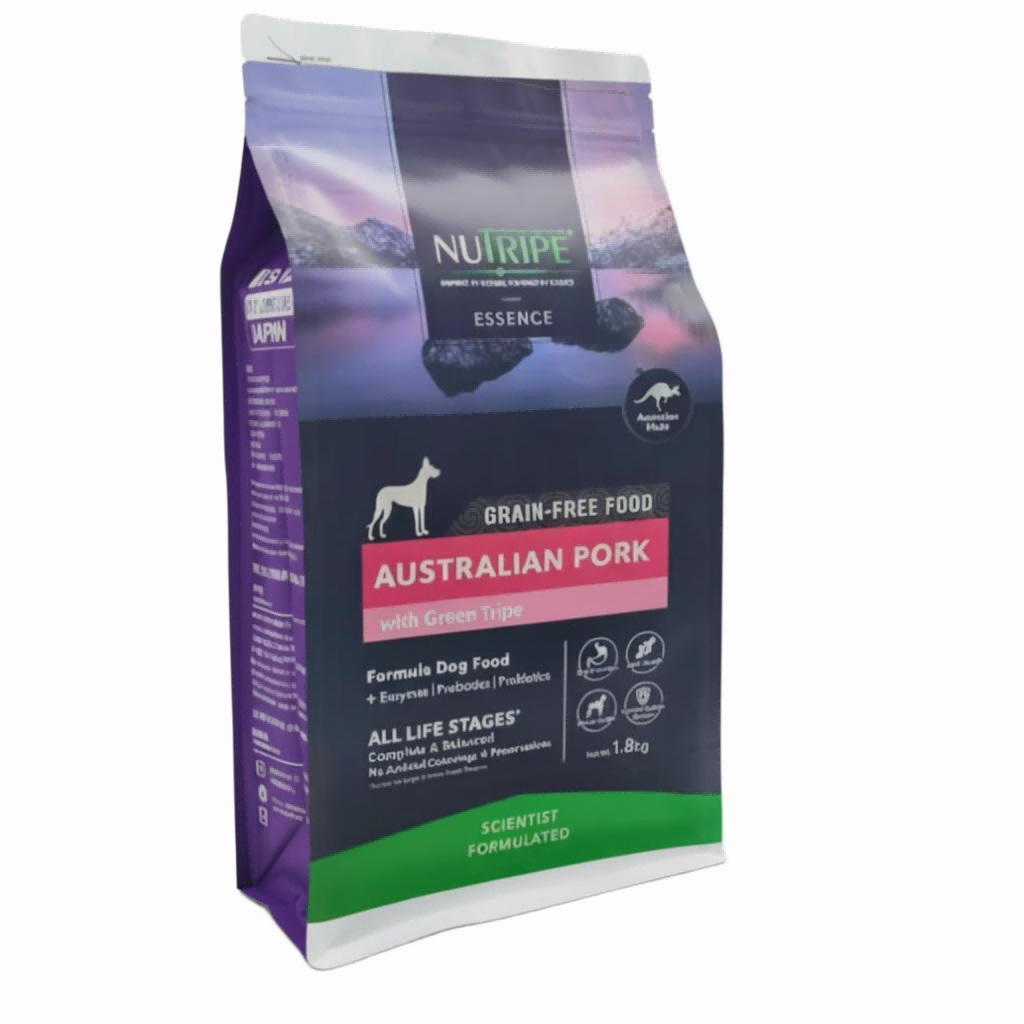
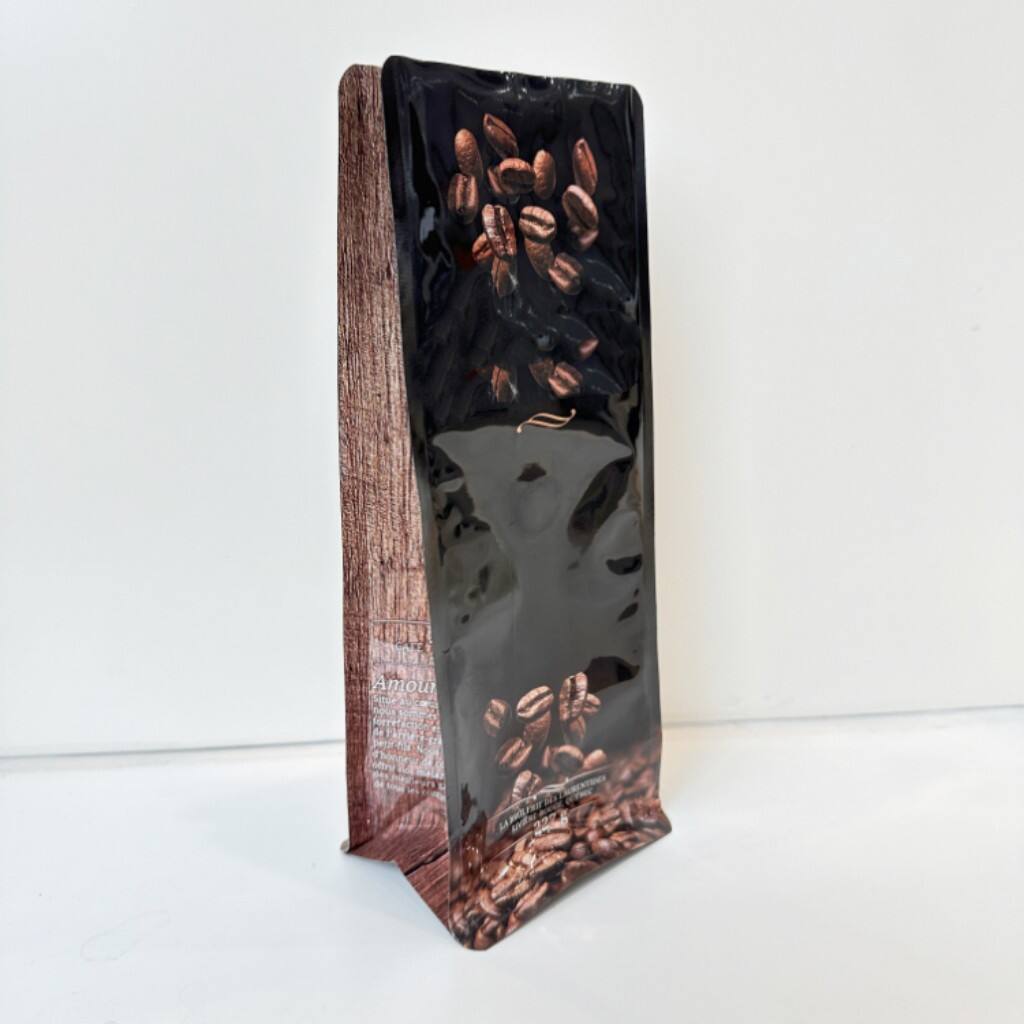
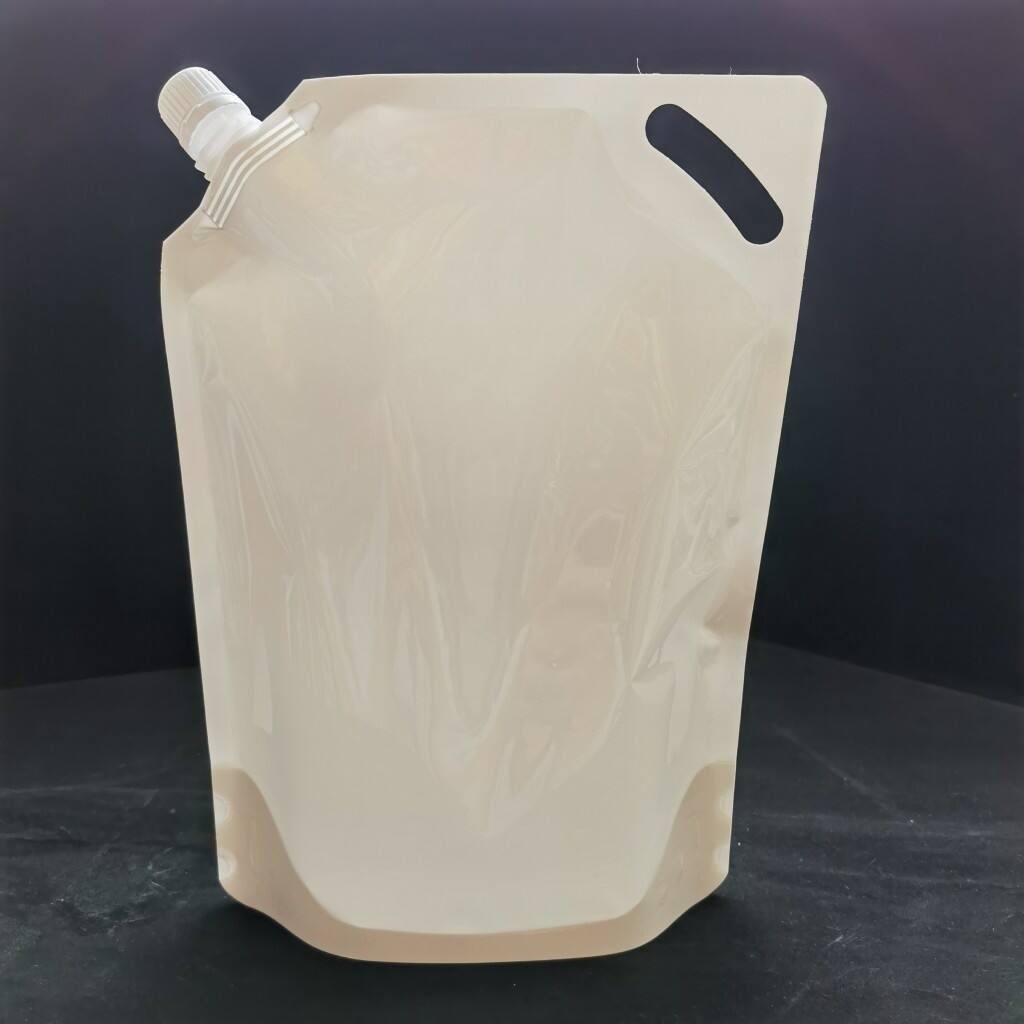
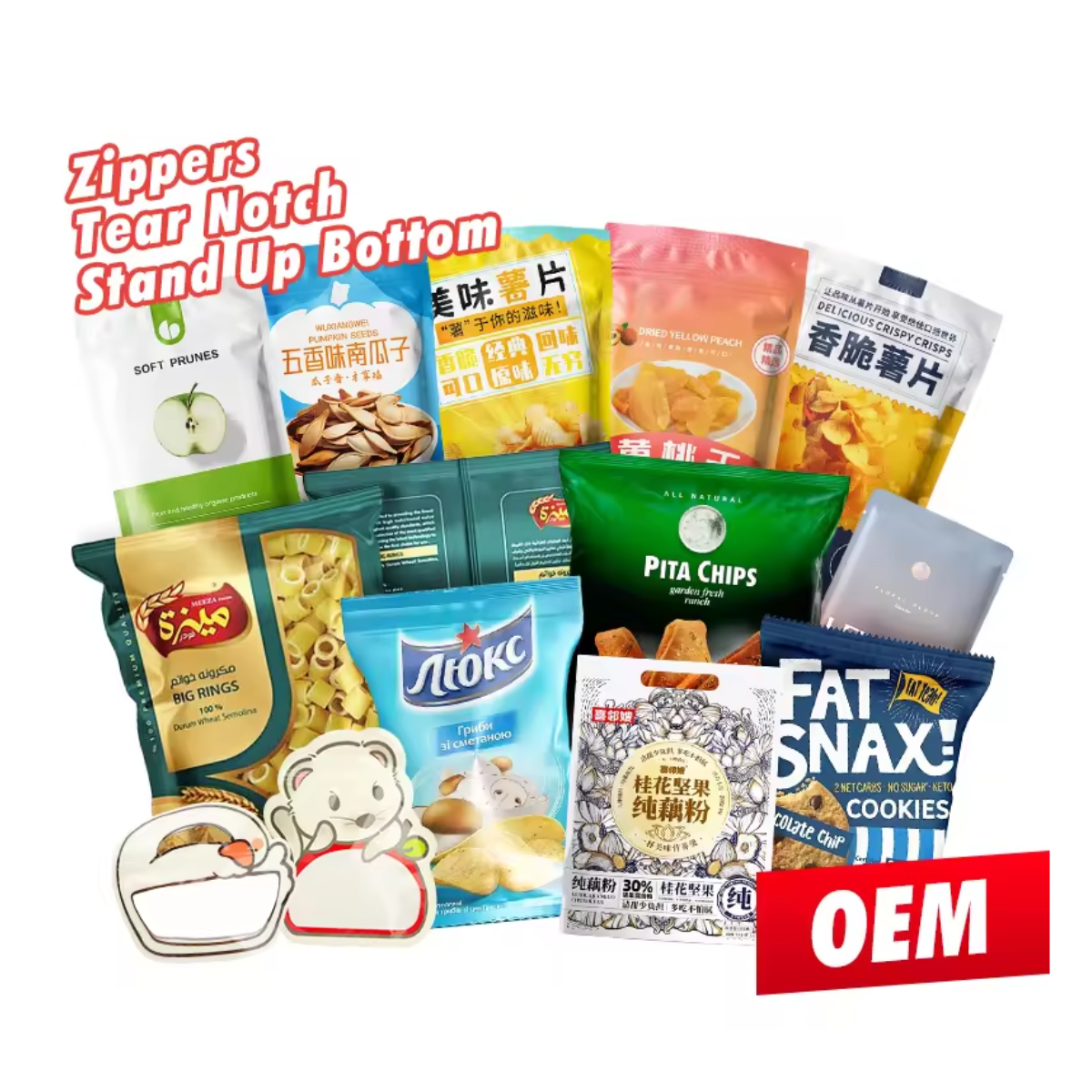
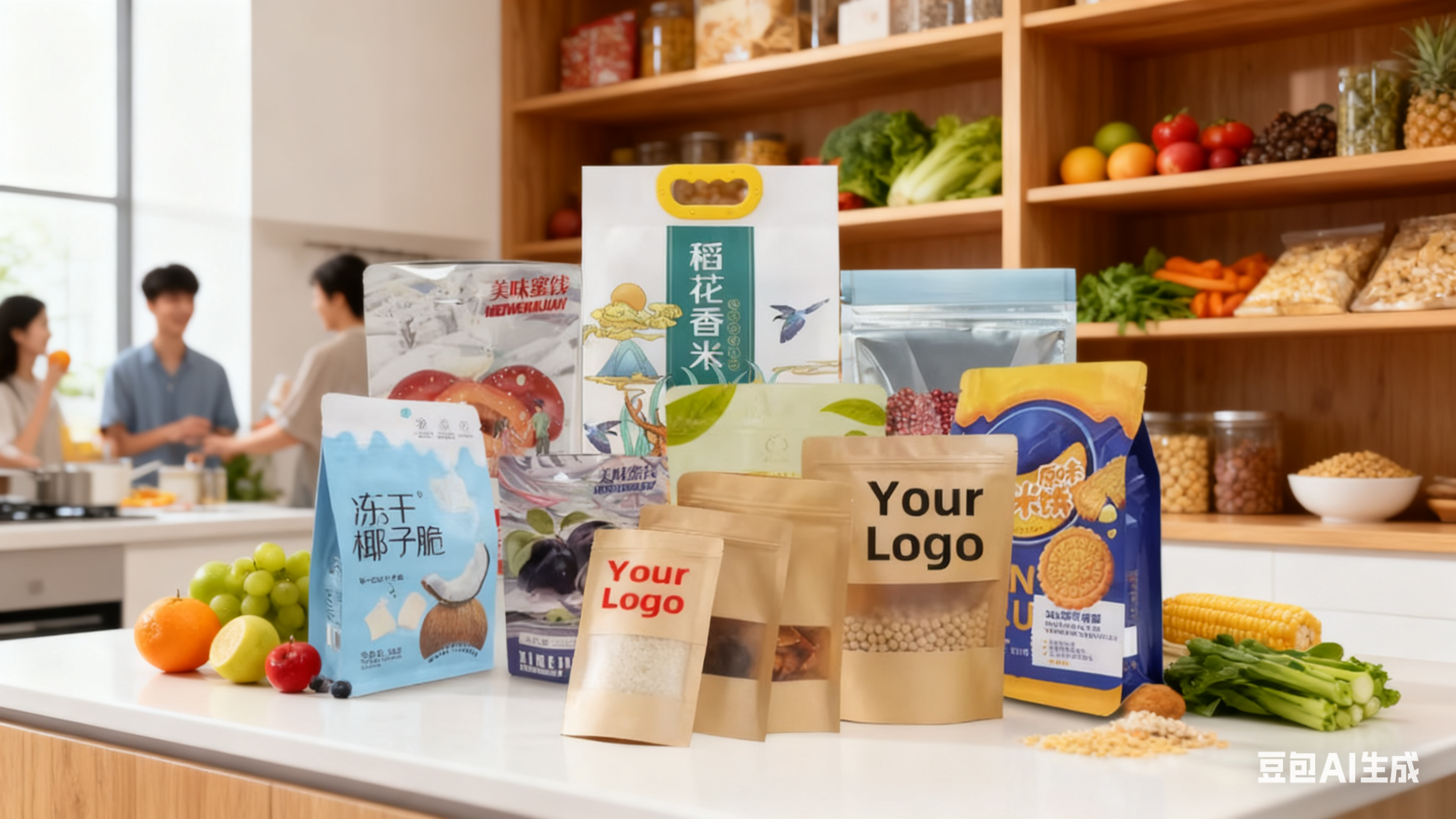
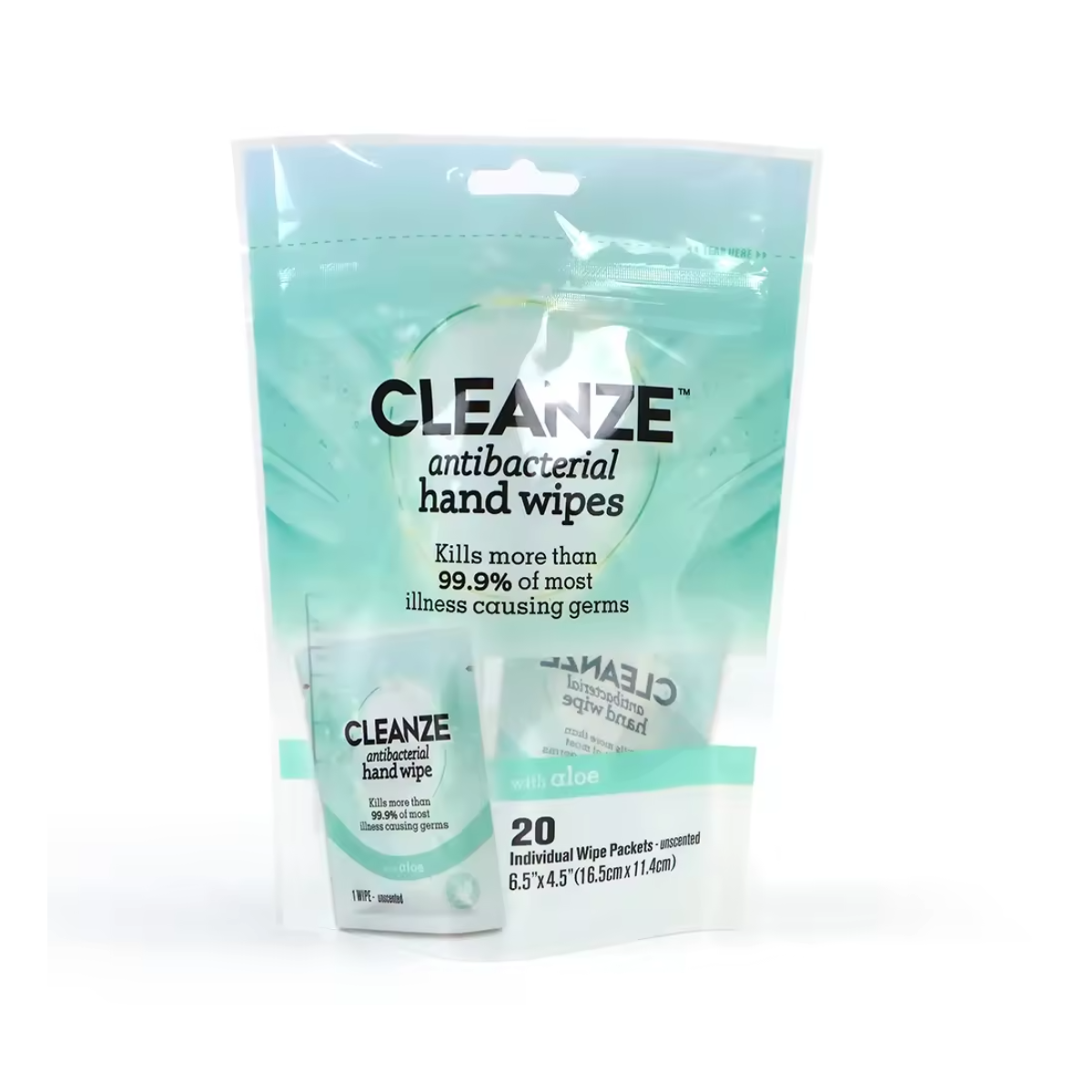
Packaging prototyping serves as the critical bridge between conceptual design and mass production, enabling businesses to transform their packaging ideas into tangible, testable models before committing to large-scale manufacturing. This essential process involves creating preliminary versions of packaging solutions that accurately represent the final product's structure, functionality, and aesthetic appeal. Through packaging prototyping, companies can evaluate material performance, structural integrity, and consumer interaction while identifying potential issues early in the development cycle. The technological features of modern packaging prototyping encompass advanced 3D printing capabilities, precision die-cutting techniques, and sophisticated material simulation software that allows designers to experiment with various substrates, coatings, and finishing options. Digital modeling tools enable rapid iteration cycles, where modifications can be implemented and tested within hours rather than weeks. The process incorporates multiple technologies including laser cutting for precise structural elements, digital printing for graphic reproduction, and specialized folding equipment that mimics industrial production methods. Applications span across diverse industries including food and beverage, pharmaceuticals, cosmetics, electronics, and e-commerce sectors. Companies utilize packaging prototyping to develop sustainable solutions, test child-resistant mechanisms, evaluate shelf presence, and optimize shipping efficiency. The process enables thorough assessment of functionality aspects such as opening mechanisms, product protection capabilities, and storage requirements. Furthermore, packaging prototyping facilitates compliance testing with industry regulations and safety standards before full production commences. This systematic approach reduces development costs, minimizes material waste, and accelerates time-to-market while ensuring optimal performance. The integration of virtual reality and augmented reality technologies in modern packaging prototyping workflows allows stakeholders to experience packaging designs in simulated retail environments, providing valuable insights into consumer behavior and market positioning strategies.
 EN
EN