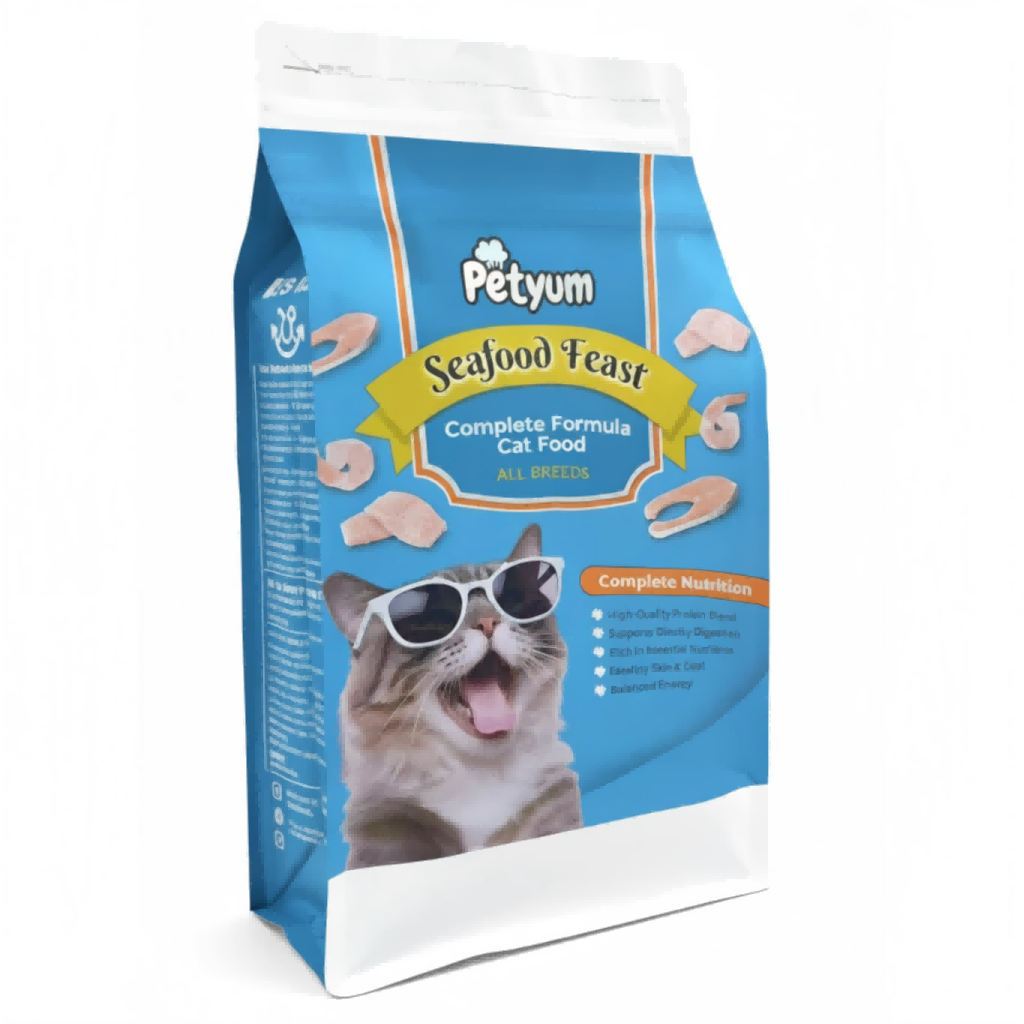
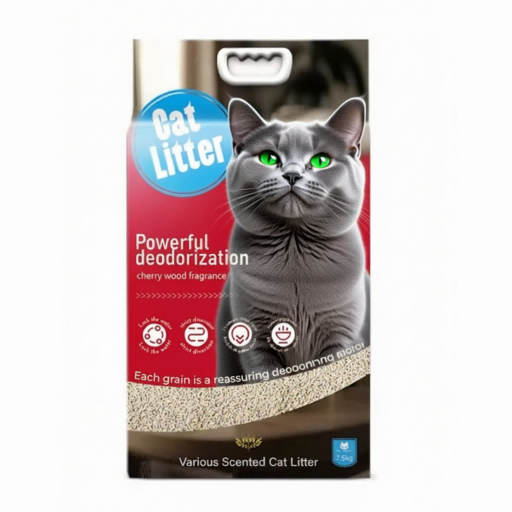
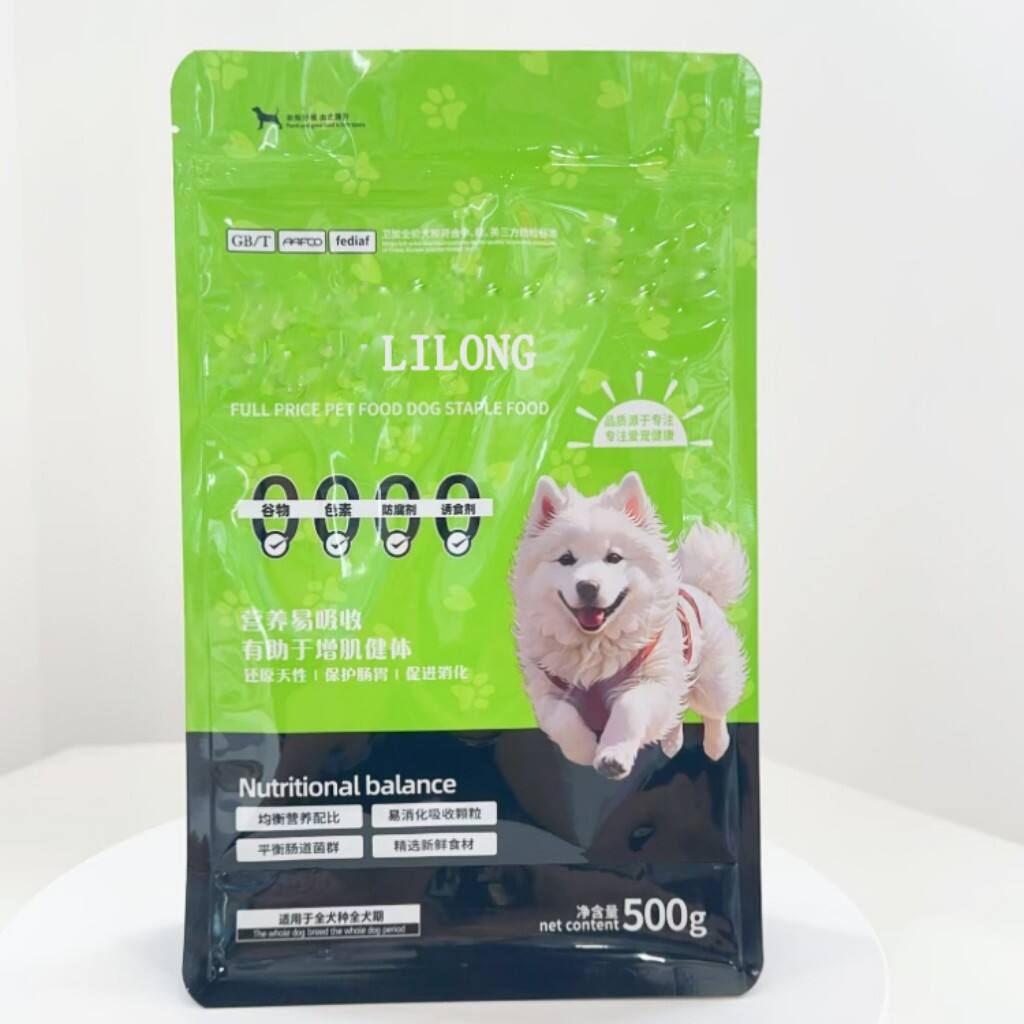
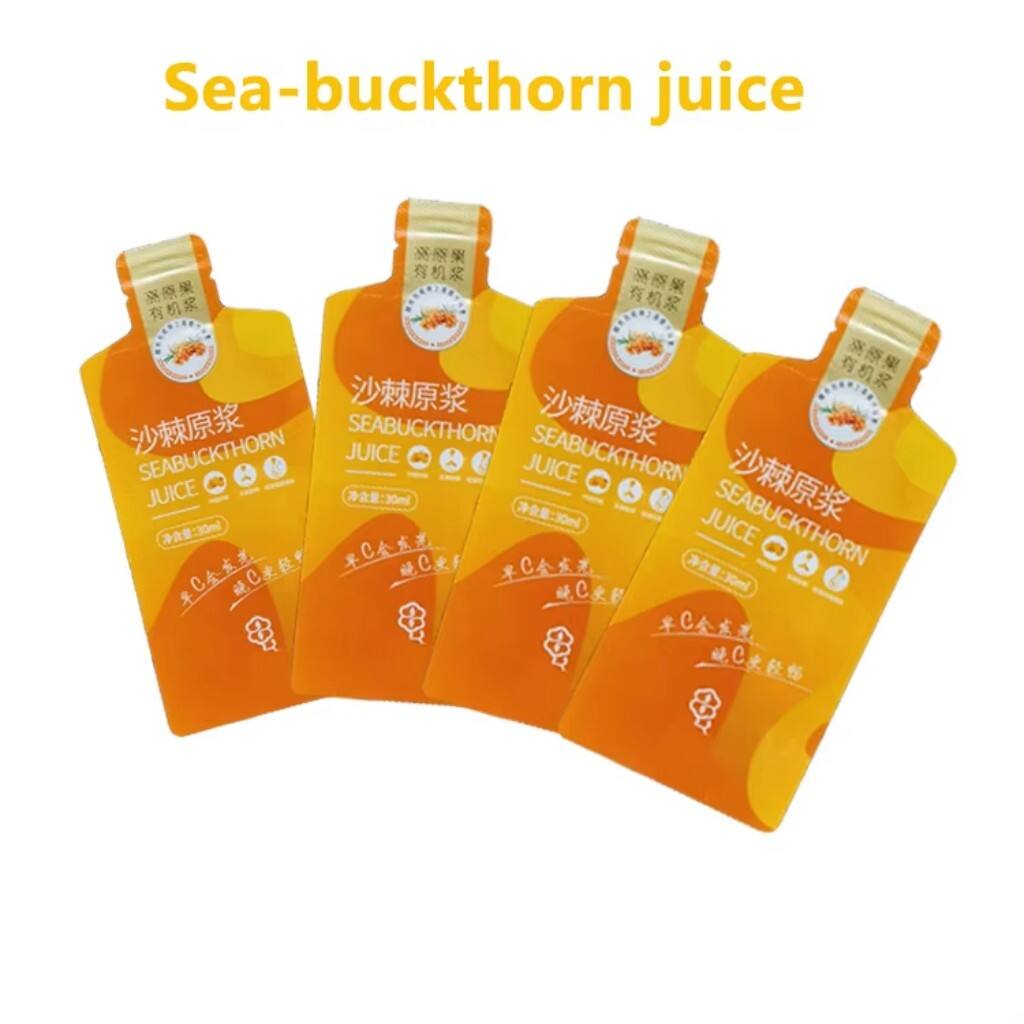
Revolutionary Packaging for Brand Differentiation: Advanced Solutions for Market Leadership

Get a Free Quote

Our representative will contact you soon.
Email
Phone
Name
Company Name
Message
0/1000

packaging for brand differentiation

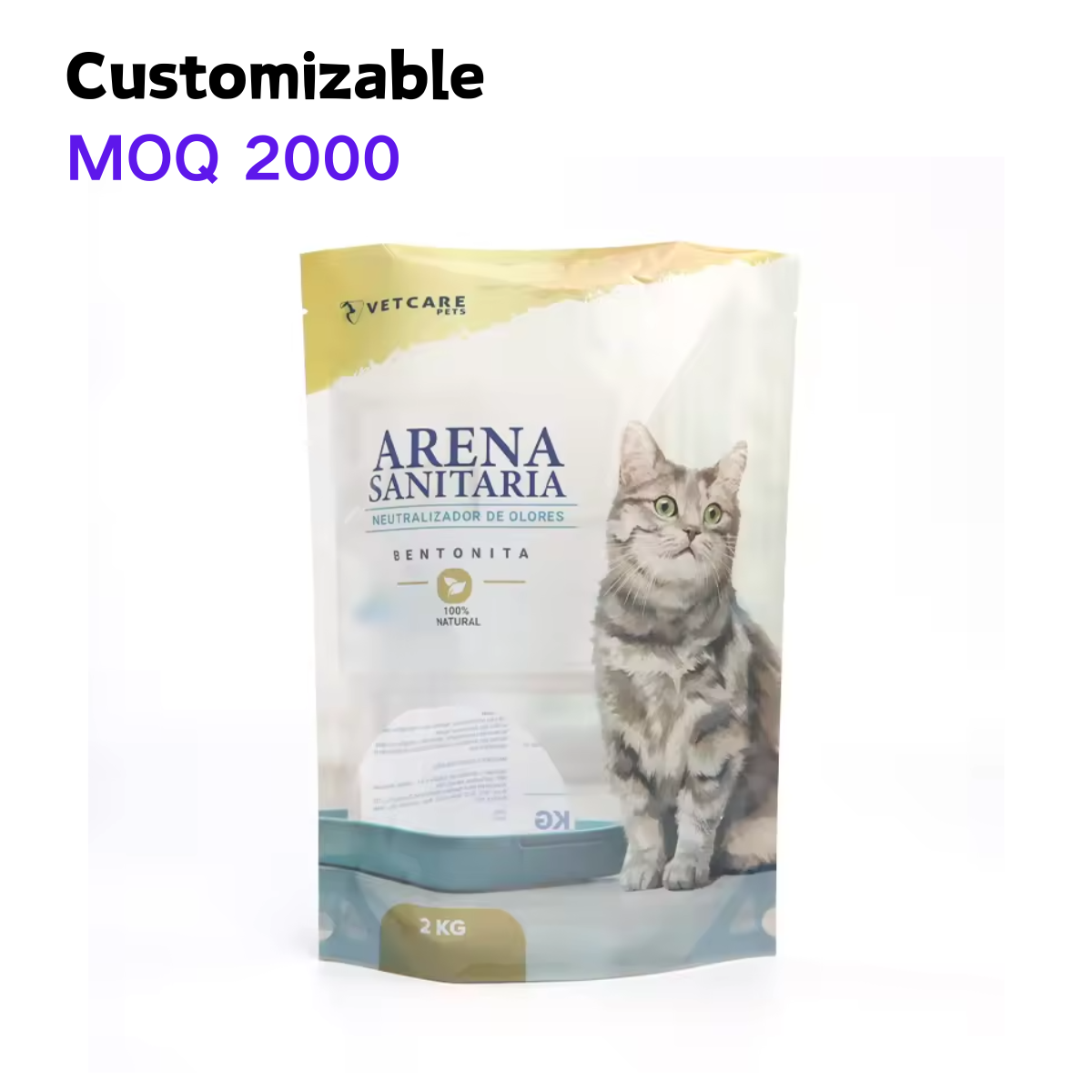
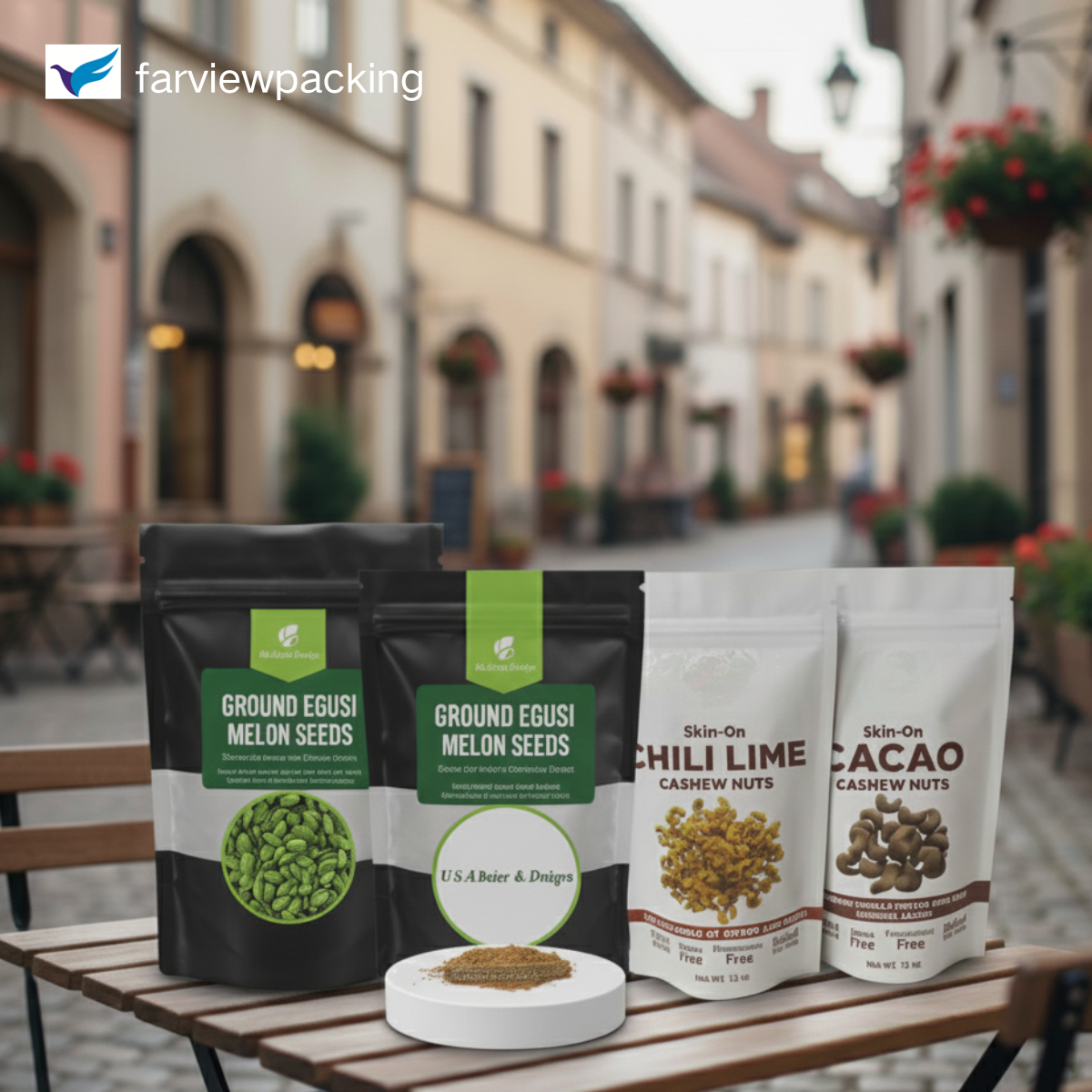
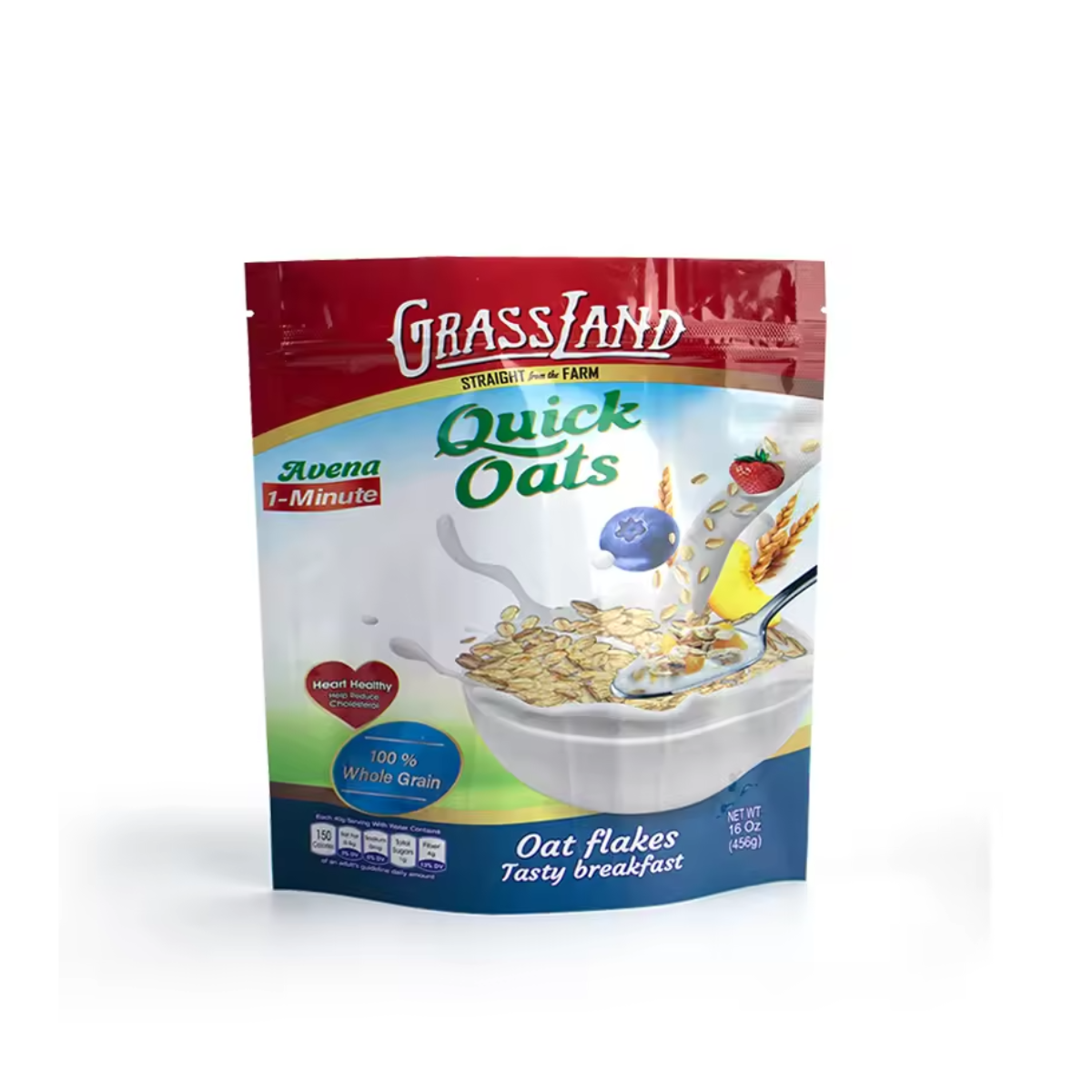
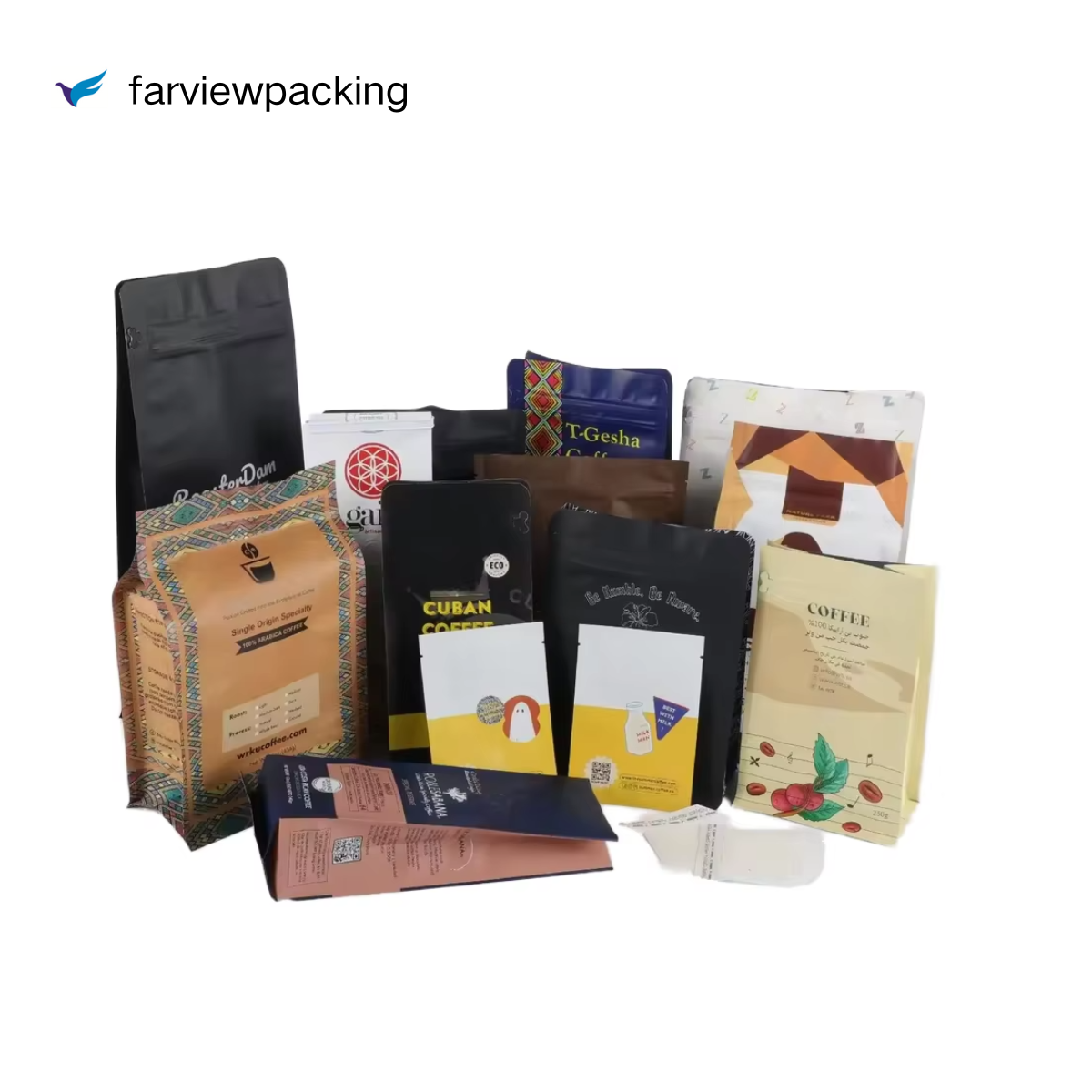
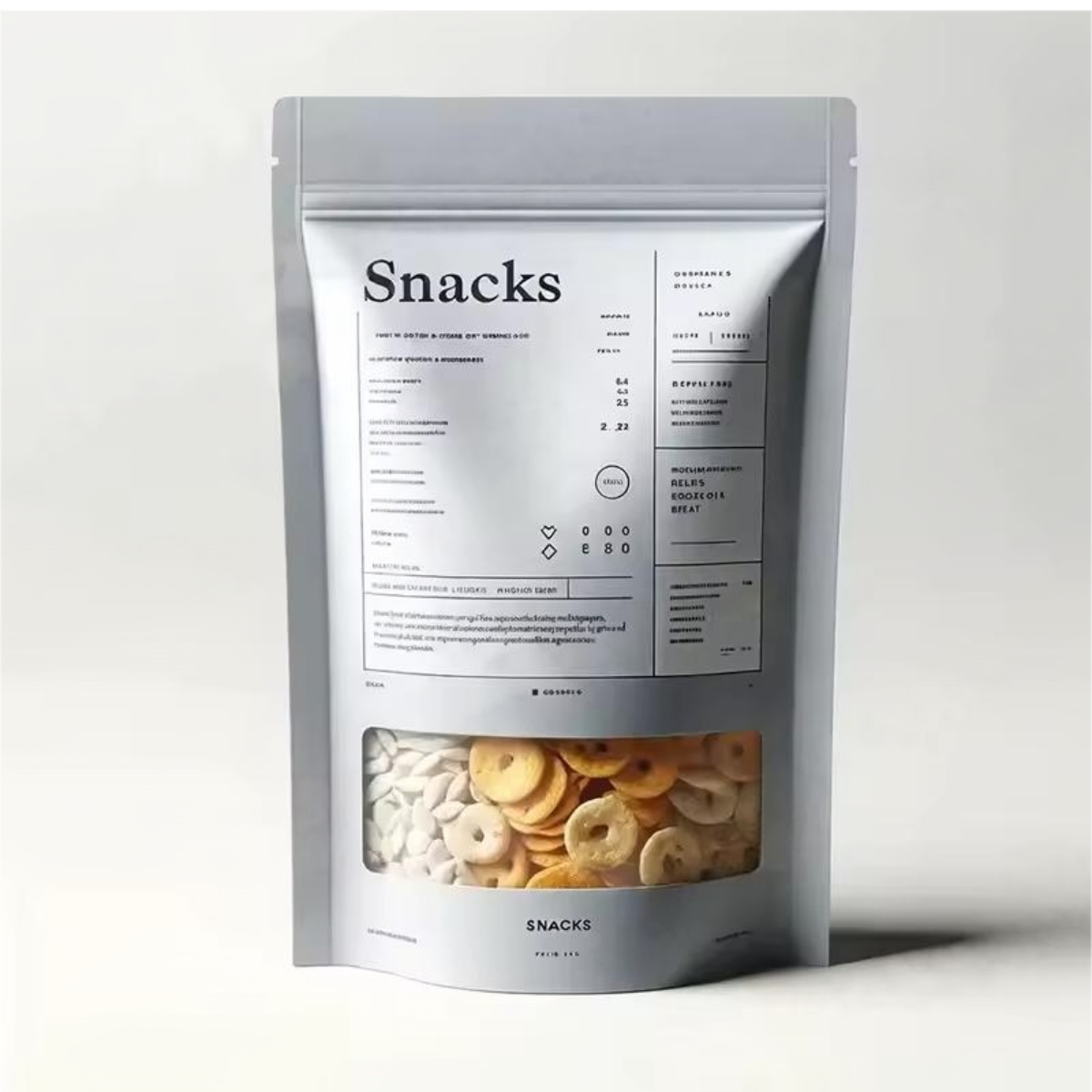
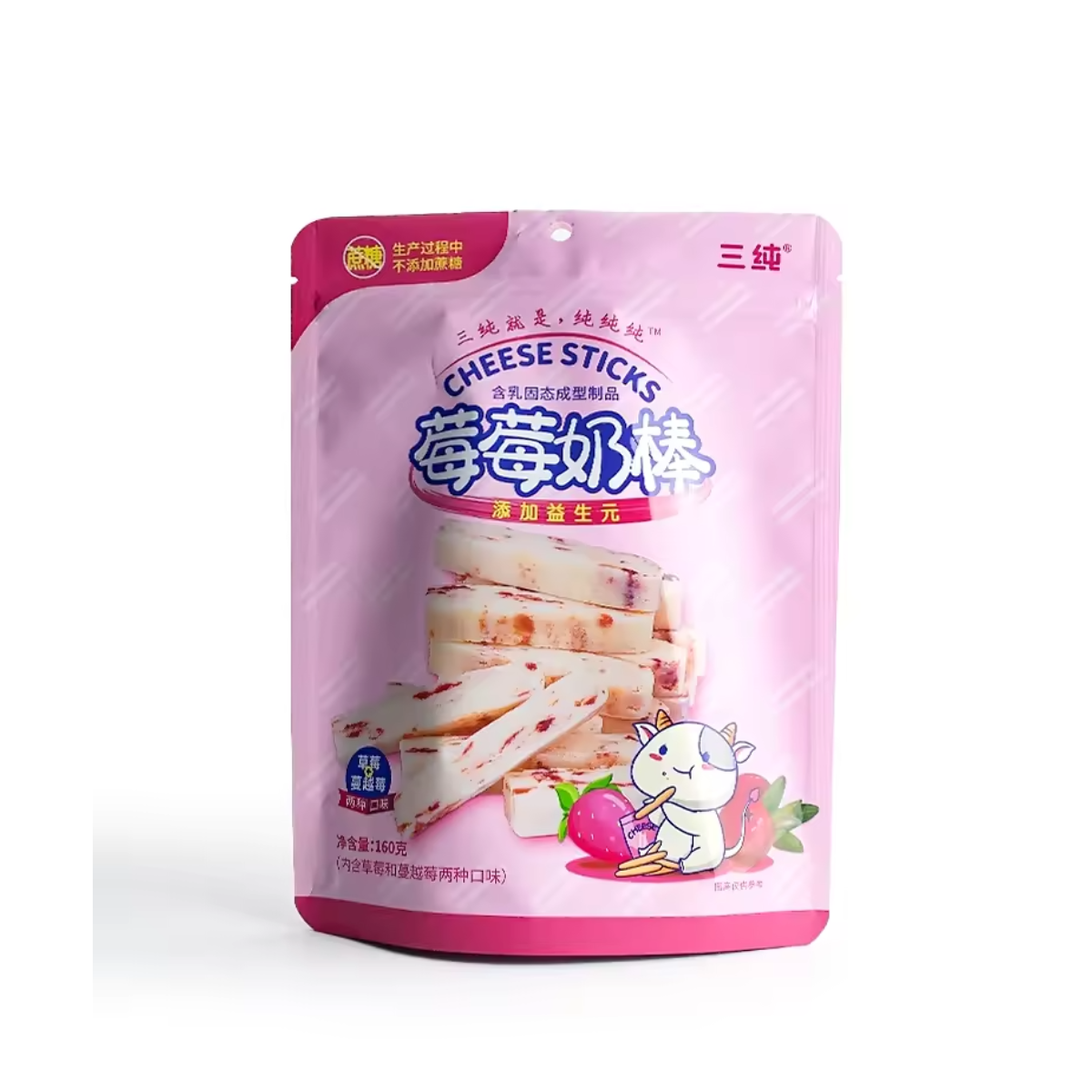
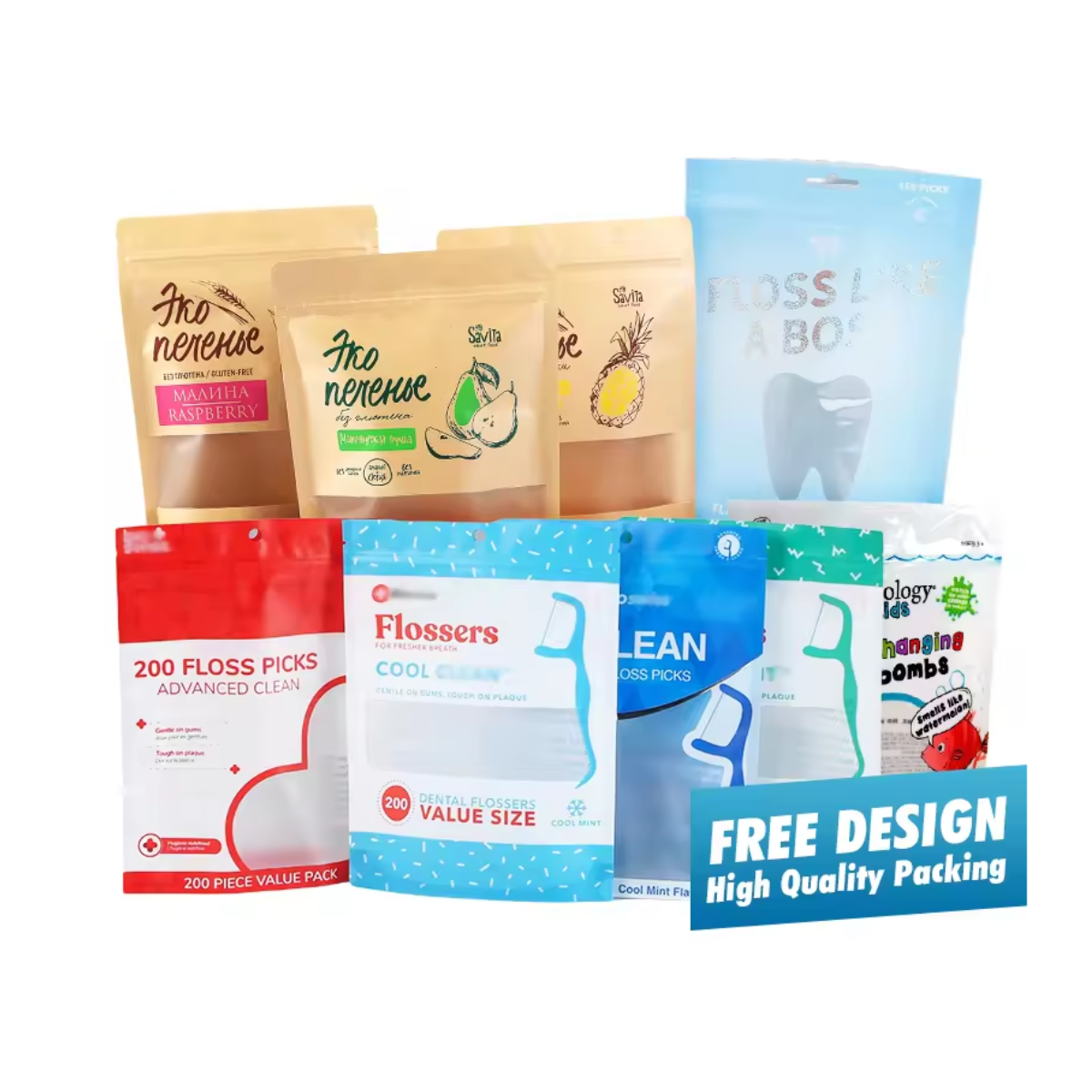
Packaging for brand differentiation serves as a powerful strategic tool that transforms ordinary products into memorable brand experiences. This comprehensive approach encompasses visual design elements, material selection, structural innovation, and functional enhancements that collectively establish unique brand identity in competitive markets. The primary function of differentiated packaging extends beyond basic product protection to create emotional connections with consumers, communicate brand values, and facilitate instant recognition at point-of-sale locations. Modern packaging for brand differentiation integrates advanced printing technologies, sustainable materials, and interactive features that engage customers through multiple sensory touchpoints. Smart packaging technologies incorporate QR codes, NFC chips, and augmented reality elements that bridge physical products with digital brand experiences. These technological features enable brands to deliver personalized content, track consumer engagement, and gather valuable market insights. The structural design aspects of packaging for brand differentiation include innovative opening mechanisms, ergonomic handling features, and space-efficient configurations that enhance user convenience while reinforcing brand positioning. Color psychology, typography selection, and graphic design elements work synergistically to convey brand personality and appeal to target demographic preferences. Applications span across diverse industries including consumer electronics, cosmetics, food and beverage, pharmaceuticals, and luxury goods sectors. Each application requires tailored approaches that consider regulatory requirements, shelf-life considerations, and distribution channel specifications. Premium brands leverage packaging for brand differentiation through exclusive materials, limited edition designs, and collector-worthy presentations that justify price premiums and foster brand loyalty. E-commerce optimization features ensure packaging for brand differentiation maintains visual impact during unboxing experiences while providing adequate protection during shipping processes. Sustainability integration addresses growing environmental consciousness by incorporating recyclable materials, biodegradable components, and minimal waste designs that align with corporate social responsibility initiatives.

New Product Releases

The advantages of packaging for brand differentiation create substantial competitive benefits that directly impact business performance and customer relationships. Companies implementing strategic packaging for brand differentiation experience increased brand recognition rates, with studies showing up to 73% improvement in consumer recall compared to generic packaging approaches. This enhanced visibility translates into stronger market positioning and reduced marketing costs, as packaging serves as a continuous advertisement that reaches consumers at crucial decision-making moments. Enhanced perceived value represents another significant advantage, where thoughtful packaging for brand differentiation can justify premium pricing strategies and improve profit margins by 15-30% across various product categories. Customer loyalty strengthens when packaging for brand differentiation creates positive emotional experiences that extend beyond initial purchase decisions. The tactile qualities, visual appeal, and functional benefits combine to generate memorable interactions that encourage repeat purchases and positive word-of-mouth recommendations. Market research indicates that 64% of consumers try new products specifically because attractive packaging caught their attention, demonstrating the direct sales impact of effective packaging for brand differentiation strategies. Inventory management benefits emerge through distinctive packaging designs that reduce confusion in retail environments and streamline supply chain operations. Clear brand identification prevents mix-ups during distribution, reduces returns due to wrong product selection, and enhances overall operational efficiency. Digital integration advantages allow brands to collect real-time consumer data through smart packaging technologies, enabling personalized marketing campaigns and improved product development insights. Social media amplification occurs naturally when packaging for brand differentiation creates Instagram-worthy unboxing experiences that generate organic user-generated content and viral marketing opportunities. Cost optimization benefits materialize through strategic material selection and design efficiency that reduces packaging waste while maintaining protective functionality. Environmental responsibility advantages help brands meet sustainability goals while appealing to eco-conscious consumers who increasingly factor environmental impact into purchasing decisions. Regulatory compliance becomes streamlined when packaging for brand differentiation incorporates required labeling and safety information in aesthetically pleasing formats that maintain brand consistency across different markets and jurisdictions.

Practical Tips

How Can Plastic Packaging Bags Improve Product Shelf Life

13

Nov

How Can Plastic Packaging Bags Improve Product Shelf Life

Understanding the Impact of Advanced Packaging Solutions on Product Longevity The modern food and retail industries face an ongoing challenge: maintaining product freshness and quality while minimizing waste. Plastic packaging bags have emerged as a ...
View More
What Factors Should Businesses Consider When Choosing Plastic Packaging Bags

13

Nov

What Factors Should Businesses Consider When Choosing Plastic Packaging Bags

Essential Considerations for Selecting Industrial Packaging Solutions The selection of plastic packaging bags represents a critical business decision that impacts everything from product protection to brand perception and environmental responsibility...
View More
Why Are Mylar Bags the Best Choice for Long-Term Food Storage

13

Nov

Why Are Mylar Bags the Best Choice for Long-Term Food Storage

Long-term food storage has become increasingly important for households and businesses seeking to preserve nutritional value, extend shelf life, and maintain food quality over extended periods. Among the various packaging solutions available today, m...
View More
What Are the Key Differences Between Foil and Mylar Bags

13

Nov

What Are the Key Differences Between Foil and Mylar Bags

When it comes to packaging solutions that offer superior protection and preservation, understanding the distinctions between different materials becomes crucial for businesses and consumers alike. The packaging industry has evolved significantly, pre...
View More

Get a Free Quote

Our representative will contact you soon.
Email
Phone
Name
Company Name
Message
0/1000

packaging for brand differentiation

Advanced Visual Identity Integration

Advanced Visual Identity Integration

Advanced visual identity integration in packaging for brand differentiation represents a sophisticated approach to creating cohesive brand experiences that resonate across all customer touchpoints. This comprehensive strategy involves meticulous coordination of color palettes, typography systems, imagery styles, and graphic elements that collectively reinforce brand recognition and emotional connection. The importance of this integration cannot be overstated, as visual consistency across packaging for brand differentiation creates psychological familiarity that builds trust and reduces purchase hesitation among consumers. Professional color management ensures that brand colors remain consistent across different packaging materials, printing processes, and production batches, maintaining visual integrity that customers rely upon for product identification. Typography selection goes beyond aesthetic appeal to encompass readability considerations, cultural appropriateness, and hierarchical information organization that guides consumer attention through key product details and brand messaging. Custom iconography and pattern development create proprietary visual languages that become instantly recognizable brand assets, preventing competitor imitation and strengthening intellectual property portfolios. The strategic implementation of visual identity integration in packaging for brand differentiation involves careful consideration of substrate limitations, printing capabilities, and finishing techniques that can enhance or compromise design execution. Texture incorporation through embossing, debossing, soft-touch coatings, and specialty inks adds tactile dimensions that reinforce visual messages and create premium product perceptions. Holographic elements, metallic accents, and color-changing materials provide anti-counterfeiting benefits while adding interactive visual interest that captivates consumer attention in crowded retail environments. Digital printing technologies enable variable data printing for personalized packaging experiences, allowing brands to create limited editions, regional variations, or customer-specific designs that enhance emotional attachment and perceived exclusivity. The measurable value of advanced visual identity integration manifests through increased brand recall rates, improved shelf presence, enhanced perceived quality, and stronger customer loyalty metrics that directly correlate with revenue growth and market share expansion in competitive product categories.
Sustainable Material Innovation

Sustainable Material Innovation

Sustainable material innovation in packaging for brand differentiation addresses growing environmental consciousness while maintaining superior functional performance and aesthetic appeal. This revolutionary approach combines eco-friendly materials with cutting-edge design techniques to create packaging solutions that align with corporate sustainability goals and consumer environmental values. The critical importance of sustainable material innovation lies in its ability to differentiate brands as responsible corporate citizens while meeting stringent environmental regulations and consumer expectations for reduced environmental impact. Biodegradable polymers derived from plant-based sources offer comparable protective qualities to traditional plastics while decomposing naturally at end-of-life, eliminating long-term environmental accumulation concerns. Recycled content integration utilizes post-consumer and post-industrial waste streams to create high-quality packaging materials that reduce virgin resource consumption and demonstrate circular economy principles. Advanced barrier coatings developed from natural waxes, chitosan, and other bio-based compounds provide moisture and oxygen protection without compromising recyclability or compostability. The implementation of sustainable material innovation in packaging for brand differentiation requires careful consideration of supply chain availability, cost implications, and performance requirements specific to product protection needs. Fiber-based alternatives to plastic packaging utilize agricultural waste, bamboo, sugarcane bagasse, and other rapidly renewable resources that offer excellent printability and structural integrity for various packaging applications. Water-based inks and adhesives eliminate volatile organic compounds while maintaining vibrant color reproduction and strong bonding characteristics essential for professional packaging presentation. Compostable films and flexible packaging materials enable brands to offer convenient packaging formats without environmental guilt, appealing to environmentally conscious consumers who prioritize sustainability in purchasing decisions. The quantifiable benefits of sustainable material innovation include reduced carbon footprint measurements, improved brand reputation scores, enhanced customer loyalty among eco-conscious demographics, and potential cost savings through material efficiency and waste reduction programs. Certification programs such as Forest Stewardship Council, Sustainable Packaging Coalition, and various compostability standards provide third-party validation that strengthens credibility and supports marketing claims about environmental responsibility.
Interactive Consumer Engagement Technologies

Interactive Consumer Engagement Technologies

Interactive consumer engagement technologies in packaging for brand differentiation revolutionize traditional product presentation by creating dynamic, personalized experiences that extend brand interaction beyond physical purchase moments. This innovative approach integrates digital technologies directly into packaging design, enabling real-time communication between brands and consumers while providing valuable data insights for improved marketing strategies. The transformative importance of interactive engagement technologies stems from their ability to convert passive packaging into active marketing platforms that deliver ongoing value to customers while generating actionable business intelligence for brands. Near Field Communication chips embedded in packaging for brand differentiation enable smartphone users to access exclusive content, product authentication verification, usage instructions, and personalized recommendations simply by tapping their devices against the package. Augmented reality features activated through mobile applications overlay digital information onto physical packaging, creating immersive experiences that can include product demonstrations, virtual try-on capabilities, ingredient sourcing stories, and interactive games that enhance brand engagement. QR codes strategically integrated into packaging design provide gateway access to loyalty programs, social media communities, recipe collections, tutorial videos, and promotional offers that extend customer relationships beyond initial product purchase. Smart sensors incorporated into packaging for brand differentiation can monitor product conditions, track usage patterns, and provide real-time feedback about product freshness, optimal storage conditions, or replacement timing. Temperature-sensitive inks and time-based indicators offer visual cues about product quality and safety while creating interactive elements that engage consumer attention and demonstrate brand commitment to product integrity. Blockchain integration enables complete supply chain transparency, allowing consumers to trace product journey from source to shelf while building trust through verifiable authenticity and ethical sourcing documentation. The measurable value of interactive consumer engagement technologies includes increased customer lifetime value through enhanced engagement, improved brand loyalty scores, reduced customer service inquiries through accessible information, and valuable consumer behavior data that informs product development and marketing optimization strategies. Social sharing integration encourages user-generated content creation through scannable codes that pre-populate social media posts with brand hashtags, product information, and promotional offers.
Revolutionary Packaging for Brand Differentiation: Advanced Solutions for Market Leadership

Get a Free Quote

Our representative will contact you soon.
Email
Phone
Name
Company Name
Message
0/1000