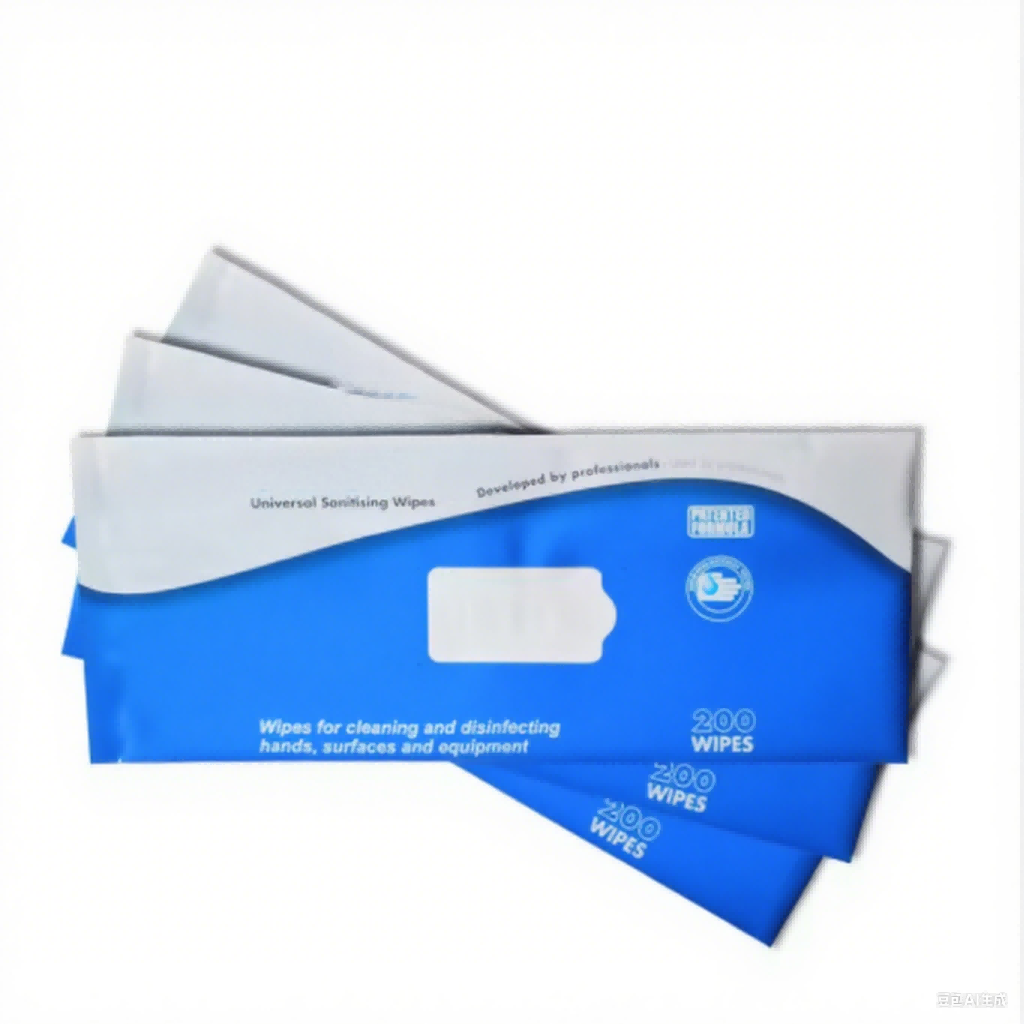
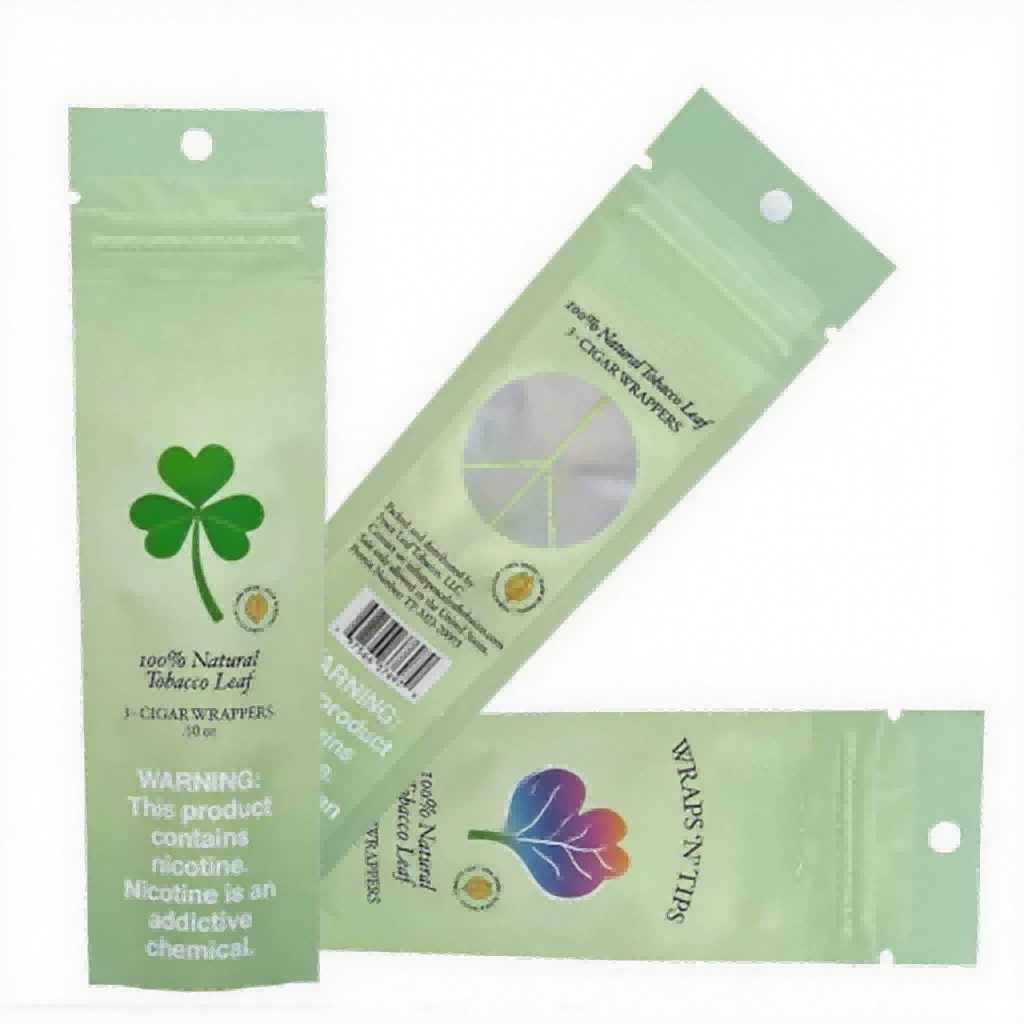
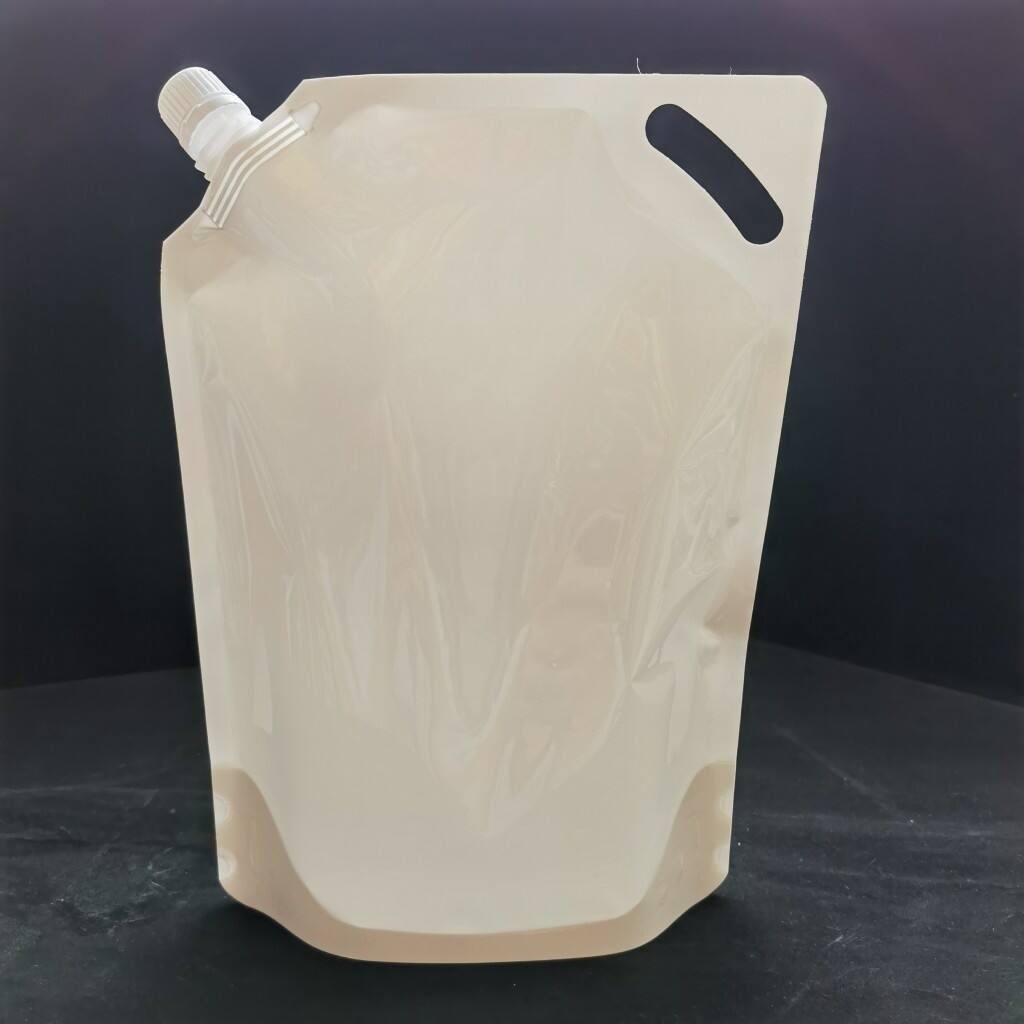
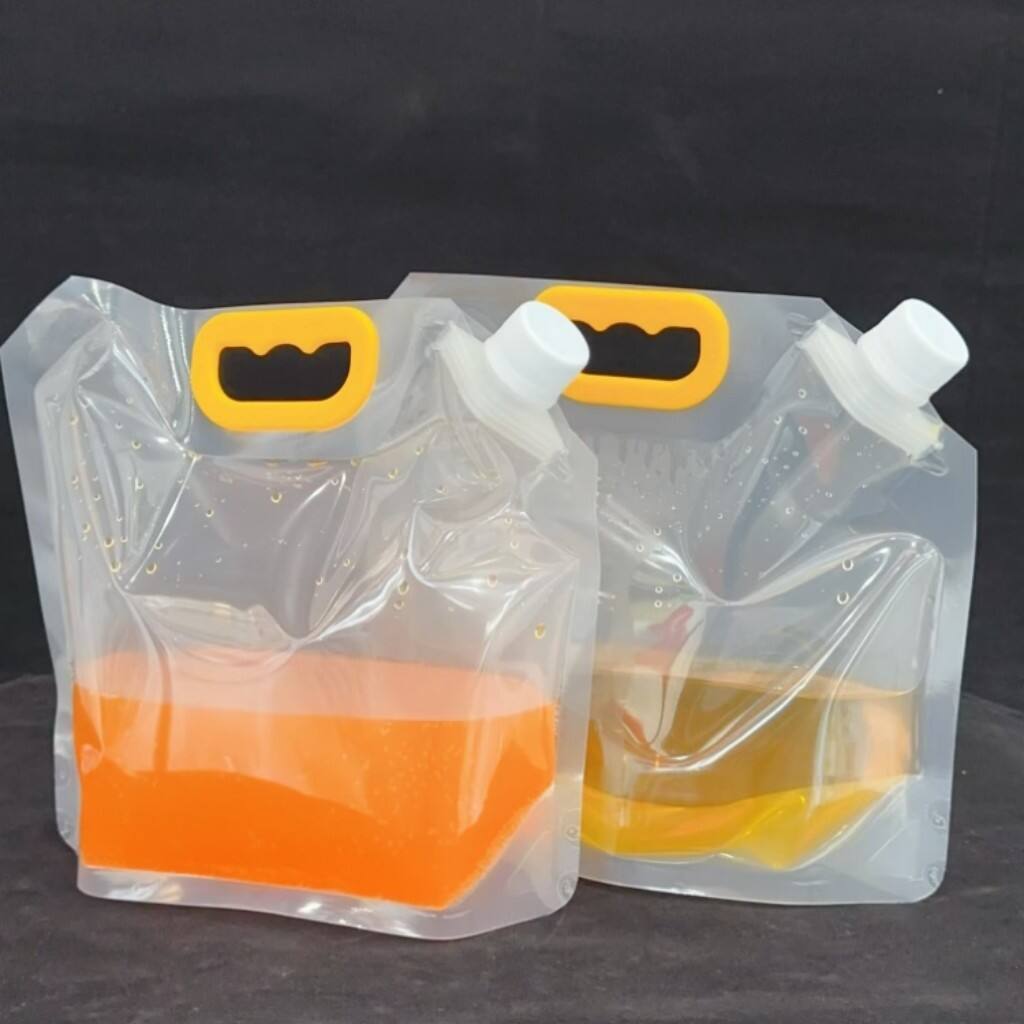
Complete Procurement and Packaging Solutions: Streamline Operations and Reduce Costs

Get a Free Quote

Our representative will contact you soon.
Email
Mobile
Name
Company Name
Message
0/1000

procurement and packaging

Procurement and packaging represents a comprehensive business solution that integrates strategic sourcing with advanced packaging methodologies to optimize supply chain operations. This integrated approach encompasses the entire lifecycle from vendor selection and material acquisition through final product presentation and delivery. Modern procurement and packaging systems leverage sophisticated technologies including automated sourcing platforms, intelligent inventory management, and innovative packaging designs that enhance product protection while reducing environmental impact. The core functionality revolves around establishing efficient supplier relationships, negotiating favorable contract terms, and implementing packaging solutions that maintain product integrity throughout the distribution process. Advanced procurement and packaging strategies utilize data analytics to identify cost-saving opportunities, predict market trends, and optimize packaging specifications based on product requirements and shipping destinations. These systems incorporate quality control measures that ensure both procurement standards and packaging compliance meet industry regulations and customer expectations. The technological infrastructure supporting procurement and packaging includes cloud-based platforms that enable real-time collaboration between suppliers, manufacturers, and logistics providers. Integration capabilities allow seamless communication across multiple touchpoints, from initial procurement requests through final packaging verification. Smart packaging technologies embedded within these systems provide traceability features, temperature monitoring, and damage detection capabilities that enhance product safety and customer satisfaction. The application scope of procurement and packaging extends across diverse industries including pharmaceuticals, electronics, food and beverage, automotive, and consumer goods. Each sector requires specialized approaches to address unique challenges such as regulatory compliance, shelf-life considerations, fragility concerns, and sustainability requirements. Modern procurement and packaging solutions incorporate artificial intelligence and machine learning algorithms to continuously improve decision-making processes, optimize packaging designs, and predict supply chain disruptions before they impact operations.

New Products

The strategic implementation of integrated procurement and packaging delivers substantial operational benefits that directly impact bottom-line performance and customer satisfaction. Companies utilizing comprehensive procurement and packaging solutions experience significant cost reductions through consolidated supplier relationships and optimized packaging specifications. These systems eliminate redundant processes by creating unified workflows that connect procurement decisions with packaging requirements, reducing administrative overhead and minimizing errors. Enhanced supplier negotiations become possible when procurement and packaging requirements are coordinated, allowing companies to leverage combined purchasing power for better pricing on both materials and packaging components. Quality improvements manifest through standardized processes that ensure consistent procurement standards align with packaging specifications, resulting in fewer defects and reduced return rates. The integrated approach enables better inventory management by synchronizing procurement schedules with packaging capacity, preventing stockouts and overstock situations that tie up working capital. Faster time-to-market becomes achievable when procurement and packaging teams collaborate from project inception, eliminating delays caused by miscommunication or incompatible specifications. Risk mitigation strengthens through diversified supplier networks and packaging alternatives that provide backup options during supply chain disruptions. Sustainability goals advance through coordinated efforts to source eco-friendly materials and implement recyclable packaging solutions that meet environmental regulations. Data visibility improves dramatically when procurement and packaging information integrates into unified dashboards, enabling better decision-making and performance tracking. Customer satisfaction increases through reliable delivery schedules and packaging that protects products while enhancing unboxing experiences. Compliance management becomes more efficient when procurement and packaging teams work together to address regulatory requirements across different markets and jurisdictions. Scalability improves as integrated systems can adapt to changing business needs without requiring separate modifications to procurement and packaging processes. Innovation accelerates when procurement and packaging teams collaborate on new product development, identifying opportunities for cost reduction and performance enhancement early in the design phase.

Tips And Tricks

What Are the Best Materials for Making Durable Snack Bags

25

Feb

What Are the Best Materials for Making Durable Snack Bags

The packaging industry has evolved dramatically over the past decade, with snack bag materials becoming increasingly sophisticated to meet consumer demands for freshness, durability, and convenience. Food manufacturers and packaging professionals mus...
View More
How to Maintain Product Freshness in Pet Food Packaging

23

Apr

How to Maintain Product Freshness in Pet Food Packaging

Maintaining product freshness in pet food packaging is a critical challenge that directly impacts pet health, product quality, and brand reputation. The degradation of nutritional value, flavor, and safety can occur rapidly when pet food is exposed t...
View More
Best Coffee Packaging Solutions for Roasters and Wholesale Suppliers

23

Apr

Best Coffee Packaging Solutions for Roasters and Wholesale Suppliers

Coffee roasters and wholesale suppliers face unique challenges when selecting packaging that preserves freshness, enhances brand visibility, and meets diverse distribution requirements. The right coffee packaging solutions can make the difference bet...
View More
How Food Packaging Bags Support Efficient Bulk Distribution

23

Apr

How Food Packaging Bags Support Efficient Bulk Distribution

Modern bulk food distribution faces mounting pressure to deliver products efficiently while maintaining quality, freshness, and cost-effectiveness throughout the supply chain. Food packaging bags have emerged as the cornerstone solution for companies...
View More

Get a Free Quote

Our representative will contact you soon.
Email
Mobile
Name
Company Name
Message
0/1000

procurement and packaging

Advanced Supply Chain Integration Technology

Advanced Supply Chain Integration Technology

The technological foundation of modern procurement and packaging systems represents a revolutionary approach to supply chain management that transforms traditional business operations. This sophisticated integration technology connects procurement activities with packaging requirements through intelligent platforms that automate decision-making processes and optimize resource allocation. The system utilizes artificial intelligence algorithms to analyze historical purchasing patterns, supplier performance metrics, and packaging effectiveness data to generate predictive insights that guide future procurement and packaging strategies. Cloud-based architectures enable real-time collaboration between procurement teams, packaging engineers, and suppliers, creating a unified ecosystem where information flows seamlessly across all stakeholders. The technology incorporates advanced analytics capabilities that identify cost-saving opportunities by analyzing the relationship between procurement choices and packaging requirements, helping organizations make informed decisions that optimize both material costs and packaging efficiency. Machine learning components continuously improve system performance by learning from past transactions and outcomes, automatically adjusting procurement parameters and packaging specifications to enhance overall effectiveness. Integration APIs connect with existing enterprise resource planning systems, ensuring that procurement and packaging data synchronizes with broader business operations without disrupting established workflows. The platform includes sophisticated reporting tools that provide detailed visibility into procurement spend, packaging costs, and performance metrics, enabling managers to track return on investment and identify areas for improvement. Automated compliance monitoring features ensure that all procurement and packaging activities adhere to industry regulations and internal policies, reducing the risk of non-compliance issues. The system supports multi-language and multi-currency operations, making it suitable for global organizations with complex supply chains spanning multiple countries and regions. Mobile accessibility allows procurement and packaging professionals to access critical information and approve transactions from anywhere, improving response times and operational agility. Security features protect sensitive procurement data and packaging specifications through encryption, access controls, and audit trails that maintain data integrity throughout the system.
Cost Optimization Through Strategic Sourcing

Cost Optimization Through Strategic Sourcing

Strategic sourcing within integrated procurement and packaging systems delivers exceptional cost optimization benefits that significantly improve organizational profitability and competitive positioning. This comprehensive approach analyzes the total cost of ownership for both procurement and packaging components, identifying opportunities to reduce expenses while maintaining or improving quality standards. The methodology evaluates supplier capabilities, pricing structures, and packaging requirements simultaneously, enabling negotiations that leverage combined purchasing power to secure better terms and conditions. Advanced cost modeling tools simulate different procurement and packaging scenarios, helping organizations understand the financial impact of various sourcing decisions before committing to long-term agreements. The system identifies opportunities for standardization across procurement and packaging processes, reducing complexity and achieving economies of scale that lower unit costs. Supplier consolidation strategies emerge from integrated analysis that reveals opportunities to work with fewer vendors who can meet both procurement and packaging needs, reducing administrative costs and improving relationship management. Volume-based pricing advantages become accessible when procurement and packaging requirements are combined, allowing organizations to qualify for better pricing tiers and bulk discounts. The approach includes comprehensive market analysis that tracks pricing trends for both raw materials and packaging components, enabling proactive sourcing decisions that capitalize on favorable market conditions. Risk assessment capabilities evaluate the financial impact of potential supply disruptions on both procurement and packaging operations, helping organizations develop contingency plans that minimize cost exposure. Total cost of ownership calculations include factors such as procurement processing costs, packaging material expenses, storage requirements, and disposal costs, providing a complete picture of financial implications. The system supports value engineering initiatives that identify opportunities to modify procurement specifications or packaging designs to achieve cost reductions without compromising functionality or quality. Continuous improvement processes monitor cost performance over time, identifying trends and opportunities for further optimization through process refinements or supplier development programs. Benchmarking capabilities compare procurement and packaging costs against industry standards, helping organizations understand their competitive position and identify areas where improvements are needed.
Sustainability and Environmental Impact Management

Sustainability and Environmental Impact Management

Environmental sustainability has become a critical component of modern procurement and packaging strategies, with integrated systems providing comprehensive tools to minimize ecological impact while maintaining operational efficiency. This holistic approach to sustainability encompasses the entire supply chain, from raw material sourcing through end-of-life disposal, ensuring that environmental considerations are embedded throughout procurement and packaging decisions. The system includes sophisticated carbon footprint tracking capabilities that monitor greenhouse gas emissions associated with both procurement activities and packaging materials, providing detailed reporting that supports corporate sustainability goals and regulatory compliance. Supplier evaluation criteria incorporate environmental performance metrics, ensuring that procurement decisions consider factors such as renewable energy usage, waste reduction practices, and environmental certifications alongside traditional cost and quality measures. Packaging optimization algorithms identify opportunities to reduce material usage while maintaining product protection, supporting circular economy principles through design choices that facilitate recycling and reuse. The platform maintains extensive databases of sustainable materials and eco-friendly packaging alternatives, enabling procurement teams to make informed decisions that balance environmental impact with functional requirements. Life cycle assessment tools evaluate the environmental impact of different procurement and packaging options, considering factors such as resource extraction, manufacturing processes, transportation requirements, and disposal methods. Waste reduction initiatives are supported through features that track packaging efficiency, identify opportunities to eliminate unnecessary materials, and optimize packaging designs to minimize waste generation. Regulatory compliance management ensures that procurement and packaging activities adhere to environmental regulations across different jurisdictions, including restrictions on hazardous materials, recycling requirements, and packaging waste directives. The system supports sustainability reporting by collecting and analyzing environmental data across all procurement and packaging activities, generating comprehensive reports that demonstrate progress toward sustainability goals and support stakeholder communication. Collaboration tools enable procurement and packaging teams to work with suppliers on sustainability initiatives, sharing best practices and developing innovative solutions that reduce environmental impact while maintaining operational effectiveness. Continuous monitoring capabilities track key environmental performance indicators over time, identifying trends and opportunities for improvement through process modifications or supplier development programs.
Complete Procurement and Packaging Solutions: Streamline Operations and Reduce Costs

Get a Free Quote

Our representative will contact you soon.
Email
Mobile
Name
Company Name
Message
0/1000