kibble packaging
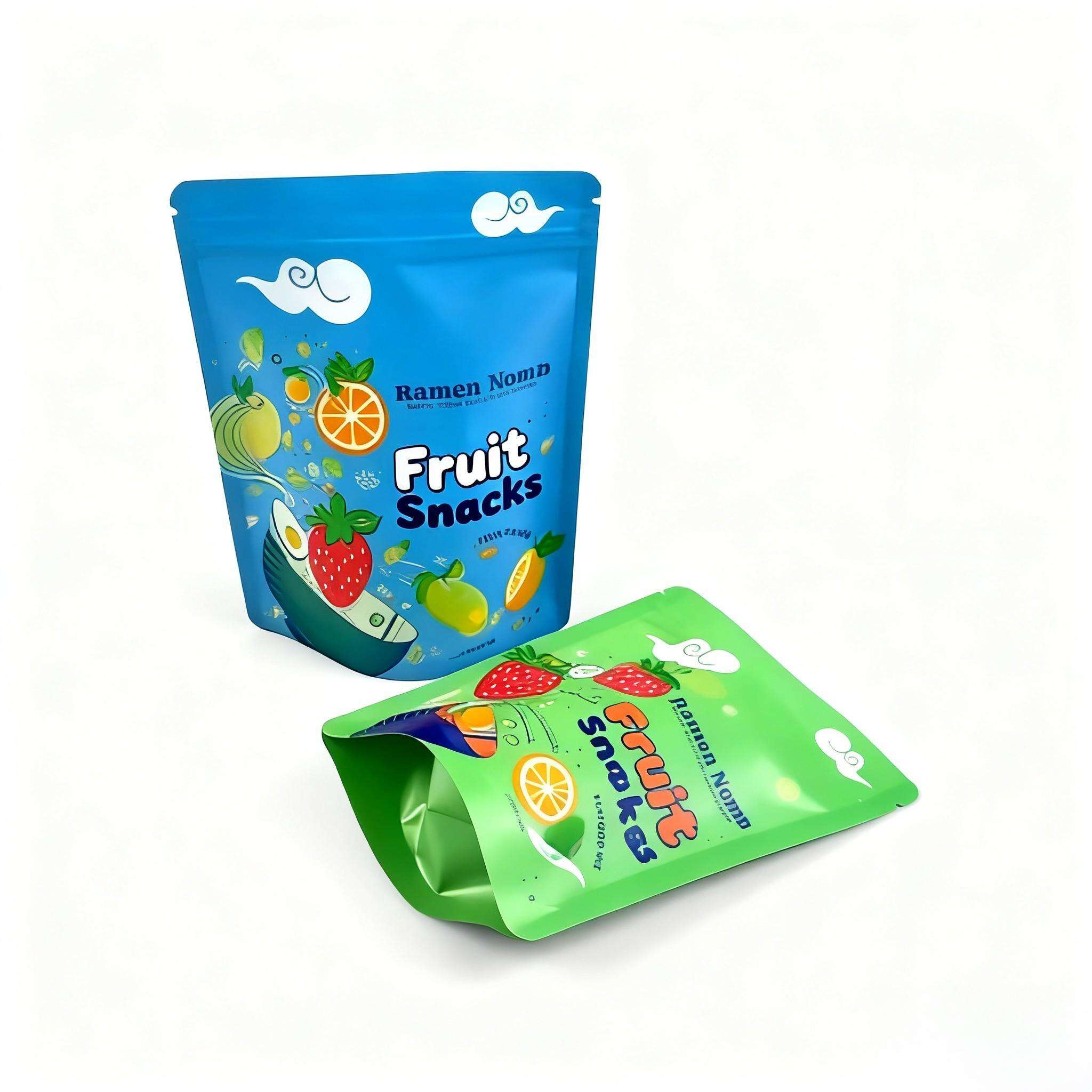
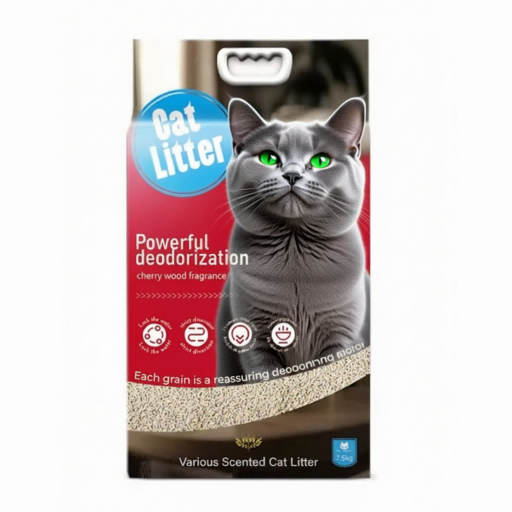
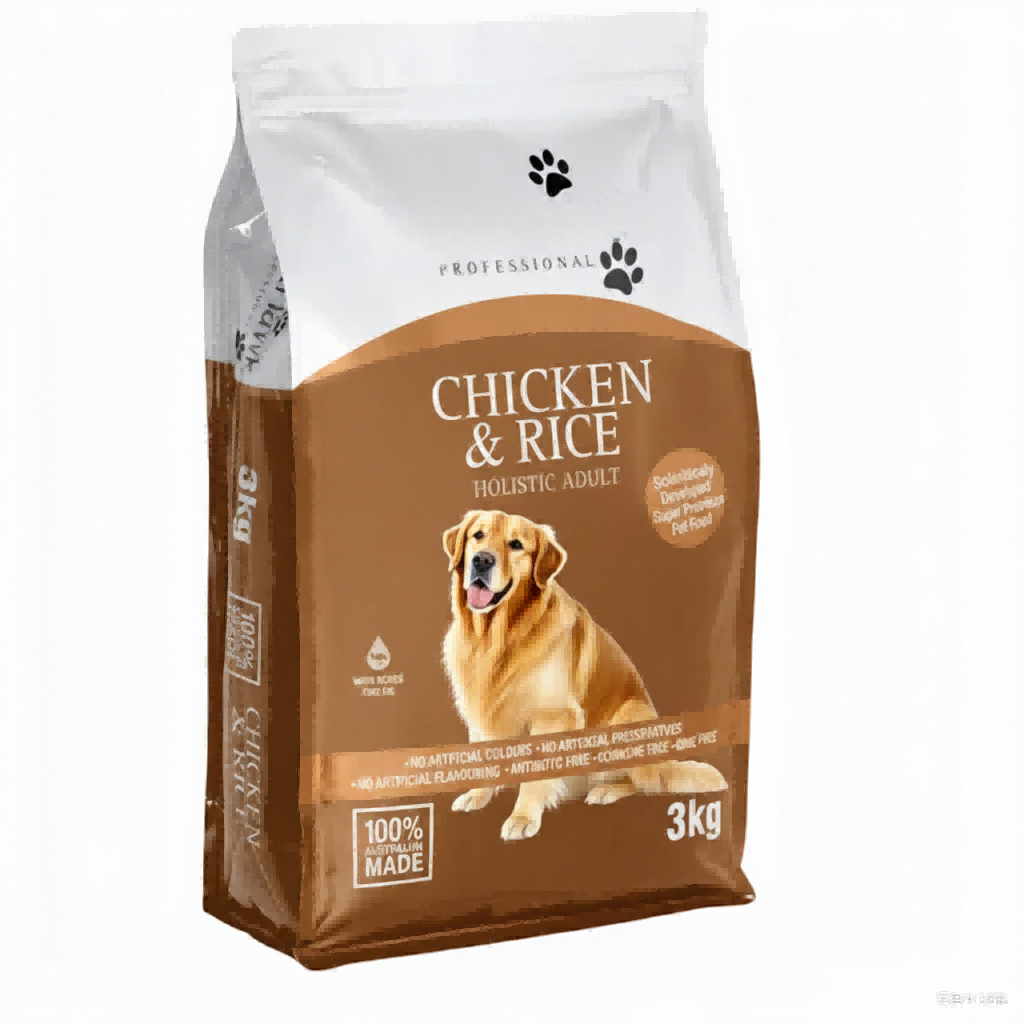
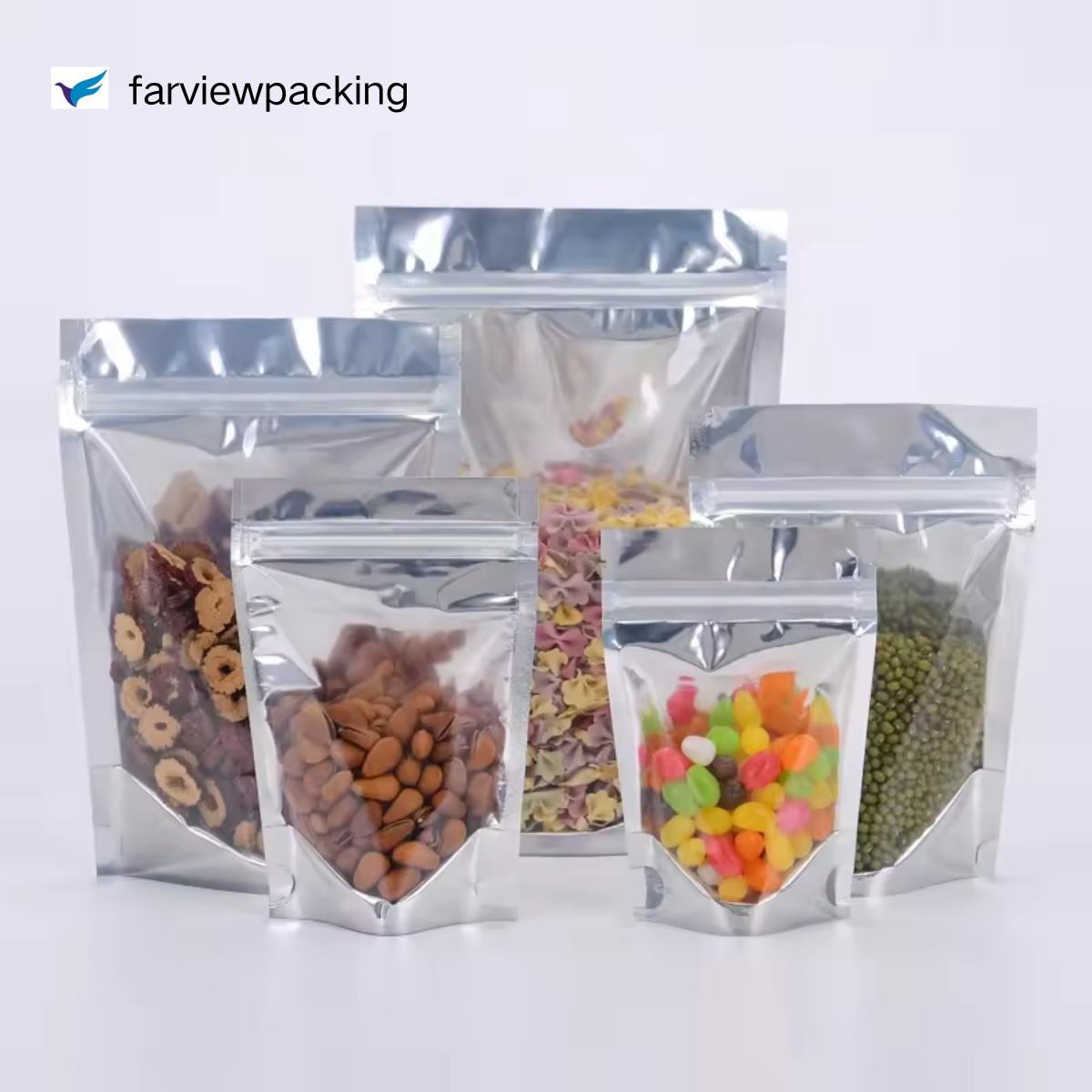
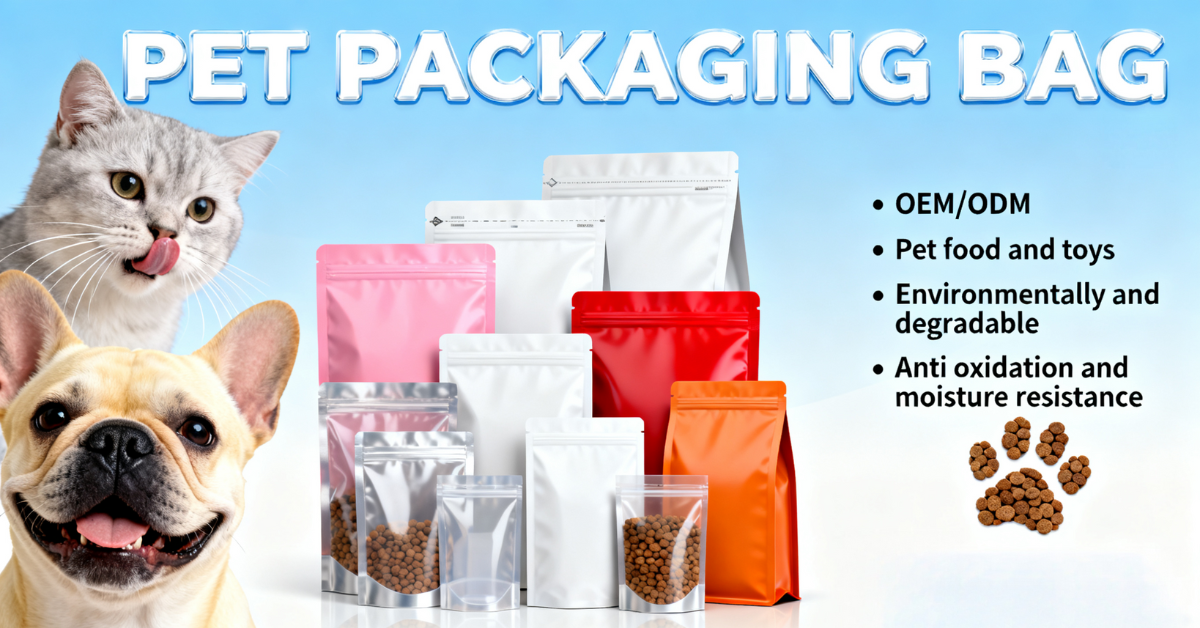
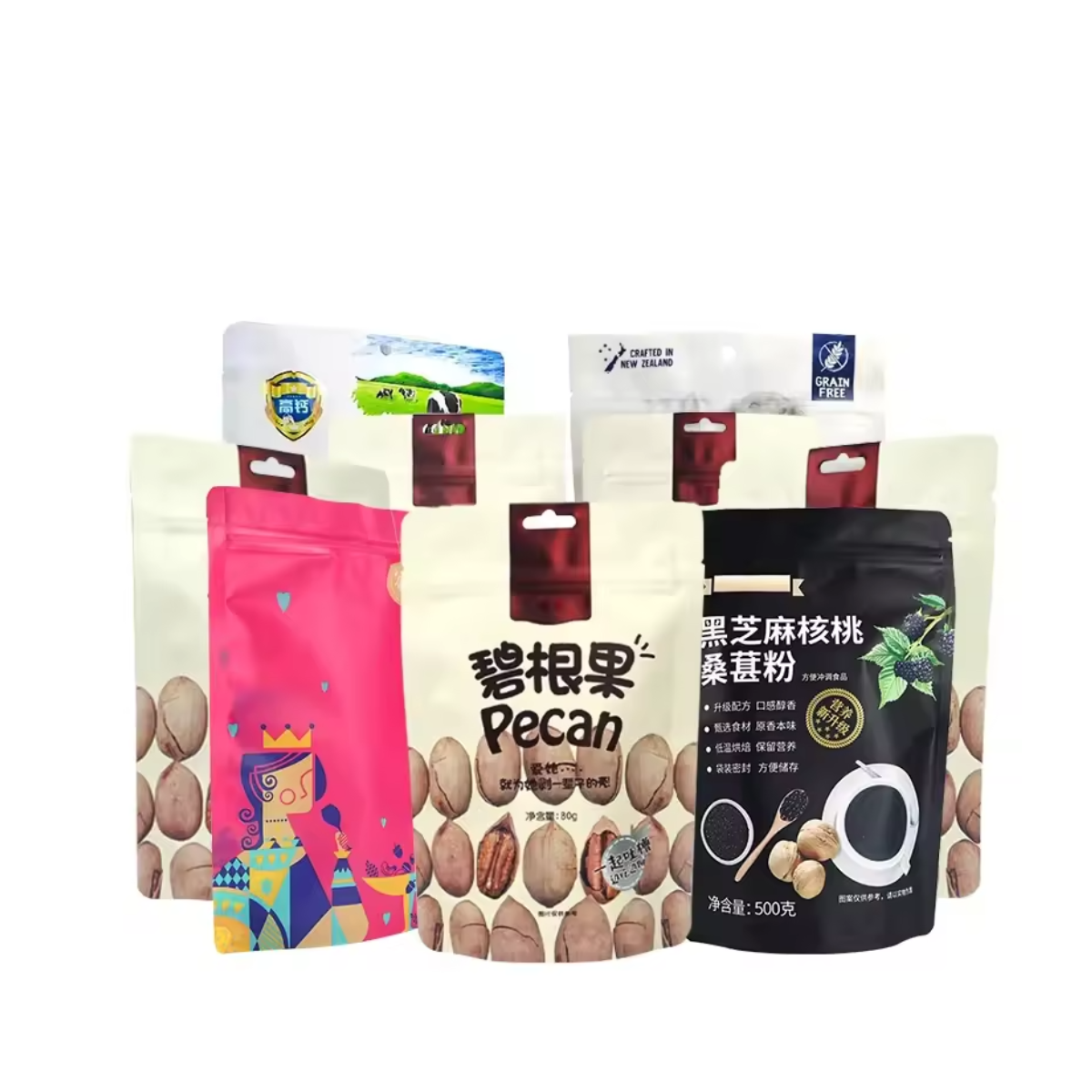
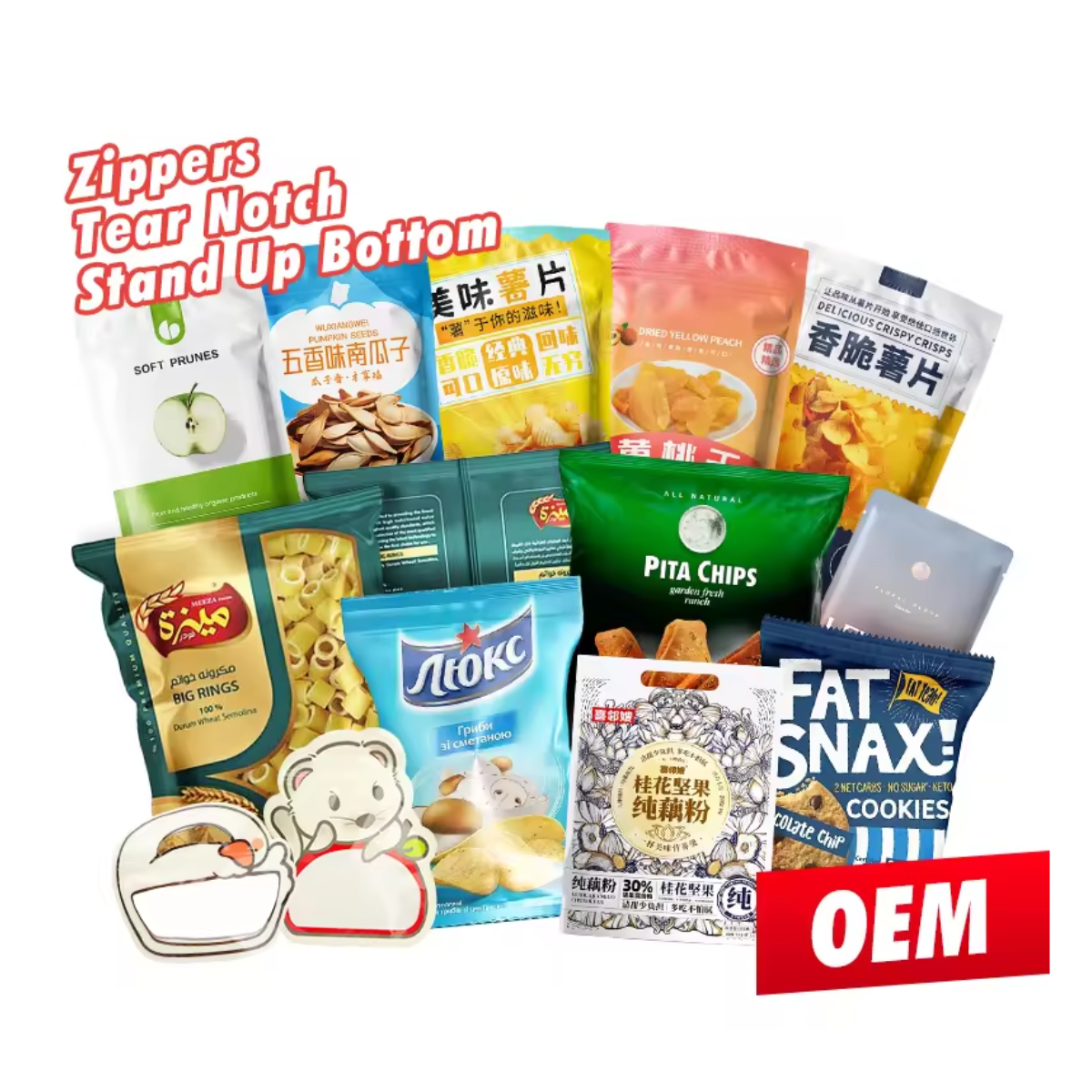
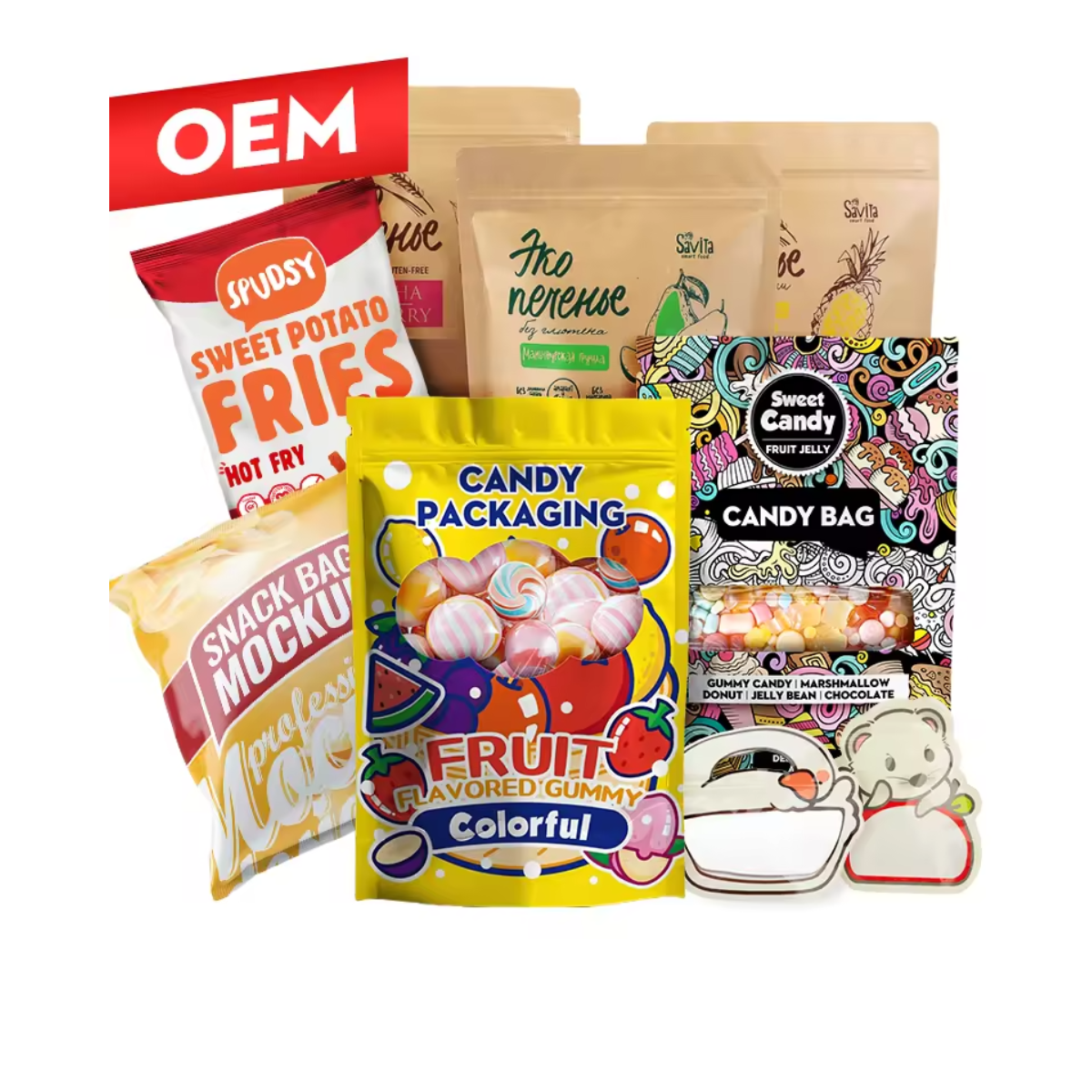
Kibble packaging represents a sophisticated solution designed specifically for the pet food industry, serving as the critical bridge between manufacturing and consumer delivery. This specialized packaging system encompasses various materials, designs, and technologies that work together to preserve the nutritional integrity of dry pet food while ensuring maximum shelf life and consumer appeal. The primary function of kibble packaging centers on creating an effective barrier against moisture, oxygen, light, and contaminants that could compromise the quality of pet food products. Modern kibble packaging utilizes multi-layer film structures, incorporating materials such as polyethylene, polypropylene, and specialized barrier films that provide exceptional protection against environmental factors. The technological features of contemporary kibble packaging include advanced sealing mechanisms, resealable closures, and portion control systems that enhance user convenience while maintaining product freshness. These packaging solutions often incorporate vacuum sealing technology, nitrogen flushing capabilities, and moisture-absorbing elements that extend product shelf life significantly. The applications of kibble packaging extend across various market segments, from premium boutique pet food brands to large-scale commercial manufacturers. Different packaging formats serve distinct market needs, including stand-up pouches for smaller portions, bulk bags for cost-conscious consumers, and specialty packaging for therapeutic or prescription diets. The design flexibility of kibble packaging allows manufacturers to incorporate branding elements, nutritional information, and feeding instructions while maintaining structural integrity throughout the distribution chain. Modern kibble packaging systems also integrate sustainability considerations, utilizing recyclable materials and reducing overall packaging waste without compromising product protection. The evolution of kibble packaging technology continues to address emerging market demands, including portion control features, easy-open mechanisms for elderly consumers, and transparent windows that allow product visibility while maintaining barrier properties.
 EN
EN