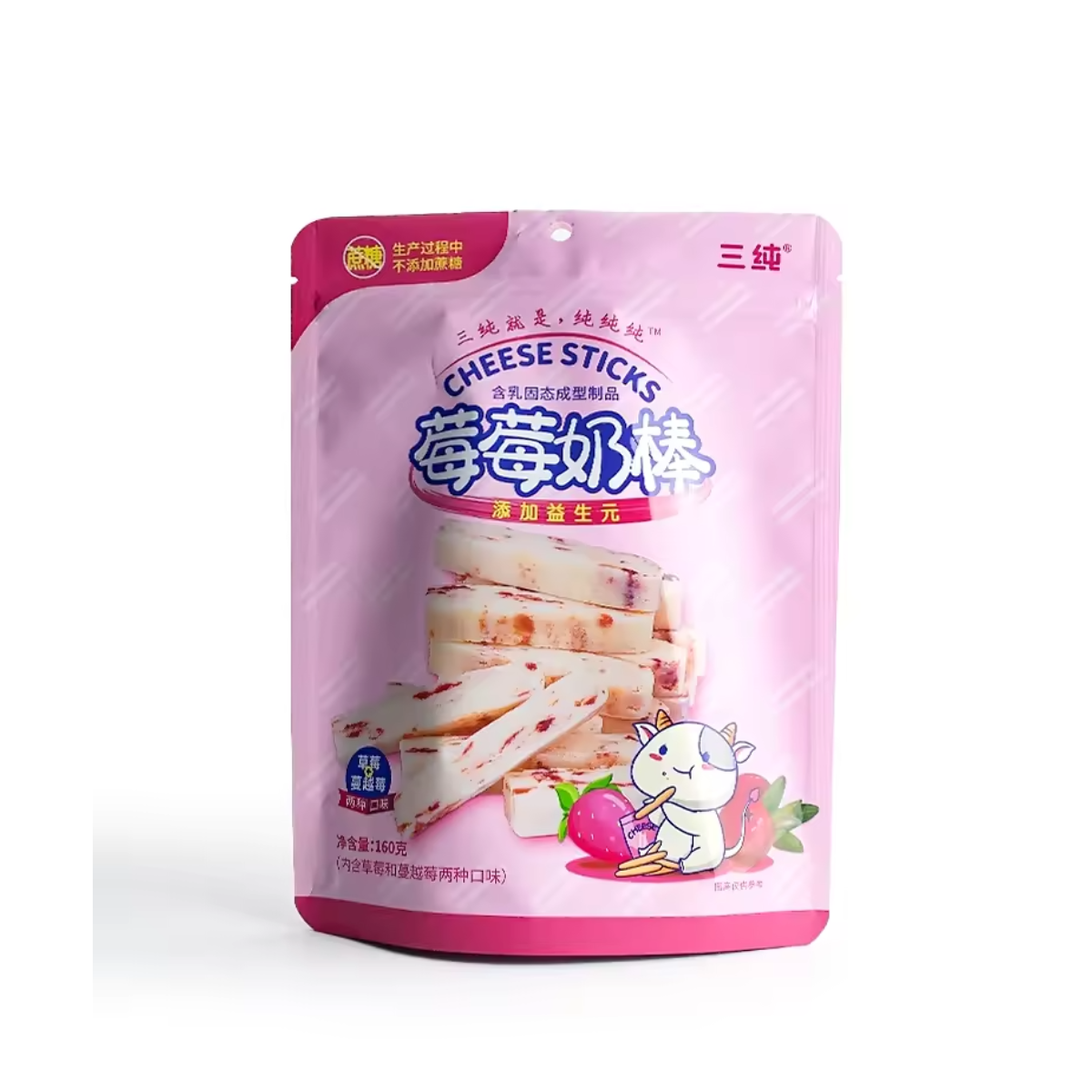
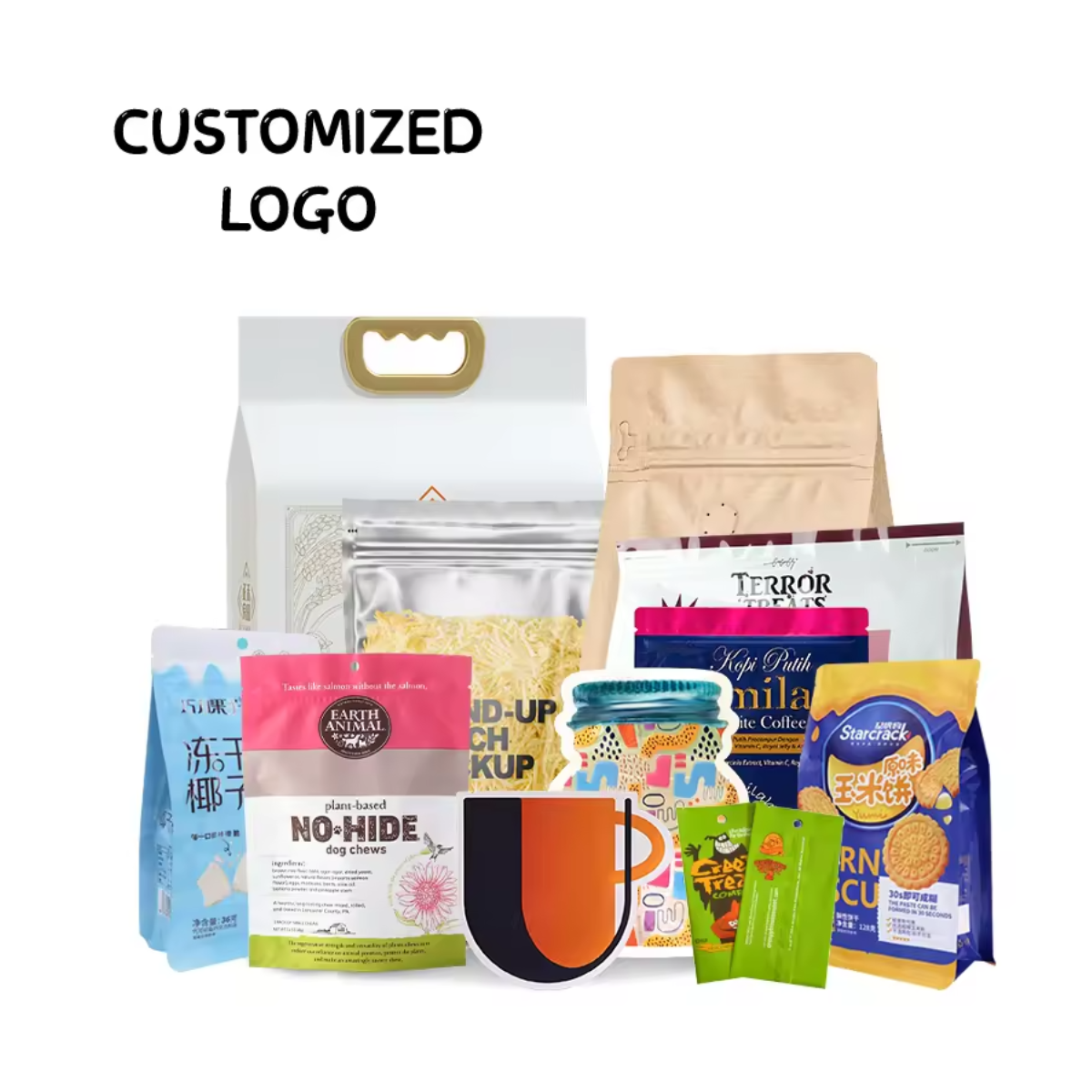
shelfattractive packaging
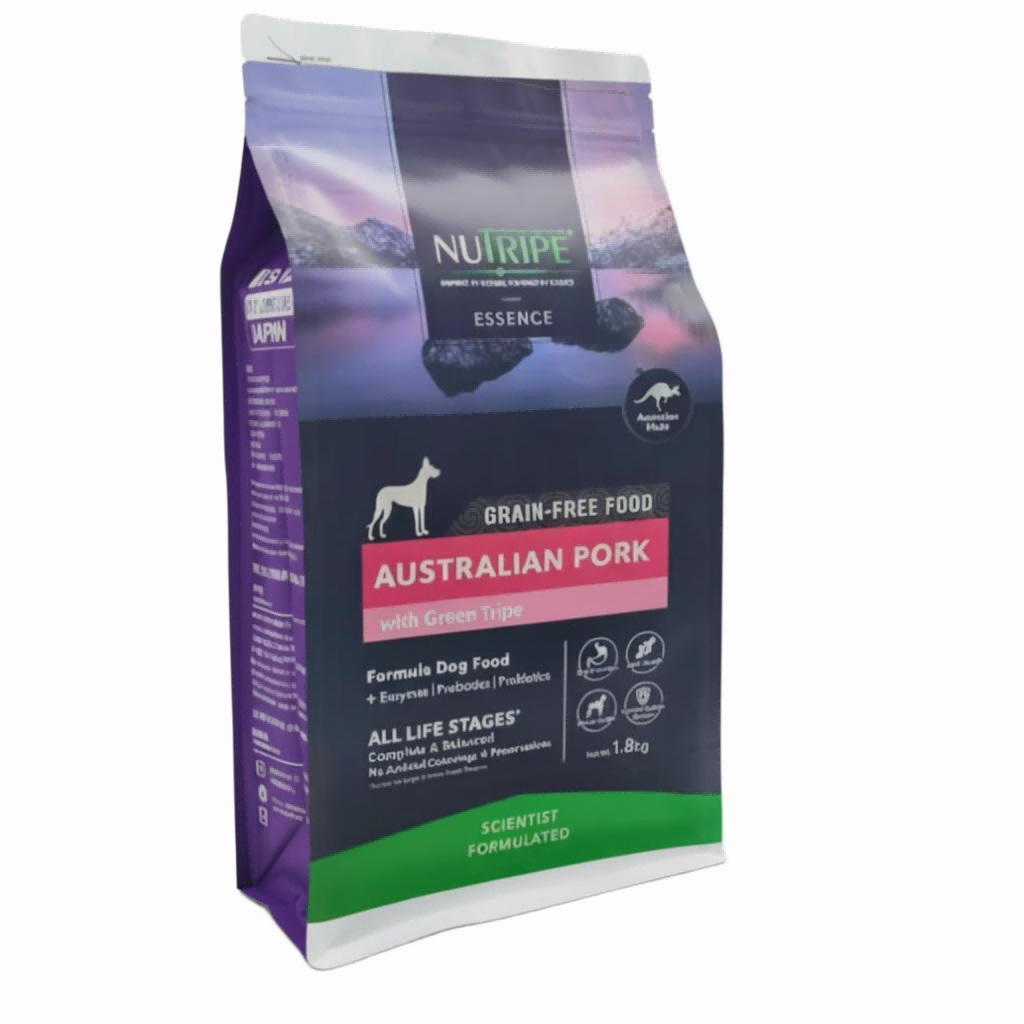
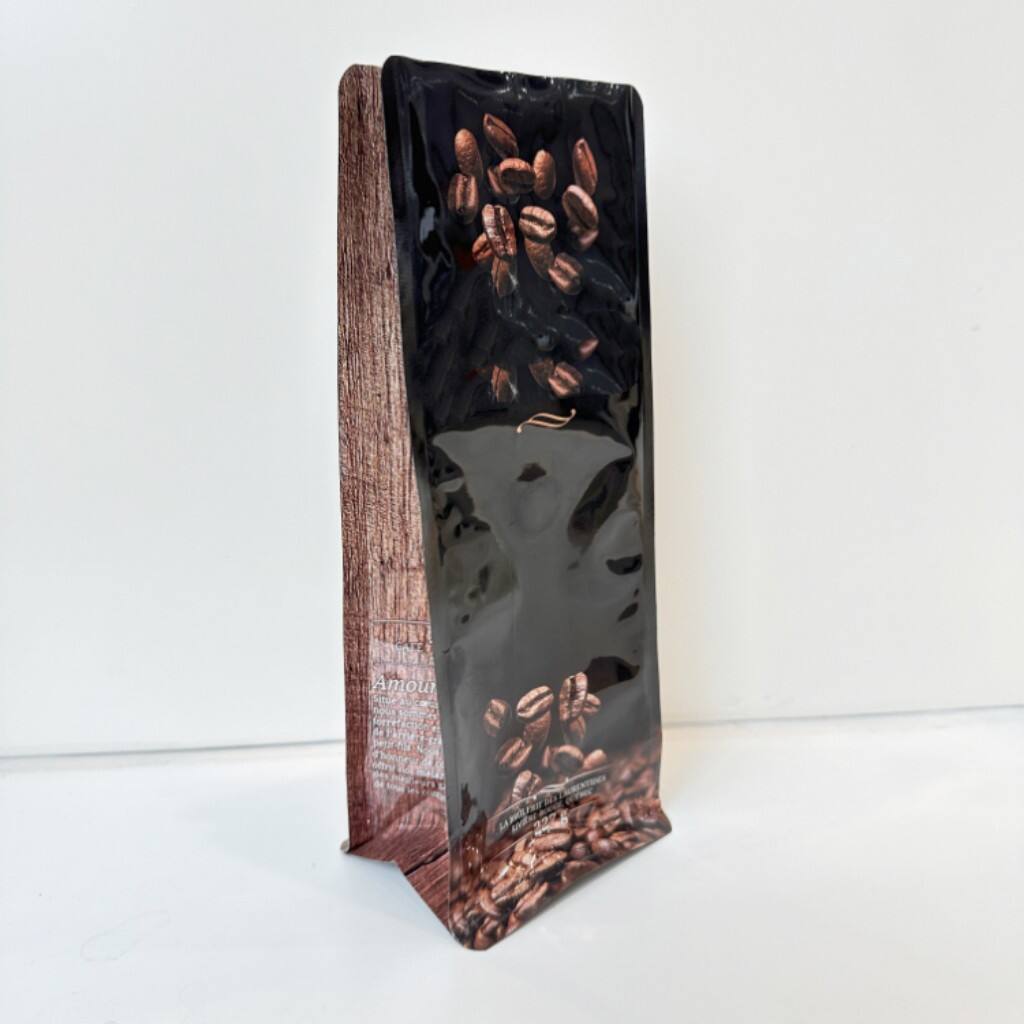
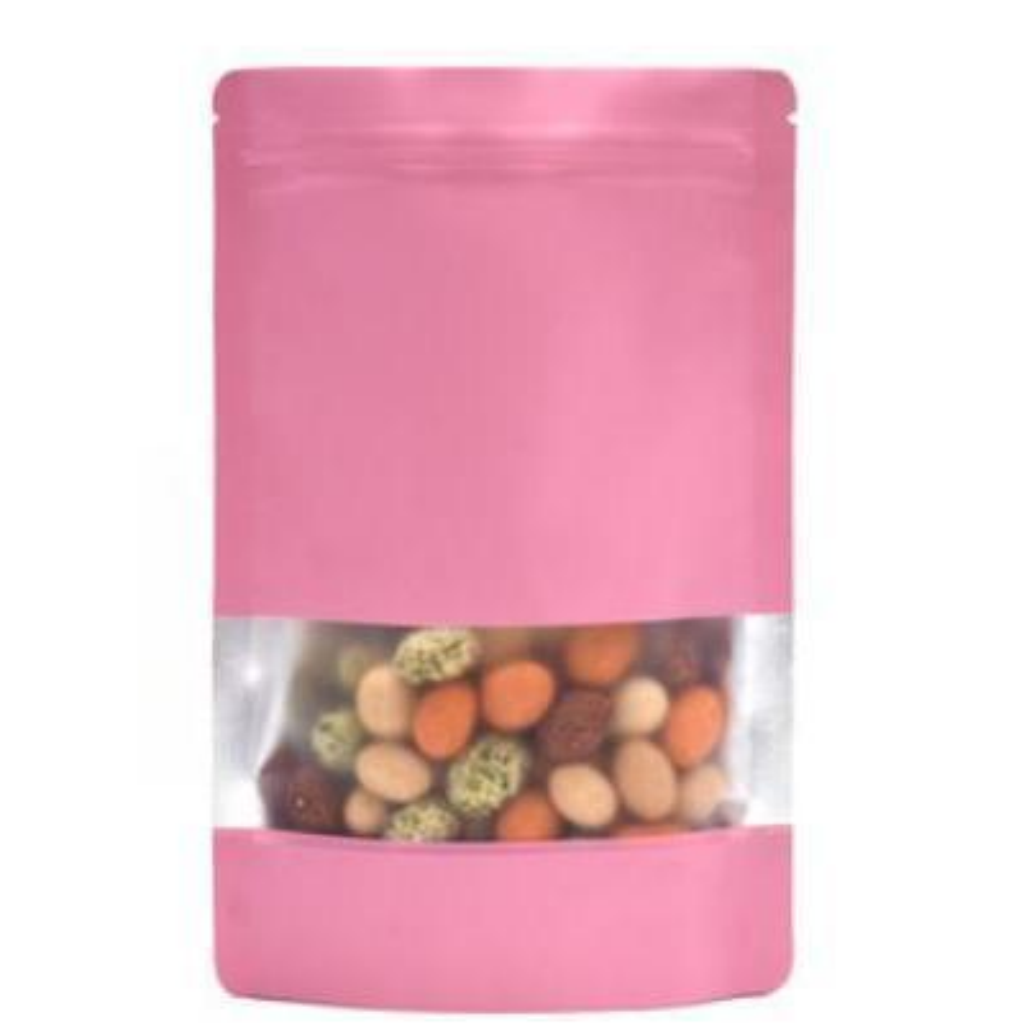
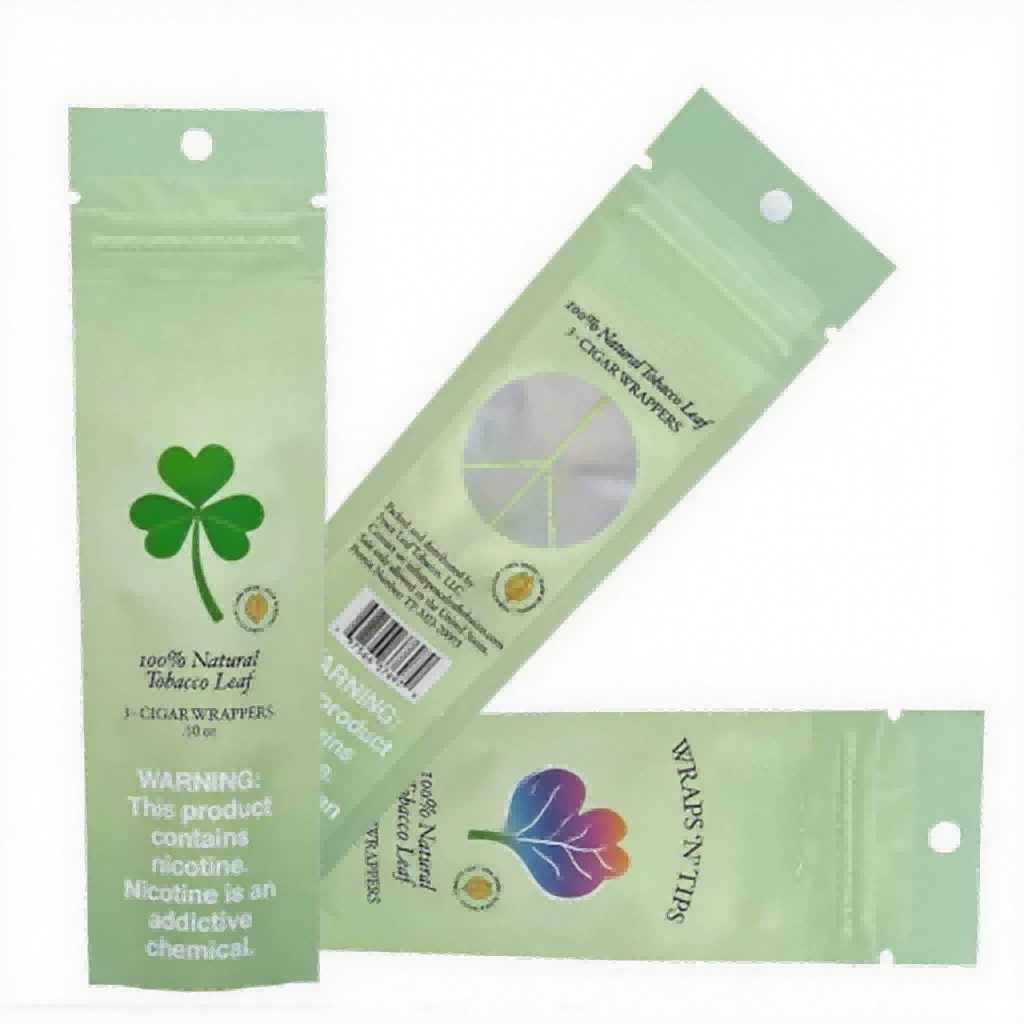
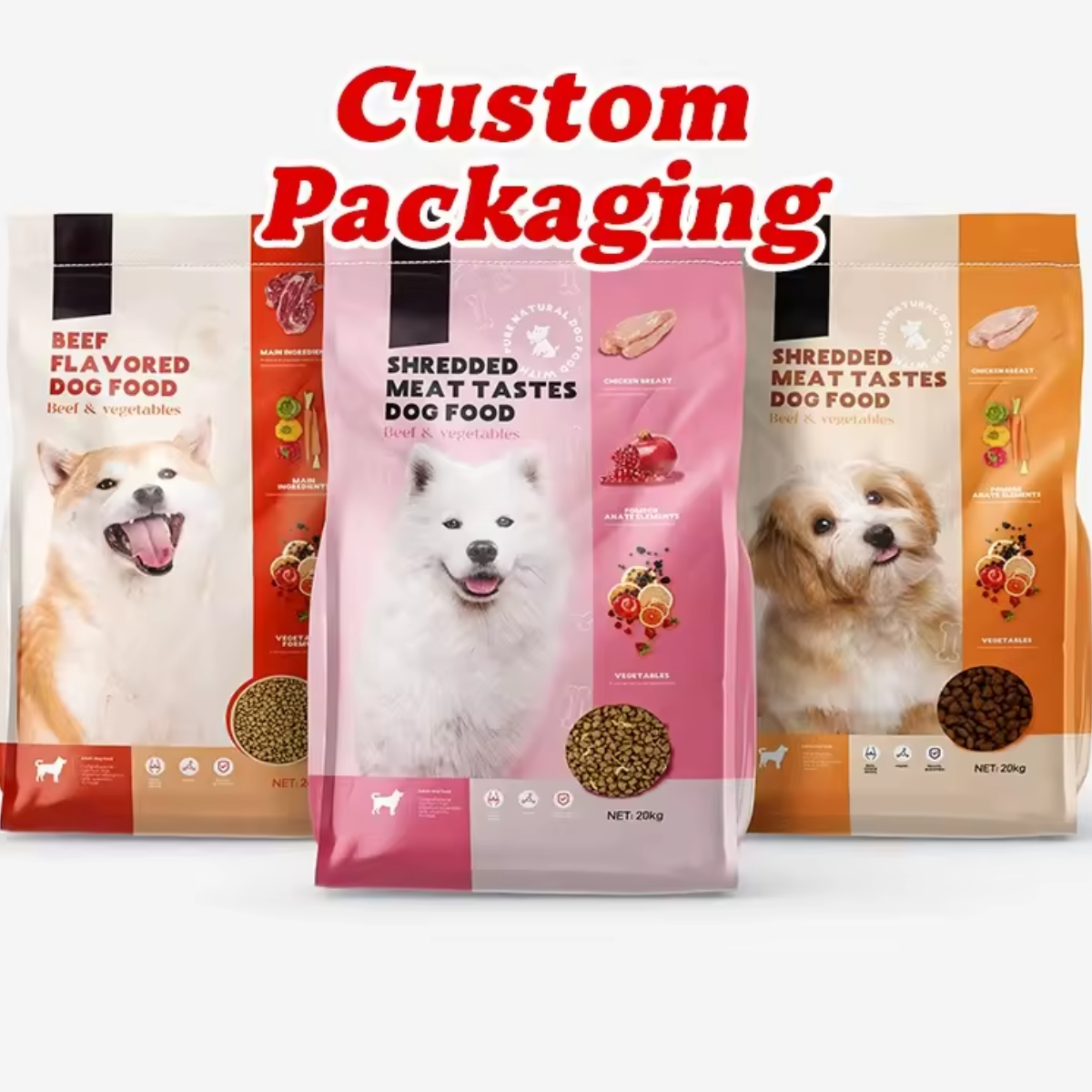
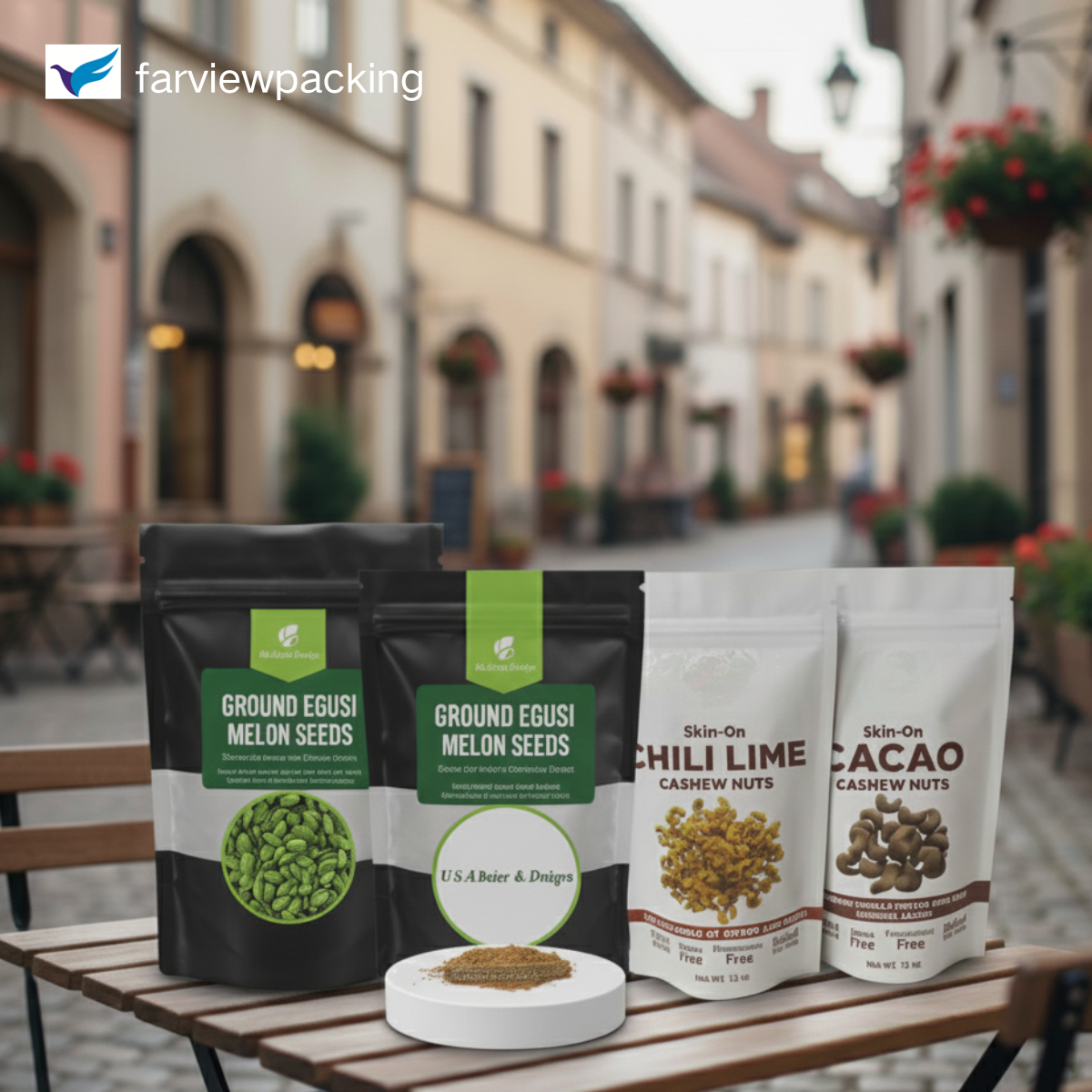
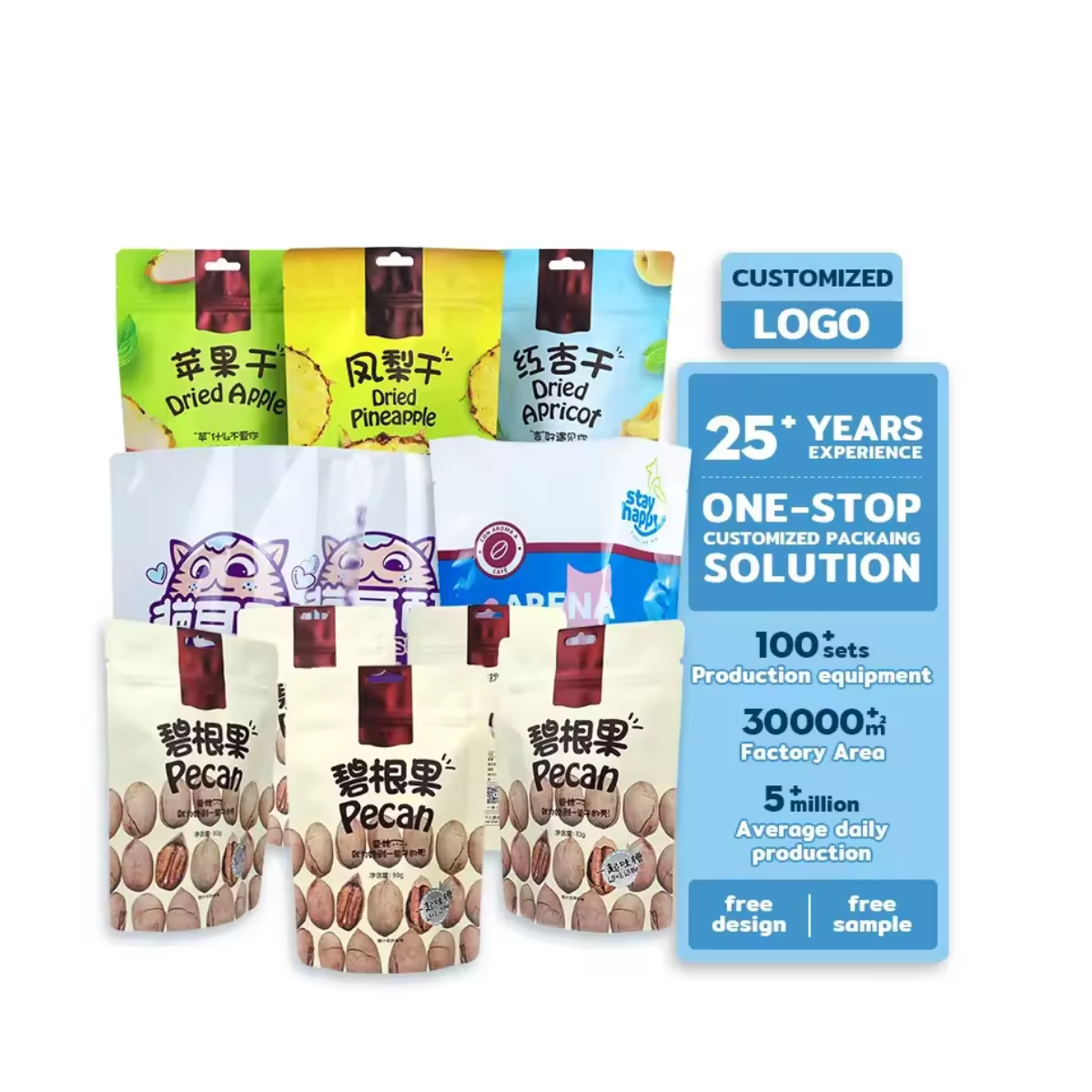
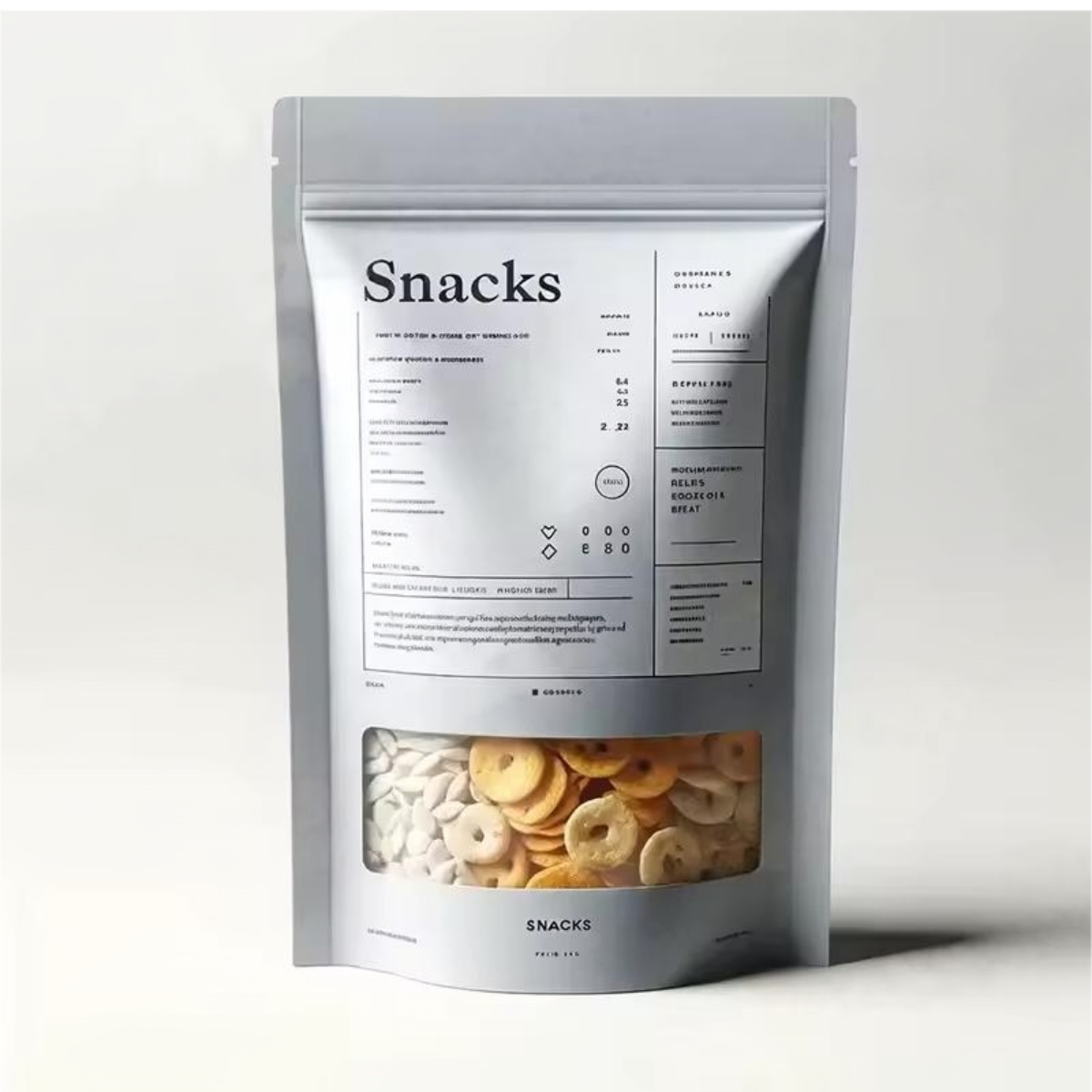
Shelfattractive packaging represents a revolutionary approach to product presentation that combines visual appeal with functional excellence to capture consumer attention at the point of sale. This innovative packaging solution is specifically engineered to stand out on crowded retail shelves while maintaining the integrity and protection of the products within. The primary function of shelfattractive packaging extends beyond traditional containment, incorporating elements of marketing, brand communication, and consumer engagement into a single, cohesive design strategy. Modern shelfattractive packaging utilizes advanced printing technologies, premium materials, and sophisticated structural designs to create packaging that functions as a silent salesperson. The technological features of contemporary shelfattractive packaging include high-definition digital printing capabilities that produce vibrant colors and sharp graphics, specialized coating applications that enhance tactile experiences, and innovative die-cutting techniques that create unique shapes and opening mechanisms. These packages often incorporate sustainable materials without compromising visual impact, utilizing recyclable substrates and eco-friendly inks that appeal to environmentally conscious consumers. The structural engineering behind shelfattractive packaging ensures optimal product protection while maximizing shelf visibility through strategic window placements, transparent panels, and ergonomic design elements. Applications for shelfattractive packaging span numerous industries including cosmetics, food and beverage, electronics, pharmaceuticals, and consumer goods. In the cosmetics industry, shelfattractive packaging creates luxury experiences through premium finishes and elegant designs. Food manufacturers utilize this packaging to communicate freshness, quality, and brand personality through appetizing imagery and informative labeling. Electronics companies leverage shelfattractive packaging to convey technological sophistication while protecting sensitive components. The pharmaceutical sector employs these solutions to build trust and communicate safety while maintaining regulatory compliance. Consumer goods manufacturers use shelfattractive packaging to differentiate their products in competitive markets, creating emotional connections with target audiences through compelling visual narratives and tactile experiences that drive purchase decisions.
 EN
EN