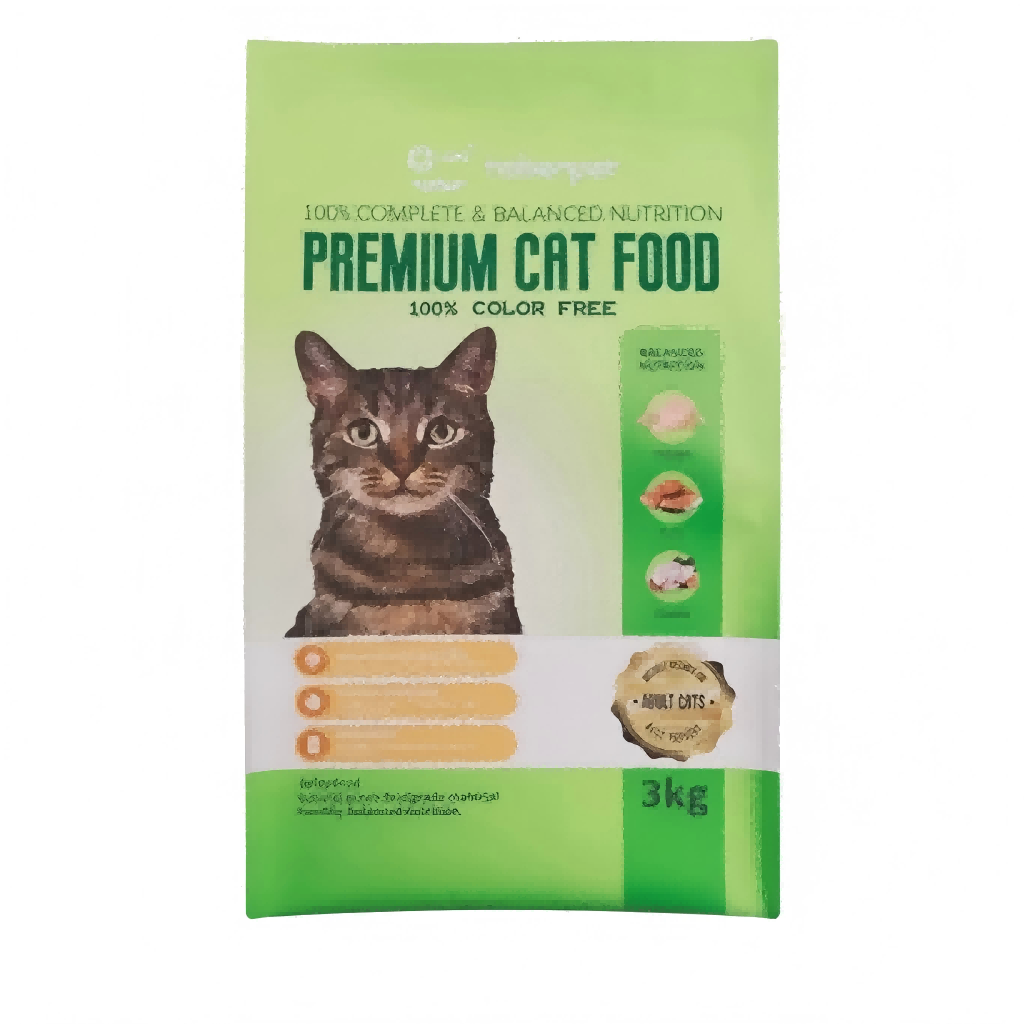
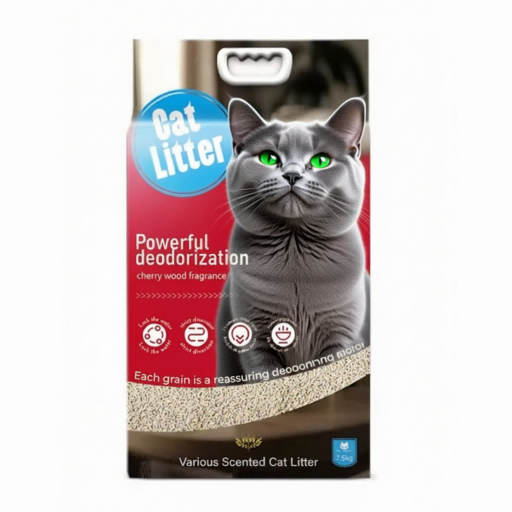
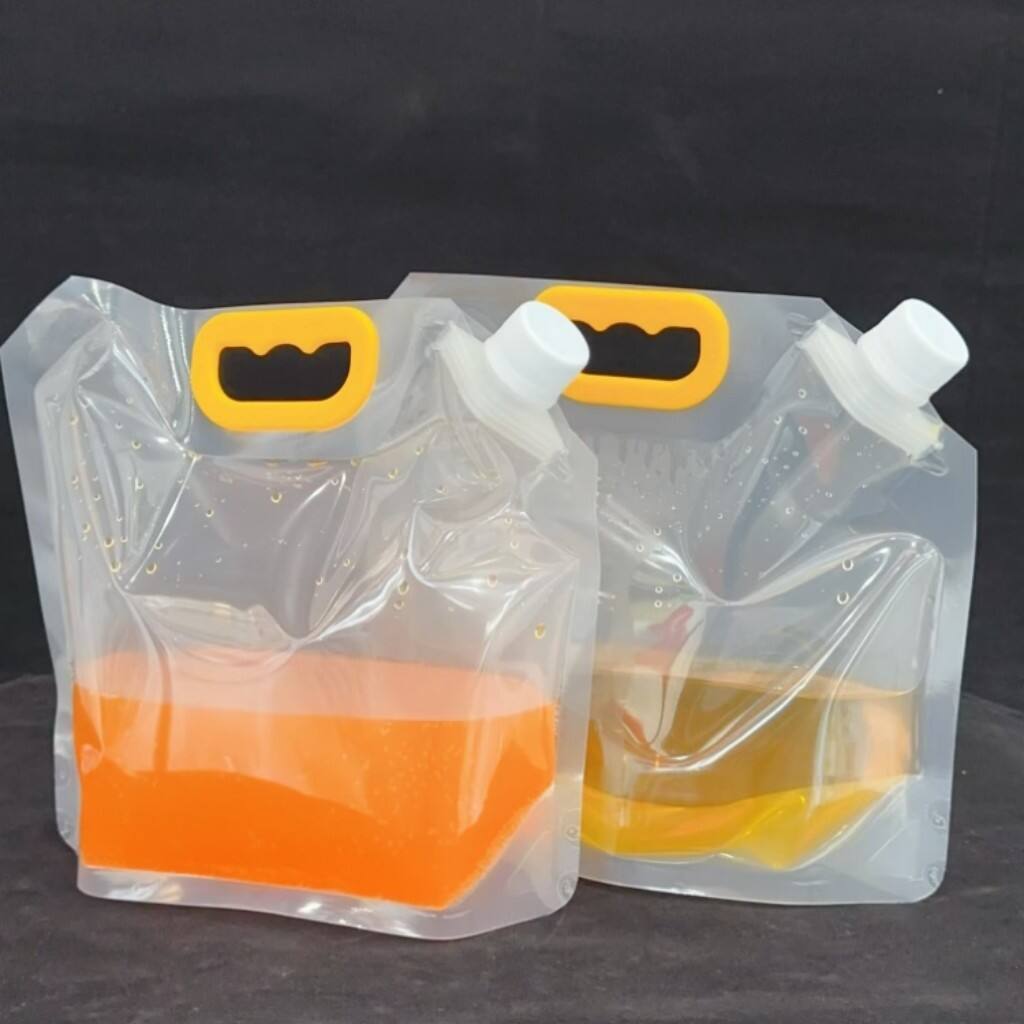
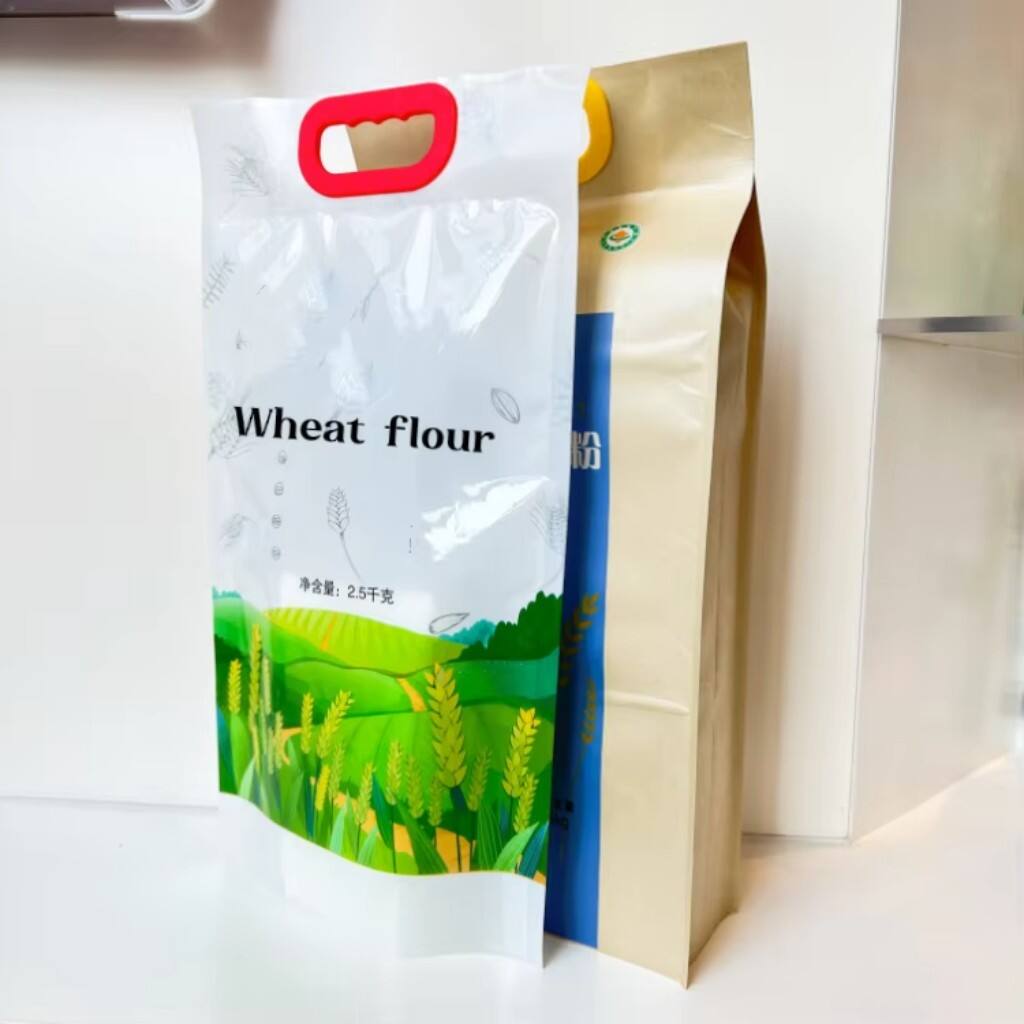
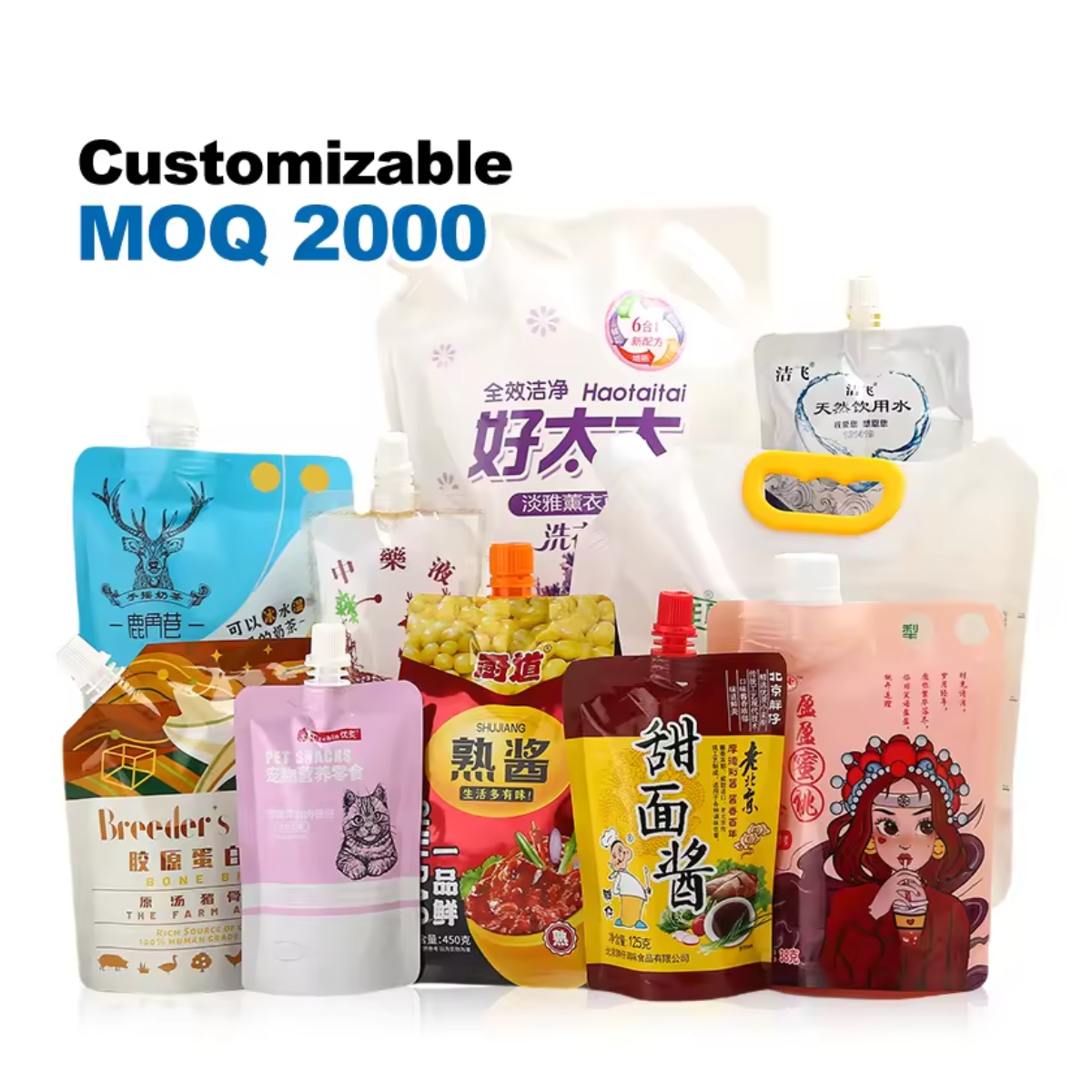
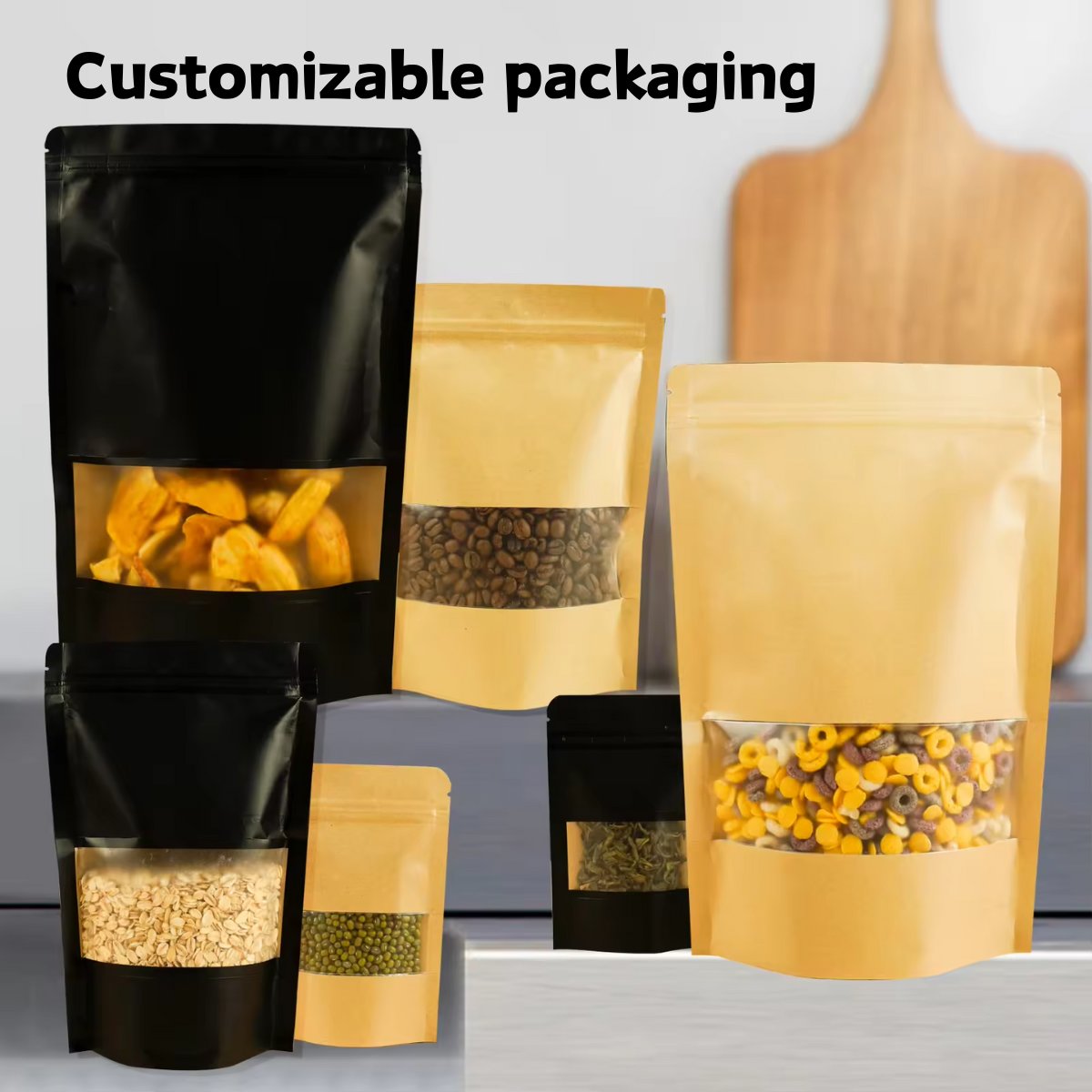
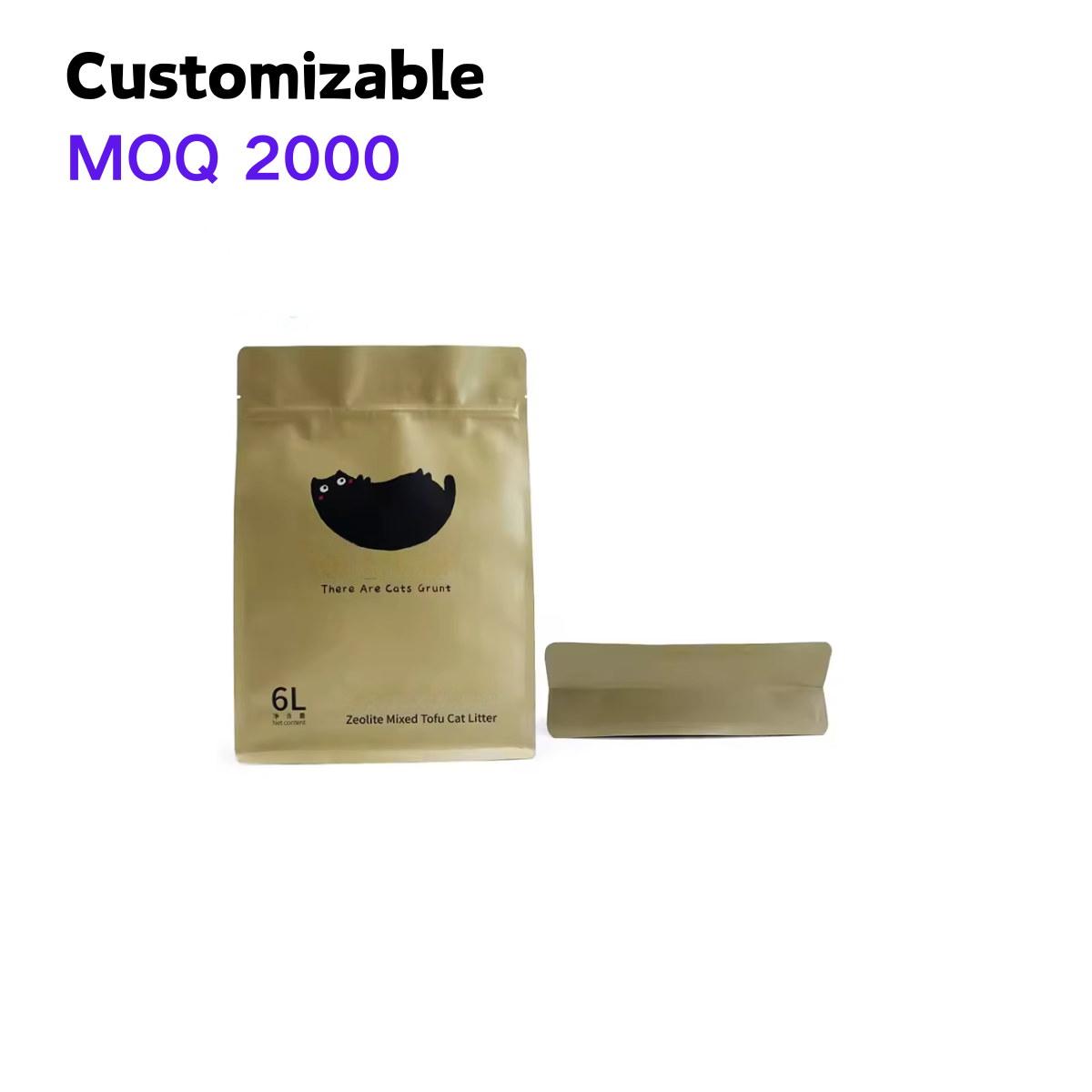
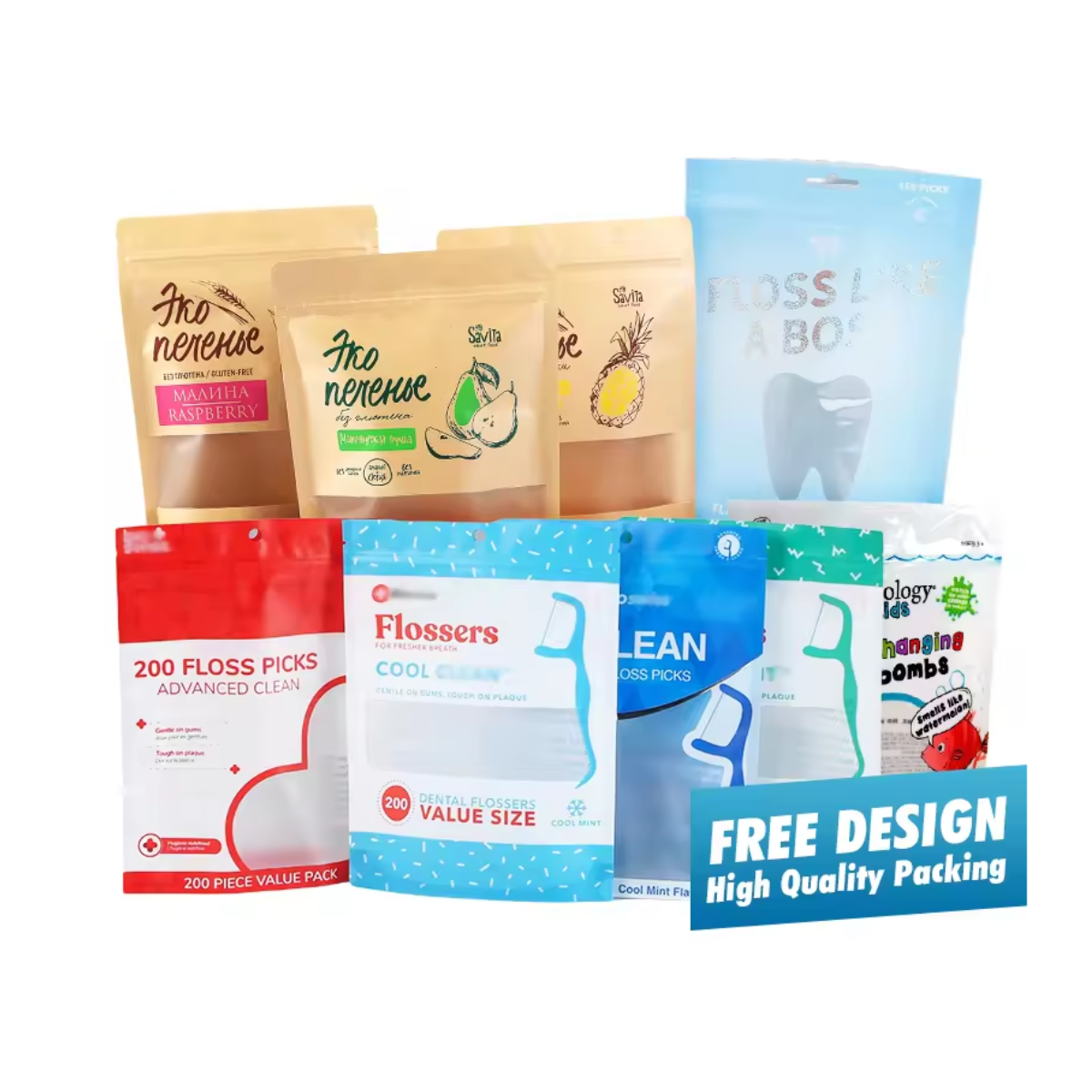
Sustainable Packaging Options: Eco-Friendly Solutions for Modern Business Success

Get a Free Quote

Our representative will contact you soon.
Email
Phone
Name
Company Name
Message
0/1000

sustainable packaging options

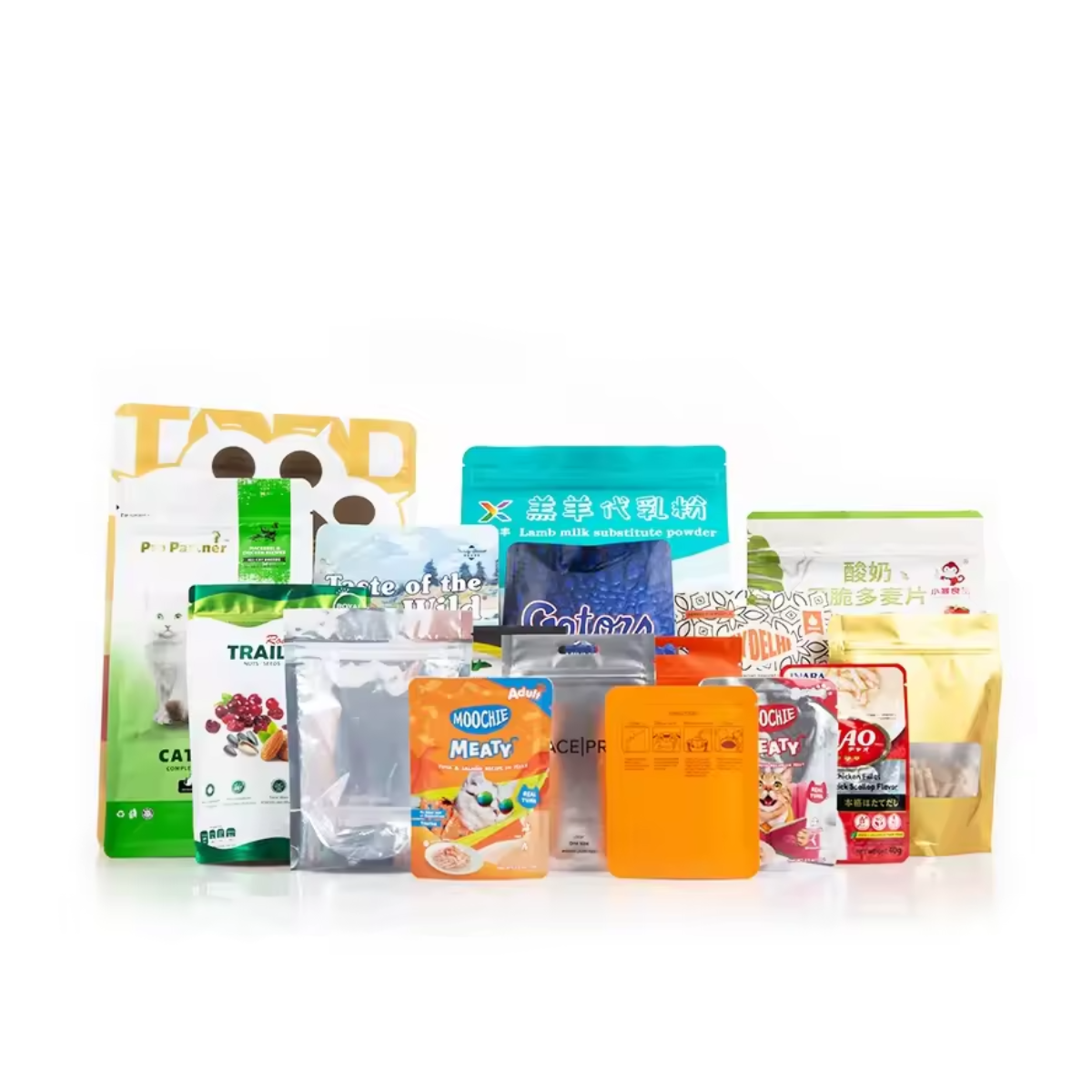
Sustainable packaging options represent a revolutionary approach to product protection and delivery that prioritizes environmental responsibility without compromising functionality. These innovative solutions encompass biodegradable materials, recyclable components, and renewable resource-based alternatives that significantly reduce ecological footprint. The main functions of sustainable packaging options include protecting products during transportation, extending shelf life, maintaining product integrity, and providing clear information to consumers while minimizing environmental impact. Key technological features include advanced barrier properties using plant-based polymers, compostable coatings derived from natural sources, water-based adhesives, and innovative molding techniques that eliminate harmful chemicals. Many sustainable packaging options incorporate cutting-edge nanotechnology to enhance strength and durability while maintaining biodegradability. Applications span across multiple industries including food and beverage, cosmetics, pharmaceuticals, electronics, and e-commerce. Food packaging utilizes materials like mushroom-based foam, seaweed films, and corn starch containers that naturally decompose. The cosmetics industry employs refillable containers, bamboo tubes, and recycled ocean plastic components. Pharmaceutical applications focus on child-resistant designs using sustainable materials that maintain product safety standards. Electronics packaging leverages molded pulp alternatives and plant-based protective inserts. E-commerce sectors increasingly adopt cardboard alternatives made from agricultural waste, hemp-based mailers, and reusable shipping containers. These sustainable packaging options meet stringent quality standards while offering superior performance characteristics. Advanced manufacturing processes ensure consistent quality, optimal barrier properties, and cost-effective production scales. The integration of smart technologies enables tracking and monitoring throughout the supply chain, enhancing transparency and accountability in sustainability claims.

New Products

Sustainable packaging options deliver substantial environmental benefits that directly translate into business advantages and consumer value. Companies implementing these solutions reduce their carbon footprint by up to 70 percent compared to traditional packaging methods, creating measurable positive environmental impact. This reduction stems from utilizing renewable materials that require less energy during production and generate fewer greenhouse gas emissions throughout their lifecycle. Businesses experience significant cost savings through optimized material usage, reduced waste disposal fees, and potential tax incentives for environmentally responsible practices. Many sustainable packaging options weigh considerably less than conventional alternatives, leading to decreased shipping costs and improved logistics efficiency. Consumer appeal increases dramatically as sustainability becomes a primary purchasing decision factor, with studies showing 73 percent of consumers willing to pay premium prices for environmentally responsible packaging. Brand reputation enhancement occurs naturally as companies demonstrate genuine commitment to environmental stewardship, attracting environmentally conscious customers and improving market positioning. Sustainable packaging options often provide superior protection qualities, reducing product damage during transportation and storage, which minimizes returns and increases customer satisfaction. Regulatory compliance becomes streamlined as governments worldwide implement stricter environmental regulations, positioning forward-thinking companies ahead of mandatory requirements. Supply chain resilience improves through diversified material sourcing, reducing dependence on petroleum-based products and volatile commodity markets. Employee engagement and retention rates increase as workers feel proud to contribute to meaningful environmental initiatives. Innovation opportunities expand as sustainable packaging options encourage creative problem-solving and technological advancement within organizations. Market differentiation becomes achievable as companies using sustainable packaging options stand out from competitors still relying on traditional methods. Risk mitigation occurs through reduced exposure to future environmental regulations and potential liability issues associated with non-biodegradable waste. Long-term profitability increases as sustainable practices create lasting competitive advantages and build stronger customer relationships based on shared values and environmental consciousness.

Latest News

How to Source High-Quality Plastic Packaging Bags for Food Manufacturing

13

Nov

How to Source High-Quality Plastic Packaging Bags for Food Manufacturing

Mastering Food-Grade Packaging Solutions for Manufacturers In today's competitive food manufacturing landscape, selecting the right plastic packaging bags can make or break your product's success. These essential components not only preserve food qua...
View More
How Is PE Film Used in Industrial and Food Packaging Applications

13

Nov

How Is PE Film Used in Industrial and Food Packaging Applications

Understanding the Versatility of Polyethylene Film in Modern Packaging Polyethylene (PE) film has revolutionized the packaging industry, emerging as an indispensable material for both industrial and food packaging applications. This versatile materia...
View More
How Does PE Film Contribute to Food Safety and Preservation

13

Nov

How Does PE Film Contribute to Food Safety and Preservation

Understanding the Revolutionary Impact of Polyethylene Films in Food Protection In today's global food industry, ensuring the safety and longevity of food products has become more crucial than ever. PE film has emerged as a groundbreaking solution th...
View More
What Are the Key Differences Between Foil and Mylar Bags

13

Nov

What Are the Key Differences Between Foil and Mylar Bags

When it comes to packaging solutions that offer superior protection and preservation, understanding the distinctions between different materials becomes crucial for businesses and consumers alike. The packaging industry has evolved significantly, pre...
View More

Get a Free Quote

Our representative will contact you soon.
Email
Phone
Name
Company Name
Message
0/1000

sustainable packaging options

Revolutionary Biodegradable Material Technology

Revolutionary Biodegradable Material Technology

The cornerstone of modern sustainable packaging options lies in revolutionary biodegradable material technology that transforms how products are protected and presented to consumers. This groundbreaking innovation utilizes advanced polymer science to create packaging materials that completely decompose within 90 to 180 days under proper composting conditions, leaving no harmful residues or microplastics in the environment. The technology combines natural polymers like polylactic acid derived from corn starch, polyhydroxyalkanoates produced by bacterial fermentation, and cellulose-based compounds extracted from agricultural waste. These materials undergo sophisticated processing techniques that enhance their structural integrity while maintaining complete biodegradability. The manufacturing process involves precision molecular engineering that optimizes barrier properties, ensuring products remain fresh and protected throughout their intended shelf life. Advanced testing protocols verify decomposition rates under various environmental conditions, guaranteeing consistent performance across different climates and disposal methods. This technology addresses the critical challenge of plastic pollution by providing packaging solutions that naturally integrate back into ecological systems without causing environmental harm. Companies adopting this biodegradable material technology gain significant competitive advantages through reduced environmental liability, enhanced brand reputation, and improved consumer trust. The cost-effectiveness of these materials continues improving as production scales increase and manufacturing processes become more efficient. Quality control measures ensure consistent performance standards that match or exceed traditional packaging requirements while delivering superior environmental benefits. Research and development investments drive continuous improvements in strength, flexibility, and barrier properties, expanding applications across diverse product categories. The versatility of biodegradable material technology enables customization for specific product requirements, from lightweight food containers to robust protective packaging for electronics and pharmaceuticals.
Circular Economy Integration and Zero Waste Solutions

Circular Economy Integration and Zero Waste Solutions

Sustainable packaging options excel through comprehensive circular economy integration that creates zero waste solutions benefiting businesses, consumers, and environmental systems. This approach fundamentally redesigns packaging lifecycles to eliminate waste generation by ensuring every material component serves multiple purposes or seamlessly transitions into new products after initial use. The circular model encompasses design for disassembly, material recovery systems, and regenerative manufacturing processes that continuously cycle resources without degradation or loss. Advanced sorting technologies enable precise separation of different material components, facilitating efficient recycling and upcycling processes that maintain material quality and performance characteristics. Collaborative partnerships between manufacturers, retailers, and waste management companies create integrated systems that capture and process used packaging materials, transforming them into high-quality inputs for new production cycles. Consumer engagement programs educate users about proper disposal methods and provide convenient collection points that maximize material recovery rates. Digital tracking systems monitor material flows throughout the circular system, providing transparency and accountability while optimizing collection and processing efficiency. Economic incentives encourage participation through deposit return programs, loyalty rewards, and cost savings that make circular economy participation financially attractive for consumers. Innovation drivers within circular economy integration include modular design concepts that allow packaging components to be easily separated and reconfigured for different applications. The zero waste approach eliminates traditional end-of-life disposal costs while creating new revenue streams through material sales and service offerings. Quality assurance protocols ensure recycled materials meet stringent performance standards for food safety, product protection, and regulatory compliance. Long-term sustainability benefits include reduced raw material consumption, decreased manufacturing energy requirements, and minimized environmental impact across entire product lifecycles, creating lasting value for all stakeholders.
Smart Technology Integration for Enhanced Performance

Smart Technology Integration for Enhanced Performance

Smart technology integration elevates sustainable packaging options beyond basic environmental benefits by incorporating intelligent features that optimize performance, enhance user experience, and provide valuable data insights throughout the product lifecycle. This technological advancement combines Internet of Things sensors, QR code systems, and blockchain tracking capabilities that transform packaging from passive containers into active information and monitoring systems. Temperature sensors embedded within sustainable packaging materials continuously monitor product conditions during transportation and storage, automatically alerting stakeholders when optimal conditions are exceeded and potential quality issues may arise. Humidity control systems utilize smart materials that respond to environmental changes, actively maintaining optimal product conditions without requiring external power sources or complex mechanical components. Interactive consumer interfaces through smartphone-compatible NFC chips provide instant access to product information, sustainability credentials, usage instructions, and recycling guidance, enhancing consumer engagement and education. Blockchain integration creates immutable records of packaging material origins, manufacturing processes, transportation routes, and end-of-life disposal, ensuring complete supply chain transparency and authenticity verification. Real-time tracking capabilities enable precise inventory management, reduce loss rates, and optimize logistics efficiency while maintaining sustainability commitments. Predictive analytics algorithms analyze sensor data to forecast optimal replacement timing, prevent product spoilage, and minimize waste generation through proactive management. Quality assurance monitoring detects tampering attempts, contamination risks, and structural integrity issues, ensuring product safety and consumer confidence. Data collection and analysis provide valuable insights into consumer behavior patterns, disposal practices, and packaging performance metrics that drive continuous improvement initiatives. Integration compatibility ensures smart features work seamlessly with existing supply chain systems, retail infrastructure, and consumer devices without requiring significant additional investments. The technology platform supports scalable implementation across different product categories and market segments while maintaining cost-effectiveness and sustainability principles that define modern packaging solutions.
Sustainable Packaging Options: Eco-Friendly Solutions for Modern Business Success

Get a Free Quote

Our representative will contact you soon.
Email
Phone
Name
Company Name
Message
0/1000