Brand Consistency Packaging Solutions - Professional Design & Quality Systems

Get a Free Quote

Our representative will contact you soon.
Email
Mobile
Name
Company Name
Message
0/1000

brand consistency packaging

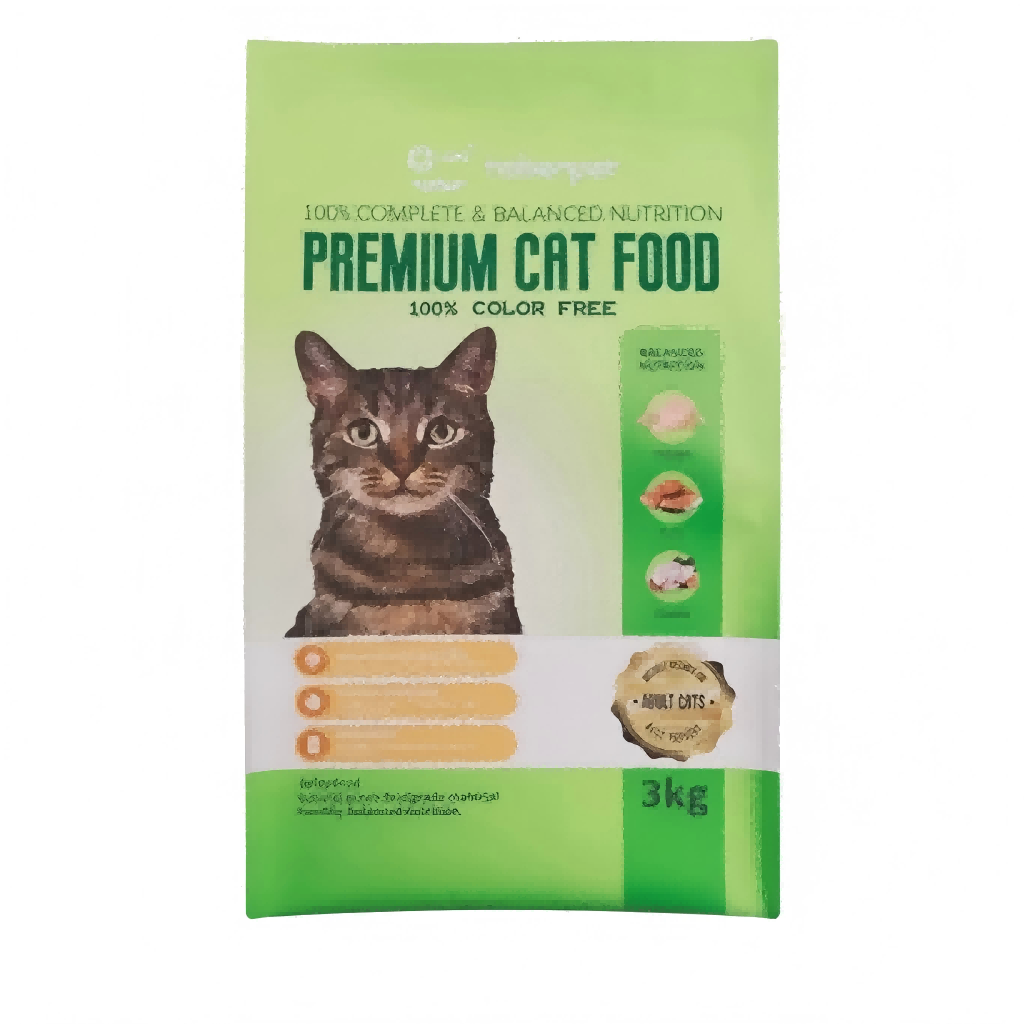
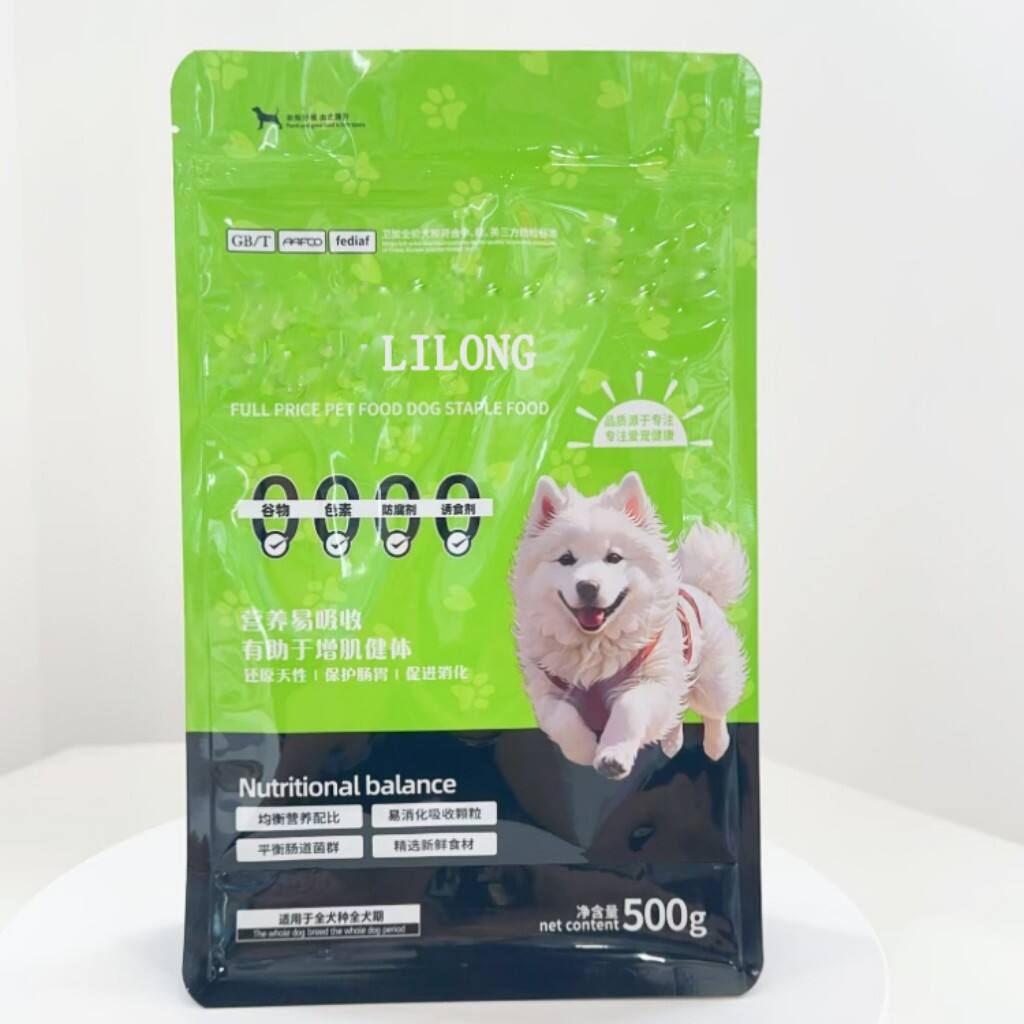
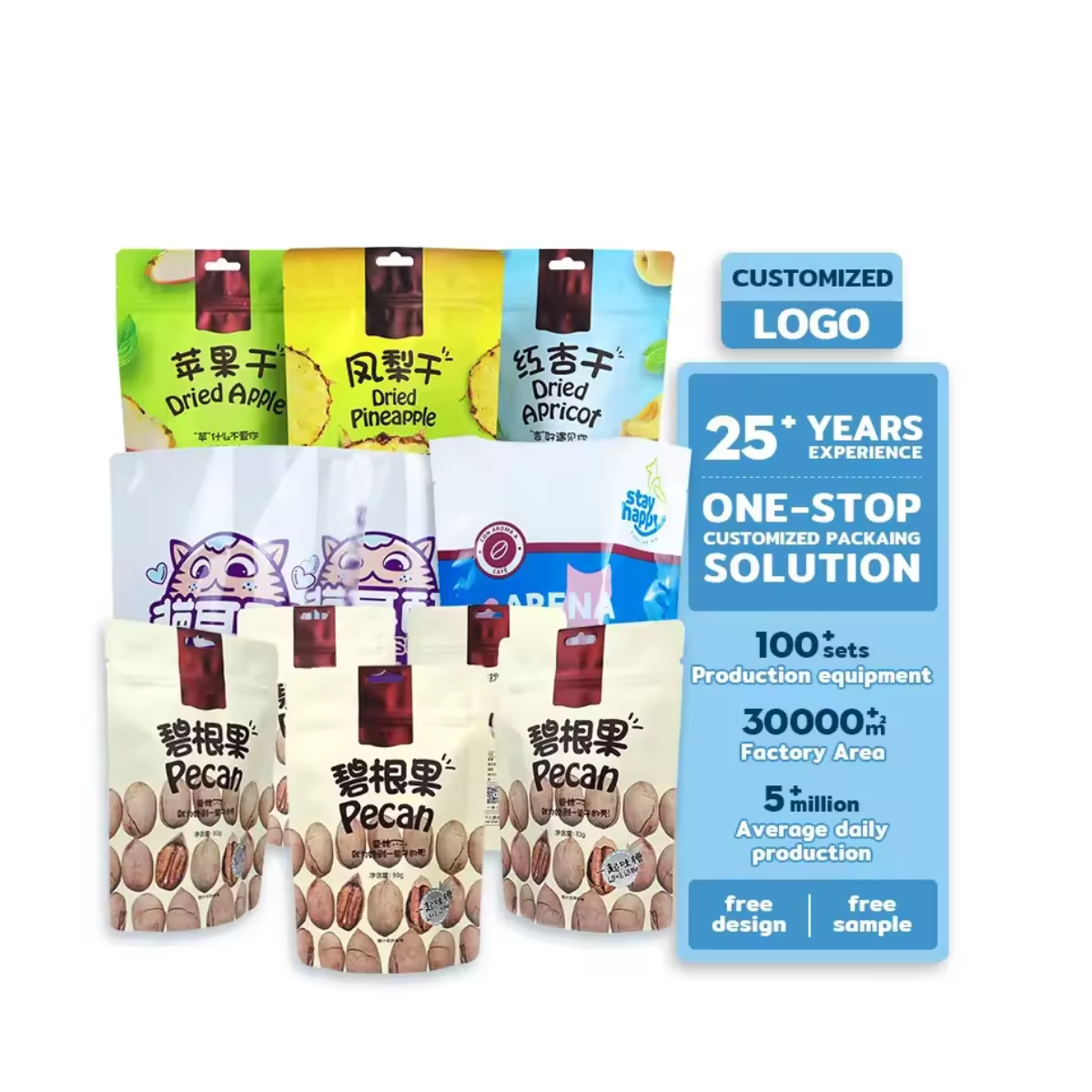
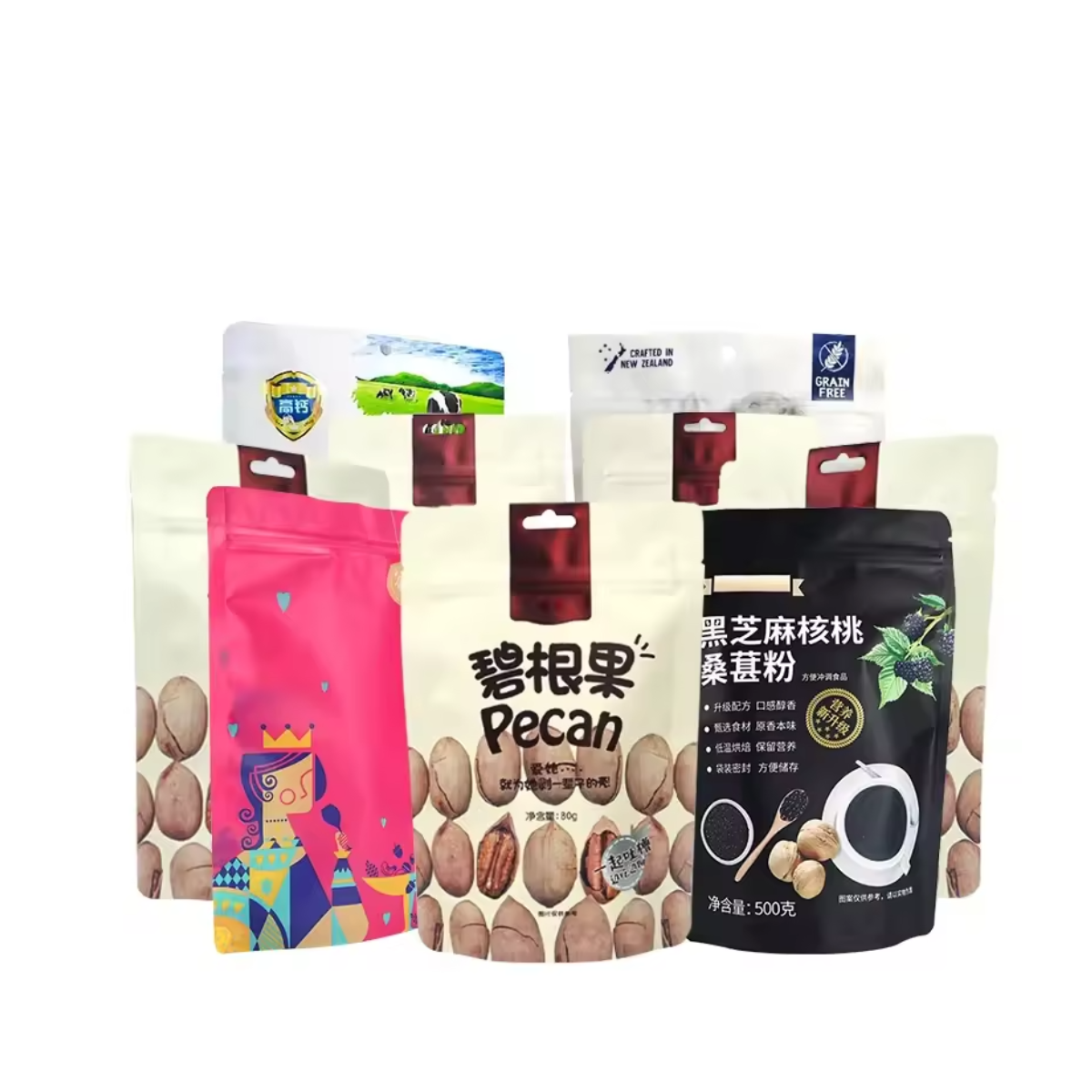
Brand consistency packaging represents a comprehensive approach to product presentation that maintains uniform visual identity across all packaging materials and touchpoints. This strategic packaging solution ensures that every package, from primary containers to shipping boxes, reflects the same design principles, color schemes, typography, and brand messaging. The primary function of brand consistency packaging extends beyond mere protection of products to serve as a powerful marketing tool that reinforces brand recognition and builds consumer trust. Modern brand consistency packaging incorporates advanced design technologies including digital printing capabilities, color-matching systems, and standardized template frameworks that enable seamless reproduction across different materials and manufacturing processes. The technological features encompass sophisticated color management systems that ensure precise color reproduction across various substrates, whether plastic, cardboard, glass, or metal. Additionally, these packaging systems utilize modular design components that allow for scalable implementation across product lines while maintaining visual coherence. Quality control mechanisms integrated into brand consistency packaging include automated inspection systems that verify color accuracy, print quality, and design alignment before packages reach consumers. Applications of brand consistency packaging span multiple industries including food and beverage, cosmetics, pharmaceuticals, electronics, and retail products. Companies utilize this packaging approach for product launches, seasonal campaigns, promotional activities, and long-term brand building initiatives. The system accommodates various packaging formats including bottles, boxes, pouches, labels, and promotional materials, ensuring that brand identity remains constant regardless of the packaging medium. Implementation involves collaboration between brand managers, design teams, packaging engineers, and manufacturing partners to establish comprehensive guidelines that govern every aspect of package appearance and functionality.

New Products

Brand consistency packaging delivers substantial competitive advantages that directly impact business performance and customer relationships. Companies implementing consistent packaging strategies experience enhanced brand recognition rates, with studies showing up to 80 percent improvement in consumer recall when packages maintain uniform visual elements across product lines. This recognition translates into increased sales velocity as customers quickly identify trusted brands on crowded retail shelves. The streamlined design process inherent in brand consistency packaging reduces development costs by eliminating the need to create unique designs for each product variant. Instead, companies leverage established templates and design systems, cutting design time by approximately 60 percent while ensuring professional results. Manufacturing efficiency improves significantly through standardized specifications that reduce setup times, minimize material waste, and enable bulk purchasing of common packaging components. Quality control becomes more manageable when packages follow consistent parameters, reducing inspection time and improving accuracy in detecting deviations from brand standards. Customer trust builds naturally when consumers encounter consistent packaging experiences that meet their expectations every time they purchase products. This reliability factor contributes to higher customer retention rates and increased lifetime value per customer. Marketing campaigns become more effective when supported by consistent packaging that reinforces advertising messages and brand positioning. The unified appearance creates stronger shelf impact and improves product differentiation from competitors who may lack cohesive packaging strategies. Supply chain management benefits from simplified inventory systems when packaging components share common elements across multiple products. This standardization reduces storage requirements, minimizes ordering complexity, and decreases the risk of packaging shortages that could disrupt production schedules. International expansion becomes easier with brand consistency packaging as companies can maintain their visual identity across different markets while adapting specific elements to meet local regulations or cultural preferences. The professional appearance associated with consistent packaging enhances perceived product quality and justifies premium pricing strategies that improve profit margins.

Tips And Tricks

What Are the Key Factors That Affect Packing Bag Durability

25

Feb

What Are the Key Factors That Affect Packing Bag Durability

When businesses invest in packaging solutions, one of the most critical considerations is ensuring optimal packing bag durability for their products. The longevity and strength of packaging materials directly impact product protection, customer satis...
View More
What Features Make Pet Food Packaging More Convenient for Consumers

24

Mar

What Features Make Pet Food Packaging More Convenient for Consumers

Modern pet food packaging convenience directly impacts consumer purchasing decisions and brand loyalty in today's competitive market. Pet owners increasingly demand packaging solutions that simplify storage, preserve freshness, and enhance daily feed...
View More
What Role Does Packaging Design Play in Pet Food Branding

23

Apr

What Role Does Packaging Design Play in Pet Food Branding

In the competitive pet food industry, where consumers make split-second decisions in crowded retail aisles, packaging design serves as the primary ambassador for your brand. The visual elements, structural integrity, and functional features of pet fo...
View More
Tips for Choosing Durable and Cost-Effective Coffee Packaging

23

Apr

Tips for Choosing Durable and Cost-Effective Coffee Packaging

Selecting the right coffee packaging is a critical decision that directly impacts product freshness, brand perception, and operational costs. With the global coffee market demanding premium quality and extended shelf life, choosing durable and cost-e...
View More

Get a Free Quote

Our representative will contact you soon.
Email
Mobile
Name
Company Name
Message
0/1000

brand consistency packaging

Advanced Color Management Technology

Advanced Color Management Technology

Brand consistency packaging incorporates cutting-edge color management technology that ensures precise color reproduction across all packaging materials and production runs. This sophisticated system utilizes spectrophotometric analysis to create detailed color profiles for every brand color, establishing exact specifications that manufacturers can replicate regardless of substrate or printing method. The technology includes automated color matching software that compensates for variations in paper types, inks, and printing conditions to maintain consistent appearance across different production facilities and time periods. Quality assurance protocols built into the color management system include real-time monitoring during production runs, with automated alerts when colors deviate beyond acceptable tolerances. This prevents costly reprints and ensures that every package leaving the production line meets exact brand standards. The system accommodates special color requirements such as metallic finishes, spot colors, and gradient effects while maintaining consistency across all applications. Digital color libraries store approved brand colors with mathematical precision, enabling instant access by authorized users worldwide and preventing unauthorized color modifications that could compromise brand integrity. Training programs associated with the color management technology ensure that production staff understand proper calibration procedures and quality control protocols. Regular maintenance schedules keep color measurement equipment operating at peak accuracy, while software updates incorporate the latest color science advances to improve matching capabilities. The technology also supports sustainability initiatives by optimizing ink usage and reducing waste from color matching errors. Documentation systems track color performance across all production runs, providing valuable data for continuous improvement and identifying trends that might indicate equipment maintenance needs. This comprehensive color management approach eliminates the guesswork from color reproduction and provides brands with confidence that their visual identity will remain consistent regardless of where or when their packaging is produced.
Scalable Design Template Framework

Scalable Design Template Framework

The scalable design template framework within brand consistency packaging provides companies with a flexible yet controlled system for maintaining visual unity across diverse product portfolios. This framework establishes a hierarchy of design elements that can be adapted to different package sizes, shapes, and product categories while preserving core brand identity. The template system includes primary design components such as logo placement guidelines, typography specifications, color usage rules, and imagery standards that serve as building blocks for all packaging applications. Secondary elements provide flexibility for product-specific information, promotional messages, and regulatory requirements without compromising the overall brand appearance. The framework accommodates seasonal variations and limited-edition products through predefined modification protocols that maintain brand recognition while allowing for creative expression. Digital asset management systems integrated into the template framework ensure that all authorized users access current design files and prevent the use of outdated or incorrect brand elements. Version control mechanisms track template modifications and maintain audit trails that document all changes to design standards. The scalable nature of the framework enables rapid deployment of new products or package variations, reducing time-to-market by eliminating the need for extensive design development for each new item. International applications benefit from template flexibility that accommodates different languages, regulatory requirements, and cultural considerations while maintaining core brand identity. Training modules within the framework help internal teams and external partners understand proper template usage and modification procedures. Quality control checkpoints built into the template system flag potential brand compliance issues before packages enter production. The framework also supports cost optimization by standardizing certain design elements that can be produced in bulk, reducing per-unit packaging costs. Regular framework reviews ensure that design templates remain current with brand evolution and market trends while maintaining the consistency that customers expect from trusted brands.
Integrated Quality Assurance Systems

Integrated Quality Assurance Systems

Brand consistency packaging employs comprehensive integrated quality assurance systems that monitor every aspect of package production to ensure unwavering adherence to brand standards. These systems combine automated inspection technologies with human oversight to create multiple checkpoints throughout the production process that verify color accuracy, print quality, structural integrity, and design compliance. Machine vision systems equipped with high-resolution cameras capture detailed images of packages during production runs and compare them against approved samples using sophisticated pattern recognition algorithms. Any deviations from established parameters trigger immediate alerts that allow production teams to address issues before defective packages can be distributed. The quality assurance systems maintain detailed databases of approved package samples that serve as references for all production facilities worldwide. These digital standards include precise measurements for design placement, color specifications, and material properties that production teams can access instantly. Statistical process control protocols track quality metrics over time and identify trends that might indicate equipment maintenance needs or process improvements. Supplier qualification programs ensure that all packaging materials meet specific quality standards before entering the production process. Regular audits of production facilities verify that quality assurance procedures are followed consistently and that equipment calibration meets required specifications. Training programs for quality control personnel emphasize the importance of brand consistency and provide specific guidance for identifying potential quality issues. Documentation systems create comprehensive records of quality control activities that support continuous improvement initiatives and provide traceability for any quality concerns. The integrated systems also support sustainability goals by reducing waste from quality rejections and optimizing material usage through precise process control. Customer feedback mechanisms built into the quality assurance framework capture real-world performance data that helps refine quality standards and prevent future issues. These comprehensive quality assurance measures provide brands with confidence that every package meeting consumers will accurately represent their brand identity and meet their quality expectations.
Brand Consistency Packaging Solutions - Professional Design & Quality Systems

Get a Free Quote

Our representative will contact you soon.
Email
Mobile
Name
Company Name
Message
0/1000