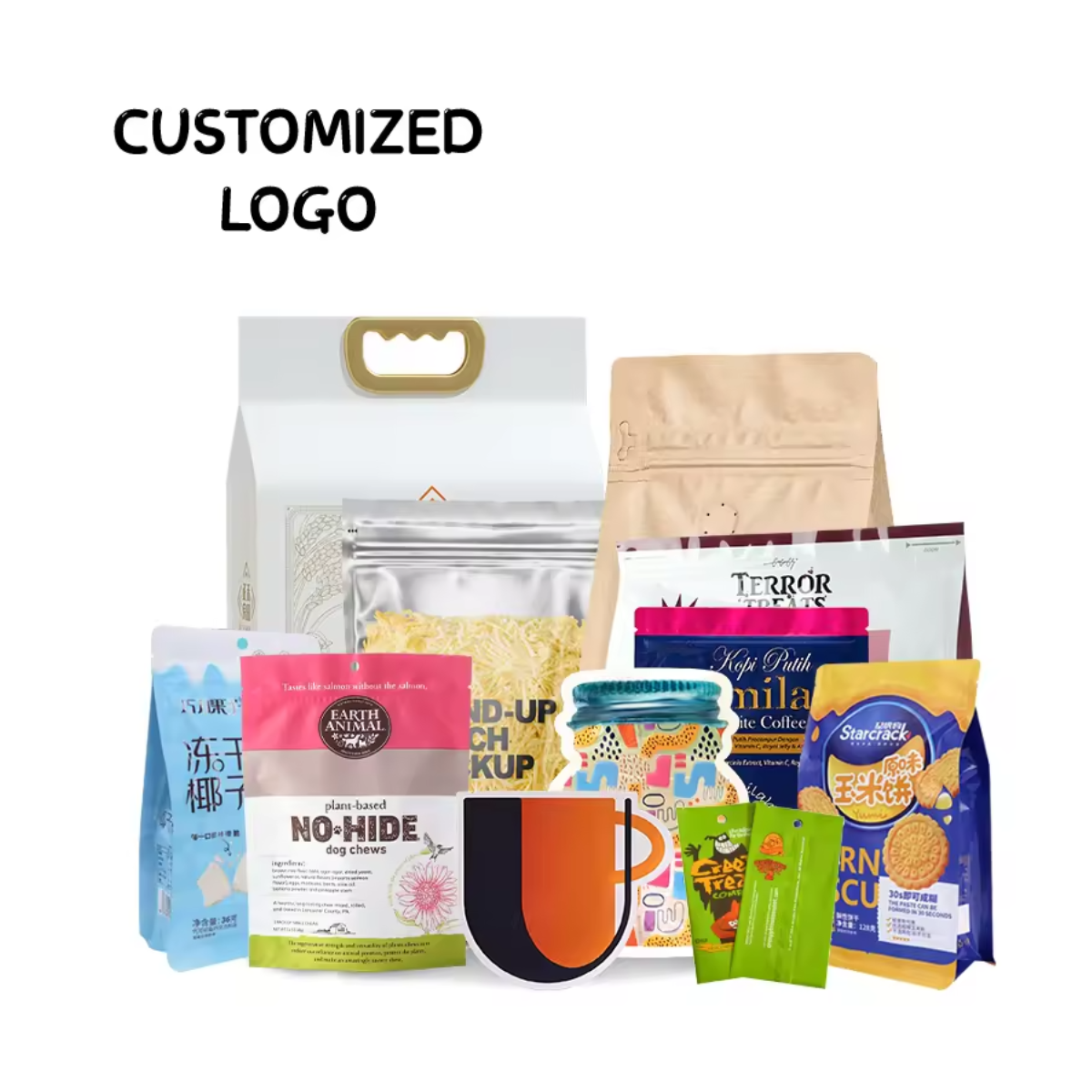
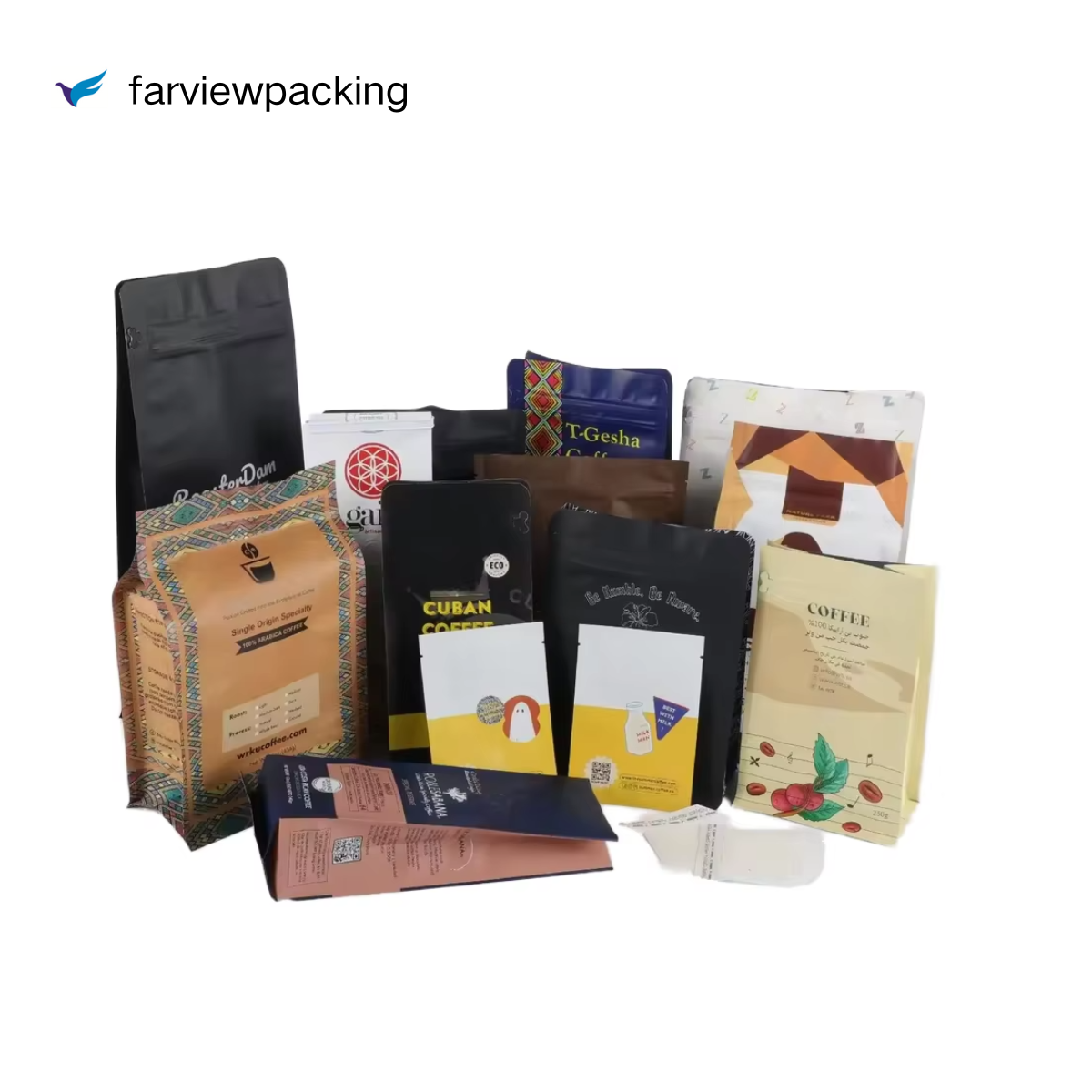
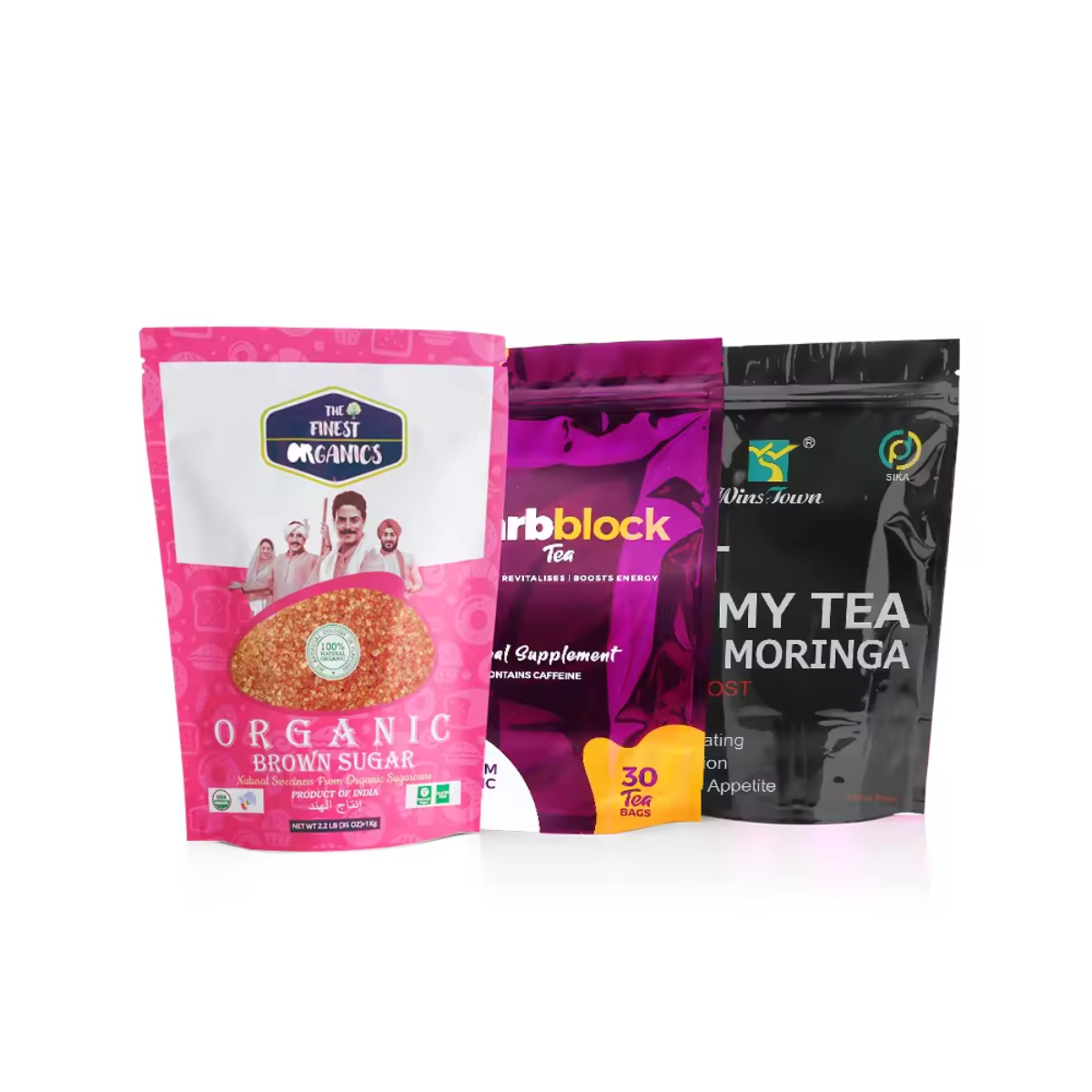
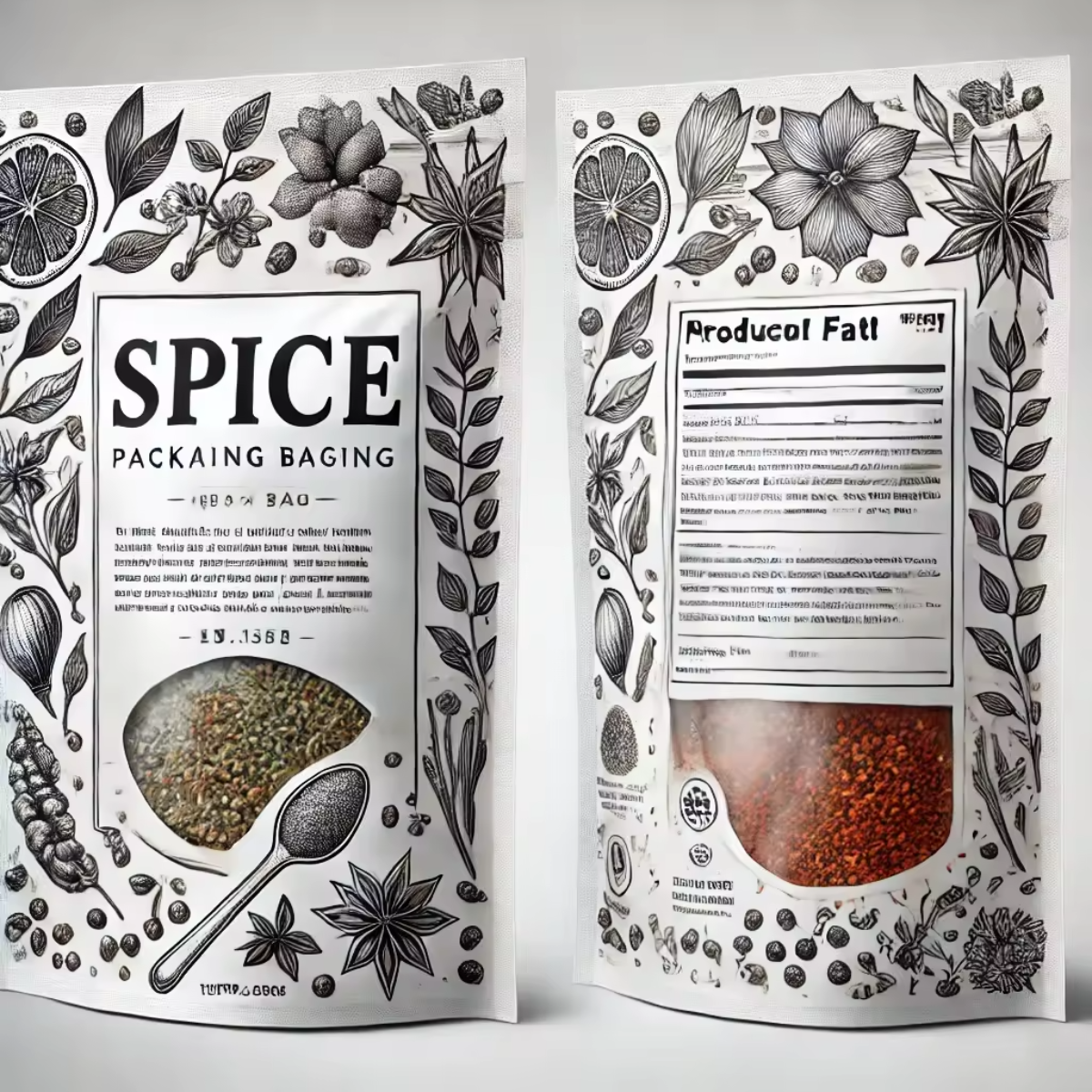
Premium Foodsafe Packaging Solutions: Advanced Protection Technology for Food Safety and Freshness

Get a Free Quote

Our representative will contact you soon.
Email
Mobile
Name
Company Name
Message
0/1000

foodsafe packaging

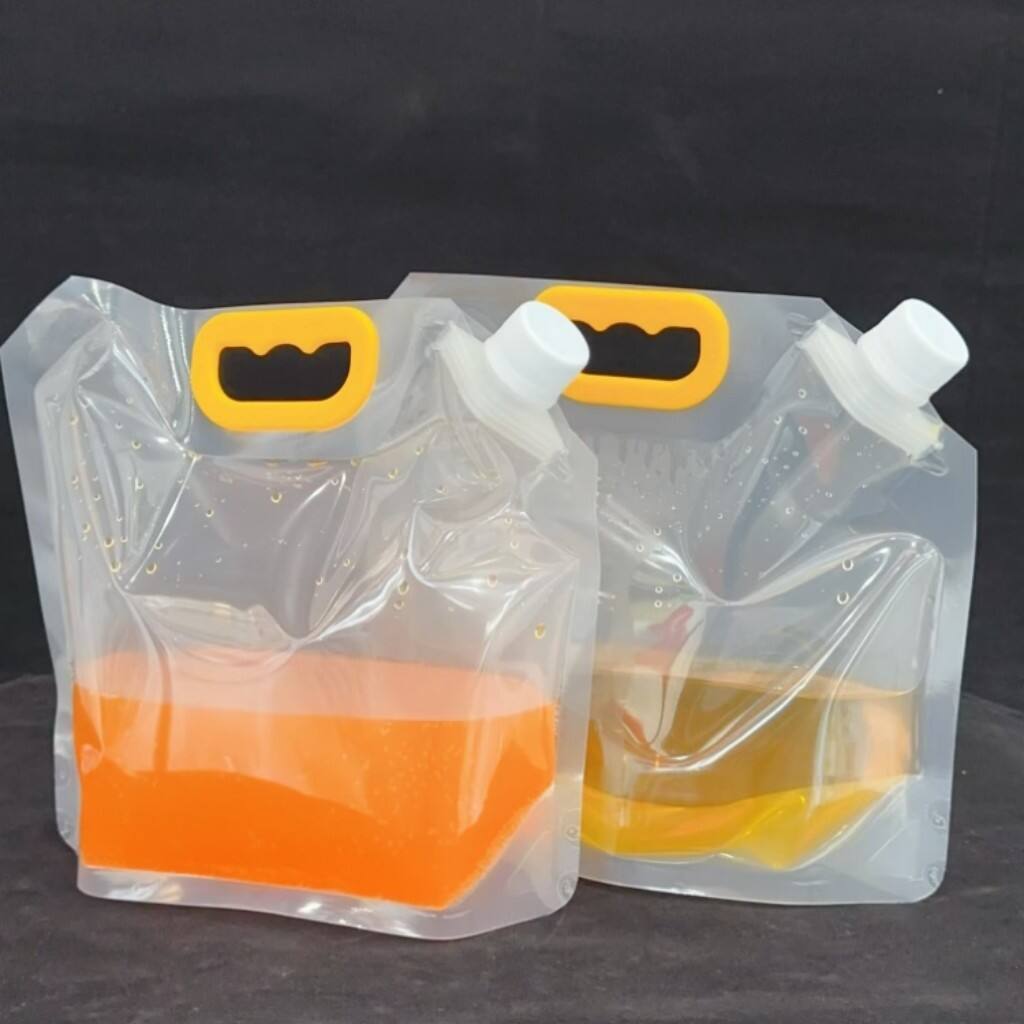
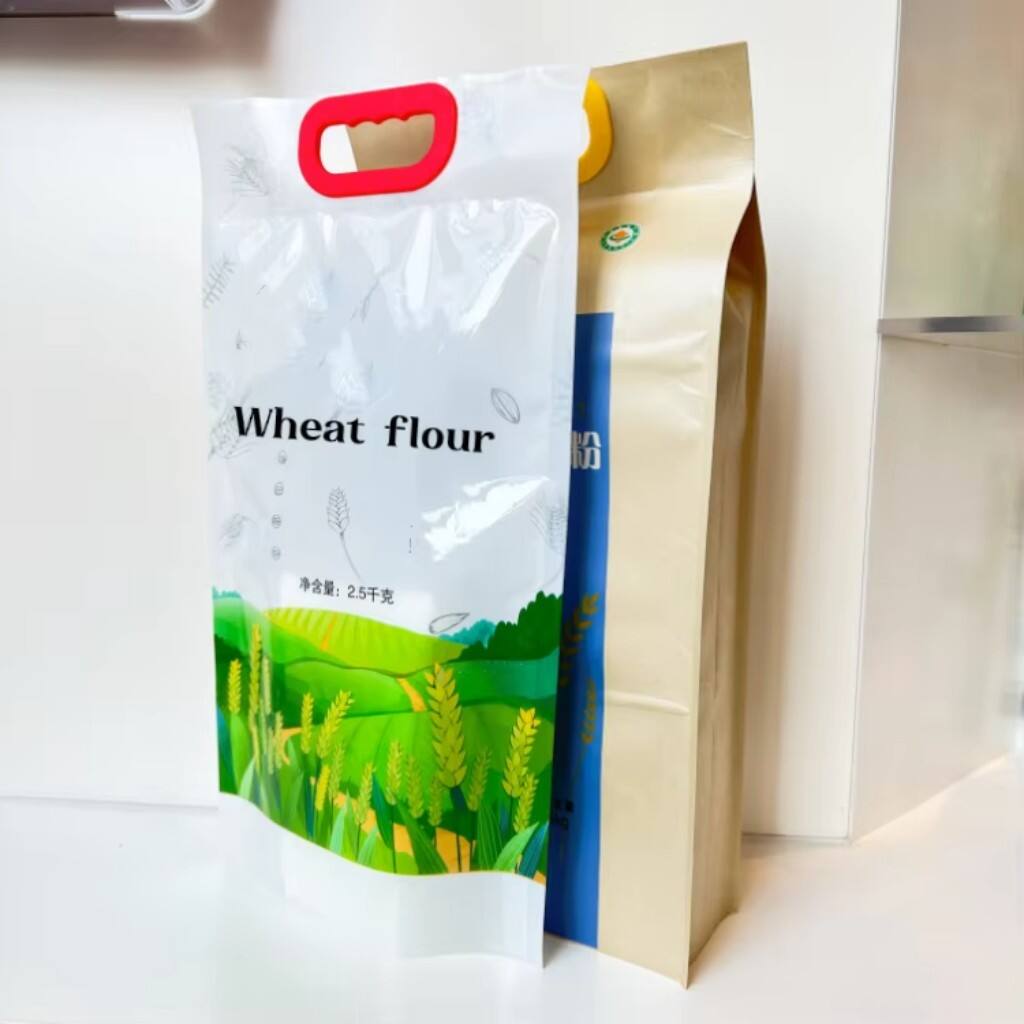
Foodsafe packaging represents a critical innovation in the food industry, designed to maintain product integrity while ensuring consumer safety throughout the entire supply chain. This specialized packaging system incorporates advanced materials and technologies that create protective barriers against contamination, moisture, oxygen, and other environmental factors that can compromise food quality. The primary functions of foodsafe packaging include extending shelf life, preventing bacterial growth, maintaining nutritional value, and preserving taste and texture of food products. Modern foodsafe packaging utilizes cutting-edge barrier technologies, including multi-layer films, oxygen absorbers, and antimicrobial coatings that work synergistically to create an optimal preservation environment. These technological features enable manufacturers to reduce food waste significantly while providing consumers with fresher, safer products. The applications of foodsafe packaging span across numerous food categories, from fresh produce and dairy products to processed foods and beverages. In the meat industry, vacuum-sealed foodsafe packaging prevents oxidation and bacterial contamination, while in the bakery sector, modified atmosphere packaging maintains product freshness for extended periods. The pharmaceutical-grade materials used in foodsafe packaging comply with stringent regulatory standards set by organizations such as the FDA and EFSA, ensuring that no harmful substances migrate into food products. Temperature-resistant properties allow foodsafe packaging to withstand various storage conditions, from refrigeration to ambient temperatures, making it versatile for different distribution channels. The integration of smart packaging technologies, including time-temperature indicators and freshness sensors, provides real-time information about product quality, empowering both retailers and consumers to make informed decisions. This comprehensive approach to food protection makes foodsafe packaging an indispensable component of modern food safety protocols.

New Product Releases

The advantages of foodsafe packaging deliver substantial benefits that directly impact both businesses and consumers in measurable ways. First, foodsafe packaging dramatically extends product shelf life by creating optimal storage conditions that slow down deterioration processes. This extension translates into reduced food waste, which saves money for retailers and provides consumers with fresher products that last longer at home. The barrier properties prevent oxygen and moisture from entering packages, which stops the growth of harmful bacteria and mold that cause foodborne illnesses. This protection gives families peace of mind knowing their food remains safe to consume for extended periods. Cost savings represent another significant advantage, as businesses reduce losses from spoiled inventory while consumers get better value from products that maintain quality longer. The lightweight nature of modern foodsafe packaging reduces transportation costs and environmental impact compared to traditional packaging methods. Advanced sealing technologies ensure packages remain intact during shipping and handling, preventing leaks and contamination that could damage entire shipments. Temperature stability allows products to maintain quality across various storage conditions, from warehouse facilities to home refrigerators, without requiring specialized handling equipment. Easy-open features and resealable options provide convenience for consumers while maintaining product integrity after initial opening. The transparency of many foodsafe packaging materials allows visual inspection of products, building consumer confidence and enabling quality control throughout the supply chain. Regulatory compliance built into foodsafe packaging eliminates concerns about meeting safety standards, reducing liability risks for manufacturers and distributors. The versatility of foodsafe packaging accommodates various product types and sizes, from individual portions to bulk quantities, meeting diverse market needs. Environmental benefits emerge through reduced food waste and optimized material usage, supporting sustainability goals while maintaining product safety. These practical advantages make foodsafe packaging an essential investment for anyone serious about food quality and safety.

Tips And Tricks

How to Choose Between Zip and Heat Seal Bags for Products

24

Mar

How to Choose Between Zip and Heat Seal Bags for Products

Selecting the right packaging solution for your products requires careful consideration of multiple factors that directly impact product protection, consumer experience, and operational efficiency. The choice between zip and heat seal bags represents...
View More
Choosing the Right Aluminum Foil Packaging Bags for Large-Scale Operations

23

Apr

Choosing the Right Aluminum Foil Packaging Bags for Large-Scale Operations

Large-scale manufacturing and distribution operations face critical packaging decisions that directly impact product quality, operational efficiency, and bottom-line profitability. When handling thousands or millions of units daily, the choice of alu...
View More
How Coffee Packaging Can Help Businesses Maintain Freshness in Bulk Orders

23

Apr

How Coffee Packaging Can Help Businesses Maintain Freshness in Bulk Orders

Maintaining coffee freshness in bulk orders presents a critical challenge for businesses in the coffee industry, from roasters to distributors to commercial buyers. The quality deterioration that occurs when coffee is exposed to oxygen, moisture, lig...
View More
How Food Packaging Bags Support Efficient Bulk Distribution

23

Apr

How Food Packaging Bags Support Efficient Bulk Distribution

Modern bulk food distribution faces mounting pressure to deliver products efficiently while maintaining quality, freshness, and cost-effectiveness throughout the supply chain. Food packaging bags have emerged as the cornerstone solution for companies...
View More

Get a Free Quote

Our representative will contact you soon.
Email
Mobile
Name
Company Name
Message
0/1000

foodsafe packaging

Advanced Barrier Technology for Maximum Protection

Advanced Barrier Technology for Maximum Protection

The advanced barrier technology in foodsafe packaging represents a revolutionary approach to food preservation that goes far beyond traditional packaging methods. This sophisticated system employs multiple protective layers that work together to create an impenetrable shield against external contaminants and environmental factors. The multi-layer structure typically consists of specialized polymers, aluminum foils, and barrier coatings that each serve specific protective functions. The outer layer provides mechanical strength and puncture resistance, ensuring packages remain intact during handling and transportation. The middle barrier layer prevents gas exchange, blocking oxygen that causes oxidation and rancidity while keeping beneficial gases inside modified atmosphere packages. The inner food-contact layer uses materials specifically designed for direct food contact, meeting strict safety regulations while maintaining chemical stability. Oxygen transmission rates in premium foodsafe packaging can be reduced to nearly zero, effectively stopping aerobic bacterial growth and extending product freshness by weeks or months. Moisture barrier properties prevent water vapor transmission that leads to texture changes, mold growth, and nutrient degradation in sensitive products. The technology also incorporates selective permeability features that allow beneficial processes to continue while blocking harmful elements. For example, some foodsafe packaging permits carbon dioxide release from fresh produce while preventing oxygen ingress, maintaining optimal atmospheric conditions for extended freshness. Anti-microbial additives integrated into barrier layers provide additional protection against bacterial contamination without affecting food taste or safety. The precision engineering of these barriers ensures consistent performance across temperature fluctuations and storage conditions, maintaining effectiveness from production facilities to consumer kitchens. This comprehensive protection system reduces the need for chemical preservatives in many food products, supporting clean label initiatives while delivering superior preservation results that traditional packaging cannot match.
Smart Integration Features for Enhanced Safety

Smart Integration Features for Enhanced Safety

Smart integration features in foodsafe packaging transform traditional containers into intelligent monitoring systems that provide real-time information about product condition and safety status. These innovative technologies incorporate sensors, indicators, and communication systems that track critical parameters throughout the product lifecycle. Time-temperature indicators change color or pattern when products experience temperature abuse, immediately alerting handlers to potential quality issues before they become food safety problems. Freshness sensors detect specific compounds released during food deterioration, providing accurate information about product condition that goes beyond expiration dates. Oxygen indicators reveal package integrity by showing when barrier properties have been compromised, enabling quick identification of damaged packages before distribution. RFID and NFC technologies embedded in foodsafe packaging enable supply chain tracking and authentication, preventing counterfeiting while providing detailed product history information. These smart features communicate wirelessly with smartphones and scanning systems, allowing instant access to product data, handling instructions, and safety alerts. Tamper-evident technologies integrate seamlessly with smart features, providing both physical and digital evidence of package integrity from manufacturing to final consumption. The data collected by these systems helps optimize storage conditions, improve inventory management, and reduce waste through better demand forecasting. Machine-readable codes combined with smart features enable automated quality control systems that can identify and remove compromised products before they reach consumers. Interactive elements allow consumers to access additional information about products, including sourcing details, nutritional information, and preparation suggestions, enhancing the overall user experience. Predictive algorithms analyze sensor data to forecast remaining shelf life with greater accuracy than traditional dating methods, enabling dynamic pricing strategies and waste reduction programs. These intelligent systems also facilitate rapid response during food safety incidents by providing precise tracking information that helps identify affected products quickly and accurately.
Environmental Sustainability and Resource Optimization

Environmental Sustainability and Resource Optimization

Environmental sustainability in foodsafe packaging delivers significant ecological benefits while maintaining superior product protection through innovative material science and design optimization. Modern foodsafe packaging utilizes bio-based and recyclable materials that reduce environmental impact without compromising food safety performance. Advanced material engineering creates thinner, lighter packages that use fewer raw materials while providing equal or better protection than traditional alternatives. This material optimization reduces transportation emissions by decreasing package weight and enabling more efficient shipping configurations. Biodegradable components in foodsafe packaging break down safely in appropriate disposal systems, reducing long-term environmental accumulation while maintaining food safety during the intended use period. Recycling compatibility ensures that used packages can be processed through existing waste management systems, supporting circular economy principles and reducing landfill burden. The extended shelf life provided by foodsafe packaging significantly reduces food waste, which represents one of the most impactful environmental benefits available to the food industry. Every day of extended freshness prevents tons of food from entering waste streams, reducing methane emissions from decomposing organic matter in landfills. Water conservation benefits emerge through reduced need for food production replacement, as each preserved meal represents saved irrigation water, processing water, and cleaning water throughout the agricultural supply chain. Energy savings accumulate through reduced food production needs, transportation requirements, and waste processing demands, creating a comprehensive sustainability profile that extends far beyond the package itself. Renewable energy integration in foodsafe packaging manufacturing facilities further reduces carbon footprint while maintaining production quality and efficiency. Local sourcing strategies for packaging materials minimize transportation impacts while supporting regional economies and reducing supply chain vulnerabilities. Life cycle assessments consistently demonstrate that environmental costs of advanced foodsafe packaging are offset multiple times by the environmental benefits of reduced food waste and optimized resource utilization throughout the entire food system.
Premium Foodsafe Packaging Solutions: Advanced Protection Technology for Food Safety and Freshness

Get a Free Quote

Our representative will contact you soon.
Email
Mobile
Name
Company Name
Message
0/1000