Compostable Packaging Solutions: Eco-Friendly Protection for Sustainable Business Growth

Get a Free Quote

Our representative will contact you soon.
Email
Phone
Name
Company Name
Message
0/1000

compostable packaging

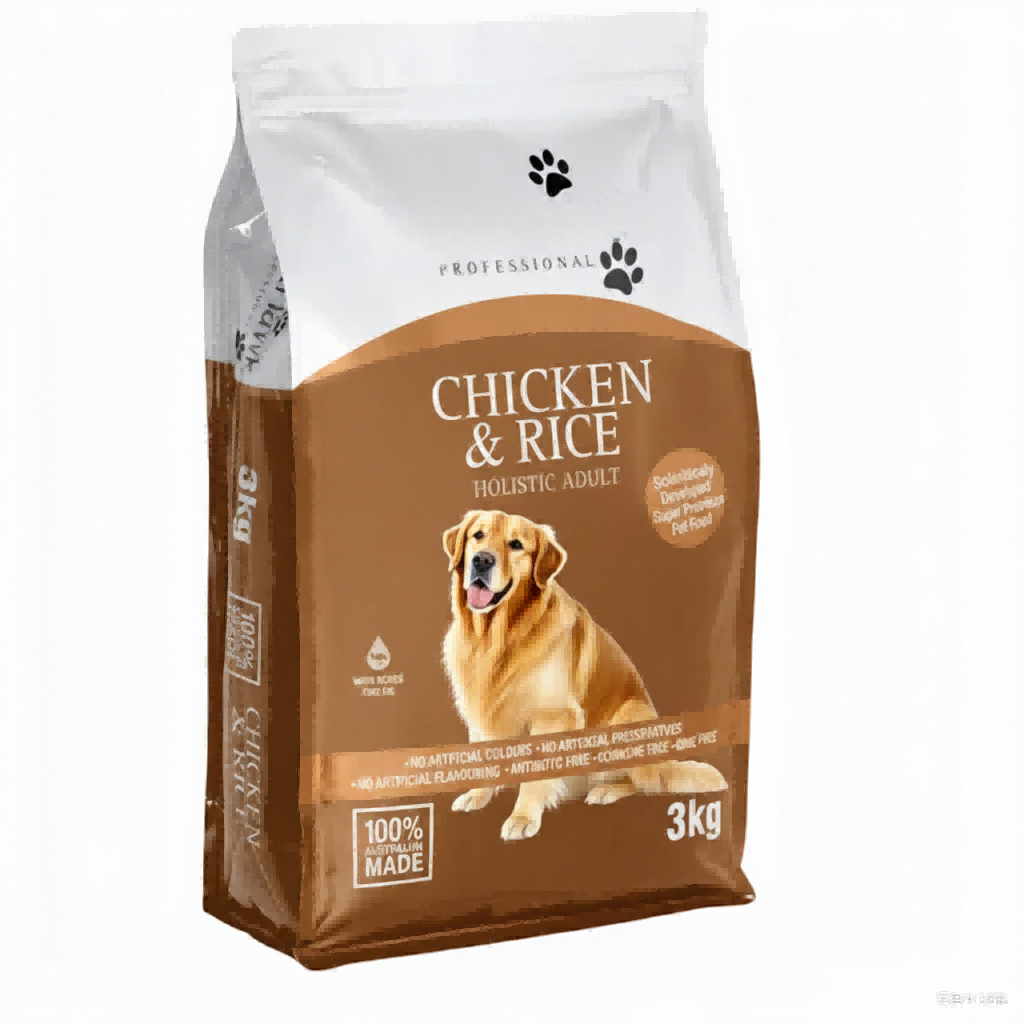
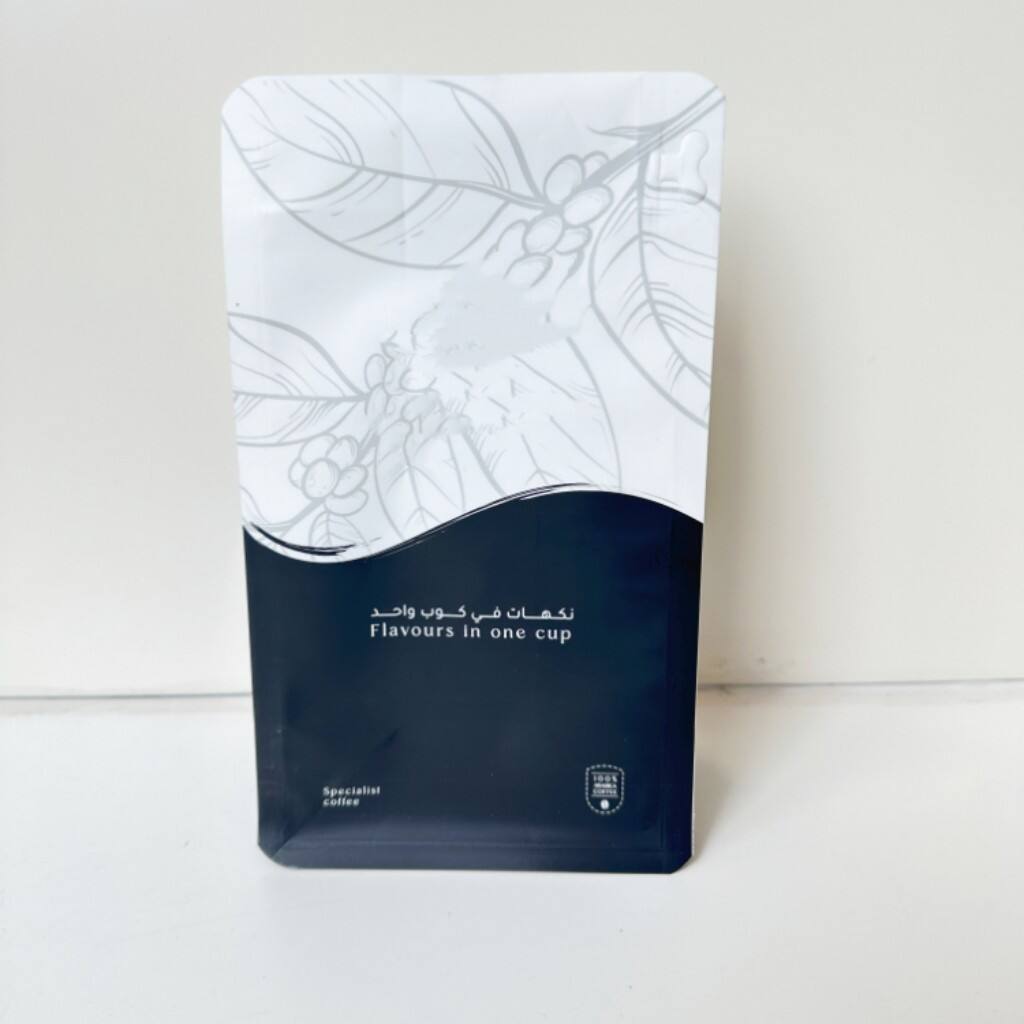
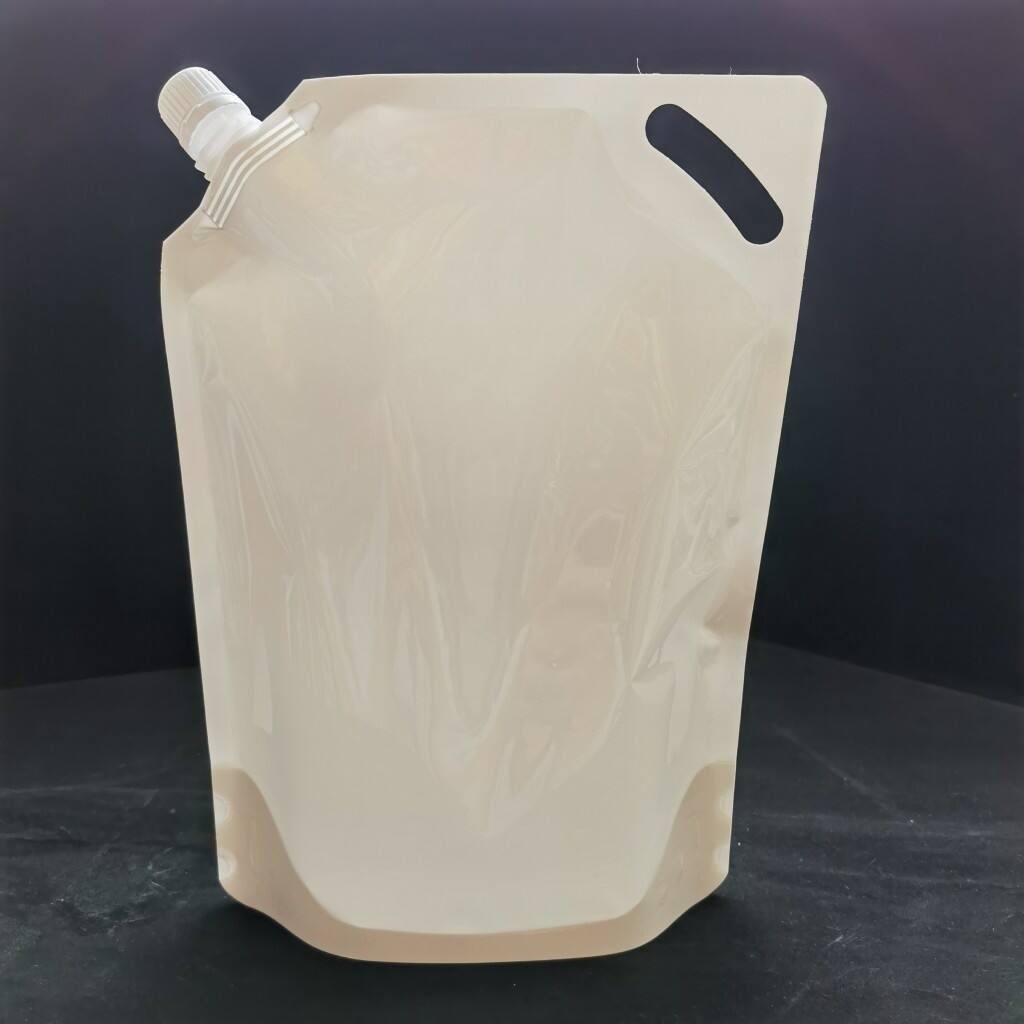
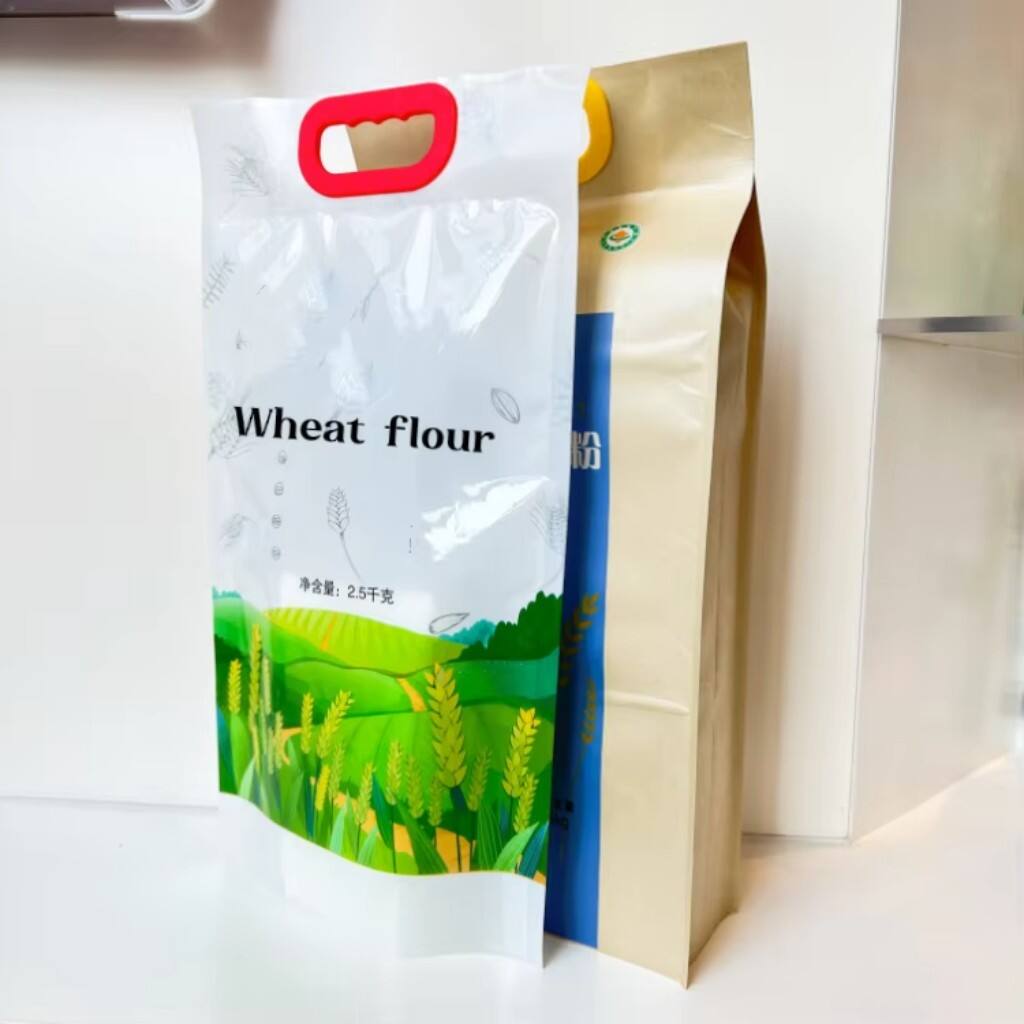
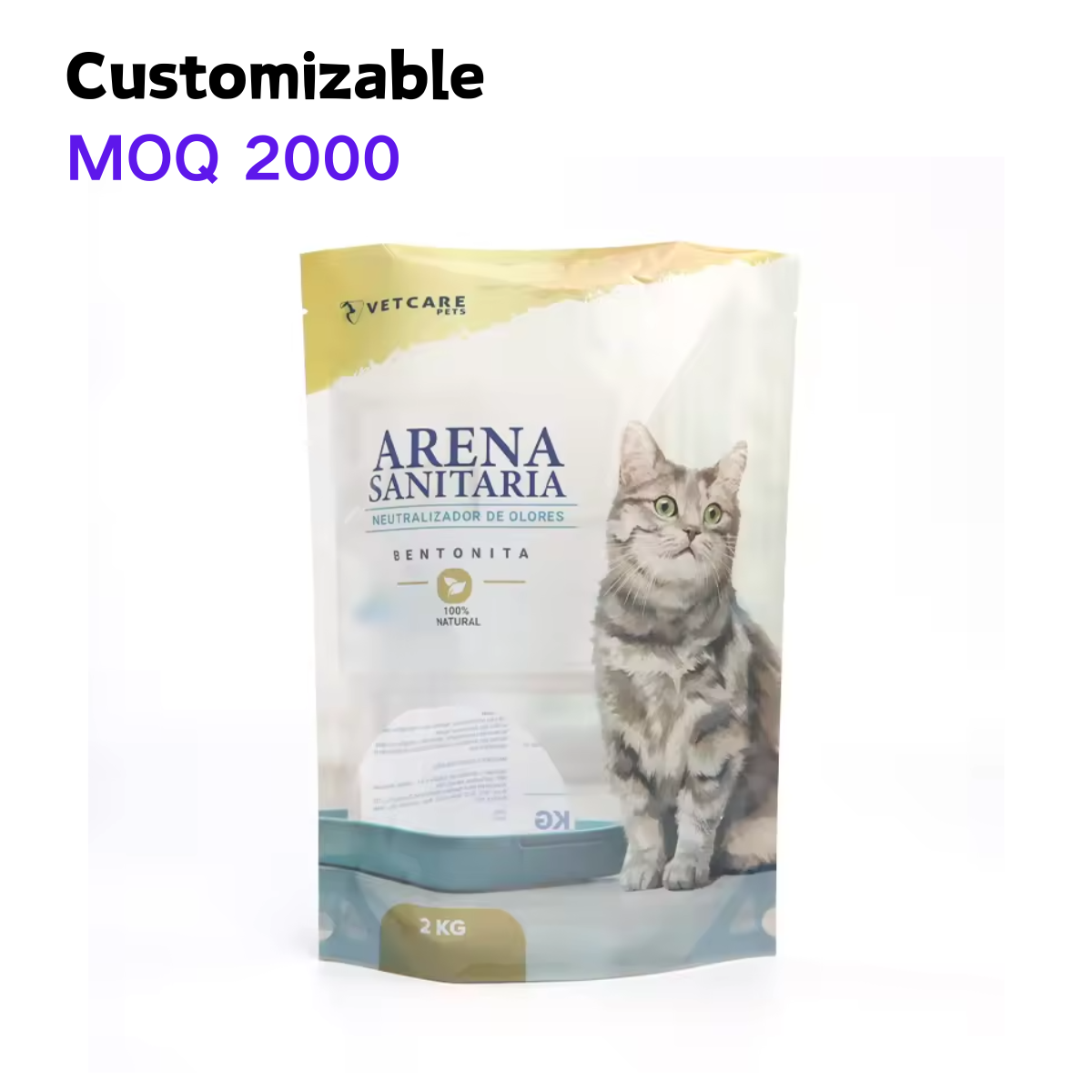
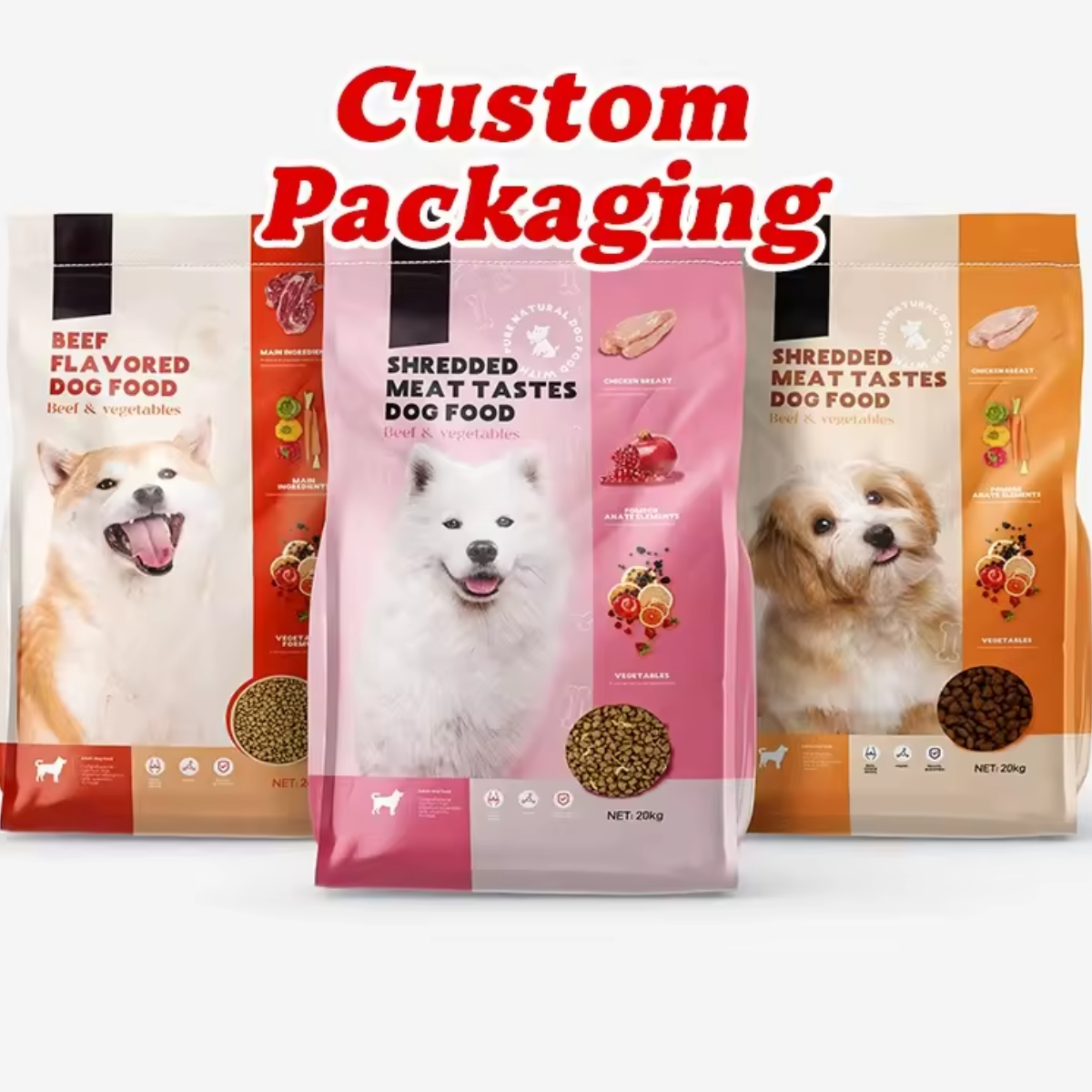
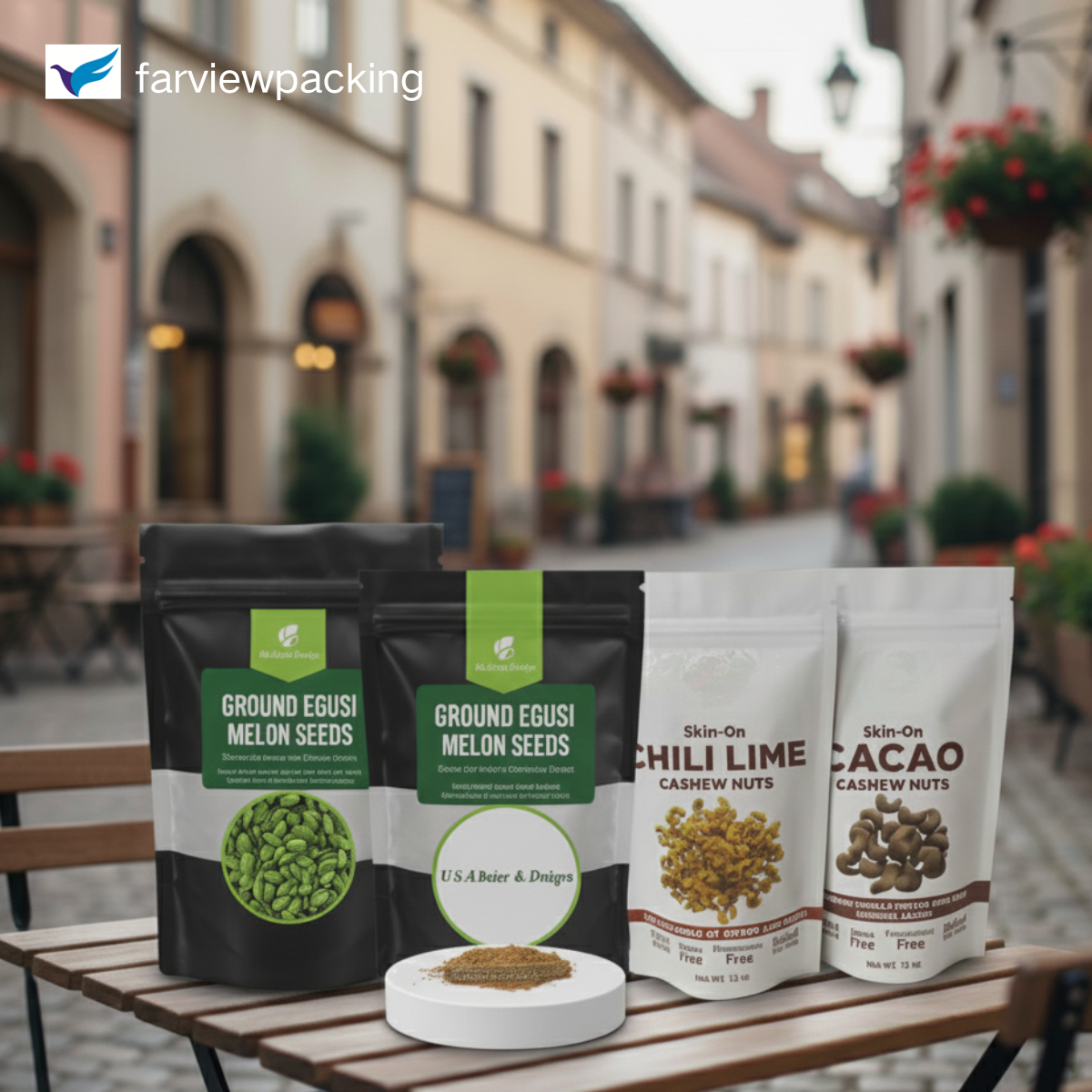
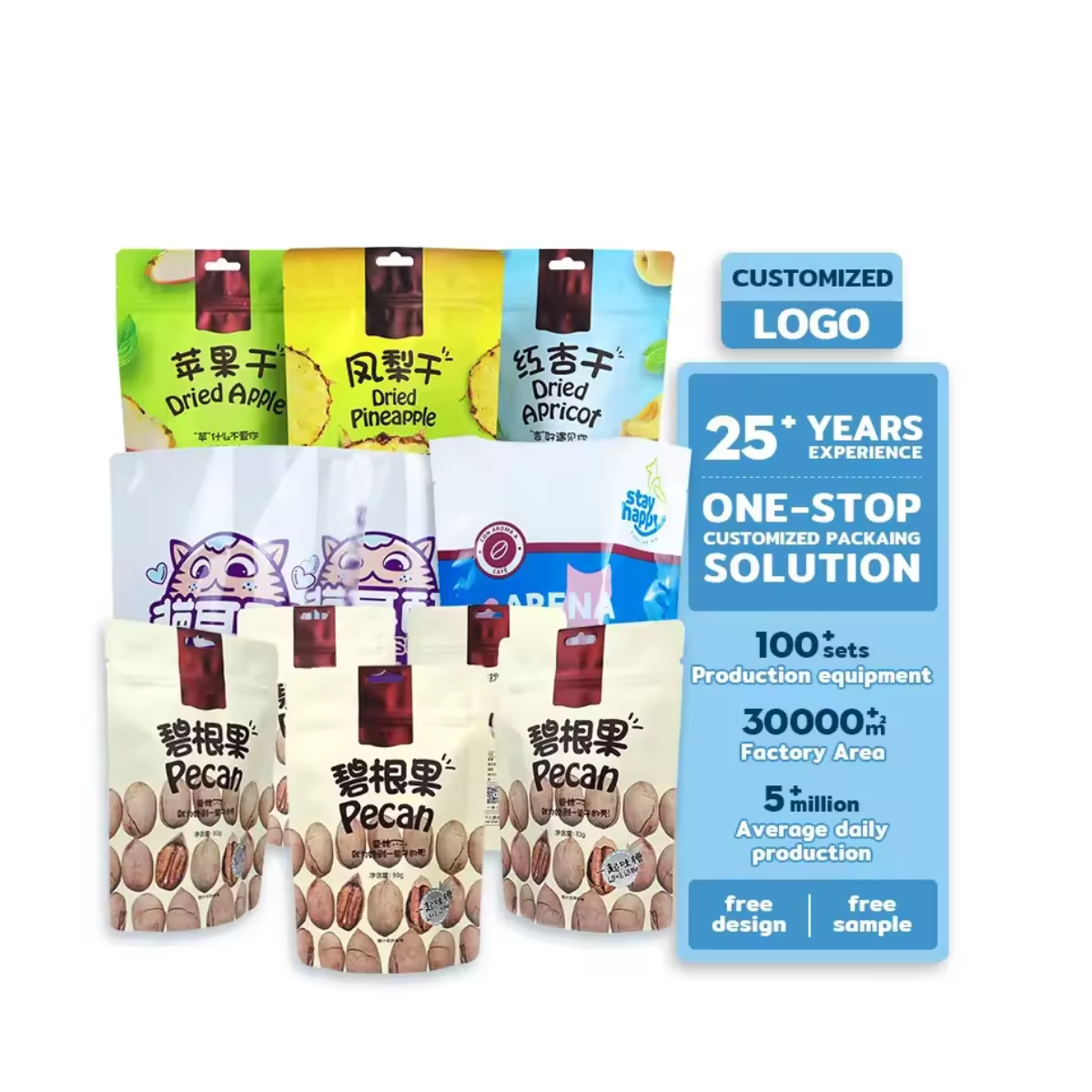
Compostable packaging represents a revolutionary approach to sustainable product protection and environmental responsibility. This innovative packaging solution breaks down naturally into organic matter when exposed to proper composting conditions, leaving no harmful residues behind. Unlike traditional plastic packaging that persists in landfills for hundreds of years, compostable packaging transforms into nutrient-rich soil within 90 to 180 days under industrial composting facilities. The technology behind compostable packaging utilizes plant-based materials such as corn starch, sugarcane fibers, wheat straw, and other renewable biomass sources. These materials undergo specialized processing techniques that maintain structural integrity while ensuring complete biodegradability. Advanced polymer science creates barriers that protect products from moisture, oxygen, and contaminants while preserving the ability to decompose naturally. Manufacturing processes incorporate cutting-edge extrusion and molding technologies that shape these bio-materials into various forms including films, containers, bags, and protective wraps. The molecular structure of compostable packaging allows microorganisms to break down the material efficiently, converting it into carbon dioxide, water, and biomass. Quality control measures ensure these packages meet strict international standards for compostability, including ASTM D6400 and EN 13432 certifications. Applications span numerous industries including food service, retail, e-commerce, agriculture, and consumer goods. Restaurants utilize compostable containers for takeout orders, while grocery stores package fresh produce in breathable compostable films. Online retailers ship products using compostable mailers and protective padding. Agricultural sectors employ compostable mulch films that eliminate plastic waste in farming operations. Consumer goods companies package everything from cosmetics to electronics using these sustainable alternatives, demonstrating versatility across market segments while supporting circular economy principles.

Popular Products

Compostable packaging delivers substantial environmental benefits that directly impact our planet's health and sustainability. Companies adopting this solution reduce their carbon footprint significantly, as production requires less fossil fuel energy compared to conventional plastic manufacturing. The decomposition process actively contributes to soil enrichment, creating valuable compost that farmers and gardeners use to improve crop yields and plant growth. Businesses experience enhanced brand reputation when customers recognize their commitment to environmental stewardship through sustainable packaging choices. Cost savings emerge over time as waste management expenses decrease, particularly for organizations operating composting programs or partnering with commercial composting facilities. Regulatory compliance becomes easier as governments worldwide implement stricter packaging waste regulations and plastic reduction mandates. Compostable packaging helps companies avoid potential fines and stay ahead of evolving environmental legislation. Consumer appeal increases dramatically as market research consistently shows growing preference for eco-friendly products among all demographic groups. Marketing advantages include positive media coverage, increased customer loyalty, and differentiation from competitors still using traditional packaging materials. Supply chain benefits include reduced disposal costs and simplified waste sorting procedures. Employee satisfaction improves when workers feel proud of their company's environmental initiatives, leading to better retention rates and workplace morale. Health advantages include elimination of harmful chemicals that often leach from conventional plastics into food products and surrounding environments. Storage benefits include comparable shelf life protection without the long-term environmental consequences associated with petroleum-based materials. Distribution advantages include lighter weight options that reduce shipping costs and fuel consumption during transportation. Quality maintenance remains excellent as modern compostable materials provide equivalent barrier properties to traditional packaging while offering superior breathability for fresh products. Innovation opportunities expand as research continues developing new bio-based materials with enhanced performance characteristics. Partnership potential increases with environmentally conscious suppliers, retailers, and customers who prioritize sustainable business practices throughout their operations.

Tips And Tricks

What Factors Should Businesses Consider When Choosing Plastic Packaging Bags

13

Nov

What Factors Should Businesses Consider When Choosing Plastic Packaging Bags

Essential Considerations for Selecting Industrial Packaging Solutions The selection of plastic packaging bags represents a critical business decision that impacts everything from product protection to brand perception and environmental responsibility...
View More
How to Source High-Quality Plastic Packaging Bags for Food Manufacturing

13

Nov

How to Source High-Quality Plastic Packaging Bags for Food Manufacturing

Mastering Food-Grade Packaging Solutions for Manufacturers In today's competitive food manufacturing landscape, selecting the right plastic packaging bags can make or break your product's success. These essential components not only preserve food qua...
View More
How Do Mylar Bags Protect Products from Moisture and Light

13

Nov

How Do Mylar Bags Protect Products from Moisture and Light

In today's competitive packaging landscape, businesses across industries are constantly seeking reliable solutions to preserve product quality and extend shelf life. Mylar bags have emerged as one of the most effective barrier packaging options, offe...
View More
What Are the Key Differences Between Foil and Mylar Bags

13

Nov

What Are the Key Differences Between Foil and Mylar Bags

When it comes to packaging solutions that offer superior protection and preservation, understanding the distinctions between different materials becomes crucial for businesses and consumers alike. The packaging industry has evolved significantly, pre...
View More

Get a Free Quote

Our representative will contact you soon.
Email
Phone
Name
Company Name
Message
0/1000

compostable packaging

Complete Biodegradability Within 180 Days

Complete Biodegradability Within 180 Days

The most compelling feature of compostable packaging lies in its ability to completely disappear from the environment within 180 days under proper composting conditions. This remarkable characteristic sets it apart from conventional packaging materials that persist for centuries in landfills and oceans. When placed in industrial composting facilities, compostable packaging undergoes a carefully orchestrated decomposition process that begins with initial breakdown by heat and moisture. Specialized microorganisms including bacteria, fungi, and other decomposer organisms immediately begin consuming the bio-based polymers that form the package structure. Unlike plastic degradation that creates harmful microplastics, compostable packaging breaks down at the molecular level, transforming into carbon dioxide, water, and organic biomass that enriches soil composition. Temperature control within composting facilities accelerates this natural process, maintaining optimal conditions between 131-160 degrees Fahrenheit that promote rapid microbial activity. The oxygen-rich environment ensures aerobic decomposition, preventing methane production associated with anaerobic breakdown in landfills. Third-party testing facilities rigorously verify decomposition rates using standardized protocols that measure residue levels, heavy metal content, and toxicity levels throughout the breakdown process. Results consistently demonstrate complete disintegration without leaving harmful residues that could contaminate soil or water systems. Home composting systems can also process certain types of compostable packaging, though timeframes may extend beyond industrial facility rates due to lower sustained temperatures. The resulting compost provides excellent soil amendment properties, improving water retention, nutrient availability, and beneficial microbial populations that support healthy plant growth. This complete lifecycle approach transforms waste into valuable resources, supporting circular economy principles that minimize environmental impact. Certification bodies including the Biodegradable Products Institute validate decomposition claims through extensive testing protocols. Agricultural applications benefit tremendously as farmers can compost packaging materials alongside organic waste streams, eliminating sorting requirements and reducing disposal costs while creating premium soil amendments for crop production.
Superior Product Protection with Natural Materials

Superior Product Protection with Natural Materials

Compostable packaging achieves exceptional product protection through innovative use of natural barrier technologies that rival traditional plastic performance. Advanced bio-polymer engineering creates multi-layer structures that effectively block moisture, oxygen, light, and contaminants while maintaining complete biodegradability. Plant-derived materials including modified corn starch, cellulose fibers, and marine algae undergo sophisticated processing that enhances their protective properties without compromising environmental safety. Barrier coatings derived from natural waxes, proteins, and lipids provide water resistance equivalent to petroleum-based alternatives. Gas permeability control ensures optimal atmospheric conditions for sensitive products, extending shelf life while preventing spoilage and quality degradation. Heat-sealing capabilities allow secure closure formation that maintains package integrity throughout distribution and storage cycles. Puncture resistance matches conventional packaging standards through fiber reinforcement and cross-linking technologies that strengthen material structure without adding synthetic components. Temperature stability ensures package performance across varied climate conditions, from freezer applications to heated display environments. UV protection properties safeguard light-sensitive contents using naturally occurring compounds that absorb harmful radiation. Antimicrobial characteristics inherent in certain bio-materials provide additional product safety benefits. Flexibility and moldability allow custom shaping for complex product geometries while maintaining protective effectiveness. Grease and oil resistance properties make these materials suitable for food service applications without compromising decomposition characteristics. Print compatibility enables high-quality graphics and branding while using eco-friendly ink systems. Sealing strength withstands mechanical stress during transportation and handling without package failure. Clarity options provide excellent product visibility for retail display requirements. Chemical resistance prevents package degradation when exposed to cleaning agents and sanitizers. Cold temperature performance maintains flexibility and barrier properties in refrigerated storage conditions. These protective qualities ensure product safety and quality throughout the entire supply chain while providing peace of mind that packaging waste will not persist in the environment after disposal.
Cost-Effective Sustainability for Business Growth

Cost-Effective Sustainability for Business Growth

Implementing compostable packaging creates significant cost advantages that directly contribute to business profitability and sustainable growth strategies. Initial investment costs continue declining as manufacturing scale increases and technology advances reduce production expenses. Waste disposal savings emerge immediately as organizations reduce hauling fees, landfill taxes, and waste management contracts through composting program implementation. Regulatory compliance costs decrease substantially as businesses avoid penalties associated with plastic waste regulations and extended producer responsibility programs. Marketing benefits generate measurable returns through increased customer acquisition and retention rates among environmentally conscious consumers. Brand value enhancement translates into premium pricing opportunities as consumers demonstrate willingness to pay more for sustainable products. Supply chain efficiency improves through simplified waste sorting procedures and reduced storage requirements for disposal materials. Insurance cost reductions may occur as environmental liability risks decrease with sustainable packaging adoption. Employee productivity increases when workers support company environmental initiatives, reducing turnover costs and training expenses. Government incentives and tax credits increasingly reward businesses adopting sustainable practices, providing additional financial benefits. Partnership opportunities expand with eco-conscious suppliers offering preferential pricing and terms to environmentally responsible customers. Export market access improves as international markets increasingly require sustainable packaging for imported goods. Long-term cost stability emerges as bio-material prices become less volatile than petroleum-based alternatives subject to oil price fluctuations. Research and development investments in compostable packaging often qualify for grants and funding programs supporting environmental innovation. Bulk purchasing arrangements reduce per-unit costs as order volumes increase with sustained commitment to sustainable packaging. Efficiency gains in production processes eliminate secondary packaging requirements in many applications. Storage cost reductions occur through lighter weight materials that require less warehouse space and reduce handling expenses. Transportation savings accumulate through reduced shipping weights and volumes. Customer service improvements result from positive consumer response to environmental initiatives. Quality consistency reduces product loss and return rates. These financial advantages create compelling business cases that support both profitability objectives and environmental responsibility goals while positioning companies for future growth in increasingly sustainability-focused markets.
Compostable Packaging Solutions: Eco-Friendly Protection for Sustainable Business Growth

Get a Free Quote

Our representative will contact you soon.
Email
Phone
Name
Company Name
Message
0/1000