moisture proof cat food packaging
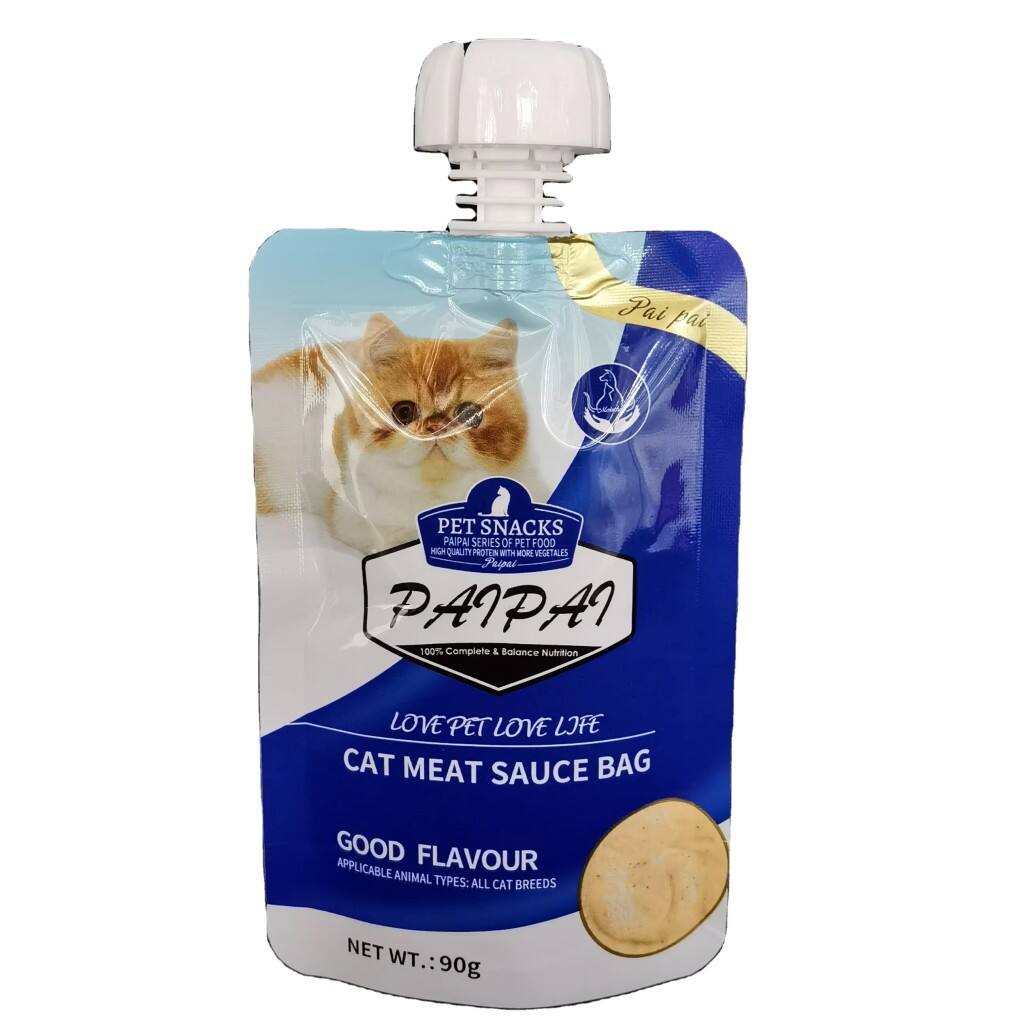
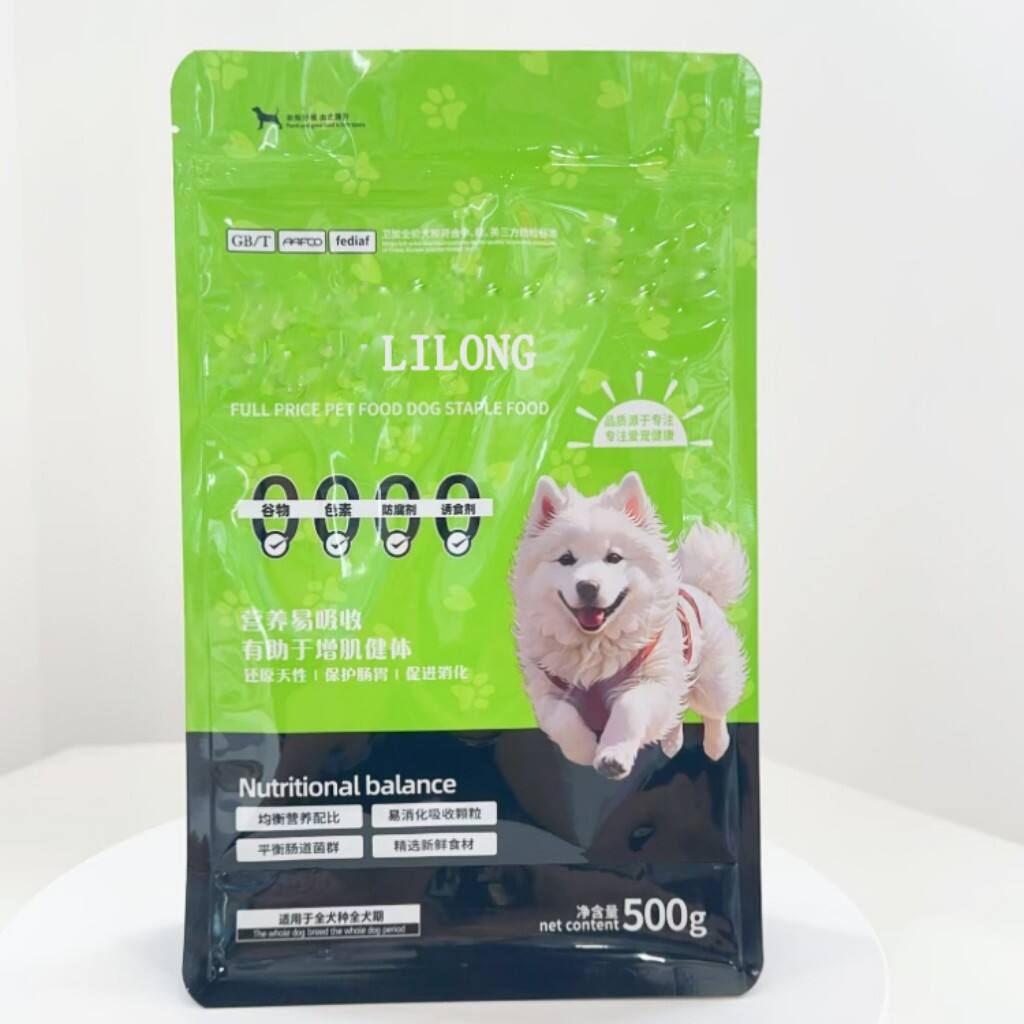
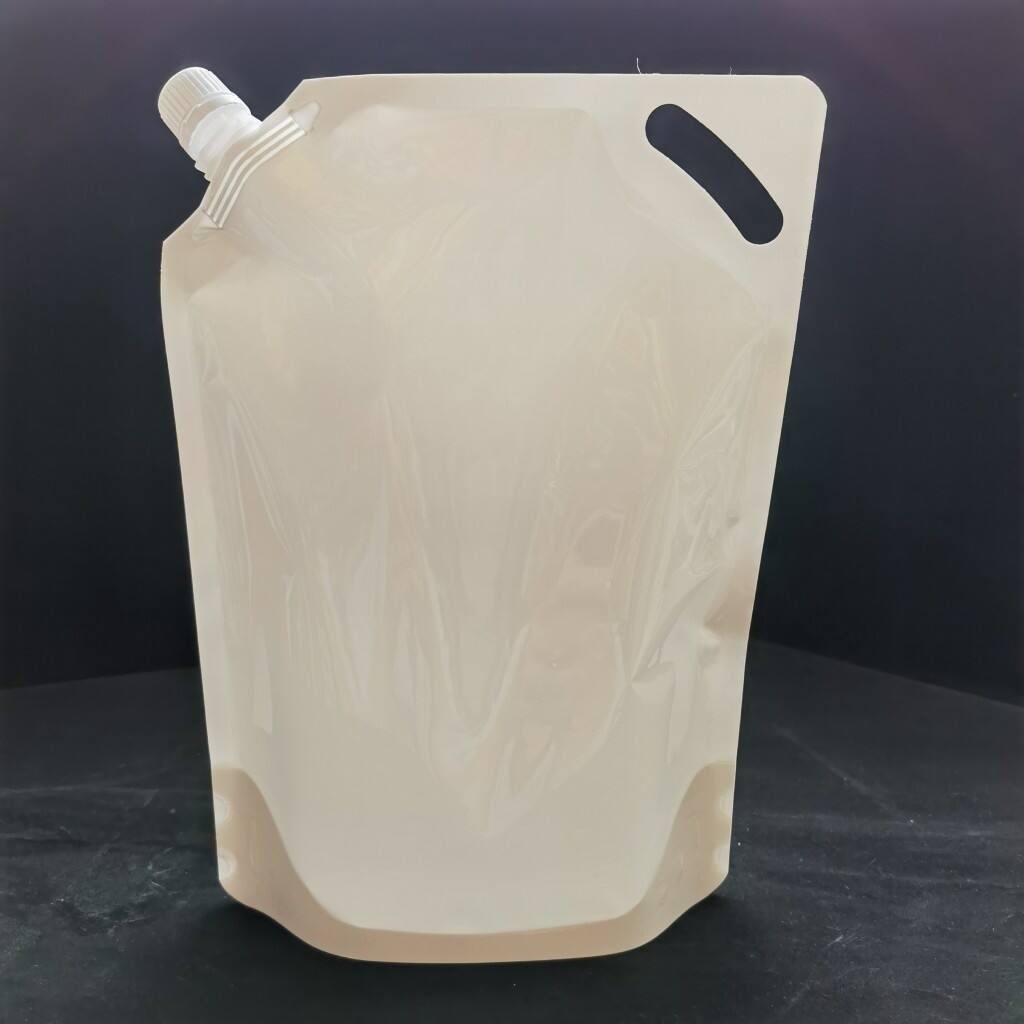
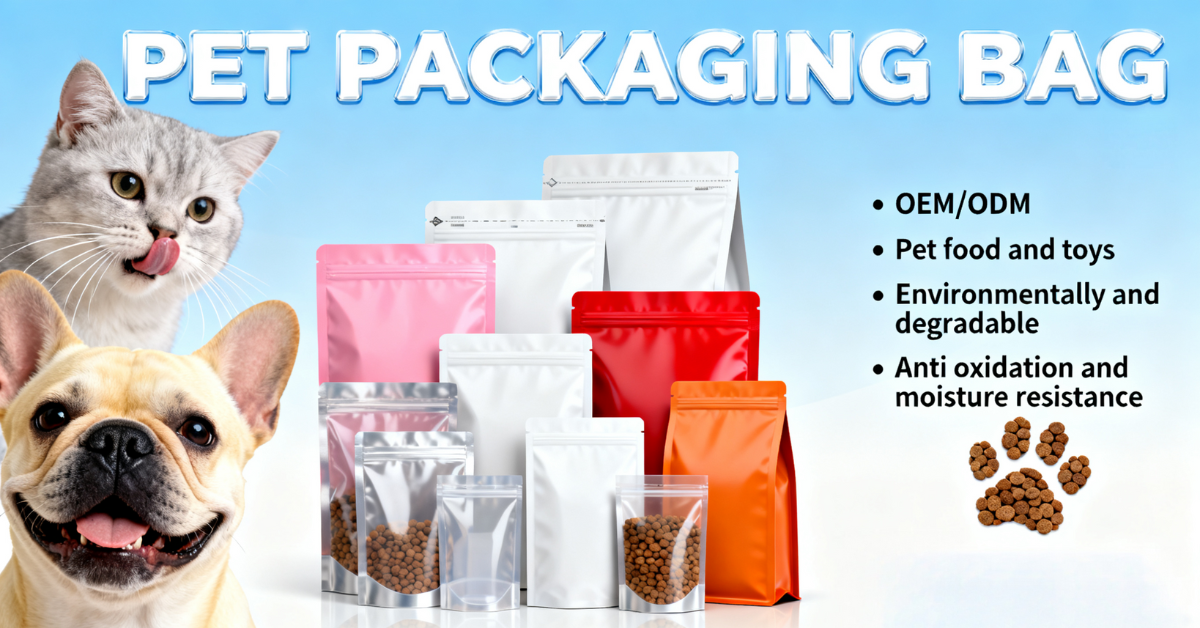
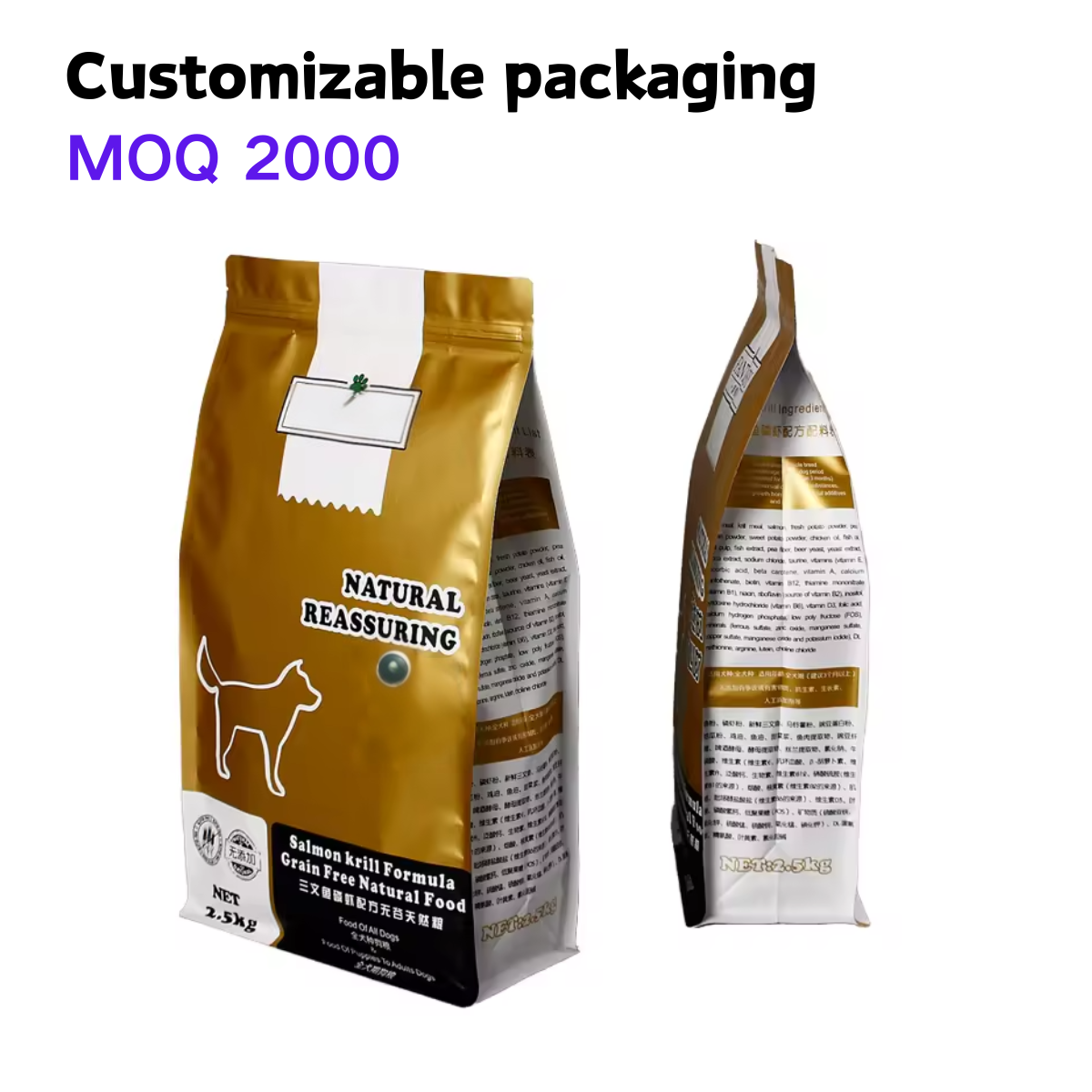
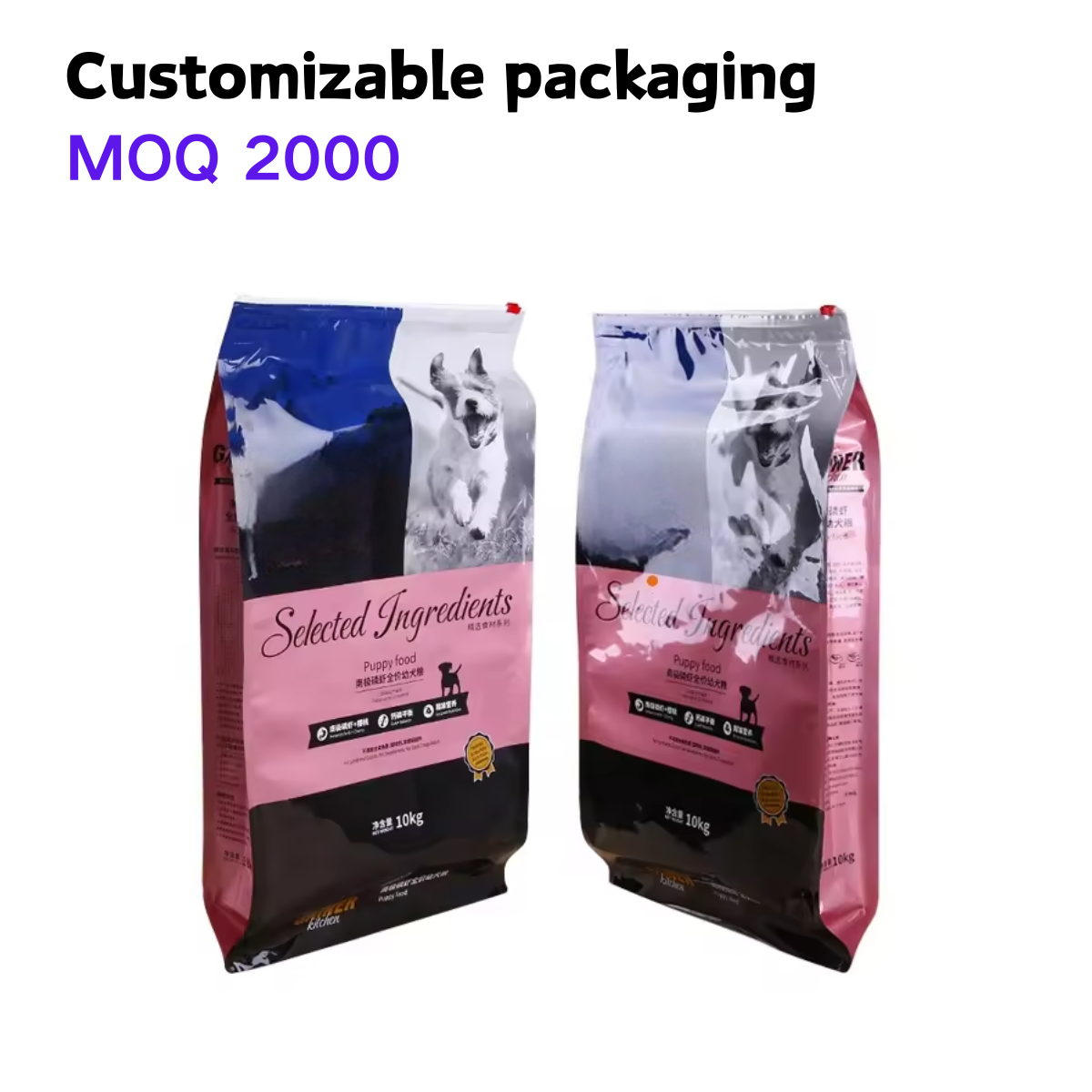
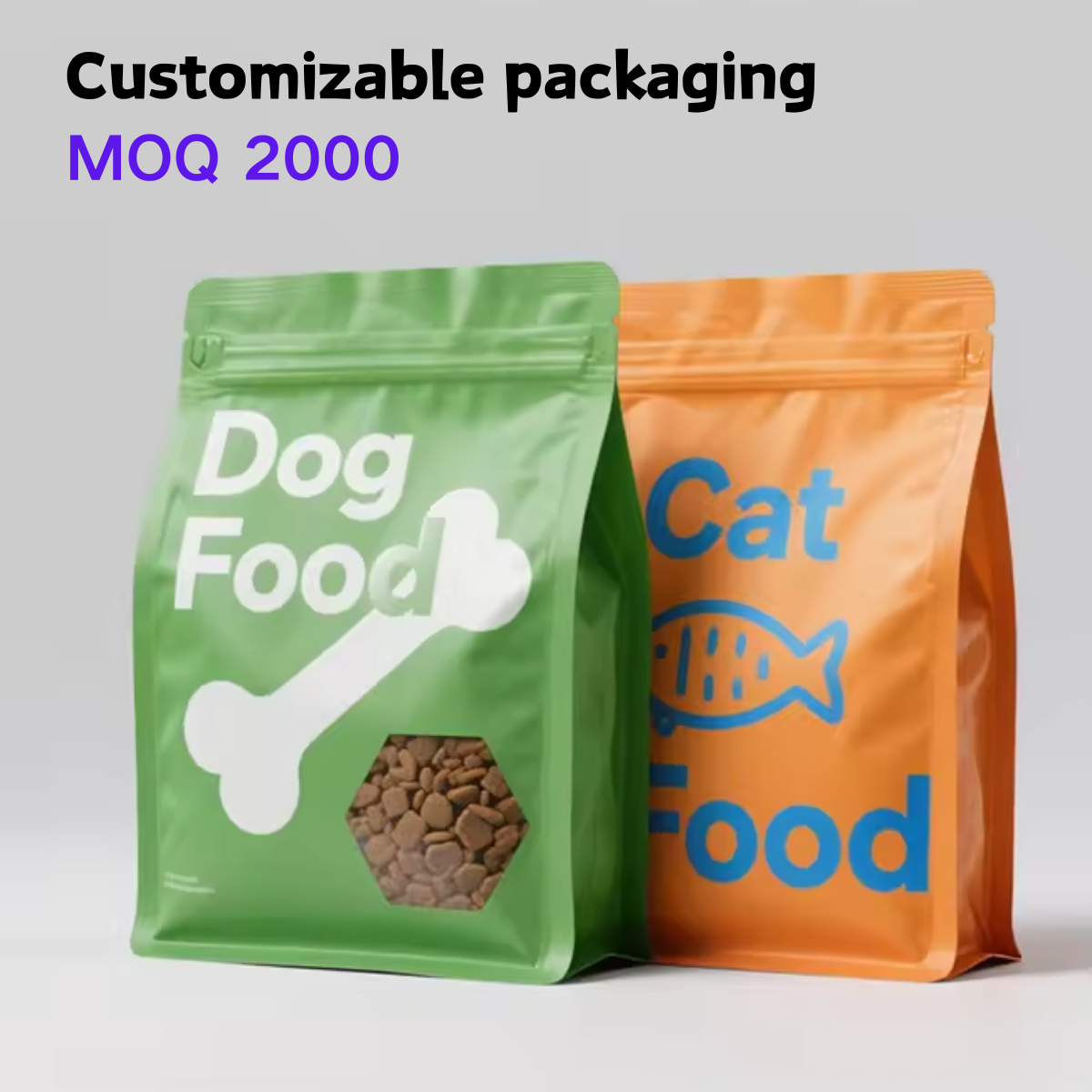
Moisture proof cat food packaging represents a revolutionary advancement in pet food preservation technology, designed specifically to maintain the nutritional integrity and freshness of feline nutrition products. This specialized packaging system utilizes multi-layer barrier materials that effectively prevent moisture infiltration while preserving essential vitamins, minerals, and proteins that cats require for optimal health. The moisture proof cat food packaging incorporates advanced polymer films, metallized substrates, and specialized sealant layers that work together to create an impermeable barrier against environmental factors. Modern moisture proof cat food packaging systems feature innovative zipper mechanisms, tear-resistant materials, and tamper-evident seals that ensure product safety from manufacturing to consumption. The technological framework behind moisture proof cat food packaging includes oxygen scavenging properties, UV protection capabilities, and temperature resistance features that extend shelf life significantly. These packaging solutions accommodate various product formats including dry kibble, wet food pouches, and freeze-dried options while maintaining consistent barrier performance. Manufacturing processes for moisture proof cat food packaging involve precision lamination techniques, heat sealing technologies, and quality control systems that verify barrier integrity throughout production cycles. The packaging design incorporates user-friendly features such as easy-open tabs, resealable closures, and portion control mechanisms that enhance consumer convenience. Environmental considerations drive the development of sustainable moisture proof cat food packaging options that utilize recyclable materials without compromising protective properties. Quality assurance protocols for moisture proof cat food packaging include accelerated aging tests, moisture transmission rate evaluations, and mechanical strength assessments that validate performance standards across diverse storage conditions.
 EN
EN