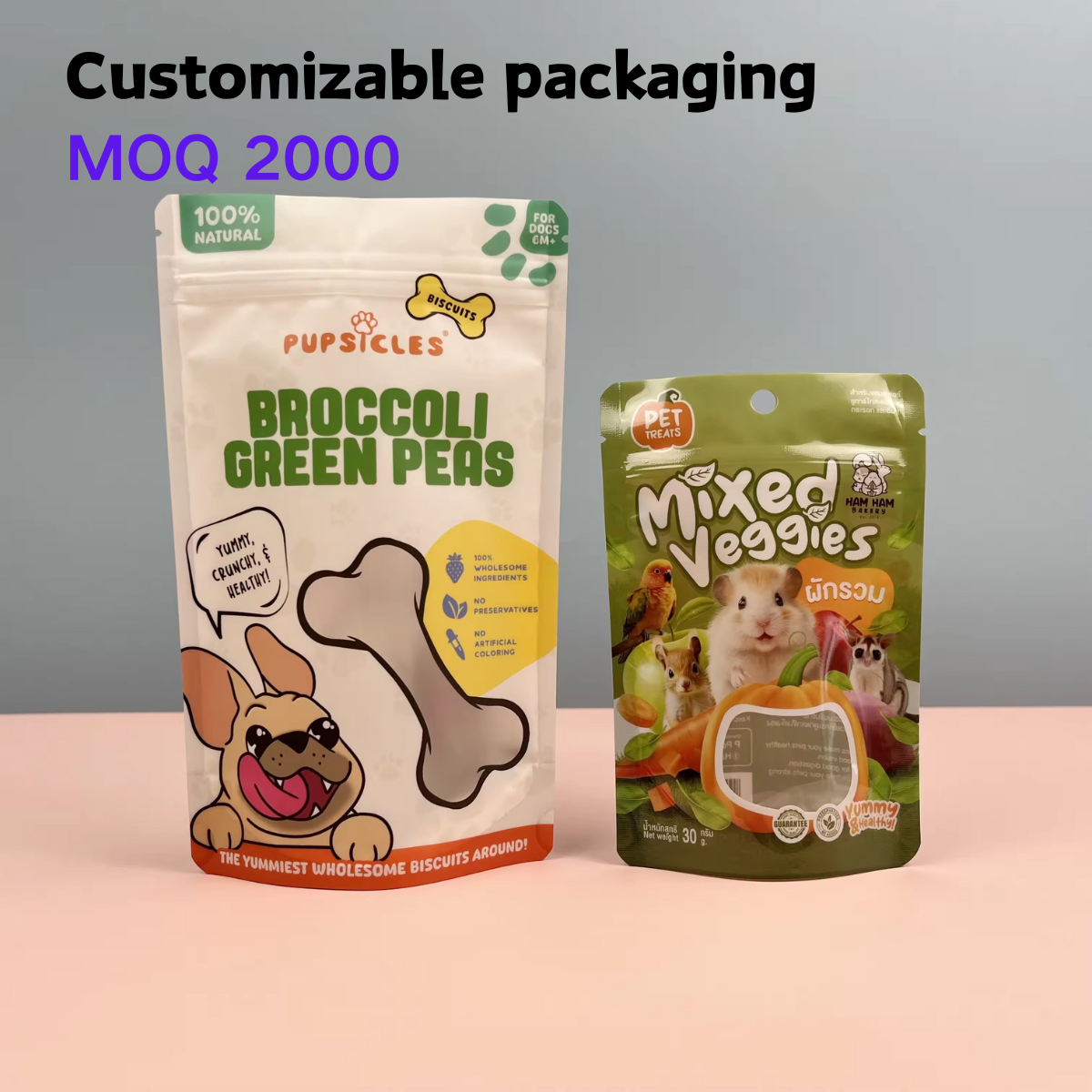
pet treats packaging
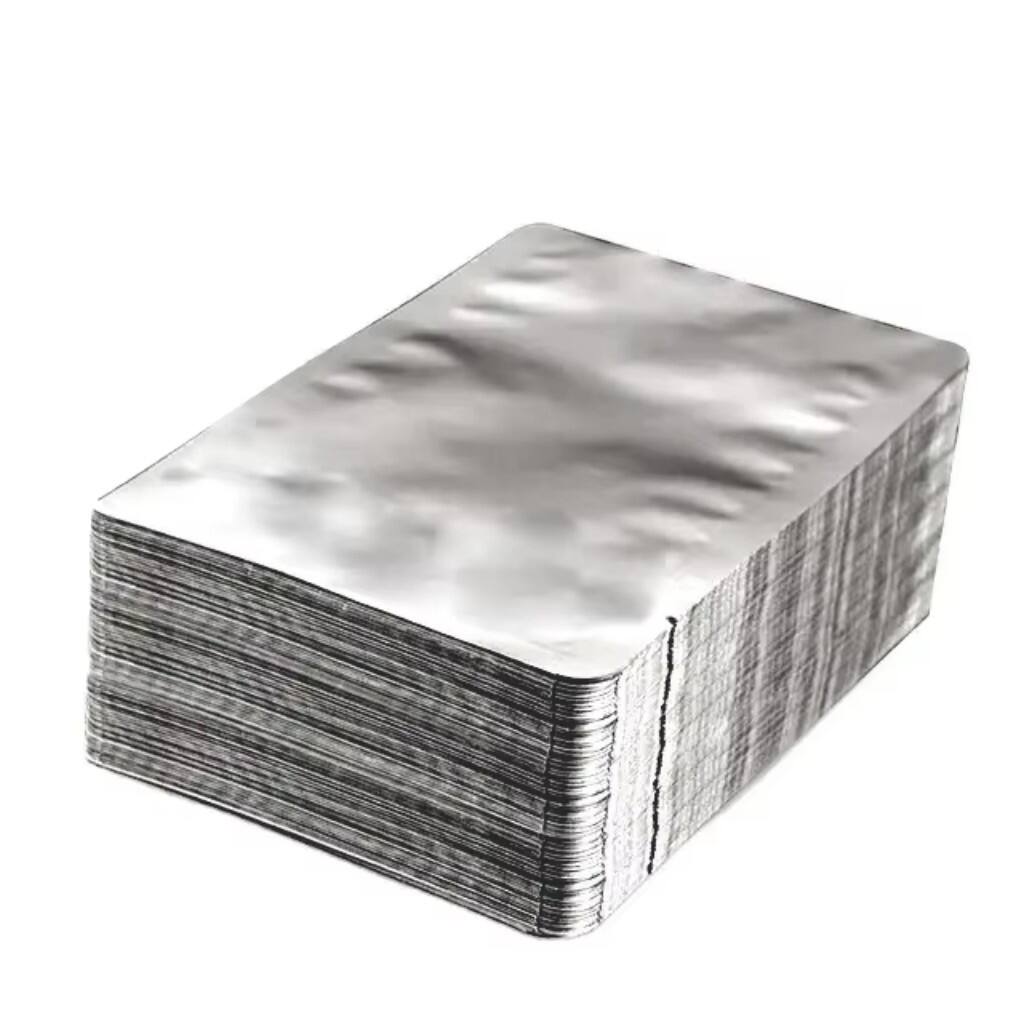
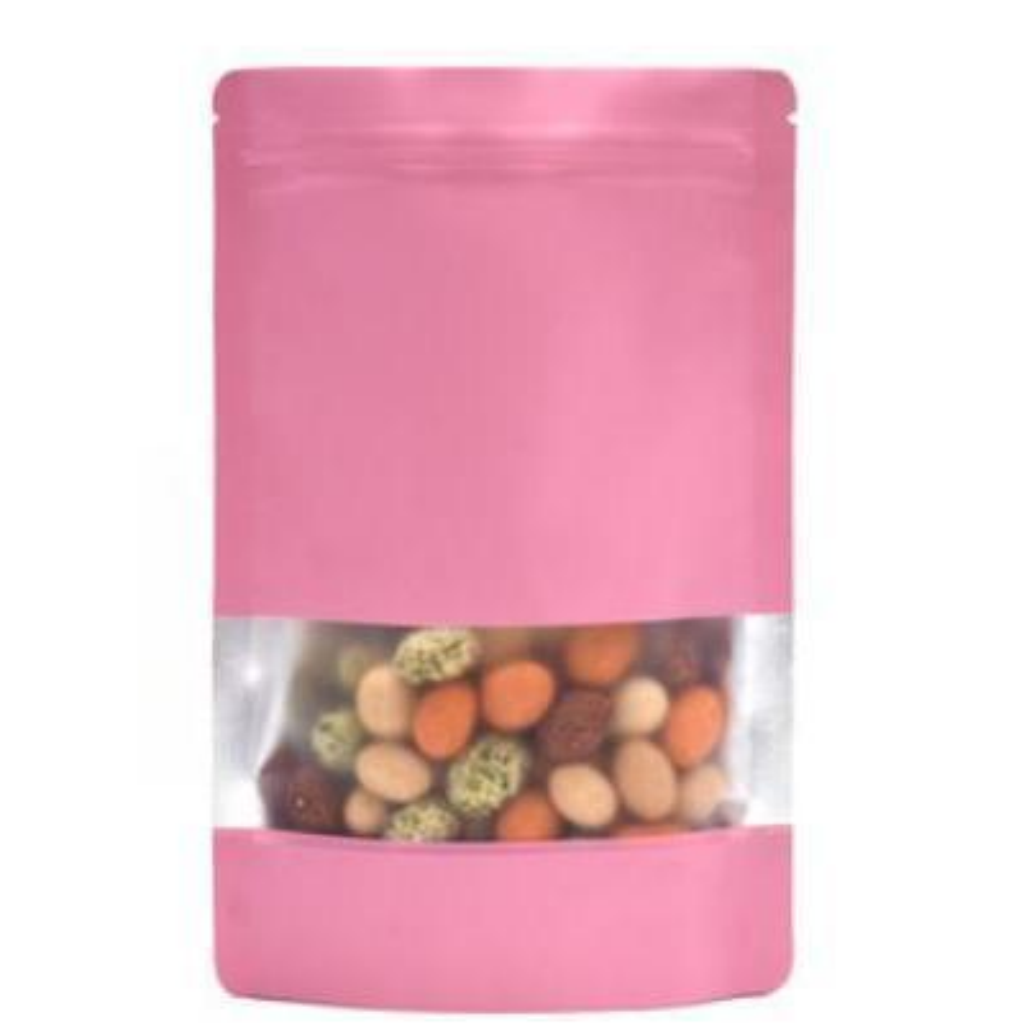
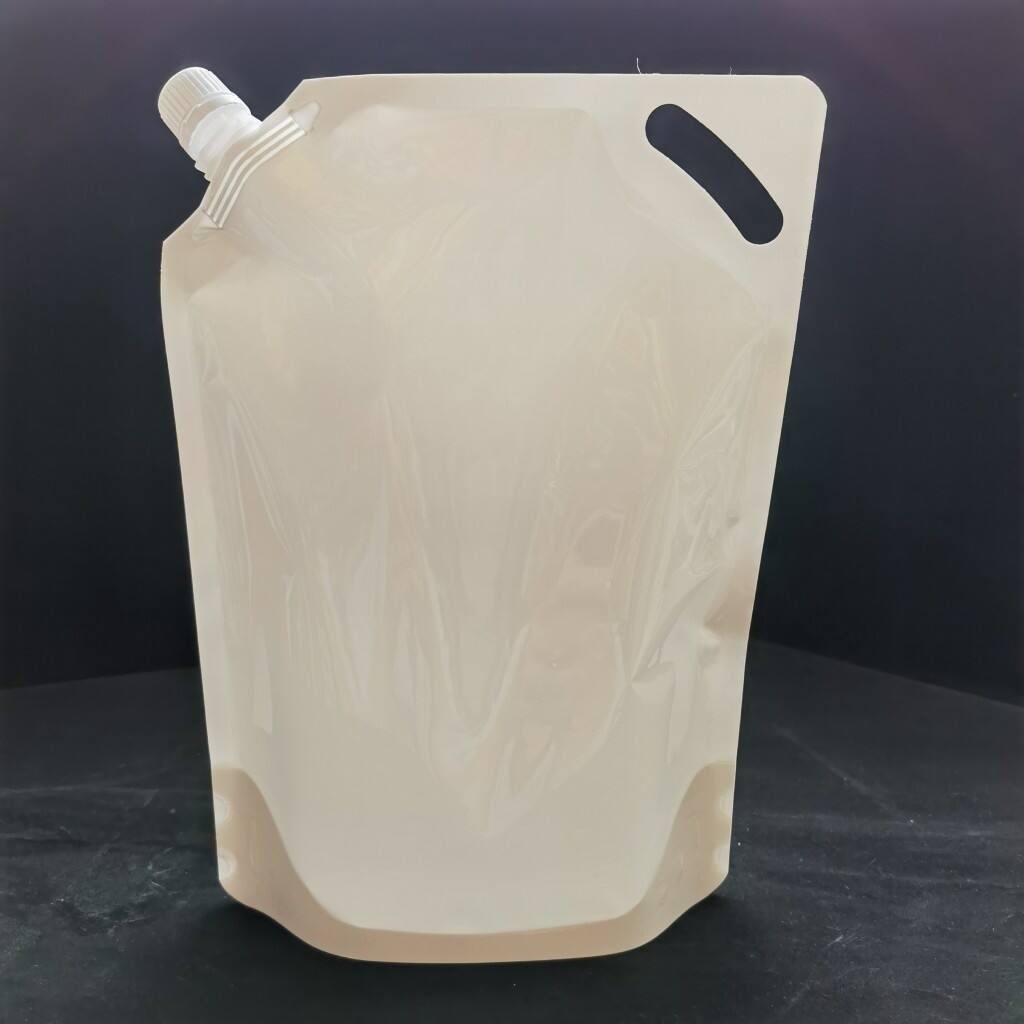
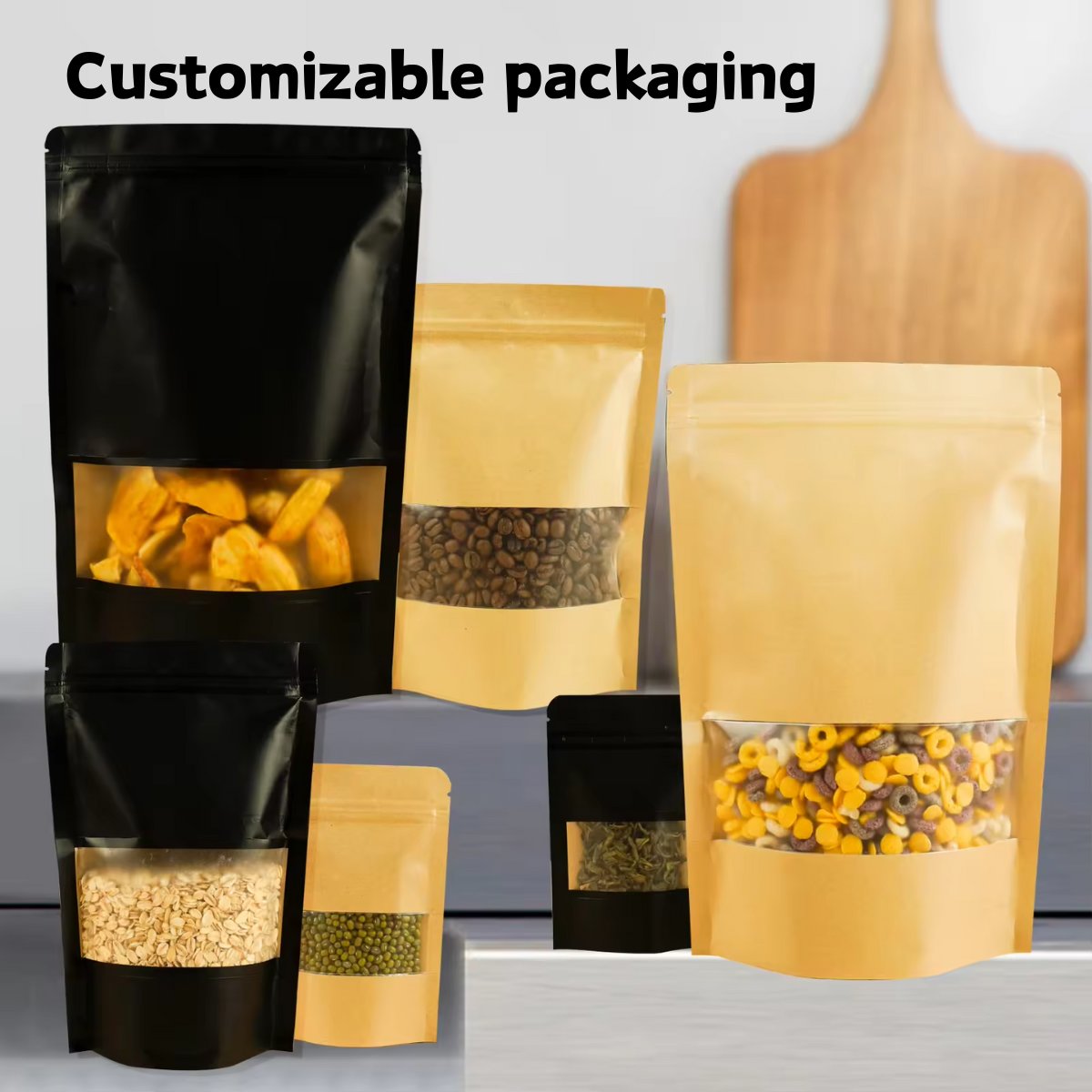
Pet treats packaging represents a specialized segment of food packaging designed specifically to preserve, protect, and present pet snacks and treats. This packaging serves multiple critical functions beyond simple containment, including maintaining product freshness, ensuring safety, and providing convenient storage solutions for pet owners. The primary function of pet treats packaging involves creating an effective barrier against moisture, oxygen, light, and contaminants that could compromise the quality and safety of the treats inside. Modern pet treats packaging incorporates advanced materials and technologies such as multi-layer films, oxygen absorbers, and moisture barriers to extend shelf life significantly. These technological features include hermetic sealing systems, resealable closures, and specialized films that maintain optimal conditions for different types of treats. The packaging also serves as a marketing tool, displaying important information such as nutritional content, feeding guidelines, ingredient lists, and brand messaging. Applications of pet treats packaging span across various treat categories including biscuits, jerky, freeze-dried options, soft chews, and training rewards. The packaging must accommodate different textures, sizes, and preservation requirements specific to each treat type. Manufacturing processes involve sophisticated printing techniques, lamination technologies, and quality control measures to ensure consistency and reliability. The packaging design considers user experience factors such as easy opening mechanisms, portion control features, and storage convenience. Environmental considerations have led to innovations in sustainable pet treats packaging materials, including recyclable options and biodegradable alternatives. The industry continues to evolve with smart packaging technologies that can indicate freshness levels and provide interactive experiences for consumers. Supply chain requirements necessitate durable packaging that can withstand transportation stresses while maintaining product integrity from manufacturing facilities to retail shelves and ultimately to consumers' homes.
 EN
EN